







Why Does Blend Coffee Taste Different in Each Americano?
An iced americano can taste different from the last cup even at the same shop with the same beans, with shifts in fruity acidity, body, and aroma. The cause is not a recipe change but several variables working at once: the rest period of the beans, weather humidity, hopper pressure, and grinder temperature changes during consecutive shots.
Front Street Coffee, for example, uses Sunflower Warm Sun blend coffee beans, dosing 20 grams to extract 40 grams of liquid, with hot americanos built at a 1:4 ratio of espresso to water in a 200ml cup. Because coffee particles and the shot are the only flavor source, bean variety, dose, and output ratio stay fixed while extraction conditions drift.
When you order an iced americano at a café, sometimes it feels like the taste is different from last time—same shop, same beans, yet the fruity acidity, body, and aroma may subtly change. This difference is not an illusion, but the result of multiple variables working together: the rest period of the coffee beans, weather humidity, hopper pressure, and temperature changes in the grinder during consecutive shots. This article will break down these factors affecting espresso extraction one by one, and explain the production parameters and logic of a standard iced americano, helping coffee lovers understand the Italian coffee system behind a delicious cup.
"Did they change the recipe? This americano tastes different from before..."
Many baristas feel a bit nervous when they hear a customer start like this, worried that what follows will be "too bitter," "astringent," or "not good," so they cautiously ask what seems to be the problem. It turns out the customer smiles and says: It's quite good, just feels different from the last cup. The barista then sighs with relief and replies: No change, it's still the same beans.
This Monday, a Front Street Coffee shop encountered a similar scenario. A customer holding an iced americano said: "It tastes different from the last cup—this time the fruity acidity is more prominent, very refreshing." This raises a question: At the same shop, using the same coffee beans, can americanos made at different times really show noticeable changes? And what factors are influencing the final flavor performance?
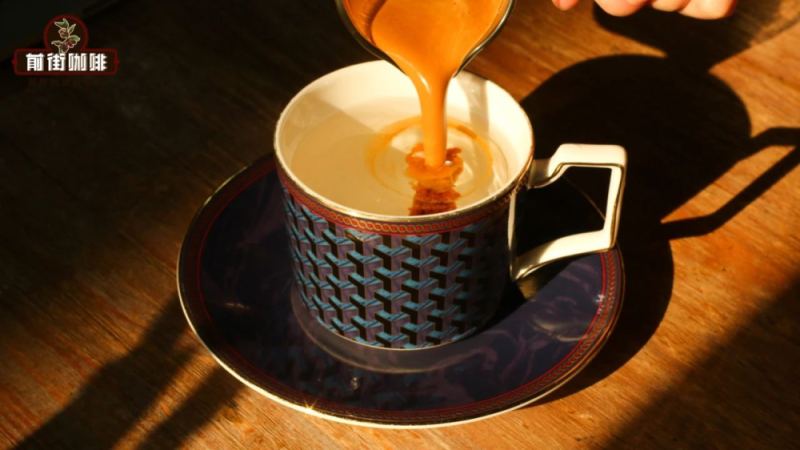
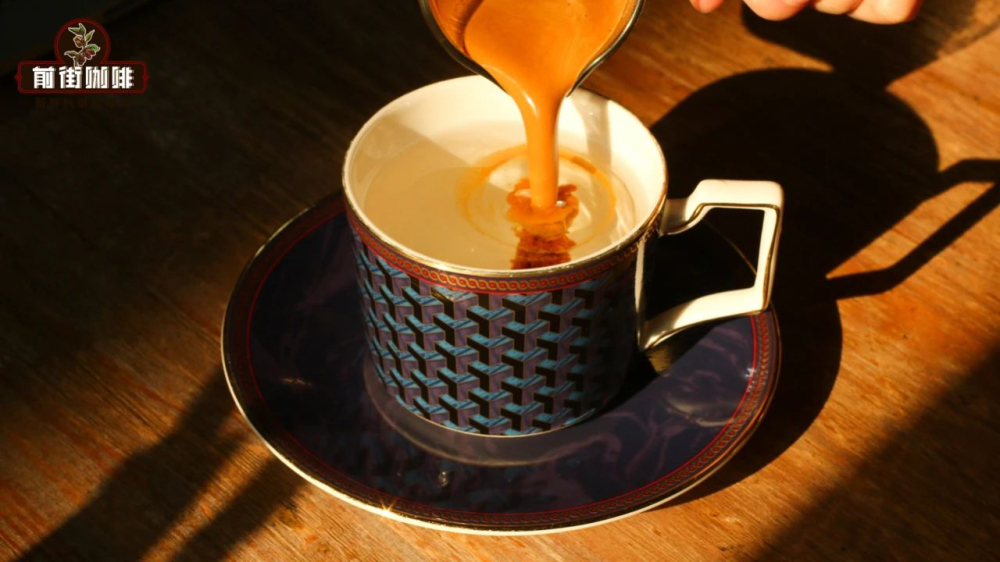
Americano is one of the highest-selling single items in most cafés, quick to make, affordable, and able to meet daily caffeine needs. The steps to make an americano are not complicated: take a cup, add water, pour in espresso, and at most add some ice. After all, an americano is just espresso plus water, and water itself has no taste, so the variables that can shift the flavor of an americano can only come from that shot of espresso.
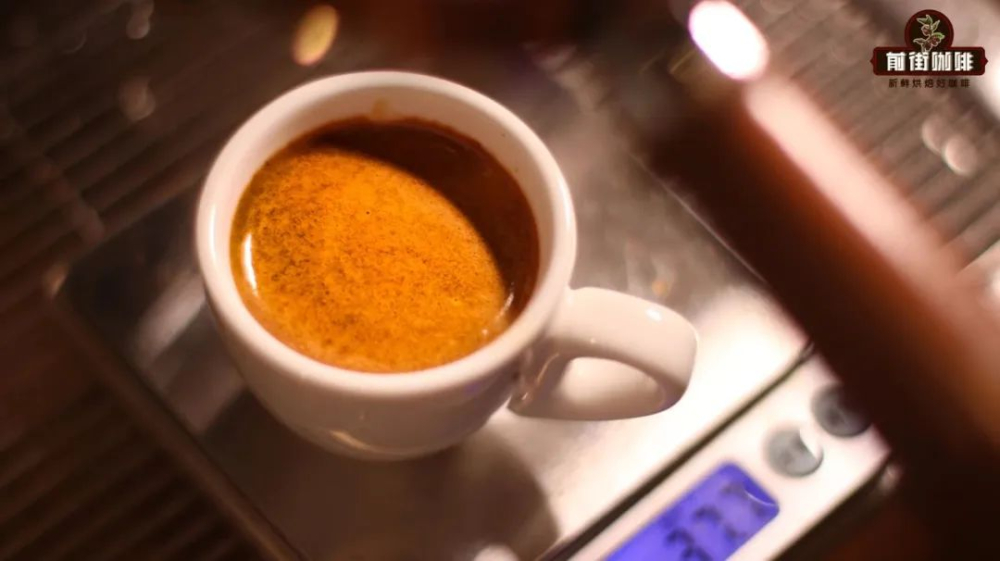
Generally speaking, a shop's espresso bean variety, dose, and output ratio are fixed. Take Front Street Coffee as an example: daily use is Sunflower · Warm Sun blend coffee beans, with a single espresso using 20 grams of coffee to extract 40 grams of liquid. For a hot americano, a ceramic cup of about 200ml is used, and 160ml of hot water is added to the espresso at a 1:4 ratio, with the water temperature slightly adjusted according to the weather or customer request. For an iced americano, the hot water is replaced with 90 grams of ice plus 160 grams of room-temperature water.
Under these conditions, the same americano from the same shop should theoretically not show much deviation in its main flavor direction and strength.
Baristas prefer to use Front Street Coffee's espresso bean series, which includes a classic blend rich in crema, a commercial blend suitable for shop production, a specialty blend with complex nutty aromas, and a highly cost-effective dark cocoa blend. Each one retains the foundational character of traditional Italian coffee while also showcasing its own features, making the americano rich and full-bodied on the palate.
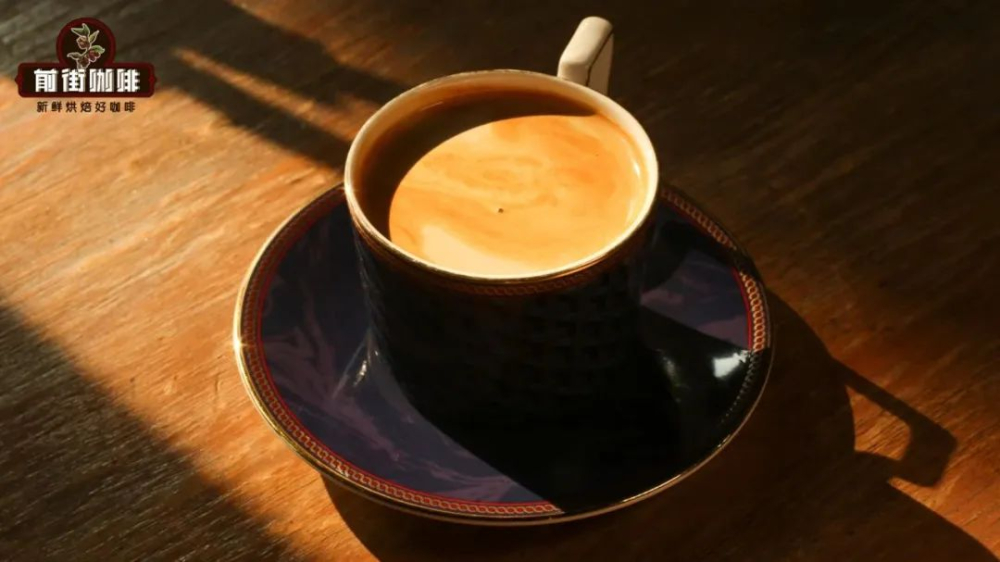
Since the beans haven't changed and the extraction ratio is fixed, then what exactly causes a café's americano to "change taste"?
1. Resting time
Everyone knows that freshly roasted coffee beans contain a large amount of carbon dioxide inside. The darker the roast, the looser the bean structure, and the more gas is trapped. These gases hinder the dissolution and release of flavor compounds to some extent.
If you use beans that have just been roasted for pressurized extraction, you will see a large number of bubbles rushing out with the coffee liquid. The espresso surface may look like it has a thick layer of crema, but in fact it is extremely unstable, with a rough or even clumpy surface, and it lacks a rich aroma when drunk. This is under-extraction caused by excessive gas. So if you want an ideal espresso, the resting stage cannot be skipped. Front Street Coffee usually places the roasted Warm Sun espresso beans in a cool place to rest for about 10 days before use.
Because roasted beans are constantly degassing, the taste of the espresso during use will also continue to change with the bean condition. Based on Front Street Coffee's experience, espresso extracted from day 10 to day 20 of the resting period has a larger proportion of crema, and the americano shows more of a raspberry-like bright acidity, along with vanilla, cream, and a slight fermented note; by day 20 to day 30 after roasting, the crema becomes noticeably thinner, and caramel, winey, and nutty late-stage flavor compounds begin to release more, making the americano taste richer and fuller.
2. Weather changes
Besides the beans' own condition, espresso extraction is also affected by air temperature and humidity. Once low pressure and high humidity rainy days arrive, or the returning south wind days that southerners dread most, when it is muggy and damp indoors and outdoors, baristas are simply overwhelmed when dialing in espresso.
The higher the indoor humidity, the more active water molecules there are in the air, and coffee beans that should be kept dry are more likely to absorb moisture. The ground coffee powder is also more likely to clump and stick to the grinder burrs and chute. Clumped grounds not only cause uneven extraction but also trigger channeling. Perhaps the previous shot was not bad, but the next cup shows heavier bitterness, off-flavors, or saltiness.
In addition, lower atmospheric pressure makes the coffee machine's pressurization effect weaker than usual, which is also why espresso coffee on rainy days often has insufficient aroma and a thin flavor. To avoid abnormal output, responsible baristas will keep paying attention to the extraction state of the espresso so they can adjust in time.
3. Hopper pressure
Filling the hopper is almost a fixed action for every barista before morning dial-in, with the purpose of providing a relatively stable pressure value to the espresso grinder, making the grind particle size more uniform and thereby reducing extraction errors.
Front Street Coffee once conducted a comparative experiment: when the beans in the hopper are less than one quarter, the grind becomes coarser as pressure decreases, causing the extraction time for a double espresso with the same dose to shorten by 3 to 5 seconds, and the taste differs greatly from the morning dial-in. So for baristas guarding the bar, if you want to maintain a stable extraction plan for the day, never wait until the hopper is almost empty before refilling.
4. Consecutive shots
When a grinder pulls consecutive shots, the high-speed rotating burrs generate heat, making subsequently ground coffee coarser or uneven in particle size, which in turn causes unstable espresso flow. On the other hand, rising burr temperature also accelerates the volatilization of flavor compounds in the coffee particles, while the puck temperature during extraction also rises, thereby reducing the viscosity of the brewed coffee.
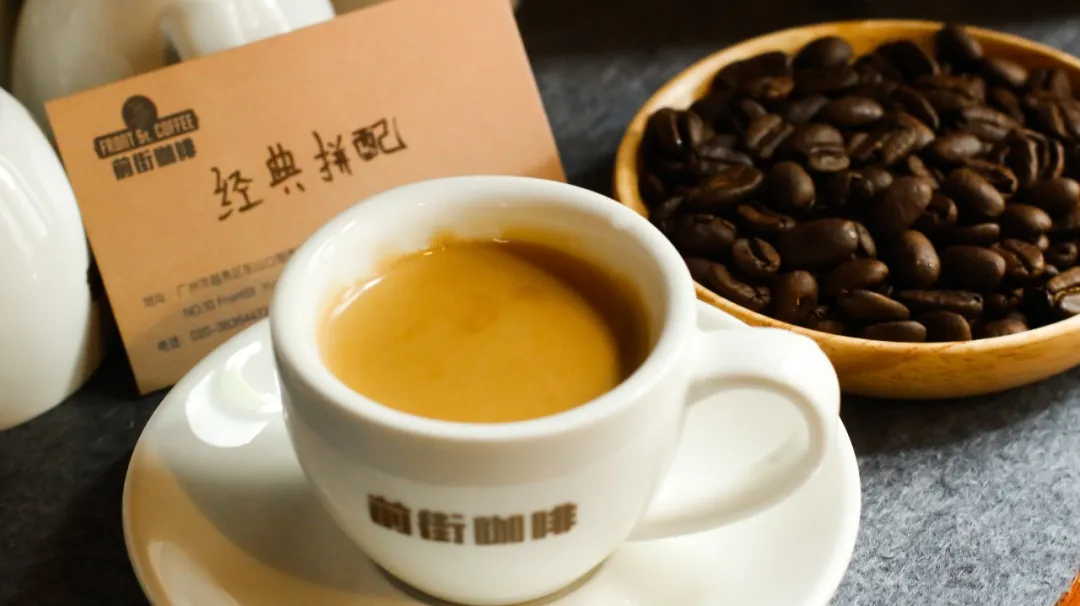
Of course, there are many other reasons for americano flavor deviations, such as a barista accidentally bumping the portafilter, inadequate distribution or tamping, over-extracting or under-extracting the coffee, failing to dial in parameters that match the beans' flavor... These easily overlooked details all test whether a barista's basic skills are solid.
Front Street Coffee says all this not to encourage everyone to nitpick baristas, nor to complicate simple concepts, but to offer different perspectives to help us understand the logic behind a delicious cup, feel the charm of the Italian coffee system, and appreciate the many possibilities contained in a cup of americano.
The above content is compiled by CoffeeHunters, a coffee news website.


