







Is Iced Americano Bitter Because of the Beans or the Bar?
An americano is simply espresso diluted with water, so when the same beans and recipe produce a different cup, the cause sits in that shot of espresso rather than the water. The same shop can serve a fruitier, refreshing iced americano one day and a harsher one the next without changing beans at all, which is exactly the feedback Front Street received from a customer this week.
Four overlooked variables drive the shift: the resting rhythm and continuous degassing of the beans, rainy and humid weather affecting grinding and pressurization, particle size drift caused by hopper pressure, and heat buildup from a grinder running non-stop. Tracking these against actual brewing parameters and bean-resting experience explains most flavor swings in a single iced americano.
The same shop, the same beans, yet the americano they produce often tastes like two completely different cups—Front Street's store received exactly this kind of feedback from a customer this week. The article begins with the minimalist essence of the americano as "espresso diluted with water": since the recipe is fixed and water has no flavor of its own, any variation can only come from that shot of espresso. It then breaks down four commonly overlooked variables one by one: the resting rhythm and continuous degassing of coffee beans, the interference of rainy and humid weather with grinding and pressurization, particle size drift caused by hopper pressure, and the heat impact from a grinder running non-stop, along with the actual brewing parameters and bean-resting experience for Front Street's Warm Sun beans, helping you understand the ins and outs behind the flavor fluctuations of a single iced americano.
"Did you switch beans? This americano tastes like..."
Whenever this sentence rings out at the bar, the barista's heart inevitably skips a beat, fearing that what follows will be complaints like "too bitter," "astringent," or even "undrinkable," and nervously wants to ask whether something went wrong. But after a moment's hesitation, the other person instead says: This cup is really delicious, it feels completely different from before! Only then does the barista's racing heart settle back down, and with a smile they reply: No change—it's still the same beans as always~
This Monday, this scene actually played out at Front Street's store. At the time, a customer holding an iced americano exclaimed: "This time the fruit acidity is more pronounced than last time, and it's very refreshing overall!" So here's the question: at the same shop, with the same beans, can the americano really show such obvious variation? And what factors are behind it?
As one of the most frequently ordered items in a café, the americano—convenient, quick, and affordable—meets most people's daily need for a caffeine fix. Making it takes only a few motions: grab a cup, add water, pour in the espresso, and for the more particular, add ice. Essentially, an americano is espresso diluted with water, and since water itself is colorless and tasteless, once an americano goes off, the "culprit" must lie in that shot of espresso.
Generally speaking, each shop's espresso beans, dose, and brewing parameters are relatively fixed. Take Front Street as an example: for daily use, they choose the "Sunflower · Warm Sun" blend, with a single shot extracting 40g of liquid from 20g of grounds; when making a hot americano, they select a ceramic cup of about 200ml and add 160ml of hot water at a 1:4 ratio, with the water temperature adjusted slightly depending on the weather or the customer's needs. For an iced americano, the hot water is replaced with 90g of ice and 160g of room-temperature water.
Under such a standardized framework, an americano made at the same shop with the same beans should theoretically show no significant gap in flavor profile or concentration. Taking Warm Sun as an example, a standard-compliant americano should carry the sweet aroma of vanilla and cream, fermented wine notes and cocoa, plus a hint of light fruit acidity, with concentration between 1.4% and 1.7%—refreshingly sweet and tart on entry, with a mellow, smooth coffee taste that isn't bitter.
But with no bean change and a fixed ratio, what exactly makes a coffee shop's americano quietly "change its taste"?
1. Resting Time
Everyone in the industry knows that freshly roasted coffee beans hold a large amount of carbon dioxide inside, and the darker the roast, the more porous the bean structure and the more gas is trapped, which to some extent hinders the normal dissolution and release of flavor compounds.
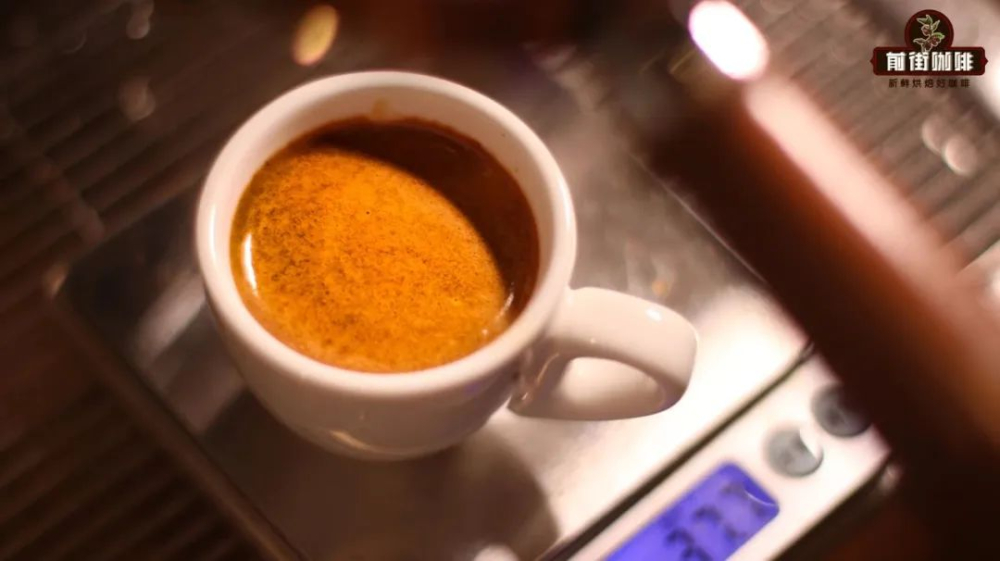
If beans just out of the roaster are placed directly into a pressurized espresso machine for extraction, you'll see a large number of bubbles surging out along with the coffee liquid; the layer of crema on the surface of the espresso looks thick but is actually very loose, rough in texture and prone to clumping, and lacking the mellow aroma it should have on the palate—this is exactly the under-extraction caused by excessive gas. So to make an ideal espresso, the resting step cannot be skipped; Front Street generally rests the roasted Warm Sun espresso beans in a cool place until around the 10th day before putting them into use.
Roasted beans degas continuously, and the espresso flavor drifts along with the beans' condition. Front Street's experience is: espresso made 10–20 days after roasting has an especially thick layer of crema on the surface, and the americano mostly shows a bright raspberry-like acidity, paired with vanilla, cream, and a slight fermented note; by days 20–30, the crema has become noticeably thinner, and back-end flavors like caramel, nuts, and wine notes begin to release more, making the americano taste richer and mellower.
2. Weather Changes
Besides the beans' own condition, how the espresso extracts is also closely tied to the temperature and humidity in the air. Whenever there's a stretch of low-pressure, damp, rainy weather, or the "return of the south wind" humid season that Guangdong friends dread, with indoor and outdoor air stuffy and damp, baristas find dialing in espresso especially headache-inducing.
Once humidity rises, active water molecules are everywhere in the air, increasing the risk of moisture invading beans that should stay dry, and the ground coffee is more likely to "clump" and stick to the grinder's burrs and chute. Clumped grounds not only cause uneven extraction but may also trigger channeling—perhaps the last cup was excellent, but the next one shows obvious bitterness, off-flavors, or even a hint of saltiness.
In addition, lower atmospheric pressure makes the espresso machine's pressurization performance weaker than usual, which is also why espresso made on rainy days often has a thin aroma and monotonous flavor. To avoid abnormal-tasting output, responsible baristas keep a close eye on the extraction state throughout, so they can make adjustments quickly.
3. Hopper Pressure
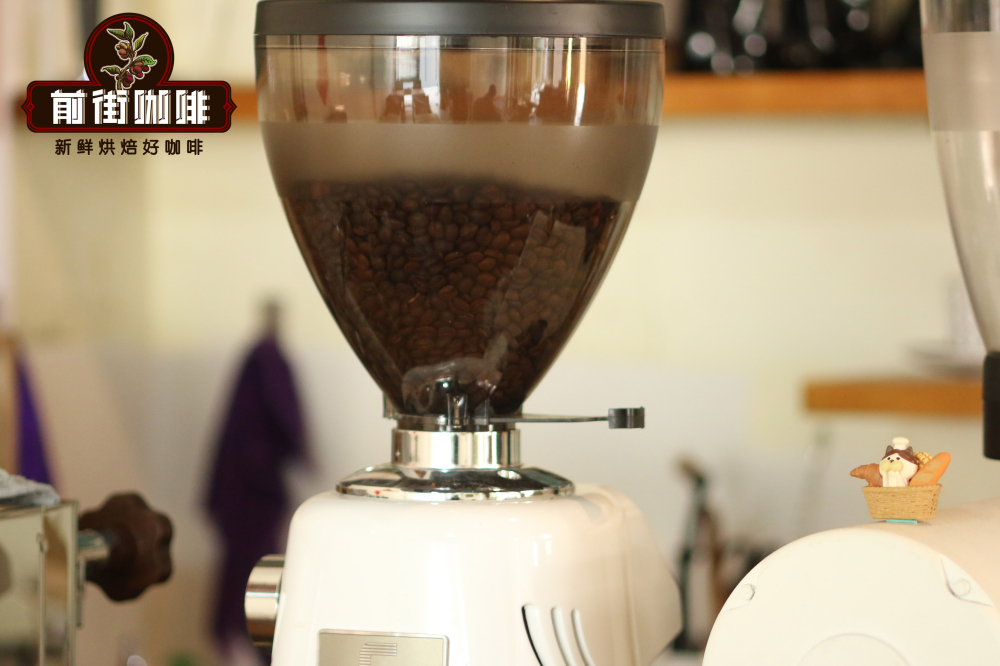
Filling the hopper before morning dial-in is almost a required task for every barista, the purpose being to keep the espresso grinder under a relatively constant pressure environment, making the grind particle size more consistent and thereby reducing extraction error.
Front Street once ran a controlled test: when less than a quarter of beans remained in the hopper, the drop in pressure value made the grind result coarser, and extracting a double shot with the same dose took 3 to 5 seconds less time, with flavor far from the morning dial-in performance. So, to ensure stable output and an unchanged recipe throughout the day, the barista at the bar must refill beans promptly—never wait until the hopper is completely empty to act.
4. Continuous Pouring
Once the grinder enters a non-stop cup-after-cup rhythm, the burrs spinning at high speed for a long time will continuously build up heat, making the grounds ground afterward coarser or uneven in size, and the espresso flow rate then loses stability. On the other hand, rising burr temperature also speeds up the volatilization of aromatic substances in the coffee particles, and since the puck temperature is also climbing during extraction, the viscosity of the finished cup is likewise compromised.

Of course, the reasons that throw an americano off course go far beyond the points above: the barista accidentally bumping the portafilter, inadequate distribution and tamping, extracting too much or too little, parameters failing to match the beans' characteristics... These easily overlooked details all test whether a barista's fundamentals are solid.
Front Street shares all this not to teach everyone to pick a fight with baristas, nor to deliberately make simple truths sound mysterious, but rather to help everyone, from a different angle, understand the craft behind a delicious cup, appreciate the unique charm of the espresso system, and explore the greater possibilities of a cup of americano.
The above content is compiled by CoffeeHunters, a coffee news website.


