








How to Make Coffee in a Coffee Machine: Adjusting Espresso on Rainy Days
Rainy weather makes espresso extraction harder to control, even for experienced baristas. High humidity causes coffee grounds to absorb moisture and clump, while lower air pressure weakens extraction efficiency. Together they create uneven extraction rather than simple under- or over-extraction. Front Street Coffee's testing shows that dehumidifying, sealed storage, and compensating with a finer grind or longer extraction time can help. This guide explains those adjustments and compares normal and rainy-day parameters for a classic blend.
Anyone who has made espresso knows rainy days are a challenge. On a good day, three or four attempts may be enough, but in wet weather baristas often taste cup after cup without finding balance. Even those who understand extraction well can struggle. The practical response is to check humidity and air pressure first, store beans in sealed containers, and expect to grind finer. These steps do not guarantee a well-balanced shot, but they improve the success rate when dialing in.
In rainy weather, espresso extraction often becomes especially tricky, and even experienced baristas may need repeated adjustments before they can get a satisfying cup. The root of the problem is not simply under-extraction or over-extraction, but uneven extraction caused by the combined effects of high humidity and low air pressure. Based on Front Street Coffee's hands-on testing experience, this article first analyzes the two major reasons espresso is hard to dial in on rainy days—surging environmental humidity causes coffee grounds to absorb moisture and clump, while lower air pressure weakens extraction efficiency—and then gives specific response strategies, including dehumidifying and moisture-proofing, sealed storage, and compensating for the amount of dissolved flavor compounds by extending extraction time or making the grind finer. The article also includes a comparison of parameters for Front Street Coffee's classic blend in normal weather and on rainy days for readers to reference when adjusting.

Anyone who has made espresso knows that producing espresso on rainy days is a nightmare-level challenge. On a good day, maybe three or four attempts are enough to calibrate it just like usual. But on most rainy days, baristas often have to taste cup after cup, drinking until they can barely take anymore, before they manage to make a barely acceptable espresso; if luck is even worse, they may not find that balance point no matter how they adjust.
Many friends have actually moved beyond the beginner stage and have a solid understanding of extraction, able to accurately distinguish the flavor differences between under-extraction and over-extraction. But even so, once rainy weather arrives, dialing in espresso well is still no easy task. Therefore, as long as the barista responsible for morning shift adjustments opens the curtains early and sees gloomy skies, they have to mentally prepare in advance for repeated adjustments.
So is there any method that can let us quickly calibrate espresso on rainy days? This is a question many readers often raise online and in the comment section of Front Street Coffee's posts.
To be honest, there is no universal formula that guarantees quick calibration, because the impact of rainy weather on espresso extraction involves multiple levels. However, we can indeed use certain methods to weaken these interferences and thereby increase the success rate of dialing in espresso. To do that, we first need to understand: why is espresso so hard to dial in on rainy days?
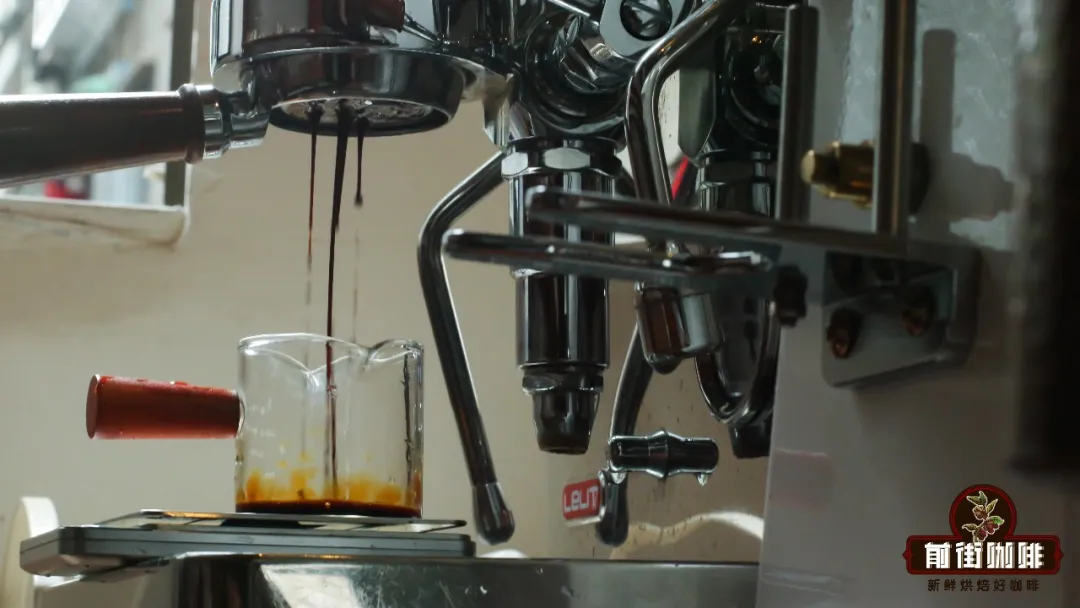
Why is espresso so hard to dial in on rainy days?
As Front Street Coffee mentioned earlier, even baristas with some foundation are prone to failure on rainy days. The fundamental reason is that the espresso problems encountered on rainy days are rather special, and many people cannot directly judge the root cause through taste or parameters. Because the coffee tastes neither simply under-extracted nor simply over-extracted, but instead carries both burnt bitterness and sharp acidity, while the aroma is especially thin.
Yes, this is typical uneven extraction. No matter how you adjust the grind size, this problem persists, and some older coffee machine models may even show no effect at all from grind adjustments. The core factor causing all of this is—excessive humidity.
Reason ①, humidity too high:
On rainy days, the moisture content in the air rises sharply, and relative humidity often exceeds 90%! This high-humidity environment first and foremost affects coffee beans and ground coffee.
Without sealed storage, coffee beans will absorb a large number of water molecules from the air, leading to the production of many fines during grinding. At the same time, because coffee grounds become somewhat sticky after absorbing moisture, they tend to cling to various parts of the equipment after grinding, or stick together and clump.
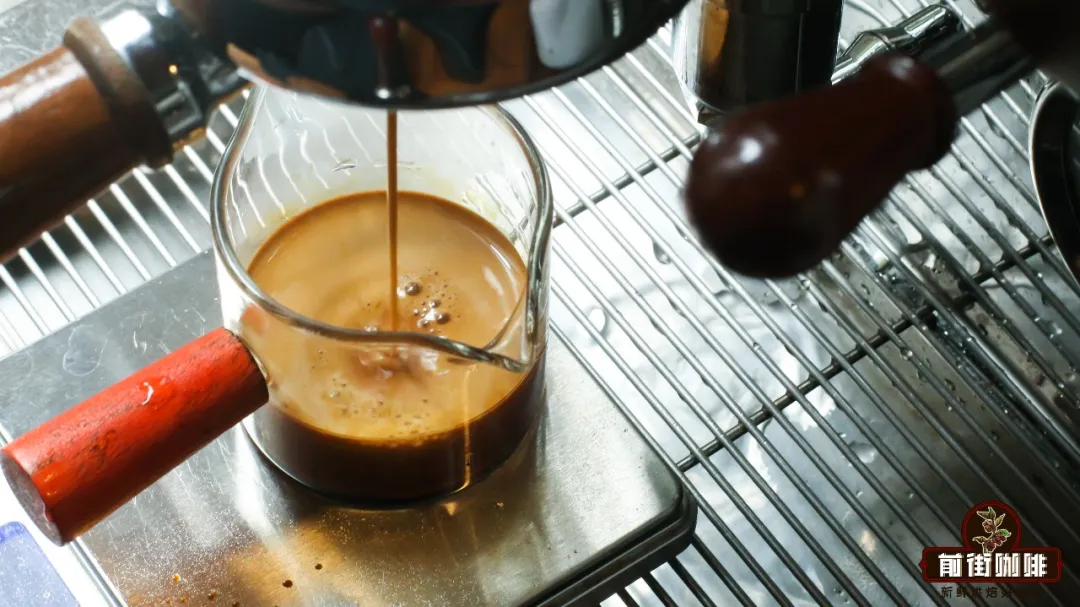
If coffee grounds adhere to the burrs of the grinder, then for some older grinder models, grind adjustment failure is very likely to occur. In other words, even if you make the setting finer, the particle size produced is about the same as before the adjustment. Unless you empty the bean hopper and let the machine run empty, you need to grind three or four more doses before the burrs enter the gap range you want to set.
And if the coffee grounds attract one another and clump together, then channeling is very likely to occur during extraction. Because the density inside the puck is not uniform enough, hot water under pressure will preferentially pass through paths with less resistance.
Front Street Coffee previously analyzed in an article on channeling that this causes over-extraction in the areas where hot water flows in concentration, while the coffee grounds in other areas are under-extracted, so in the end the espresso you drink is both burnt-bitter and sharply sour—essentially a cup of unevenly extracted coffee.
Reason ②, air pressure relatively low:
Second, the lower air pressure on rainy days also has an impact. Espresso extraction relies on pressure assistance, and in a low-pressure environment, the effective pressure difference generated by the espresso machine's pump narrows. For espresso extraction, pressure is the key "extraction driver," and a drop in pressure means the total amount of dissolved coffee substances decreases accordingly. So even if the parameters remain unchanged, the extraction yield of espresso brewed on rainy days is often lower, and the concentration is also less than ideal.
In addition, this environment also weakens our sensory acuity and the volatility of aroma, so the coffee performs mediocrely in mouthfeel and taste, and the aroma experience is also greatly reduced.
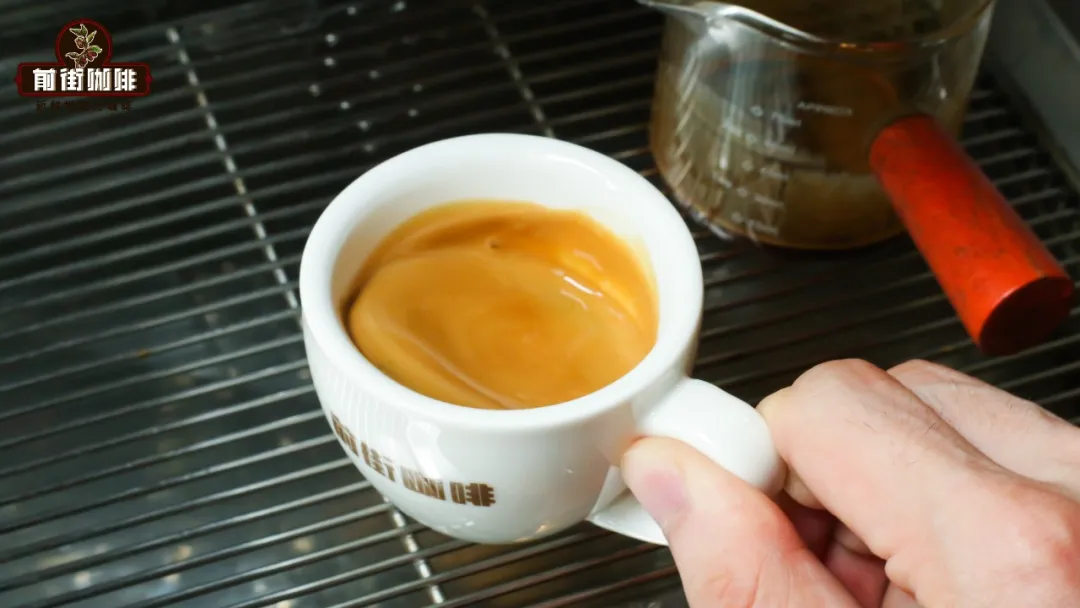
Under such conditions, if you want to quickly dial in espresso, you can start from the following aspects.
First, reduce the occurrence of channeling. There are many methods, but Front Street Coffee relatively recommends closing doors and windows and turning on a dehumidifier to bring down the moisture in the air. This can both reduce the number of clumped coffee grounds and lower the impact of coffee grounds on the grinder. Second, store coffee beans well; especially when the beans will not be used for a long time at night, you can put the coffee beans in the hopper back into the bean bag or a sealed container to reduce the chance of the beans contacting and absorbing moisture.
If all the above points are done well, what remains to be solved is the extraction-level issue. Front Street Coffee mentioned earlier that because extraction pressure decreases, extraction efficiency will decline somewhat. In this situation, you can appropriately increase extraction parameters, such as making the grind finer or extending extraction time, to dissolve enough flavor compounds.
Taking Front Street Coffee as an example, the espresso beans used by Front Street Coffee are Front Street Coffee's classic espresso blend from the Front Street Coffee bean list. It is a medium-dark roasted coffee bean, and the daily espresso extraction parameters are: 20g dose, 1:2 brew ratio, with extraction time controlled at around 30 seconds. The flavor expression extracted this way is chocolate, caramel, nuts, and cream, with a rich and silky mouthfeel and a long, sweet finish.
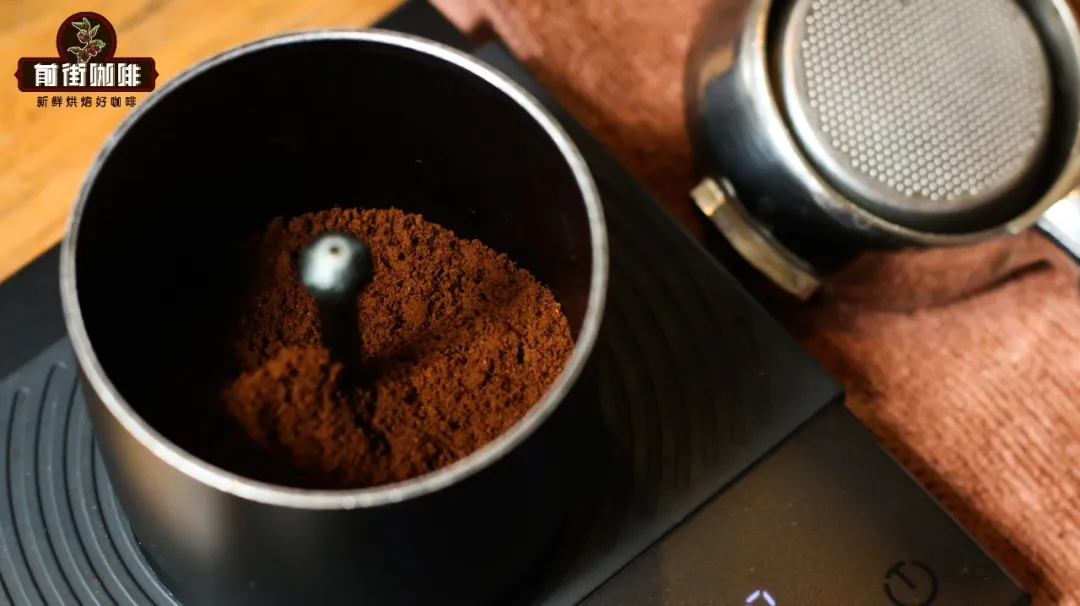
But on rainy days, we can slightly extend the extraction time on this basis. For example, keeping the dose and liquid weight unchanged, control the extraction time at around 35 seconds. This can compensate for the lost extraction efficiency and allow us to extract a sufficient amount of flavor compounds.
That is all for Front Street Coffee's sharing this time! You can use it as a reference and then formulate an adjustment plan based on the actual situation. It is worth mentioning that if, due to various limitations, you cannot use a dehumidifier indoors, Front Street Coffee happened to see a rather interesting method online, and will share it with everyone here...
Stuff a few packets of desiccant into the bean hopper... just kidding, that's all~~~
- END -
The above content is compiled by CoffeeHunters, a coffee news website.


