







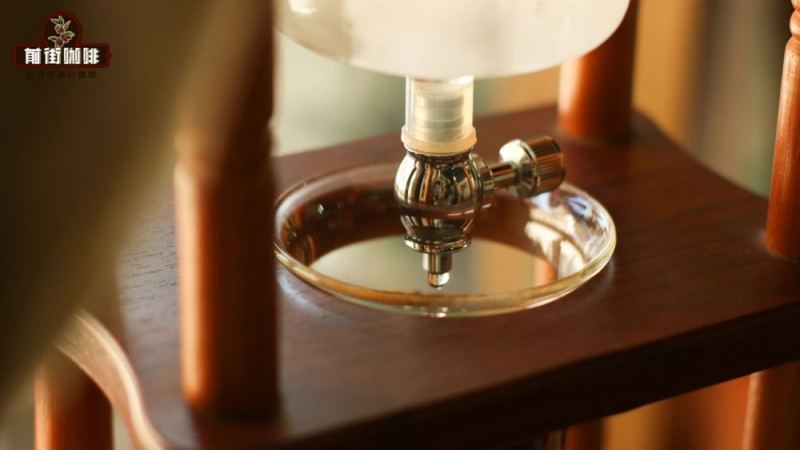
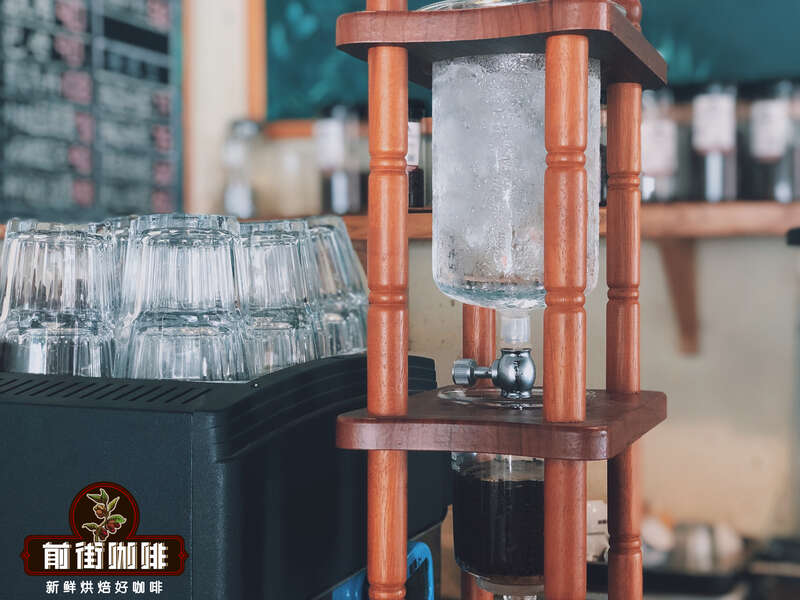
Before we know it, September has arrived again. I believe friends in the southern region are still battling the enthusiastic sun every day, and the weather is still quite hot. For coffee lovers, the refreshing drink that immediately comes to mind is none other than iced coffee. When you arrive at Front Street Coffee, the first thing you see upon entering is a coffee vessel that looks remarkably like a chemistry lab apparatus—many curious visitors can't resist getting closer to take a look. In fact, this vessel is used to makecold drip coffee. In this article, Front Street will explain what cold drip coffee is and how to makecold drip coffee.
The Origin of Cold Drip Coffee
It is said that cold drip coffee was invented by the Dutch, which is why it is also known as Dutch-style drip coffee. Unlike other brewing methods that require hot water, cold drip coffee is characterized by using ice water to extract coffee. Low-temperature extraction requires a longer time to dissolve the aromatic substances in the coffee.

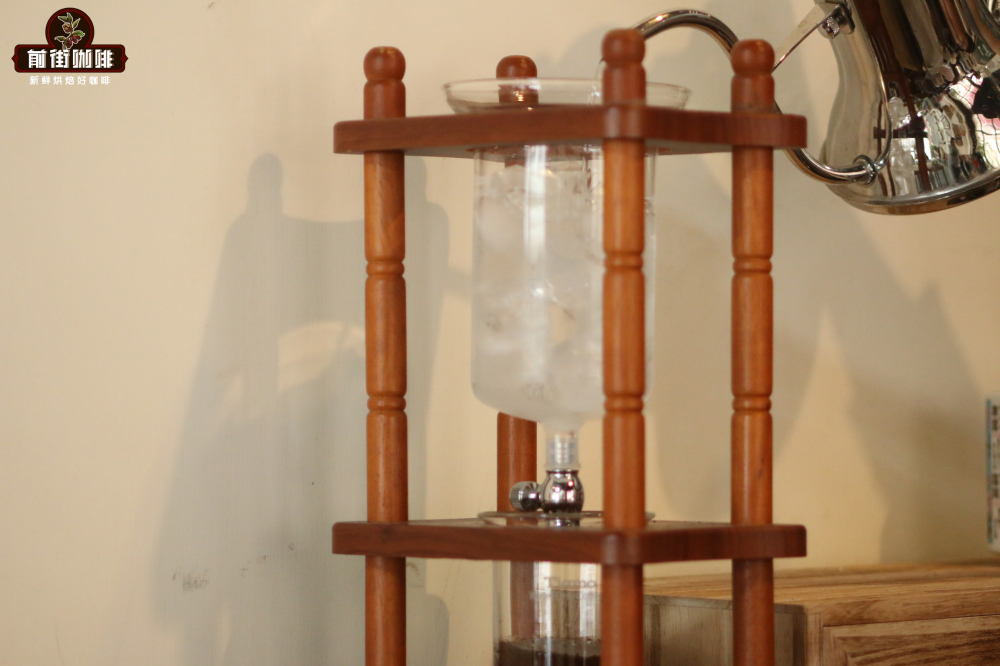
So using a dropper similar to a chemistry experiment, ice water is allowed to fall drop by drop, slowly soaking and penetrating through the coffee grounds. In the traditional cold drip coffee makers commonly seen, the dripping speed of the water can be adjusted.
What Is the Extraction Principle of Cold Drip Coffee?
It is a coffee brewed with time. Coffee brewed at different water temperatures will taste different, and at low temperatures, the astringent substances in coffee are even less likely to be dissolved out. Extracting with ice water over a long period, after extraction is complete, it is placed in the refrigerator to ferment. The slightly fermented cold drip coffee carries a faint fermentation aroma, and the mouthfeel tends to become fuller. Since it is not extracted at high temperatures, fewer impurities are extracted from the coffee, and the caffeine content is slightly lower.

What Is the Difference Between Ice Water Extraction and Hot Water Extraction of Coffee?
Temperature affects the breakdown rate of oils, acids, and sugars in coffee. Depending on how quickly this process occurs, the aroma, taste, and texture of the coffee vary greatly, so different extraction methods can produce coffees with different flavors and mouthfeels. High-temperature extraction causes the tannic acid in coffee to rapidly break down into pyrocatechuic acid, producing sourness, sweetness, and bitterness—what Front Street often calls the process of releasing coffee flavors. Water that is too hot can cause the coffee flavors to be fully released too early, and then it begins to release the flavor of the coffee bean's woody fibers—what we commonly call off-flavors, woody tastes, and other unpleasant flavors.

Low-temperature extraction involves prolonged contact between water and coffee grounds at low temperatures. Only smaller-molecule flavor substances, such as floral and fruity notes, are extracted, while larger-molecule flavor substances like smoky and roasted notes are difficult to extract. Therefore, cold brew coffee allows you to taste more of the coffee bean's own flavors, with a smooth mouthfeel, distinct layers, and a clear sweet aftertaste.
Tips for MakingCold Drip Coffee
1. Grind Size
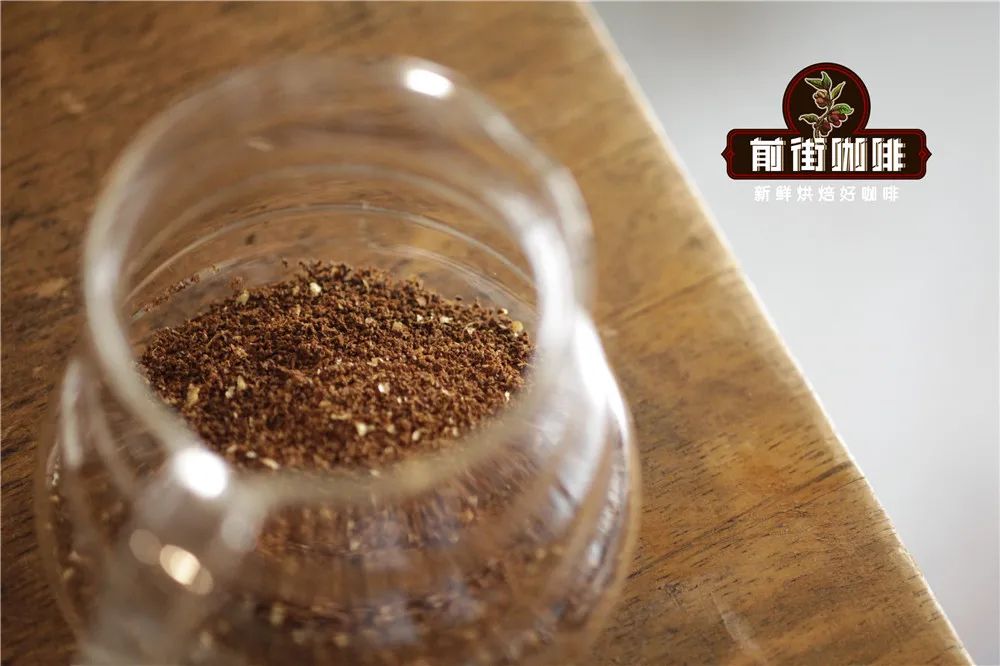
Just like with pour-over coffee, the grind size for making cold brew also requires attention. Too fine a grind creates excessive channeling, making it easy to over-extract and produce a bitter taste; too coarse a grind increases the likelihood of channeling, making it easy to under-extract and leave the coffee bland. Front Street recommends using a grind size slightly finer than pour-over coffee. Front Street uses a No. 20 standard sieve with a pass-through rate of 75–85% as a reference, which is roughly the coarseness of granulated sugar.
2. Coffee-to-Water Ratio
Is cold drip coffeerelated to the coffee-to-water ratio? Front Street recommends 1:10 to 1:12. Coffee extracted within this ratio range can be drunk directly, or diluted with ice cubes to a moderate concentration for tasting.
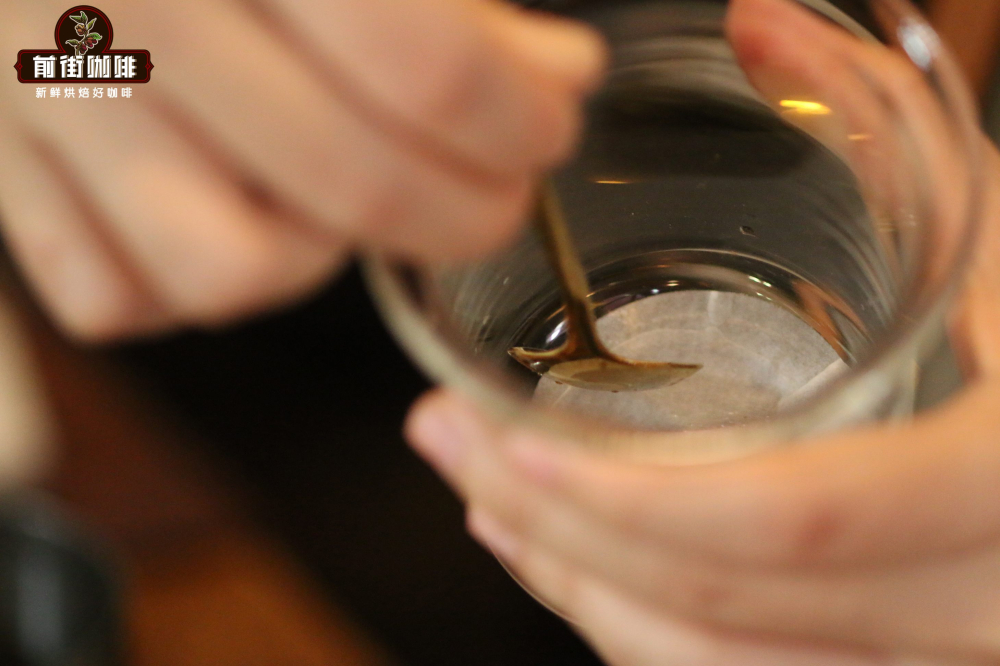
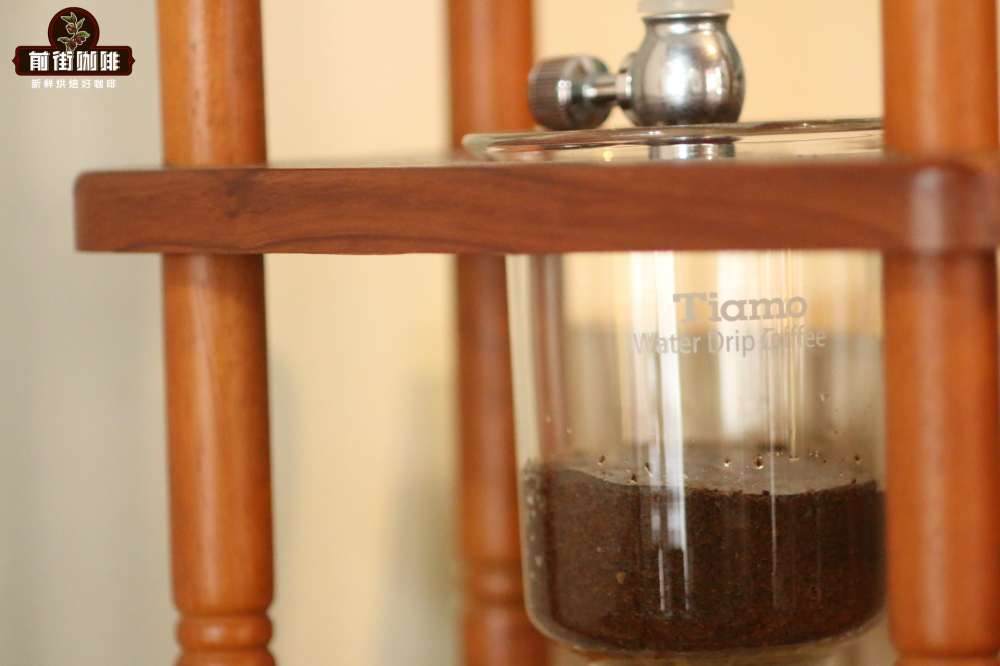
3. Before dripping, please pre-wet the coffee grounds, and remember to place a filter paper on top of the coffee bed.
Pre-wetting the coffee grounds allows the grounds to be in a water-saturated state before extraction, which facilitates the drip extraction. Also remember to place a piece of filter paper on top of the grounds—this filter paper allows water droplets to spread evenly over the coffee grounds, otherwise the resulting coffee may taste weak~
4. The brewed cold drip coffee tastes better after being stored in the refrigerator overnight.
Front Street generally soaks it the night before, controlled at about 12–14 hours. The next day, the coffee grounds can be filtered out to obtain the extracted coffee liquid. Front Street once forgot and let the soaking time exceed one day—the extracted coffee liquid was bitter and irritating. Everyone should also pay attention to controlling the extraction time to avoid waste. Additionally, the space where coffee is stored will absorb various odors from the air. If we store it in a household refrigerator, Front Street recommends choosing a container with good sealing to avoid affecting the flavor.

Why does cold drip coffeeneed to be placed in the refrigerator to ferment for more than 12 hours after drip filtration is complete? Is this process really called fermentation?
Actually, rather than calling this step fermentation, it would be better to say it is an oxidation process. Just like coffee beans that have just finished roasting, about 2% of their weight is carbon dioxide, and this large amount of carbon dioxide is released depending on the storage environment, equipment, or method, making the pressure inside the packaging higher than one atmosphere. The pressure helps the aromatic substances and oils merge, allowing all the aromatic substances inside the coffee bean to reach a state where they are easily extracted.
The same applies to cold drip coffee. Due to the long extraction time, many flavor molecules are extracted but not well released. So after cold drip coffee extraction is complete, put it in a sealed bottle and let it sit in the refrigerator for 12–24 hours, allowing the carbon dioxide pressure inside the bottle to release the flavor molecules. This is also why the longer cold drip coffee sits in the refrigerator, the richer it tastes. Of course, Front Street does not advocate keeping cold drip for a week—after all, there are bacteria in the air or in the bottle, and it is hard to guarantee the coffee's condition after long storage. The recommended drinking period for cold drip is within 72 hours. Once past 72 hours, do not feel it is a waste—drinking coffee stored that long is not beneficial either~
What Beans Are Suitable for Cold Drip Coffee?
Reading this, many of you might think that just finding a bean with a flavor you like is enough~ Indeed, that is the case—just use coffee beans you enjoy. Cold brew and cold drip coffee, due to their low-temperature extraction characteristics, can highlight the winey and fruity fermented notes in coffee, making them very suitable for flavor-forward coffee beans. Front Street believes that medium and medium-light roast coffee beans with rich floral-fruity aromas or fermented notes are suitable for making cold drip, such as the Costa Rica Musician Series and Honduras rum barrel-treated coffee beans.
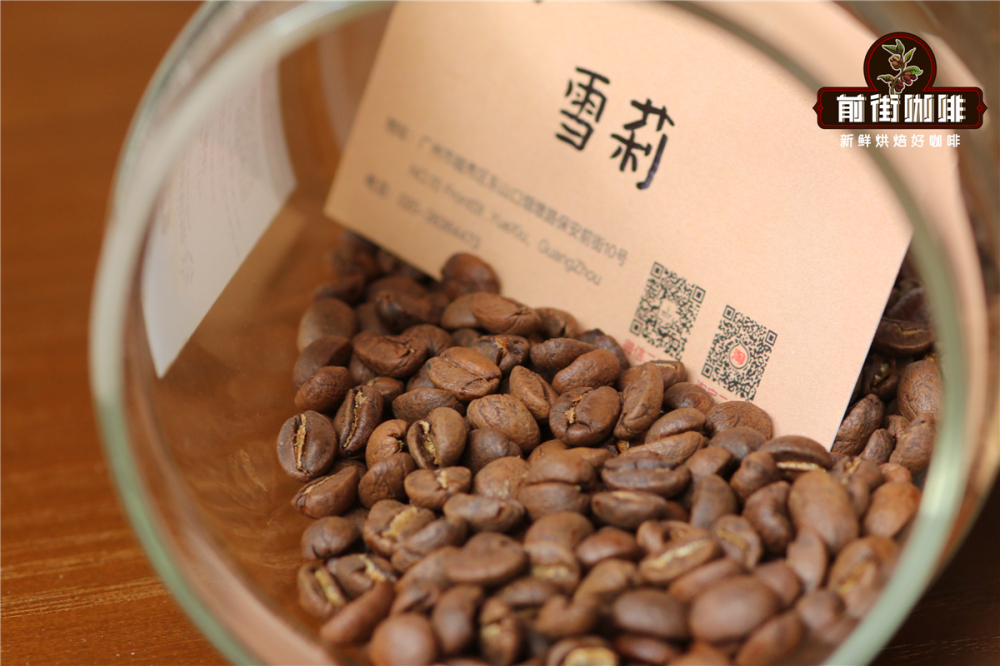
At Front Street Coffee, in order to make each cold drip coffee's flavor more prominent and balanced, baristas usually blend two coffees together to make cold drip. The purpose is to make the coffee more prominently showcase a certain flavor characteristic—one bean provides the aroma, and one bean provides the flavor. This time, Front Street will use a Geisha blend from Costa Rica's Mirazu Estate and Honduras whiskey barrel-fermented Sherry to make iced coffee for demonstration.
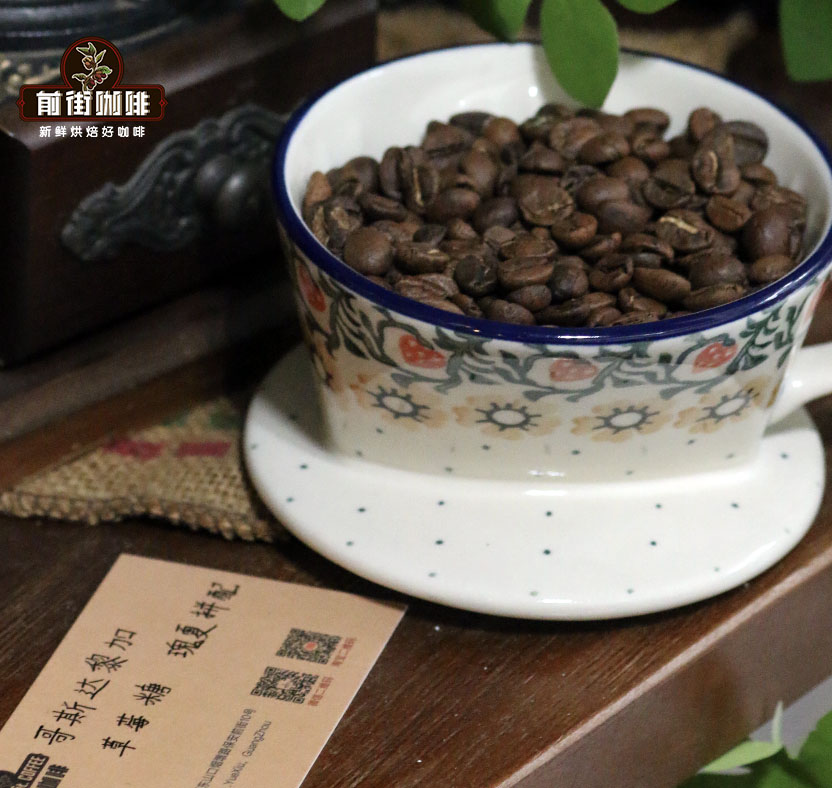
| Country | Costa Rica Geisha Blend | Honduras Whiskey Barrel-Fermented Sherry |
| Region | Mirazu | Marcala |
| Altitude | 1700m | 1500-1700m |
| Processing Method | Raisin Honey Processing | Refined Washed Whiskey Barrel Fermentation |
| Variety | Geisha ET47 SL28 MAICO | Caturra Catuai Pacas |
Front Street Coffee Brewing Parameters:
Coffee grounds: 60g (20g Geisha blend : 40g Sherry)
Coffee-to-water ratio: 1:10
Ice water 1:1 mixture, 600ml total
1. Place a circular filter paper at the bottom of the coffee grounds cup, wet it with water so it adheres to the cup wall, then add the ground 60g of coffee (Front Street Coffee uses a China standard No. 20 sieve with a 78% pass-through rate). Then shake to level the coffee surface. You can also use the weight of the tamper to lightly press the coffee bed to make the surface flat.
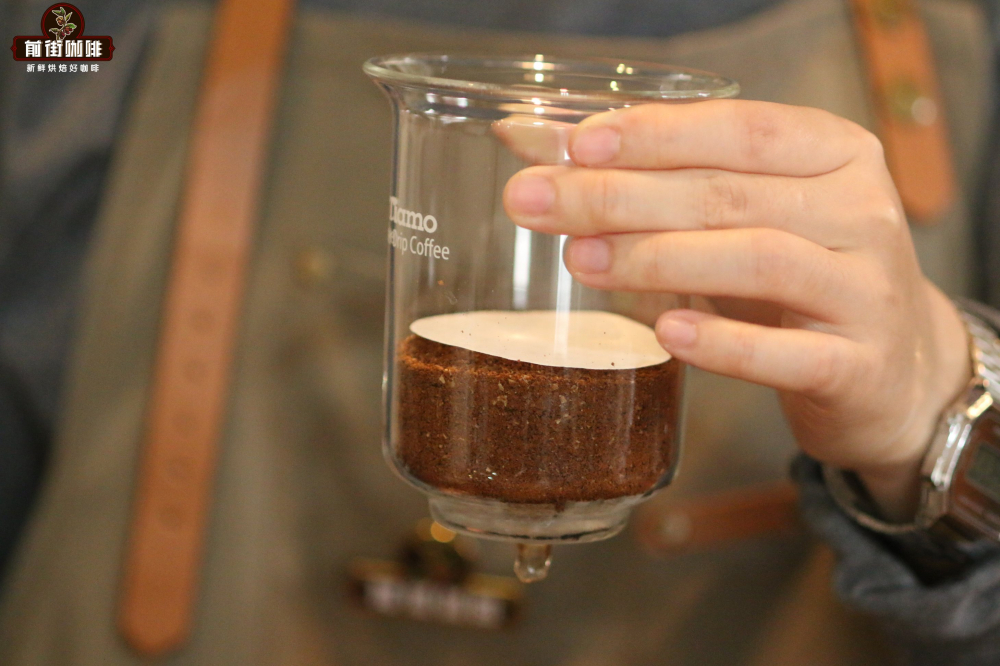
2. Lay a piece of filter paper on top of the coffee bed. The tension of the filter paper allows water to distribute evenly across the surface of the coffee bed for extraction. Without the filter paper, prolonged dripping will create a pit in the coffee bed, affecting subsequent extraction.
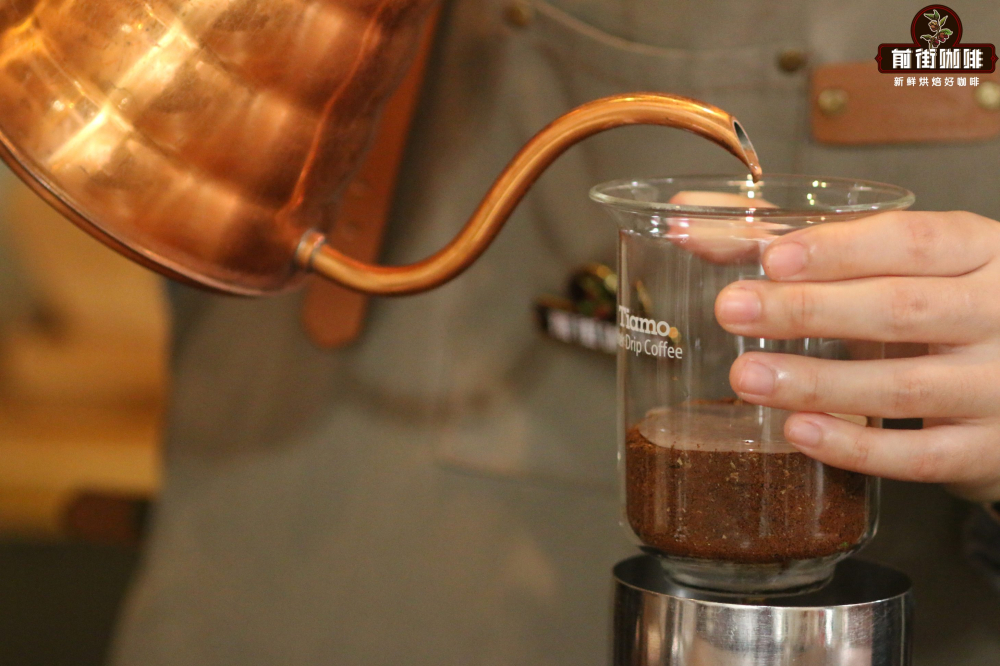
3. First, evenly wet the entire coffee bed with water for "pre-infusion." This step is like the blooming stage of pour-over coffee, which can improve extraction efficiency and consistency of the final product.
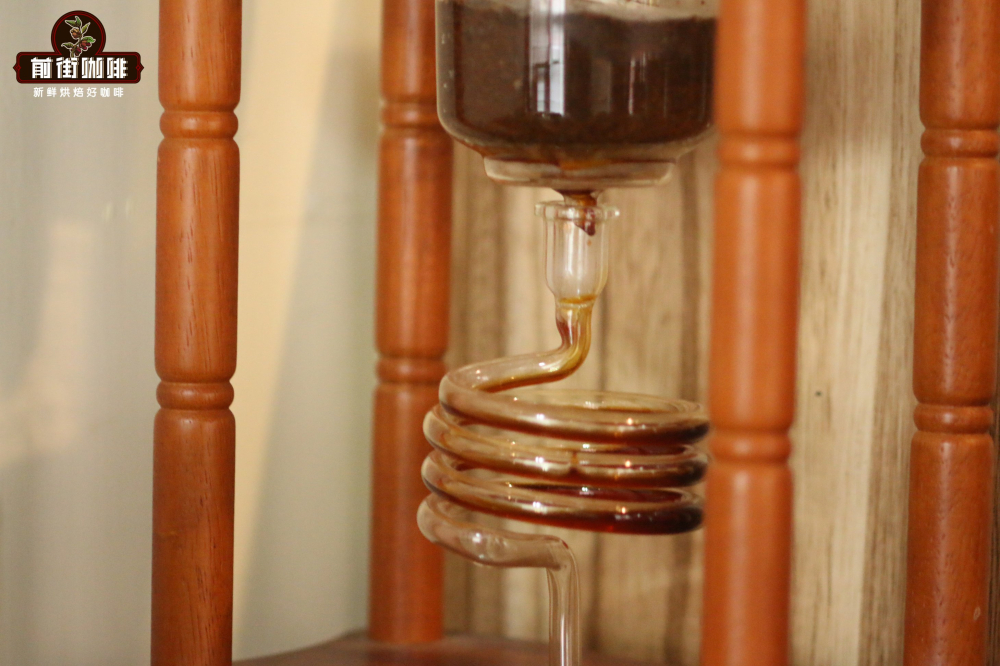
4. Add the 1:1 ice-water mixture to the upper chamber, then adjust the valve so the drip rate is approximately 7 drops per 10 seconds. It is best to place the cold drip device in a cool, dry place and avoid bumping it.
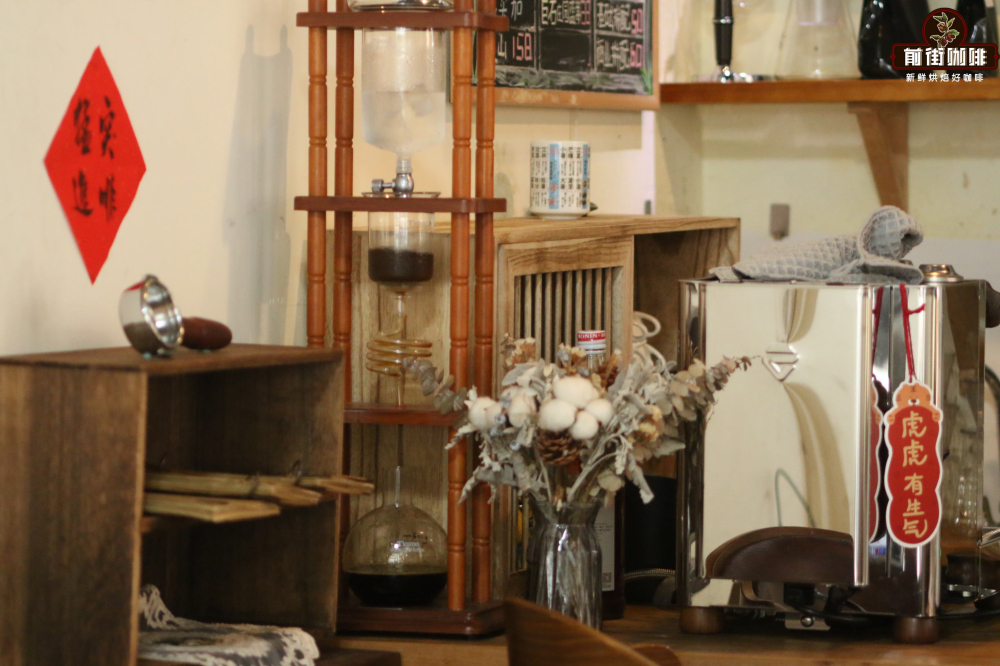
5. Pour the brewed coffee liquid into a sealed glass bottle and place it in the refrigerator to oxidize overnight, allowing the coffee flavors to meld together for a better mouthfeel.
For professional coffee knowledge exchange and more coffee bean information, please follow Coffee Workshop (WeChat public account: cafe_style)
For more specialty coffee beans, please add the private WeChat of Front Street Coffee: qjcoffeex
The above content is compiled by CoffeeHunters, a coffee news website.


