







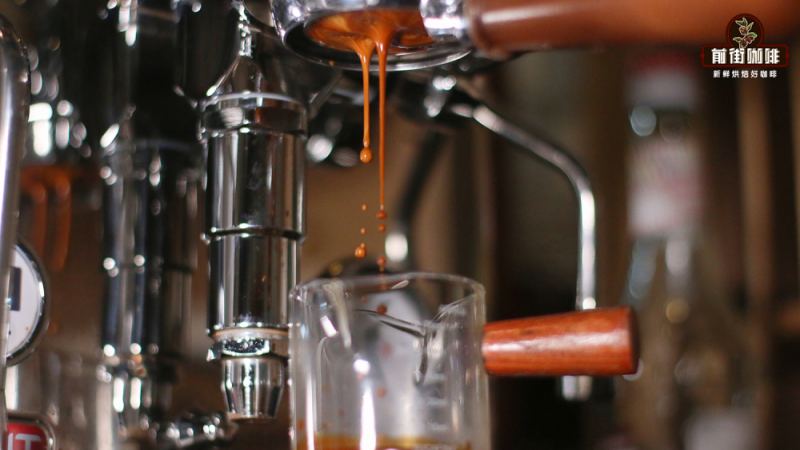
How does the espresso machine work with extraction ratios?
Espresso comes from Italy and is known for a short extraction and intense flavor, but the parameters need careful calibration. Grind size, water temperature, extraction time, and the coffee-to-liquid ratio all shape the final cup. The extraction ratio is the core variable, covering the relationship between coffee dose and liquid yield, and it usually falls between 1:1.5 and 1:2.5 for regular espresso.
Front Street stores choose 1:2. Grind coarseness changes flow rate and flavor, so dose, grind, and yield are adjusted when weather and bean condition shift. Roast level affects extraction stability as well. Blend coffee selections each carry their own flavor profile and reference recipe, which helps explain why parameter changes matter more than a single fixed formula.
Espresso is a coffee treasure Italy has contributed to the world, famous for its short extraction time and intense flavor. But making a good espresso is not easy—parameters such as grind size, water temperature, extraction time, and coffee-to-water ratio all need fine calibration. This article focuses on the core variable of extraction ratio, sorting out the logic of the ratio between coffee dose and liquid yield, the effect of grind coarseness on flow rate and flavor, and how to respond to changes in weather and bean conditions by adjusting dose, grind size, and liquid yield. It also explains the influence of roast level on extraction stability, and includes the flavor characteristics and reference extraction recipes of several Front Street espresso blends, helping coffee lovers understand the principles behind the parameters.
For more specialty coffee knowledge, please follow the WeChat official account: Front Street Coffee (FrontStreet Coffee)
Italy can be called a major center of coffee culture. Espresso spread from there to the world, becoming the most representative presence in the coffee system and a gift from Italy to coffee lovers around the globe. The characteristics of espresso are just as its name suggests—the preparation is short, the drinking pace is quick, and the taste is concentrated and intense. A small cup condenses the essence of coffee.
However, making espresso is far less relaxing than drinking it, and quite a few parameters need to be calibrated. Grind size, water temperature, extraction duration, coffee-to-liquid ratio, and so on all directly affect the final quality of espresso. Among them, the extraction ratio especially demands precision. Today, Front Street will discuss the secrets behind this parameter around the extraction ratio of espresso.
Coffee-to-Liquid Ratio
There is actually no fixed extraction ratio that applies universally; in practice, it must be adjusted flexibly according to specific conditions. But in the industry, there are often some commonly accepted conventions. Influential practices serve as references and gradually become general benchmarks. For regular espresso, the extraction ratio usually falls within the range of 1:1.5 to 1:2.5. Front Street stores choose 1:2.
The extraction ratio involves two variables: coffee dose and extracted liquid weight. In China, the ratio for single and double espressos is usually determined by the capacity of the portafilter basket on the espresso machine: a single dose is 8-9 grams, a double is 18-20 grams. Within 25-30 seconds, a single extracts 28-30 grams and a double extracts 30-40 grams of coffee liquid. The espresso machine at Front Street stores is paired with a 20-gram capacity double basket. When serving, 20 grams of coffee are dosed, 40 grams of coffee liquid are extracted, and then slight upward or downward adjustments are made based on that day's extraction performance.
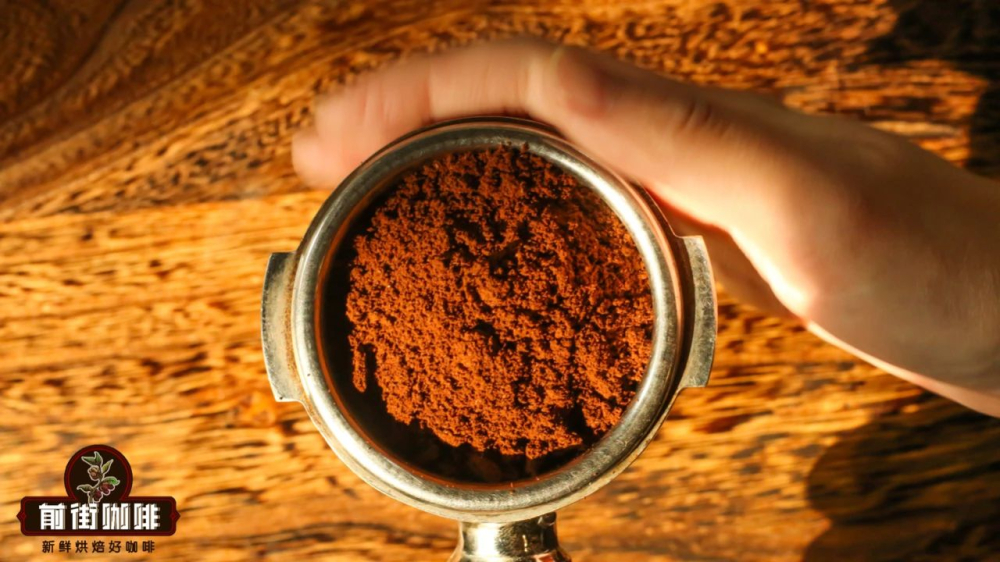
Increasing or decreasing the dose changes the compactness of the puck, which in turn affects the flow rate of the espresso. The more coffee there is, the tighter the puck, the slower the coffee liquid flow, and the longer it takes to extract the same liquid weight. Concentration also rises accordingly, and the extraction yield increases. Generally speaking, the speed of the flow and the flavor performance should be combined to judge how to make small increases or decreases in dose.
Grind Size Coarseness
In most cases, extracting a cup of espresso takes only a few dozen seconds. To fully release the coffee aroma in such a short time, the coffee grounds must be ground fine enough and evenly, which also means an electric grinder dedicated to espresso extraction is needed.
Espresso extraction magnifies coffee flavors exponentially, so the demands on grind size are extremely strict. Grind coarseness is difficult to judge by eye and is usually reflected in the flow rate and flavor of the espresso. When the grind is too coarse, the coffee particles are larger, the puck is looser, and the time for water to pass through the coffee bed is shortened, making under-extraction likely; the coffee tastes weak and sour. When the grind is too fine, over-extraction is likely, the taste is bitter, and the mouthfeel is sharp. In addition, espresso grinding is far finer than methods such as pour-over, so adjustments should not be too large; otherwise, the variables become too great and extraction becomes more unstable.
How to Adjust Extraction Parameters
Espresso extraction fluctuates with changes in air humidity brought by weather and with the condition of the coffee beans themselves. For example, rainy days are more humid than sunny days, and coffee grounds easily absorb more moisture, which then affects subsequent extraction. When extracting espresso, water temperature and pressure are usually rarely changed frequently and are generally fixed at certain parameters. For example, the espresso machine at Front Street stores uses 9 bar pressure and 94°C water temperature. Daily tuning mainly revolves around three parameters: grind size, dose, and coffee liquid weight.
For example, the extraction parameters Front Street used the day before were: 19.8 grams of coffee grounds, 38 grams of coffee liquid, and a time of 29 seconds. If the same dose is used to extract and 38 grams of espresso are obtained, but the time shortens to 26 seconds, that indicates the flow rate has become faster.
At this point, Front Street will first try increasing the dose by 0.1 gram each time to change the flow rate. When the dose is increased to 20 grams, the same liquid weight is extracted, and the time returns to 29 seconds, tasting the espresso shows no obvious bitterness, but the aroma is slightly flat, indicating the extraction is still insufficient. This shows that simply adding coffee is not effective enough, and it is necessary to switch to adjusting the grind size—at this time it should be made finer, so the particles are smaller and the flavor substances are fully released. Conversely, if the flow rate becomes slower, first speed it up by reducing the dose; if reducing the dose still does not work, then make the grind coarser. The direction of parameter adjustment is flexible. As long as you are familiar with the characteristics of the coffee beans and the espresso machine, quickly dialing in a delicious espresso is not difficult.
In addition, espresso extraction is also related to the roast level of the coffee beans. The lighter the roast, the harder the coffee bean texture, and after grinding into powder, the worse the water absorption effect. During extraction, channeling and sputtering are likely to occur, resulting in under-extracted coffee flavor. Therefore, if you want espresso to achieve stable extraction, Front Street Coffee recommends prioritizing medium roast, medium-dark roast, and dark roast coffee beans. Below, Front Street lists several espresso blend coffee beans according to different tastes. Everyone can purchase according to preference and needs:
"Front Street Specialty Blend Coffee Beans" 75 yuan/454g: Colombian washed coffee beans + Brazilian semi-washed coffee beans, with flavor notes of nuts, dark chocolate, and caramel.
"Front Street Classic Blend Coffee Beans" 33 yuan/100g; Brazilian semi-washed coffee beans + Indonesian Mandheling coffee beans + Vietnamese coffee beans, with rich coffee crema and a full-bodied mouthfeel;
"Front Street Strawberry Candy Espresso" 43 yuan/100g; Costa Rican coffee beans + Panamanian coffee beans + Ethiopian coffee beans, with aromas of roses, strawberry candy, and glucose. The fruity sweet-and-sour sensation is prominent, and the taste is pleasant.
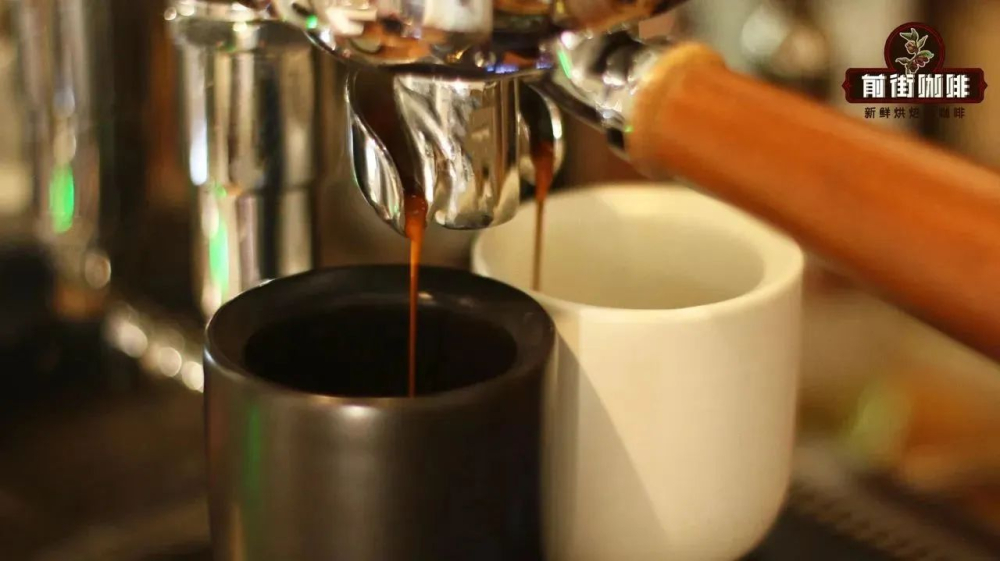
After adjustment, here is a normal espresso produced by Front Street for everyone's reference. Front Street uses its own roasted "Front Street Sunflower Warm Sun Blend Coffee Beans," blended from 30% Yirgacheffe natural and Honduras.
Front Street uses 20 grams of coffee grounds, follows a 1:2 coffee-to-liquid ratio, and extracts 40 grams of coffee liquid under 9 bar pressure, with the time controlled at 30 seconds.
The flavor of the espresso has rich vanilla and cocoa notes, with the tart aroma of berries. As the temperature drops slightly, creamy flavors begin to emerge, with a dark chocolate finish. Overall it is balanced, with a rich and smooth mouthfeel.
The above content is compiled by CoffeeHunters, a coffee news website.


