








How Does an Espresso Machine Behave in Humid Weather?
During Guangzhou's humid hui nan tian season, walls sweat and floors never dry, and espresso extraction turns unstable. Beans in the hopper absorb moisture and clump, water vapor disturbs grinding, and lower air pressure slightly reduces the machine's extraction pressure. The result is a weaker flavor and longer shot times than on dry days.
Three angles help: cut moisture exposure, solve clumping, and adjust parameters. On dry days with small day-night temperature differences, once parameters are calibrated in the morning they usually hold all day, but rain and humidity amplify deviations. Keeping doors and windows sealed and watching grind and dose keeps output consistent.
Guangzhou's humid "hui nan tian" season has arrived, with walls sweating, floors never drying, and coffee beans facing a moisture crisis. Soaring humidity directly affects the stability of espresso extraction: beans in the hopper absorb moisture and clump, water vapor interferes more during grinding, and lower air pressure slightly reduces the espresso machine's extraction pressure, ultimately making the flavor weaker and the shot time longer. How should baristas respond to such harsh weather? This article approaches the issue from three angles—reducing moisture exposure, solving clumping, and adjusting parameters—and combines Front Street Coffee's practical experience to offer concrete, workable solutions that help you pull a stable, delicious espresso even during the humid season.

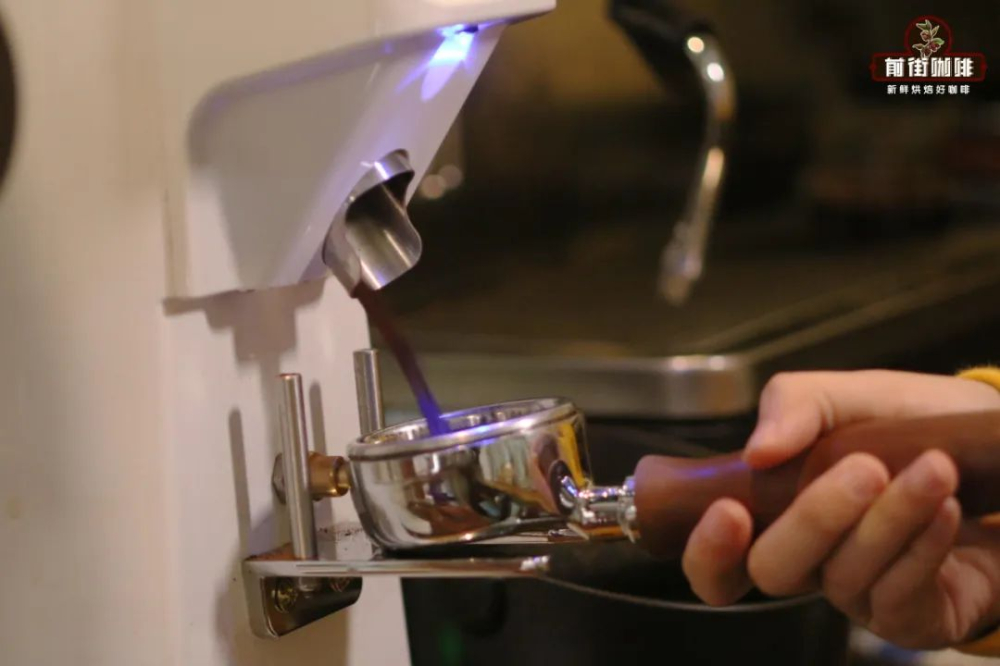
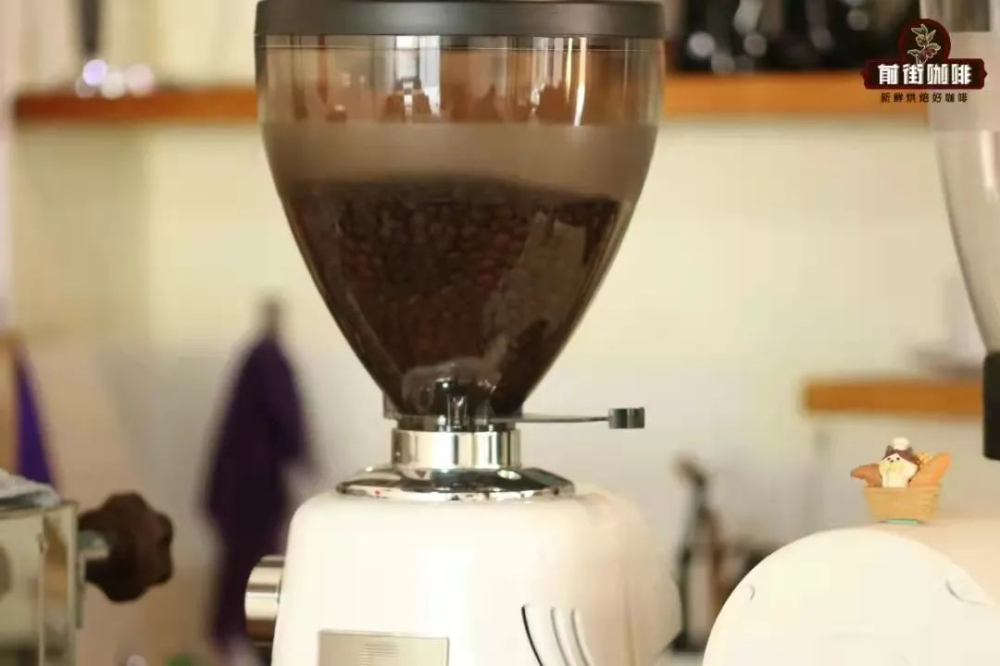
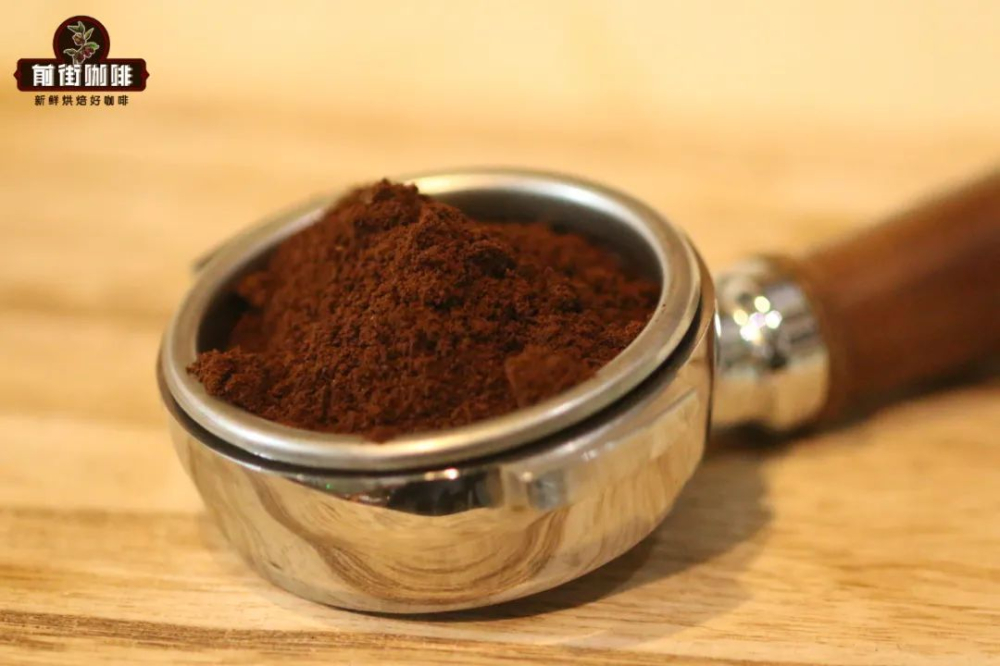
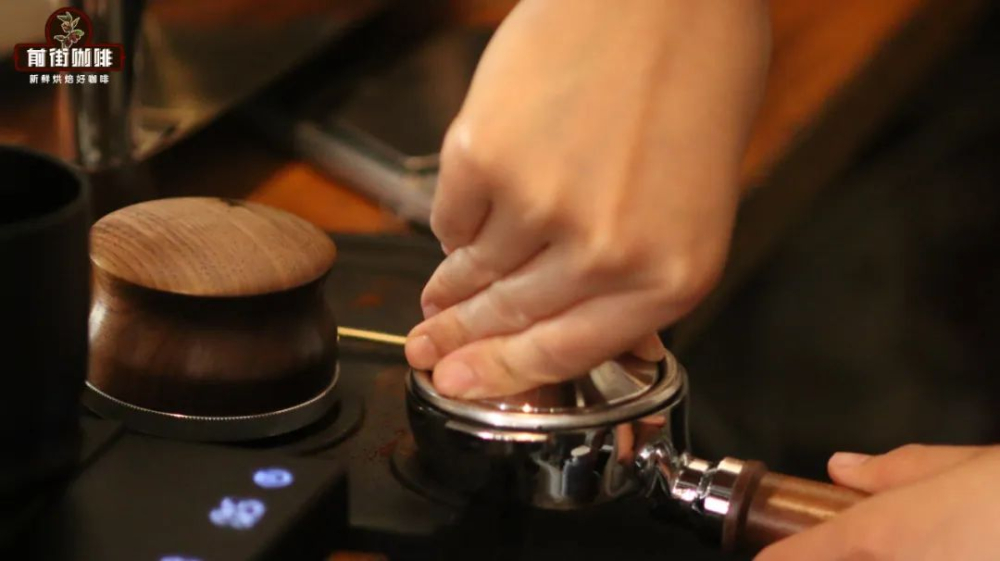
Guangzhou has once again entered the damp hui nan tian season, with water droplets covering the walls, floors that simply won't dry, and clothes that only get damper when left out to dry. For coffee lovers, though, the biggest headache is none other than coffee beans absorbing moisture.
What impact does hui nan tian have on espresso output?
Baristas who have stood behind the bar for years feel this deeply. On days with small temperature differences between day and night and dry air, espresso extraction is quite stable—usually, once the parameters are calibrated in the morning, there won't be much fluctuation throughout the entire day.
But once rainy days or hui nan tian hit, extraction deviations become noticeably amplified. The reason is that when ambient humidity rises, coffee beans in the hopper tend to absorb moisture, and the grinding process is also disturbed by water vapor, causing coffee grounds to clump and flavors to be lost. As a result, instability during espresso extraction becomes very likely.
There is also another factor that slightly affects extraction: the higher the humidity, the lower the air pressure, and the actual pressure of the espresso machine during pressurized extraction will be somewhat lower than usual. Therefore, the coffee extracted will taste lighter than normal.
So a stable set of adjustment methods must be found to ensure consistency in output.
So, when facing harsh weather like hui nan tian, what specifically should be done?
First, reduce the degree to which coffee beans absorb moisture as much as possible.
Keeping doors and windows tightly closed can effectively block outdoor moisture from rushing in. If conditions permit, a dehumidifier can be turned on to maintain indoor humidity.
Since humidity at night is usually higher than during the day, after business hours the coffee beans in the grinder hopper should be poured back into a sealed bag or sealed container for storage. The hopper should also be wiped down, because once water vapor mixes with residual coffee oils, it very easily produces an unpleasant off-flavor. Residual grounds in the burrs and the grounds discharge chute should likewise be cleaned out as thoroughly as possible.
Second, deal with the problem of coffee grounds clumping.
Freshly ground coffee usually clumps very little (unless the grinder itself is malfunctioning), and after leveling with a distribution tool, the extraction state remains stable.
But when clumping is severe, a distribution tool cannot truly "distribute the coffee grounds evenly." The clumped portions are still denser than the surrounding areas, so extraction naturally becomes unstable.
In this situation, the simplest solution is to distribute by hand and break up the clumped coffee grounds. If budget allows, you can also get a needle distribution tool, which can likewise achieve an even distribution.
Third, how to adjust for stable extraction parameters.
Because pressure is lower and humidity is higher, if you extract using your usual grind setting, water flow penetration will slow down, and extraction time will be longer than before. Front Street Coffee suggests the safest approach is to increase the dose while also coarsening the grind.
Coarsening can reduce the degree of coffee clumping and is also a means of controlling time; increasing the dose is intended to achieve more stable extraction.
Below, Front Street Coffee gives an example to make this easier to understand: normally, Front Street Coffee's extraction parameters are 19.5 grams of grounds yielding 35 grams of coffee liquid in 30 seconds (including 6 seconds of pre-infusion). When humidity is high, you can first increase the dose to 20 grams, still target 35 grams of coffee liquid, and adjust the grind setting to keep extraction time at 30 seconds. After that, decide whether further fine-tuning is needed based on specific flavor feedback.
Especially during a period of drastic weather changes like hui nan tian, adjusting once in the morning is not enough to stay stable all day—you must adjust at any time according to the actual extraction conditions. Here is a reference for everyone: if the extraction time differs by more than 3 seconds, you should recalibrate the grind.
The above content is compiled by CoffeeHunters, a coffee news website.


