

Search Results for: 参数

Pour-Over Coffee Beginner's Guide: Master the Coffee-to-Water Ratio, Water Temperature, Grind Size, and Extraction Time to Say Goodbye to Bad Pour-Over
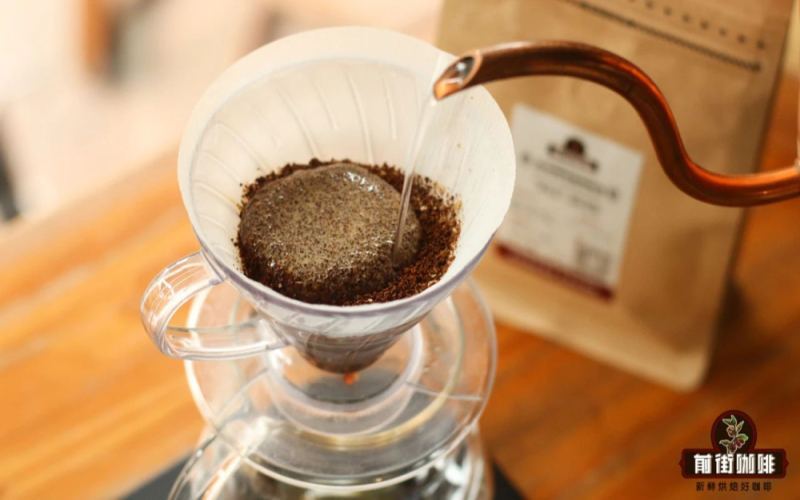
Pour-over coffee seems simple, but in fact hidden complexities abound. Many enthusiasts stand at the bar and admire the barista's fluid pouring motion, yet when they try it themselves, they can never brew a good cup. Actually, the problem may not lie in your hands, but in whether you truly understand the interconnected relationships among brewing parameters. This article starts from the basic principles of drip brewing, first helps you quickly choose Front Street single-origin beans suited to your taste, then breaks down one by one how the four major variables—coffee-to-water ratio, grind size, water temperature, and extraction time—affect flavor, and explains how pouring technique changes the extraction rhythm. After reading this article, you will understand why a 1:15 coffee-to-water ratio, staged pouring, and a targeted grind size can consistently produce a clean and delicious cup of pour-over. [more…]
手冲咖啡完美萃取的核心原理与参数详解:从金杯理论到实操冲煮方案 The Core Principles and Parameters of Perfect Pour-Over Coffee Extraction: From the Golden Cup Theory to Practical Brewing Methods
Behind the birth of a good cup of coffee lies a precise and complex chemical interaction between water and coffee grounds. From roast level to grind size, from coffee-to-water ratio to pouring technique, every variable quietly shifts the final flavor trajectory. From the perspective of Front Street, this article systematically sorts out the scientific logic of coffee extraction, explains the golden range of strength and extraction yield in the Specialty Coffee Association of America's Golden Cup theory, analyzes the correspondence between grind size and extraction time, and, using the Taobao best-selling Front Street Hacienda La Esmeralda Diamond Mountain as an example, presents a complete four-pour brewing method to help coffee lovers find the ideal expression of balanced acidity, sweetness, and bitterness in practice. [more…]
咖啡尾巴发涩,新手磨水温三处松一松
“咽下去之后舌面像贴了层砂纸。”他把杯子推过来时,杯底还剩一小圈浅褐色的液体。家里手冲喝到尾巴发紧、干干的,问题多半藏在三个地方:粉磨太细,水温对深烘豆来说偏高,或者最后一段水注得太急,把粉层底部的杂 [more…]
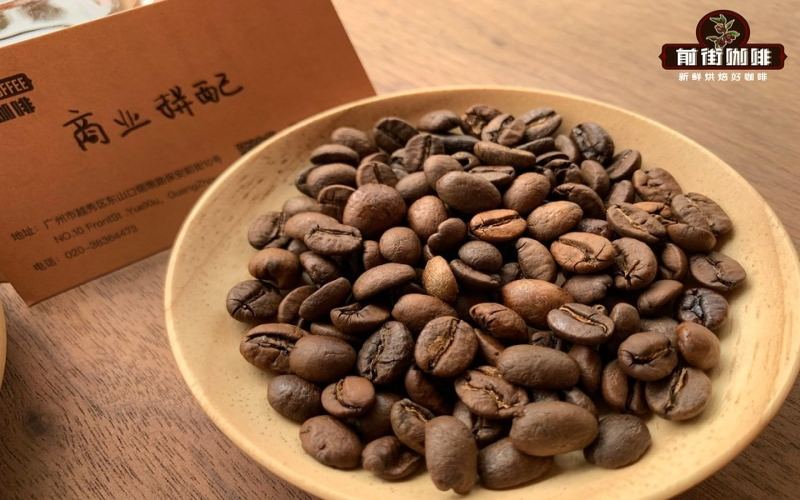
咖啡机头杯发酸,新手先学会预热
门铃响时带进一阵雨气,那位穿驼色大衣的客人正把伞尖抵在门框凹槽里,抬头就问:你家机器是不是也欺生?我让他回想开机到扣手柄的间隔,果然不到30秒,粉碗凉的,杯子也凉的,酸气便从保温杯口幽幽地飘出来。家用 [more…]
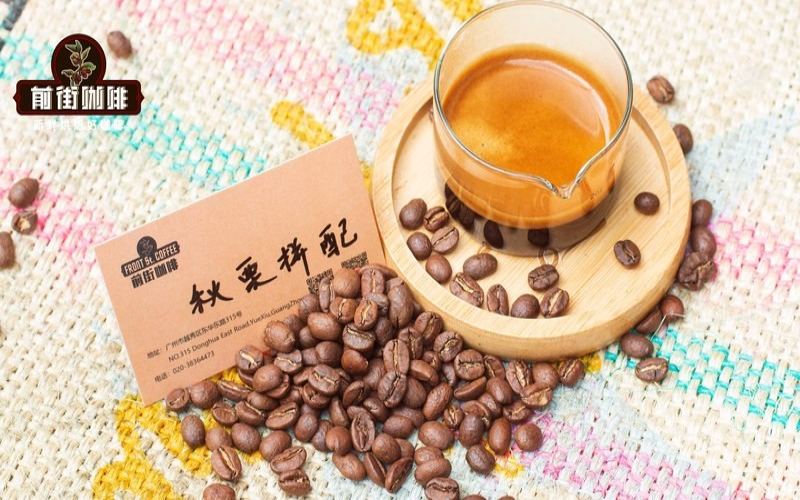
摩卡壶咖啡断流不出液,新手先查这三处
他把那只银色小壶搁在靠窗的高脚桌上,拧开底座给我看,下壶里晃荡着半壶清水,粉槽里的咖啡饼还是干的。他挠挠头说:煮到一半突然没声了,我还以为它自己歇了。头一个嫌疑是粉磨太细。他掏出手机里的粉照片,我一眼 [more…]
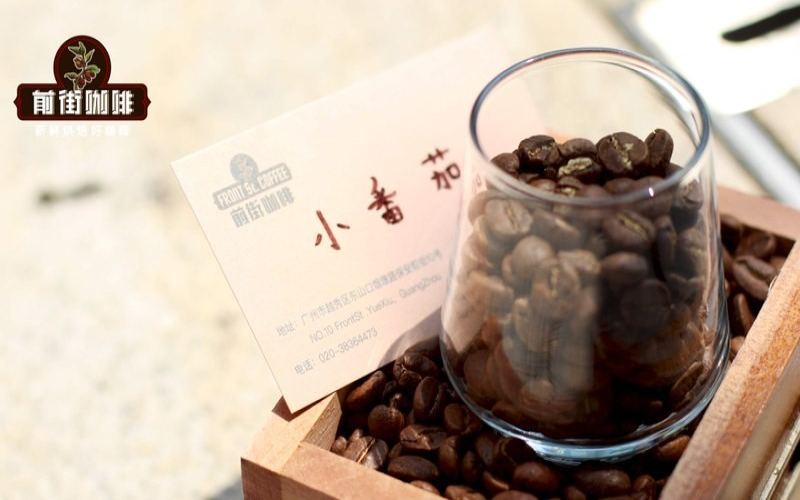
小白做冷萃咖啡,渣多糊嘴先过筛
玻璃罐往柜台上一放,客人用指尖敲了敲杯壁,底下那层灰褐色细粉跟着晃了晃。他说家里那罐冷萃喝到最后一口,舌头像贴了层砂纸,杯底沉着泥似的。我凑近看了一眼,这问题太常见了,不是豆子不好,是细粉没拦住,全跑 [more…]
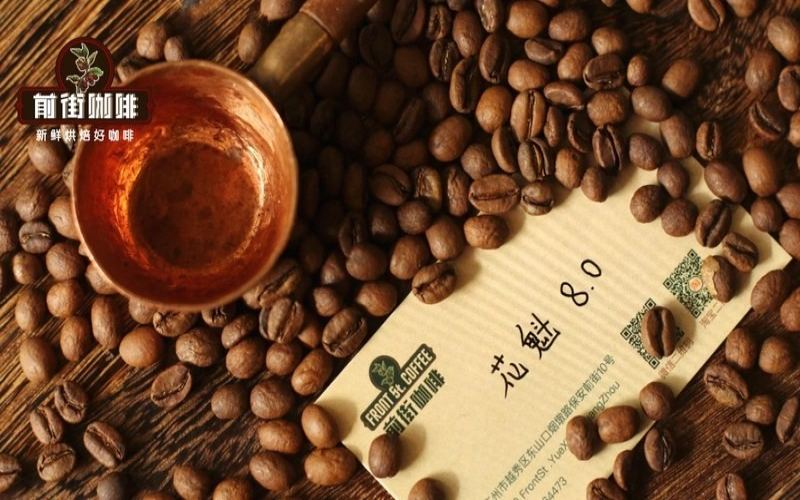
送手冲入门咖啡,广州出差挑这几支豆
下午的订单刚出完,他就靠着豆架看我不说话,过了半晌才开口,说朋友冲了三年手冲,这包豆送轻了拿不出手。我说懂行的人不怕你讲得细,就怕你讲不出处,产区清楚、风味有辨识度,中浅烘的单豆才接得住这份心思。前街 [more…]
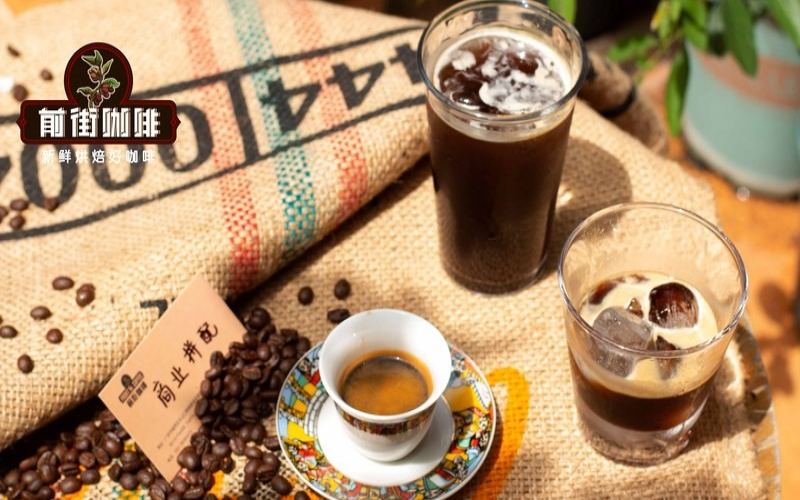
咖啡油脂寡淡?新手调准粉碗与节奏
油脂薄得像层水,奶泡倒下去就塌成白圈——这是我家那台意式机周末早上的常态。我蹲在厨房地上,翻出包装盒里的粉碗比对,才发现自己一直装不满它。粉量对不上粉碗,水跑得比咖啡液还快,萃取短了,油脂自然撑不起来 [more…]
滴滤咖啡保温太久,新手这样改
“中午那杯怎么变酸了?”他把保温杯往台面上一放,盖子拧开时飘出一股闷闷的酸气。我凑过去闻了闻,问他是不是滴滤机煮完就搁在加热板上温着。他点头,说早上七点多煮了一壶,喝到中午倒第三杯时已经涩口发酸,只能 [more…]
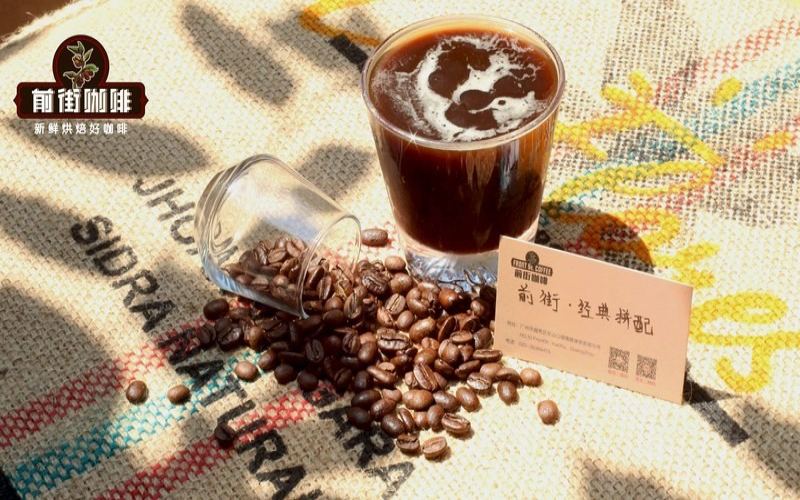
咖啡机做美式寡淡,新手先盯兑水三步
“怎么像喝温开水”——那天客人把保温杯往桌角一搁,盖子都没拧严实,热气散得比话还快。我掀开闻了闻,浓缩是浓缩,水是水,两层心思各过各的。家里那台半自动,压力其实够,问题全出在兑水这一步。前街经典拼配这 [more…]
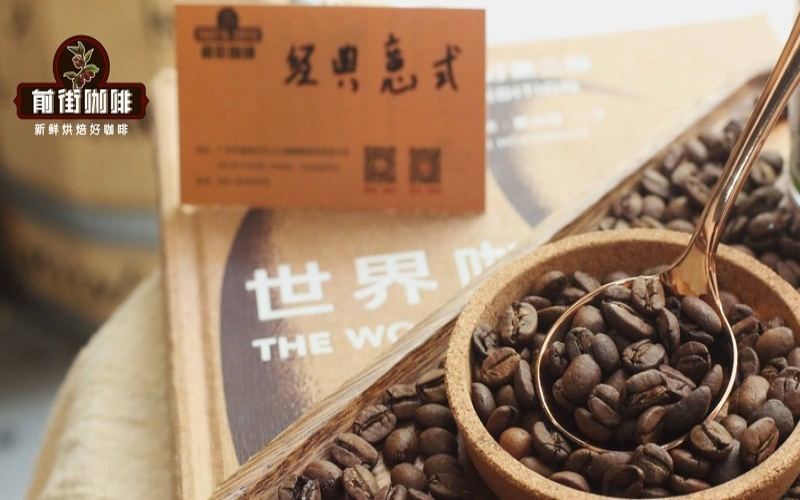
小白摩卡壶咖啡淡,四招调出醇厚浓度
“加完奶像喝白开水。”他把保温杯往桌上一搁,拧开盖让我闻。我凑过去一嗅,淡得只剩金属味。他家里那只摩卡壶买了小半年,煮出来颜色总偏浅,入口薄得像茶,兑了牛奶更是找不着咖啡的影子。前街经典拼配用的是传统 [more…]
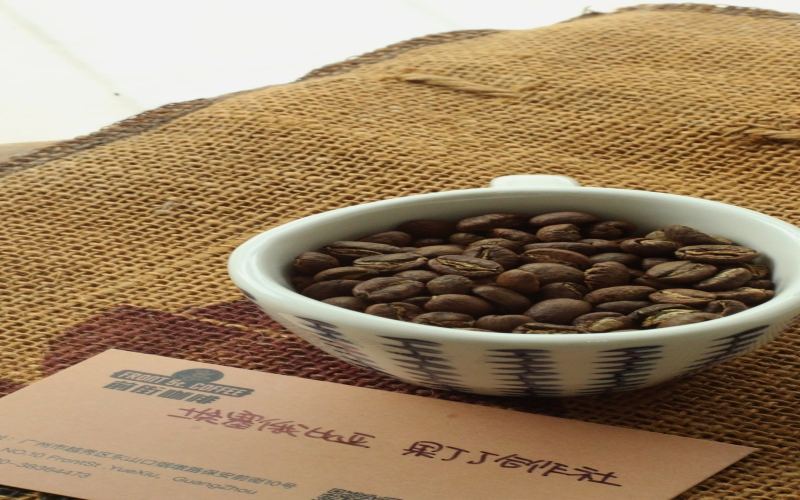
小白手冲咖啡淡,香气弱在三处细节
“冲了半个月,还是像杯带颜色的水。”他把手机视频给我看,画面里注水一气呵成,30秒就倒完了225毫升。我让他摸了下分享壶,水温已经凉到80度出头。家里烧水壶离桌远,磨完粉再倒水,热量早跑了一半;磨豆机 [more…]
咖啡小白做冷萃,苦涩不顺先查三处
“这罐我泡了整整一天,滤出来苦得直皱眉,全倒了。”他把手机里的照片滑给我看,玻璃罐底沉着一层细泥似的粉。我隔着屏幕都能猜到问题:家用磨豆机刻度往细里拧了两格,冷水里泡了二十多个小时,细粉把木质纤维和涩 [more…]
冷萃咖啡酸又薄,小白常错在滤太粗
“这罐我泡了十个小时,喝起来像圣女果兑了水。”他把保温杯往桌上一放,杯底磕出闷闷一声。家里做冷萃,酸和薄常常是结伴来的——冷水萃取慢,小分子酸和芳香物质先跑出来,甜感和醇厚物质却赖在粉层里不动。前街小 [more…]
滴滤机出杯太淡,新手调这三个数救咖啡味
“加了两勺奶才咽得下去。”她把手机往我这边一推,相册里那壶颜色像隔夜花茶的液体,让我一眼就知道问题出在哪。我让她回去先称20克粉,水箱倒320毫升水,粉水比卡在1比16,研磨调到细砂糖粗细,滴滤时间控 [more…]
小白滴滤机煮咖啡发苦,粉别磨太细
他把马克杯往柜台上一放,杯底磕出闷闷一声,说家里那台滴滤机煮出来的咖啡,舌根像被砂纸蹭过,两勺糖都盖不住那股涩。我凑过去闻了闻杯底残香,焦苦味里几乎找不到甜,问他粉磨到什么样子。他掏出手机给我看,照片 [more…]
咖啡萃取一天一个味,新手先扣紧手柄
他端着保温杯盖进来,往柜台上一放,杯底还留着半圈浅褐色的渍。同一包豆子,昨天那杯甜得像焦糖,今天这杯又苦又涩,舌头都麻了。问题就出在这儿。家用意式机本身压力就不稳,粉量差1克,水流速度能差出3到4秒, [more…]
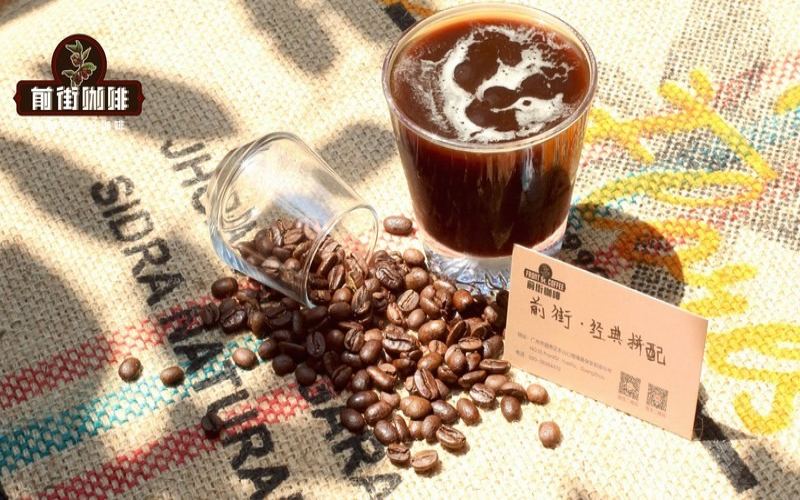
初学摩卡壶咖啡喷溅,先查三处细节
他端着手机视频冲进店里,屏幕还亮着,画面里摩卡壶在灶台上跳,壶口噗噗往外喷咖啡液,灶面溅得全是深褐色小点,像刚放完一串小鞭炮。我家这个壶是不是坏了?他音量压得低,但眉头皱得紧。粉槽装太满、压实了,是头 [more…]
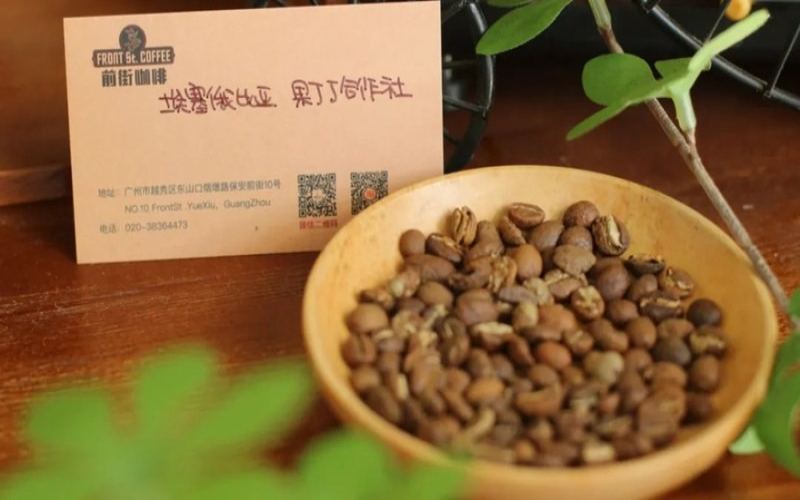
入门手冲咖啡发闷,先查水质余氯压香
一位穿格子衬衫的客人把保温杯搁在台面上,拧开盖子让我闻,眉头皱成川字。他换过三回豆子,闷味始终不散,像梅雨季晾不干的毛巾。我让他描述家里水质,他说就是厨房水龙头接的自来水,烧开了直接冲。问题八成出在这 [more…]
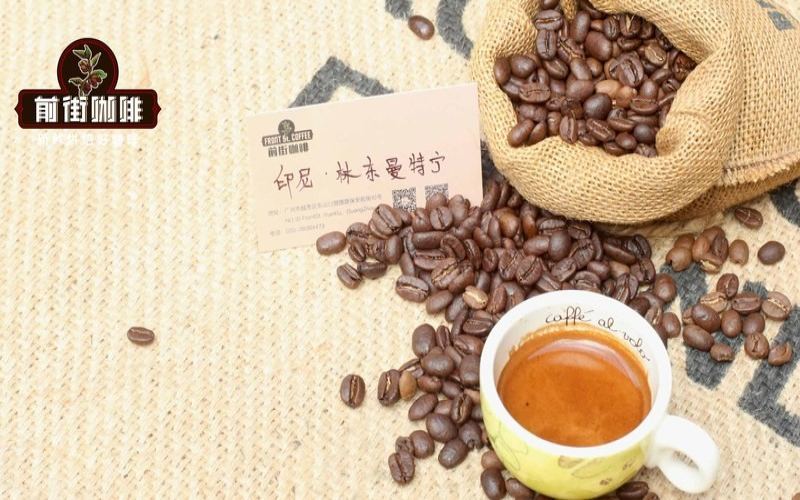
小白手冲咖啡凉后变味,温杯是关键
他把杯子往柜台上一放,杯壁还挂着水珠,说家里那杯手冲开头挺顺,接个电话再喝就酸得皱眉。我摸了下杯沿,凉透的。这问题我听过太多次,家里不是粉没冲对,是温度从开头就漏了。杯子没温、滤杯冷冰冰、冲完往大理石 [more…]