







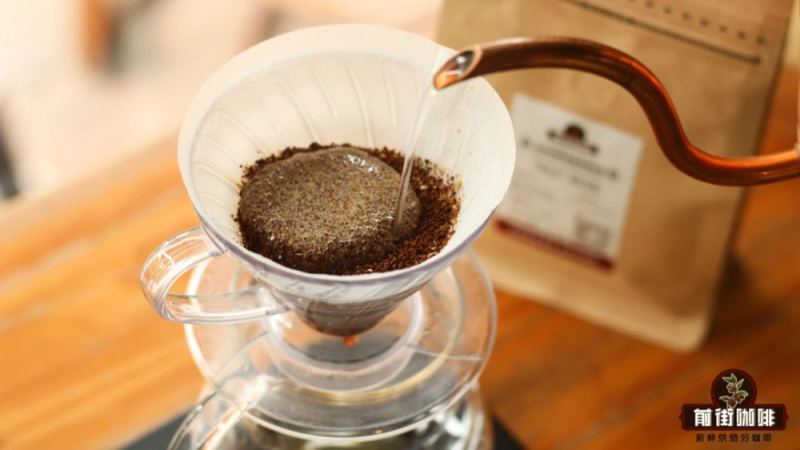
What makes coffee extraction balanced rather than bitter?
Coffee extraction is water dissolving soluble material from a bed of coffee grounds. Aromatics and acids come out first, which is why the air fills with coffee aroma as soon as hot water hits the grounds, while sweetness and bitterness arrive later. Staying inside the right time window keeps the cup balanced instead of heavy, bitter, and astringent.
The Specialty Coffee Association's Golden Cup theory sets target ranges for concentration and extraction yield, and grind size has to match contact time: finer grinds finish faster, coarser grinds need longer. Roast level, coffee-to-water ratio, dose, and water volume all shift the result. A four-pour method shows how each variable plays out in practice.
Behind the birth of a great cup of coffee lies a precise and complex chemical interaction between water and coffee grounds. From roast level to grind size, from coffee-to-water ratio to pouring technique, every variable quietly shifts the final flavor direction. From Front Street's perspective, this article systematically sorts out the scientific logic of coffee extraction, interprets the golden range of concentration and extraction yield in the Specialty Coffee Association's Golden Cup theory, analyzes the correspondence between grind size and extraction time, and uses the Taobao best-seller Front Street Emerald Estate Diamond Mountain as an example to fully demonstrate a four-pour brewing method, helping coffee lovers find the ideal expression of balanced acidity, sweetness, and bitterness in practice.
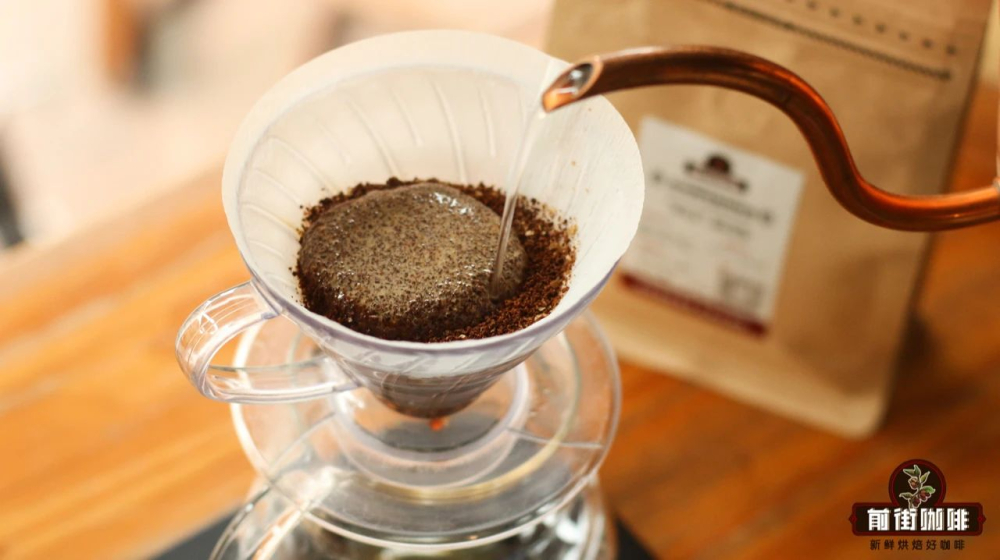
In Front Street's view, coffee extraction is essentially a process in which water flows through a bed of coffee grounds, dissolving and carrying away the soluble substances within. This mechanism can be fully understood and verified through scientific experimentation. When hot water meets coffee particles, the vast majority of water-soluble components are gradually released and intermingle, producing flavor expressions that may be ideal or less than satisfactory, ultimately converging into the coffee in the cup.
Extraction itself involves a series of complex chemical changes. Variables such as roast level, coffee-to-water ratio, dose, and water volume all influence the final direction of aroma. However, regardless of the method used, brewing a cup of coffee always involves the combination of grounds and water, and precise extraction can significantly enhance the drinker's sensory experience. Therefore, how water penetrates the coffee bed becomes the core element determining extraction quality.
Typically, the first substances water carries out of coffee are aromatic compounds and acidic components, which explains why the air around the coffee bed is filled with rich coffee aroma the moment hot water touches the grounds. Sweetness and bitterness, on the other hand, are flavors that gradually emerge in the middle and later stages. If extraction is overdone—that is, exceeding the appropriate time window for the later stages—bitterness and astringency become especially prominent, and the body of the entire cup feels heavy yet lacking in layering.
Additionally, if the grind particles are on the fine side, over-extraction becomes more likely, because fine particles release solubles very quickly and turn into a submerged state before water has fully penetrated. Conversely, coarser particles easily lead to under-extraction, because water flows through before it has had a chance to fully contact the core of the grounds. Therefore, selecting grind sizes and parameter combinations that match different brewing devices and techniques is what truly enables proper extraction.
Important Parameters Affecting Coffee Extraction
Golden Cup Theory
According to the Golden Cup theory proposed by the Specialty Coffee Association (SCA), a coffee concentration falling between 1.15–1.45% and an extraction yield within the 18–22% range are the data conditions a delicious cup of coffee needs to meet.
Coffee concentration Below 1.15%: mouthfeel too thin, flavor too weak Above 1.45%: mouthfeel too heavy, flavor too intense
Extraction yield Below 18%: excessive acidity, sharp and unpleasant sourness dominates Above 22%: prominent bitterness, dry mouthfeel with negative sensations
From the above data framework, it can be seen that the balance between coffee concentration and extracted substances is crucial. If either side is too light, it amplifies the proportion of the other, resulting in undesirable drinking experiences such as excessive sourness or bitterness. For this reason, the coffee-to-water ratio has also become a key variable affecting extraction results.
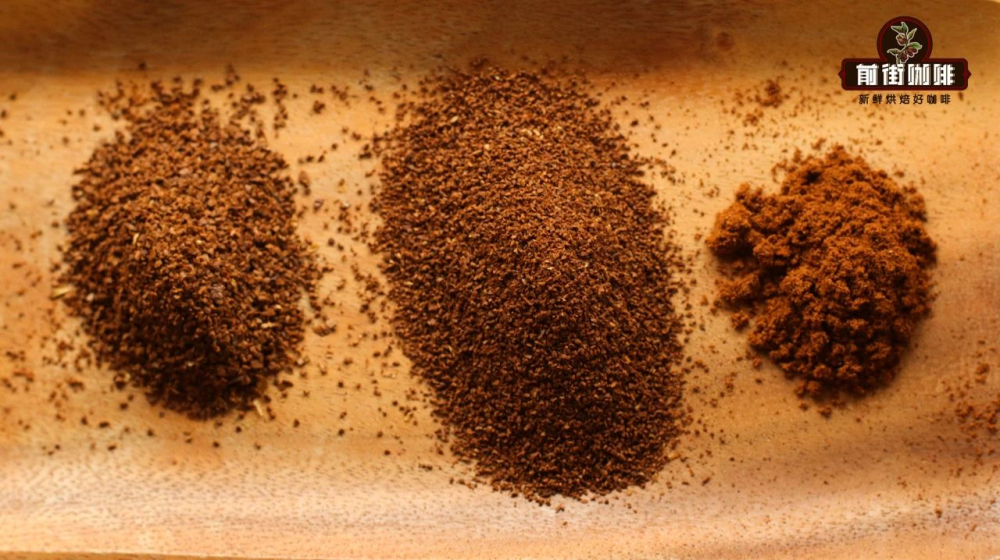
About Extraction The longer the extraction time, the more suitable it is to pair with coarser coffee particles; the shorter the extraction time, the finer the grind should be. Only by precisely controlling extraction time can the unique flavors of coffee be fully expressed, bringing the final taste as close to perfection as possible.
Longer extraction time: suitable for coarser grind, taste leans refreshing with acidity and sweetness Medium extraction time: suitable for medium grind, taste leans balanced with sweetness Shorter extraction time: suitable for finer grind, taste rich and pure with slight bitterness
Next, Front Street uses the Taobao best-seller Front Street Emerald Estate Diamond Mountain as an example to demonstrate in detail how to brew a pot of coffee with reasonable extraction that highlights its caramel notes~
Considering that caramel notes are often closely associated with rich, rounded, and full-bodied expressions, Front Street recommends focusing on three directions when formulating a brewing plan: "lowering the pouring point, reducing agitation of the coffee bed, and relying more on immersion," while moderately extending extraction time, with the aim of allowing more substances that express the finish to be smoothly released.
Coffee beans: Front Street Emerald Estate · Diamond Mountain
Dose: 15g
Coffee-to-water ratio: 1:16
Dripper: Ceramic cake cup
Water temperature: 88–89°C
Grind size: fine sugar / EK43s setting 10
Pouring technique: four-pour method
First pour: Front Street still uses a small stream, spiraling clockwise from the center outward, pouring 30g of hot water and blooming for 30 seconds to let the coffee grounds enter a degassing state; second pour: first lower the kettle spout, then with a slightly larger stream maintain a height of about 2cm and pour 80g, again spiraling continuously from the center outward, being careful not to disturb the coffee bed, using the dripper's immersion characteristics to let hot water and coffee grounds fully contact;
When the coffee liquid in the dripper is nearly finished flowing and the time approaches 1 minute 25 seconds, pour the third pour of 80g of hot water with a small stream, remembering to maintain the same low water level as before, with the aim of allowing the mid-stage sweetness substances to be released in an orderly manner;
For the final pour, there is no need to wait for all the water to dry out; instead, when the liquid level drops to the halfway point, still with a small stream from the center, pour the final 50g, finishing all pouring at about 1 minute 45 seconds. Finally, wait for all the coffee liquid to finish filtering, remove the dripper, and extraction ends at 2 minutes 13 seconds.
The above content is compiled by CoffeeHunters, a coffee news website.


