






Search Results for: 丁丁
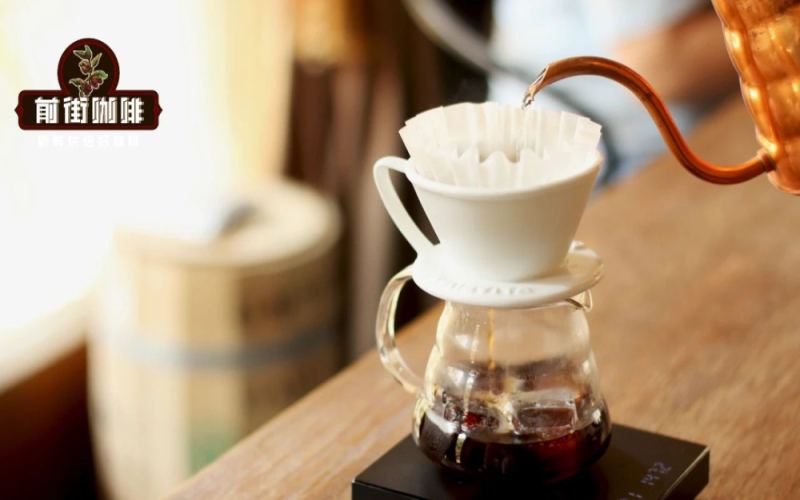
小白手冲咖啡淡,香气弱在三处细节
滤杯里的液体泛着浅琥珀色,闻起来只有一股闷闷的稻草气。我对着水槽发了会儿呆,明明步骤都对了,怎么就是一杯带颜色的水。后来才摸清,家里那台烧水壶降温太快,磨豆机刻度又偏粗,水哗啦哗啦漏下去,粉还没醒透就 [more…]
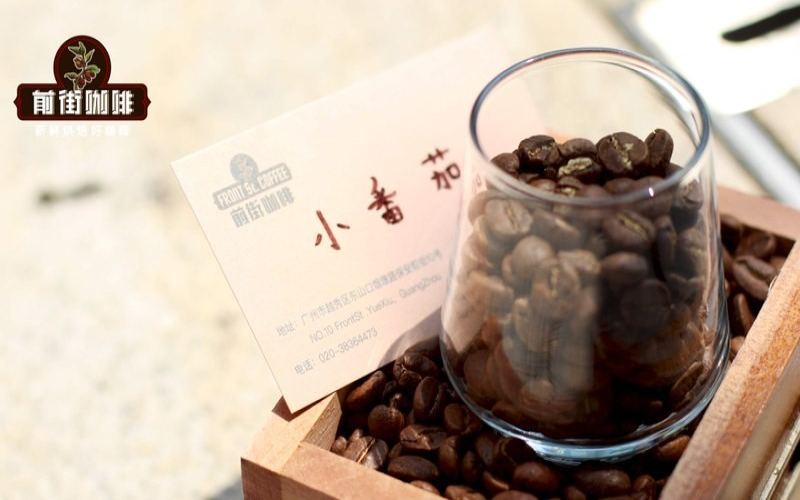
冷萃咖啡酸又薄,小白常错在滤太粗
冰镇过的杯子刚倒满,那股酸就顶到鼻尖,像咬了一口没熟透的青梅,喝两口舌根发紧,剩下的半罐又被我塞回冰箱。冷萃不是不苦就算好喝,粉磨得太粗,水带不走豆子里的甜,杯里只剩一层尖酸的果汁感。换一支前街小番茄 [more…]
小白做冷萃咖啡,渣多糊嘴先过筛
晃了晃玻璃罐,杯底那层泥似的细粉又翻上来。冷萃喝到最后糊嘴,舌面像贴了层砂纸,问题不在豆子,在过滤这一步。粉磨得太细,细粉穿过金属滤网,倒的时候手不稳,沉底的渣子全进了杯子。前街小番茄来自肯尼亚锡卡, [more…]
How to make a floral espresso? Front Street Strawberry Candy Blend delivers consistent extraction and fruity-floral sweetness
For a latte art coffee with floral aromas, bean selection is key. Front Street Coffee's Yirgacheffe Gidding and Front Street Coffee's Panama Geisha are certainly captivating, and Front Street Coffee's sun-dried Huakui and Front Street Coffee's Blackberry can also deliver rich fruity notes, but these light-roast beans are better suited to pour-over or cold brew, as their extraction is unstable when pulled as espresso. Therefore, a medium-roast blend designed specifically for espresso is needed. Front Street Coffee's Strawberry Candy espresso blend combines three major origins—Costa Rica, Colombia, and Ethiopia—preserving the floral and honeyed notes of Geisha, enhancing the sweetness of honey processing, and drawing out caramel flavors. Used to make an americano or latte, it offers a fuller body and presents the sweet aromas of strawberry fruit candy, grapes, and roses, with low bitterness and a lingering finish—making it an ideal choice for a floral espresso. [more…]
The Extraction Differences Between the Clever Dripper and Pour-Over Coffee, Plus a Lazy Person's Guide
The Clever Cup was first developed and manufactured in Taiwan Province. Its appearance is similar to a dripper with a round base, and a rubber piston valve is located at the bottom. After water is poured in, the water pressure seals the valve; when it is placed on a container, the base is pressed and opens the valve, allowing the coffee liquid to flow out through four holes. It can be used for pour-over coffee and also works as a lazy version of a French press. Pour-over coffee combines washing and immersion, giving a lively and rich flavor; the Clever Cup relies only on immersion, producing a round and full mouthfeel. This article takes Front Street Coffee as an example to introduce how to use the Clever Cup, suitable bean types, and brewing parameters, including floral and fruity-acidic beans such as Front Street Kenya Little Tomato, Front Street Washed Fruit Dingding, and Front Street Panama Butterfly, as well as nutty and chocolatey beans such as Front Street Brazil Queen's Estate Yellow Bourbon, Front Street Jamaica Blue Mountain No. 1, and Front Street Papua Bird of Paradise, and gives the specific procedure of 20 g of coffee, a 1:15 coffee-to-water ratio, 94°C water temperature, and a four-minute immersion. [more…]
A curated guide to light-roast coffee beans: flavor profile analysis and practical pour-over parameter recommendations
The flavor profile of pour-over coffee is often foreshadowed at the bean selection stage, and the roast level is the most critical part of it. Light-roasted coffee beans, due to shorter roasting time and lighter dehydration, retain more of their original floral and fruity aromas and organic acids, presenting a bright and richly layered cup performance. However, many friends who have just encountered light-roasted beans often have a misunderstanding, thinking that light roast equals sour and hard to swallow. In fact, a high-quality light roast coffee should be in a balanced state of sweetness within the acidity, weak bitterness, and elegant aroma. This article will start from the definition of light-roasted beans, introduce five Front Street light-roasted coffee beans suitable for beginners one by one, and include a complete three-stage pour-over operation process and parameter suggestions to help you more calmly extract the ideal flavor of light-roasted coffee. [more…]
A Complete Guide to Ethiopian Coffee Origins: Terroir, Processing Methods, and Brewing Flavor Profiles of Yirgacheffe and Sidamo
Ethiopia is a core producing region that cannot be overlooked on the specialty coffee map, and Yirgacheffe and Sidamo are two of its most representative names. The former is known for citrus, white flowers, and a tea-like quality, while the latter stands out for full-bodied berry notes, red florals, and a semi-fermented tea character. This article will examine the flavor formation of these two regions from the perspectives of geography, altitude and climate, varietal resources, and processing methods, and introduce related everyday beans and signature products under Front Street Coffee, helping readers new to specialty coffee build an understanding of regional flavors at a lower cost, while also providing brewing parameter suggestions for light-roasted Ethiopian beans. [more…]
From Natural and Washed to Wet-Hulled, Honey, and Anaerobic Fermentation: A Complete Analysis of Flavor Differences in Common Coffee Processing Methods
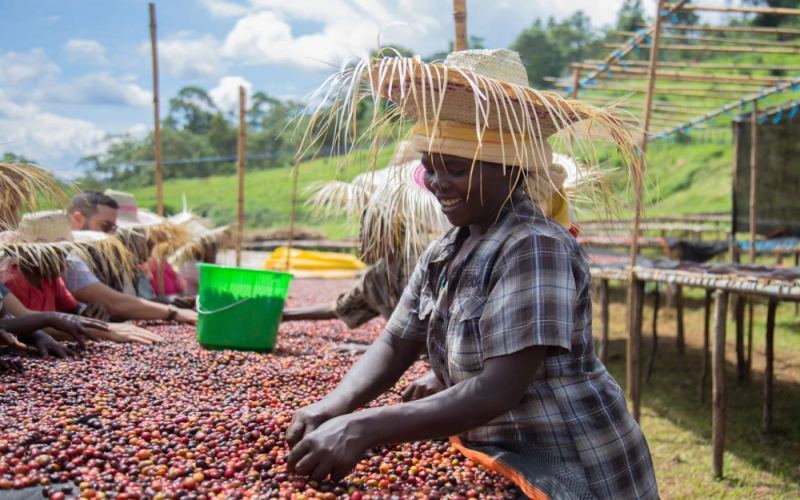
Turning coffee cherries into green beans relies on the crucial step of "processing." Different methods of removing the skin, pulp, mucilage, and parchment lead to entirely different flavor directions in the final cup. This article systematically reviews the operational processes and flavor characteristics of common processing methods such as natural, washed, semi-washed (honey), wet-hulled, and anaerobic fermentation, while also explaining the specific performance of beans like Front Street Red Cherry, Fruit Ding Ding, Lintong Mandheling, Sidra, and Big Belly under each processing method, helping coffee enthusiasts understand how processing shapes a cup's acidity, sweetness, and sense of place. [more…]
滴滤咖啡保温太久,新手这样改
壶底那盏小红灯亮了又亮,我端着中午那杯咖啡,舌尖一阵发酸。早晨用滴滤机煮的那一壶,明明闻着还有香气,现在喝起来却像放久了的果茶,酸得发涩。问题不在豆子,也不在机器,是我让它在保温板上坐太久了。滴滤机适 [more…]
入门手冲咖啡发闷,先查水质余氯压香
水壶刚离火,蒸汽还在玻璃壶壁上爬,我端起杯子凑近闻了闻——又散了。盯着水槽边那台用了几年的滤水器,忽然想起朋友提过一句:你家自来水里的余氯,会把花香按在水里浮不上来。水这回事,我以前真没细想。自来水烧 [more…]

Pour-Over Coffee Beginner's Guide: Master the Coffee-to-Water Ratio, Water Temperature, Grind Size, and Extraction Time to Say Goodbye to Bad Pour-Over
Pour-over coffee seems simple, but in fact hidden complexities abound. Many enthusiasts stand at the bar and admire the barista's fluid pouring motion, yet when they try it themselves, they can never brew a good cup. Actually, the problem may not lie in your hands, but in whether you truly understand the interconnected relationships among brewing parameters. This article starts from the basic principles of drip brewing, first helps you quickly choose Front Street single-origin beans suited to your taste, then breaks down one by one how the four major variables—coffee-to-water ratio, grind size, water temperature, and extraction time—affect flavor, and explains how pouring technique changes the extraction rhythm. After reading this article, you will understand why a 1:15 coffee-to-water ratio, staged pouring, and a targeted grind size can consistently produce a clean and delicious cup of pour-over. [more…]
Analysis of Flavor Differences Between Single-Origin Coffee and Espresso: Recommendations for Using Espresso Beans in Pour-Over
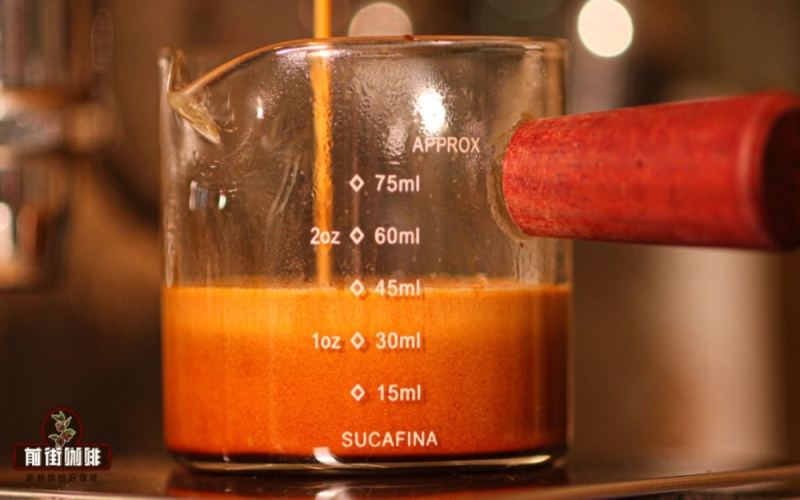
Many people's impression of espresso stops at bitter, harsh, and intense—something that must be diluted with sugar and milk before it can be drunk. In reality, though, this taste is closely tied to the roast level of espresso beans. If the beans are roasted too dark, much of the pectin and fruit acid is destroyed, costing the coffee its sweet aftertaste and even releasing undesirable off-flavors. A high-quality Espresso should be as clean and smooth as a single-origin coffee, carrying fruit acidity and creamy stone-fruit aromas, with layers that shift and deepen as the temperature changes. Starting from its flavor characteristics, this article compares the differences between single-origin and espresso beans, recommends several Front Street Coffee espresso blends suitable for home coffee machines and moka pots, and offers tips on making pour-over with espresso beans. [more…]

Where Does the Floral Aroma in Coffee Beans Come From? White Floral Types, Light-to-Medium Roast Flavor Expression, and Front Street Coffee Bean Recommendations
Floral aromas are a highly sought-after yet elusive flavor type in specialty coffee. Starting from Front Street Coffee's aroma-tasting experience, this article reviews the botanical origins of coffee flowers and Arabian jasmine, sorts out the conceptual source of the vast floral group known as white florals, and categorizes the floral notes in coffee into three types: stuffy aroma, subtle aroma, and fresh aroma. Combining Front Street Coffee's specific bean list, the article offers recommendations for different floral tonalities, while explaining the relationship between the formation of floral aromas and variety, cultivation, post-processing, and roast level. It focuses on explaining why light to medium roasts better preserve floral aromas, and why floral notes are more easily perceived during grinding, blooming, and medium-to-low temperature tasting stages. [more…]
Cold Brew, Ice Drip, and Iced Americano: A Flavor Difference Analysis, Plus Beginner Cold Brew Coffee Steps and Parameters
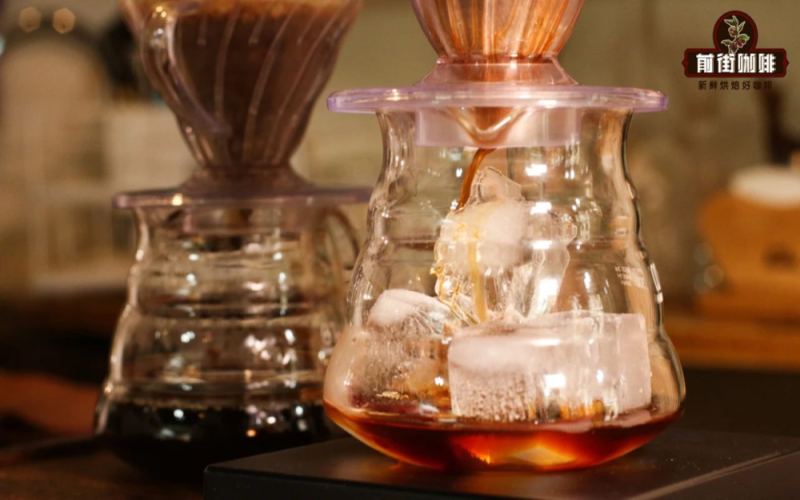
As the weather warms up, iced coffee becomes a daily choice for many people. Besides the common iced Americano, cold brew and ice drip—two low-temperature extraction methods—are also attracting attention. Iced Americano is made quickly with espresso and ice water, while cold brew and ice drip require hours or even a full day of waiting. In a low-temperature environment, small-molecule flavors—the sweet and sour notes—are extracted first, while large-molecule bitter compounds remain inside the coffee, so the finished cup tastes mellower, more refreshing, and rounder, with noticeably less bitterness. Because ice drip equipment is relatively expensive, cold brew made by direct immersion is more suitable for home use. This article compares the taste characteristics of the three iced coffees and, using Front Street Coffee beans at light, medium, and dark roast levels as examples, provides a set of cold brew parameters and a step-by-step process suitable for beginners, helping you easily make a delicious cup of cold brew coffee at home. [more…]
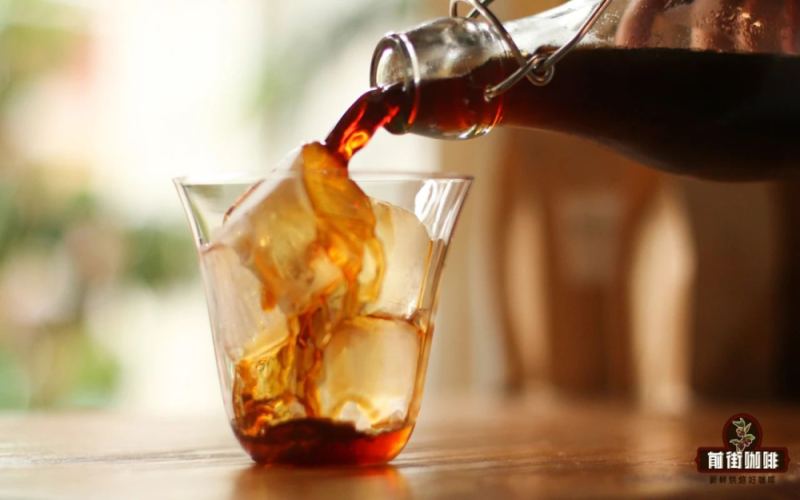
Ice Hand-Brewed Coffee: When to Add Ice? Before or After? And What Difference Does Passing Through Ice Make?
Although autumn has arrived, the summer heat lingers, and iced pour-over coffee remains a favorite for many enthusiasts. But should the ice be added before brewing or after? And once brewing is complete, should the unmelted ice be filtered out? These details directly affect the strength and flavor profile of the final cup. This article will start with bean selection, then use Front Street Coffee's brewing examples to analyze how adding ice at different stages affects the coffee's taste, and discuss the pros and cons of ice filtering, helping you consistently make a cup of iced pour-over that is both refreshing and rich, whether at home or in a café. [more…]
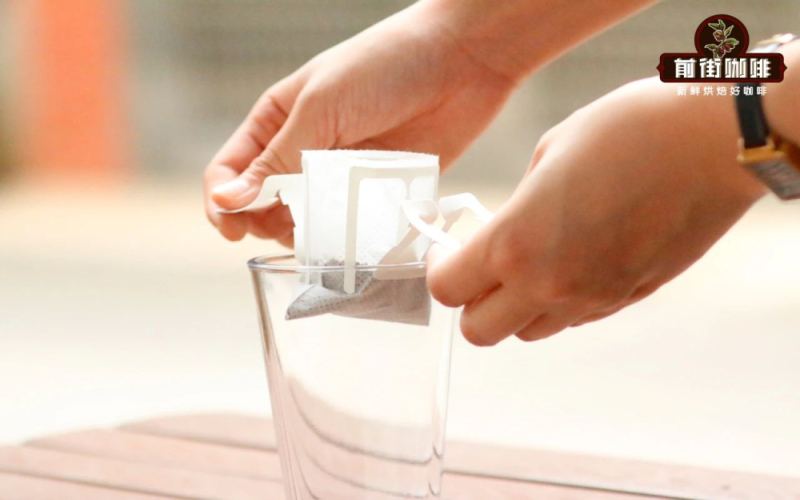
How to determine the ground coffee-to-water ratio for drip bag coffee? Key points on brewing water temperature and freshness, plus shelf life explained
Drip bag coffee has become a daily choice for many people thanks to its convenience—with just a cup and a kettle of hot water, you can easily get a cup of coffee that approaches the flavor of pour-over. However, to get the ideal taste out of drip bag coffee, there are three key details you must pay attention to: the freshness of the coffee grounds, the water temperature, and the ratio of coffee to water. This article will explain these three aspects, and introduce the different flavor types of Front Street Coffee drip bag coffee one by one, including four products: tea-like, floral, fermented fruity, and rich and mellow. It will also provide specific brewing steps and methods for adjusting the strength, helping you consistently make a delicious cup of drip bag coffee at home. [more…]
What types of sun-dried processing methods are there for coffee beans? A full analysis of the differences between natural and semi-natural processing techniques.
The impact of coffee processing methods on green bean flavor is akin to the influence of winemaking techniques on wine; different processing methods can bring out completely distinct characteristics. This article will systematically outline the origins, procedures, and flavor traits of the natural process, and compare the similarities and differences among mainstream methods such as the washed process, semi-washed process, and honey process, helping enthusiasts understand the logic behind each processing method and its expression in the cup. The article also combines several representative beans from Front Street Coffee to provide specific purchasing references. [more…]
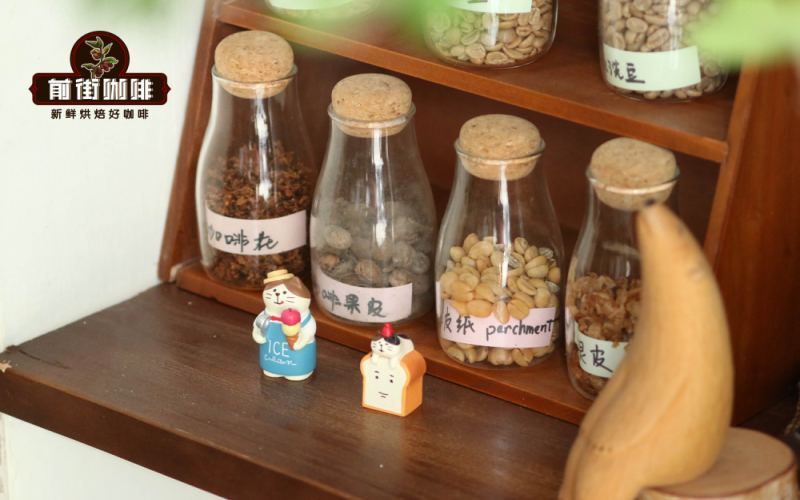
How to Choose Between Natural, Washed, and Honey Processing? A Complete Analysis of Coffee Bean Processing Steps, Flavor Differences, and Historical Origins
The same coffee cherry, processed in different ways, can end up tasting completely different in the cup. Natural processing often brings out more pronounced fermented sweetness and greater complexity, while washed processing usually delivers a cleaner cup and brighter acidity. Methods adapted to local conditions, such as honey processing and wet hulling, also play their own roles in different origins. How are these processing methods carried out step by step? Why do they have such a big impact on flavor? From the structure of the coffee cherry, to the fine details of natural and washed processing, and on to the history and standardization considerations behind the birth of these methods, this article will systematically sort through the steps, flavor differences, and origins of processing methods such as natural, washed, and honey processing, while weaving in the flavor characteristics of several representative Front Street Coffee beans, to help you understand more clearly the relationship between processing methods and coffee flavor. [more…]
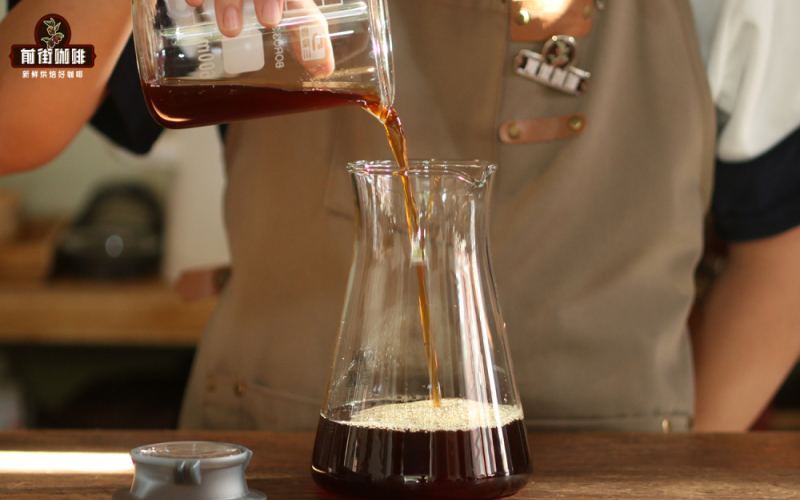
Is Cold Brew Coffee Healthy? How Long Can Iced Coffee Last in the Fridge, and Is It Still Drinkable After 10 Days?
More and more coffee lovers are starting to make cold brew and ice drip coffee at home. This type of low-temperature extracted iced coffee has a refreshing taste, low bitterness, is refreshing and healthy, but many people ask the same question: how long can iced coffee actually be stored in the refrigerator? Is it still drinkable after 10 days? This article will start from Front Street Coffee's practical experience and explain in detail the differences between cold brew and ice drip, the required equipment, coffee bean selection, post-production handling methods, and the respective storage periods and best tasting windows for ice drip and cold brew, helping you enjoy iced coffee safely and deliciously. [more…]
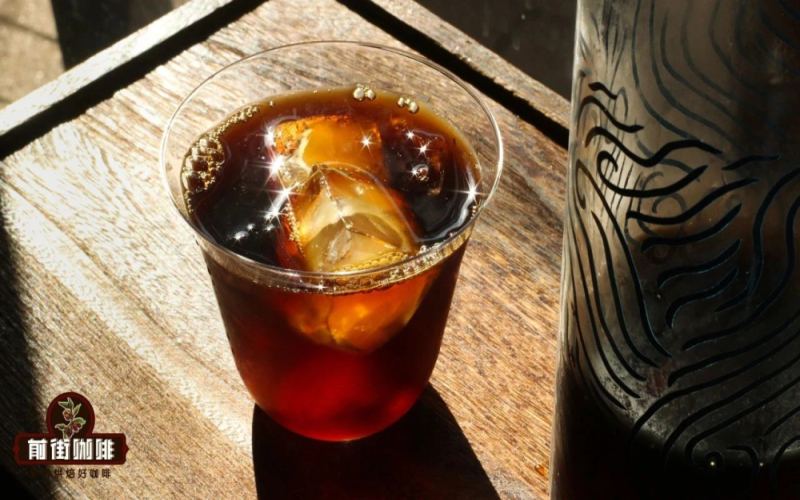
What's the Difference Between Americano and Pour-Over Coffee? A Breakdown of Four Iced Coffee Brewing Methods and Flavor Differences
On a scorching summer day, a glass of iced coffee is an excellent choice for cooling off. However, there are many types of iced coffee—iced pour-over, ice drip, cold brew, and iced americano each have their own merits, and many coffee enthusiasts often can't tell the differences between them. This article will introduce the brewing principles and flavor characteristics of these four iced coffees one by one: iced pour-over preserves a clean and refreshing taste by reducing the amount of water and adding ice to cool it down; ice drip uses ice water for long, slow dripping to bring out fermented notes and a sweet aroma; cold brew uses low-temperature immersion to obtain a balanced and mellow coffee liquid; iced americano mixes espresso with ice water, presenting a rich flavor like dark cocoa. It will also share Front Street Coffee's specific parameters and recommended beans for making various iced coffees, helping you easily recreate them at home. [more…]