







Can Espresso Beans Work in Pour-Over and Moka Pots?
Espresso does not have to be bitter and harsh. That taste usually comes from overly dark roasting, which destroys pectin and fruit acids, removes the sweet aftertaste, and releases unpleasant impurities. A well-roasted espresso should be clean and smooth, with light fruit acidity, creamy stone fruit aroma, and layers that shift as the cup cools.
Medium-dark roasting helps: it limits bitterness, keeps chocolate, cocoa, cream, and nutty compounds that add body and sweetness, and supports rich crema. For moka pots and home espresso machines, this article compares single-origin and espresso beans and suggests blends. On whether is americano coffee bitter, the same roast logic applies, since darker beans carry more bitter notes into the cup.
Many people's impression of espresso stops at it being bitter, harsh, and undrinkable without sugar and milk, but in reality, this taste is closely related to the roast level of espresso beans. If roasted too dark, the coffee's pectin and fruit acids are largely destroyed, not only losing the sweet aftertaste but also releasing undesirable impurities. A high-quality Espresso should be as clean and smooth as single-origin coffee, with fruit acids and creamy stone fruit aromas, and its layers become richer as the temperature changes. This article will start from the taste characteristics, compare the differences between single-origin and espresso beans, and recommend several Front Street Coffee espresso blends suitable for home espresso machines and moka pots, while also offering suggestions for making pour-over with espresso beans.
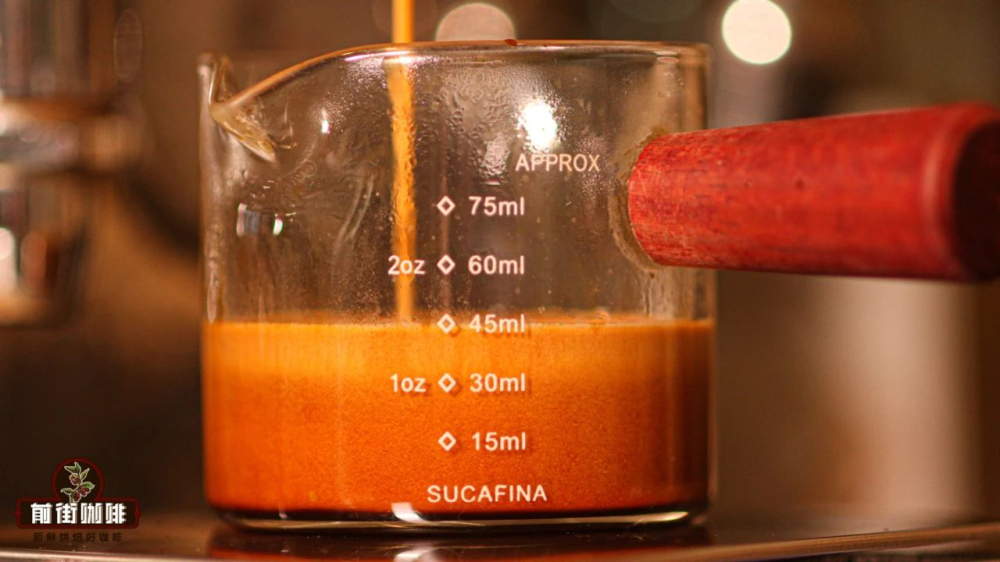
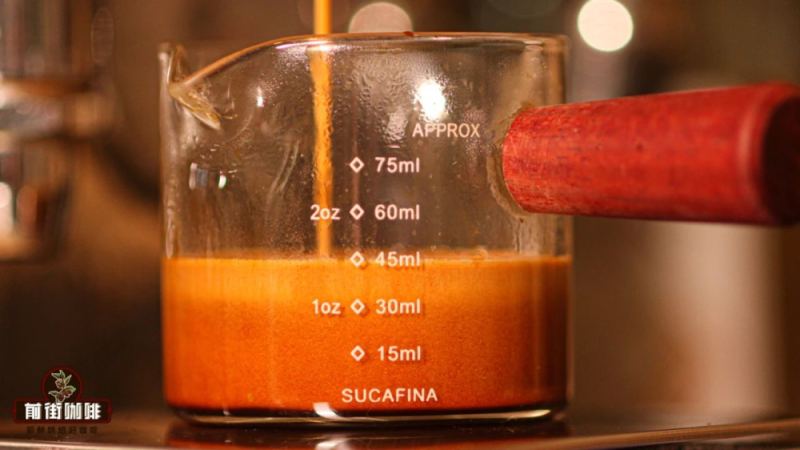
Many people mistakenly believe that espresso is inherently bitter, heavy in taste, and must be drunk with sugar and milk. However, this is actually closely tied to the roast level of the espresso beans themselves. If espresso beans are roasted too dark, the pectin and fruit acids in the coffee are severely destroyed, making it hard to bring out the sweet aftertaste, and even the original flavors disappear as well. In addition, dark-roasted beans tend to destroy beneficial components during extraction and release undesirable impurities; even with sugar and milk added, drinking it only adds burden to the body.
Even if milk is added to a ruined Espresso, it cannot hide its fundamental flaws—after taking a sip, the aroma that Espresso should have is completely gone, leaving only bitterness and the taste of milk. A truly excellent Espresso should taste as clean and smooth as single-origin coffee, with a slight fruit acidity and creamy stone fruit aroma, with quite rich layered changes in the mouth, and its taste changes with temperature. If the Espresso you drink has no layered changes or lingering finish, then the sensation in your mouth will only be boring and hollow.
Therefore, for a delicious espresso, you should prioritize medium-dark roasted coffee beans. There are three main reasons: first, to avoid excessive bitterness; second, to retain more flavor compounds that provide body and sweetness, such as chocolate, cocoa, cream, and nutty aromas; third, to bring rich crema. To meet these needs, baristas strongly recommend four espresso beans: Front Street Coffee Black Cocoa Basic Blend, Front Street Coffee Classic Blend, Front Street Coffee Commercial Blend, and Front Street Coffee Specialty Blend; all of them can be used in home espresso machines and moka pots.
The difference in taste between single-origin coffee and espresso beans: those accustomed to single-origin love its warm aroma most; the fruit acidity is delicate and soft, allowing the coffee to show richer layers as the temperature changes, and you can also taste the unique aroma or mouthfeel of each single-origin, as well as the honeyed sweetness left at the bottom of the cup after drinking, which lingers in the memory. In fact, many single-origin coffee beans can deliver excellent experiences, such as Front Street Coffee Emerald Red Label Geisha with peach and berry aromas, Front Street Coffee Fruit丁丁 with the refreshing notes of jasmine and lemon, Front Street Coffee Flower Chief with the sweet-and-sour taste of creamy strawberry and tropical fruits, and Front Street Coffee Xizhua with the intense fermented aroma of passion fruit and grapes.
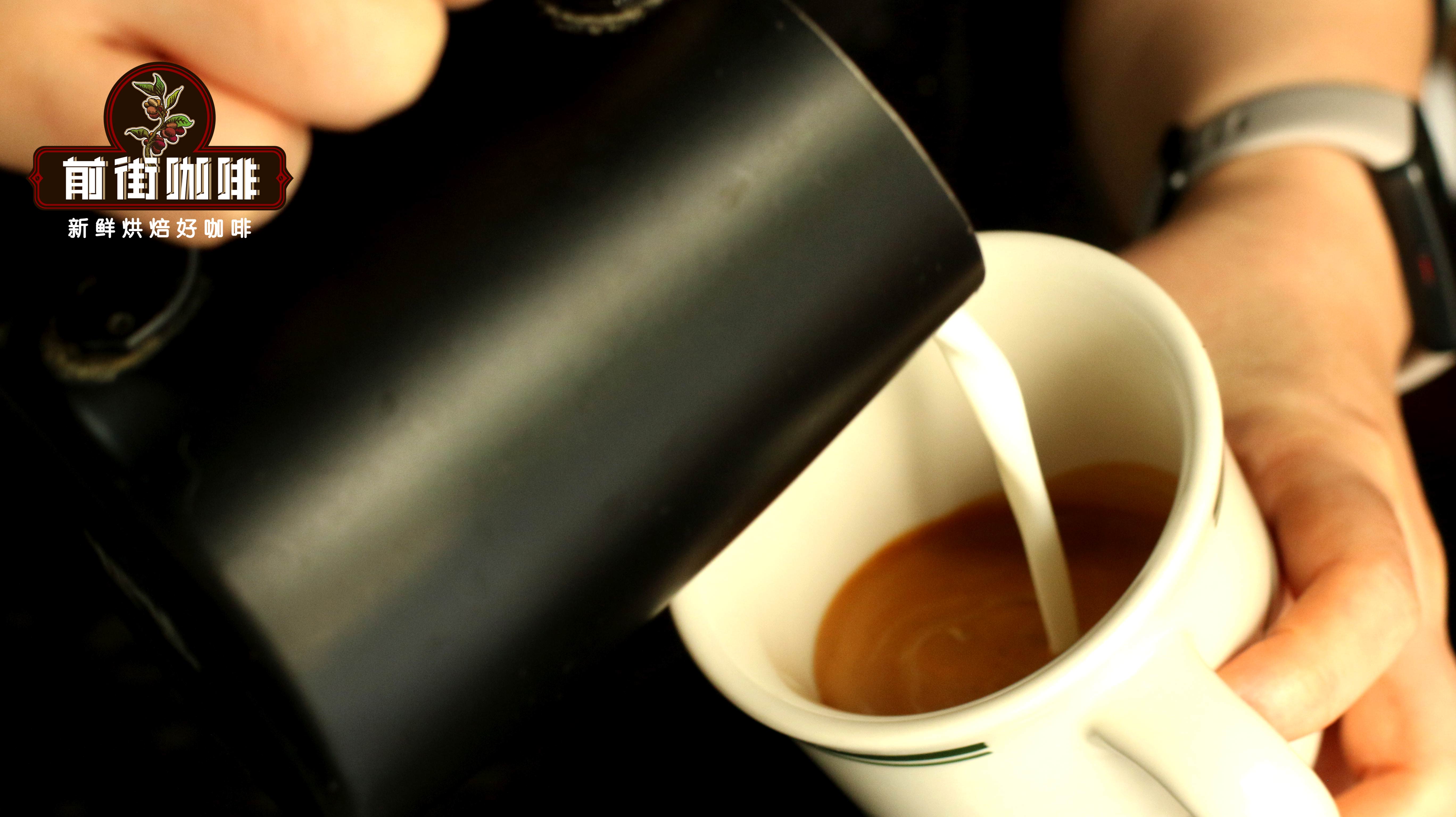
Of course, high-quality espresso beans are also full of variation, and the fruit acidity after sipping can be as delicate as single-origin coffee. Because Espresso has a rich taste and abundant crema, when tasting, you only need to take a small sip, and the coffee aroma can linger in the mouth for a long time, with a high degree of sweetness after entry. Moreover, good coffee becomes even richer after brewing; if made into Americano, it has a light coffee aroma on the palate, and the sweetness does not disappear, allowing guests who want a refreshing taste to have a different experience. For guests accustomed to adding milk, making Espresso into a cappuccino or latte will not cause the coffee to lose its original aroma and sweetness because of the milk.
The above content is compiled by CoffeeHunters, a coffee news website.


