





How Does Coffee Processing Shape Flavor in the Cup
Coffee processing is the step that turns coffee cherries into green beans, and the method chosen directly shapes what ends up in the cup. Natural, washed, semi-washed honey, wet-hulled, and anaerobic fermentation each remove skin, pulp, mucilage, and parchment differently, changing acidity, sweetness, and how clearly a bean expresses its terroir.
Natural processing dries whole cherries in the sun for about a week, then hulls and sorts them. It is the oldest and least expensive method but needs space and dry weather, and rough management raises defect rates. Pulp fermentation during drying also adds more pronounced fruit notes, which is why coffee bean processing draws so much attention from roasters and drinkers.
Turning coffee cherries into green beans relies on the crucial step of "processing." Different methods of removing the skin, pulp, mucilage, and parchment lead to entirely different flavor profiles in the final cup. This article systematically reviews the operational procedures and flavor characteristics of common processing methods such as natural, washed, semi-washed (honey), wet-hulled, and anaerobic fermentation, while explaining the specific performance of beans like Front Street Red Cherry, Fruit丁丁, Lintong Mandheling, Xizhua, and Daduqi under each processing method, helping coffee enthusiasts understand how processing shapes a cup's acidity, sweetness, and terroir.
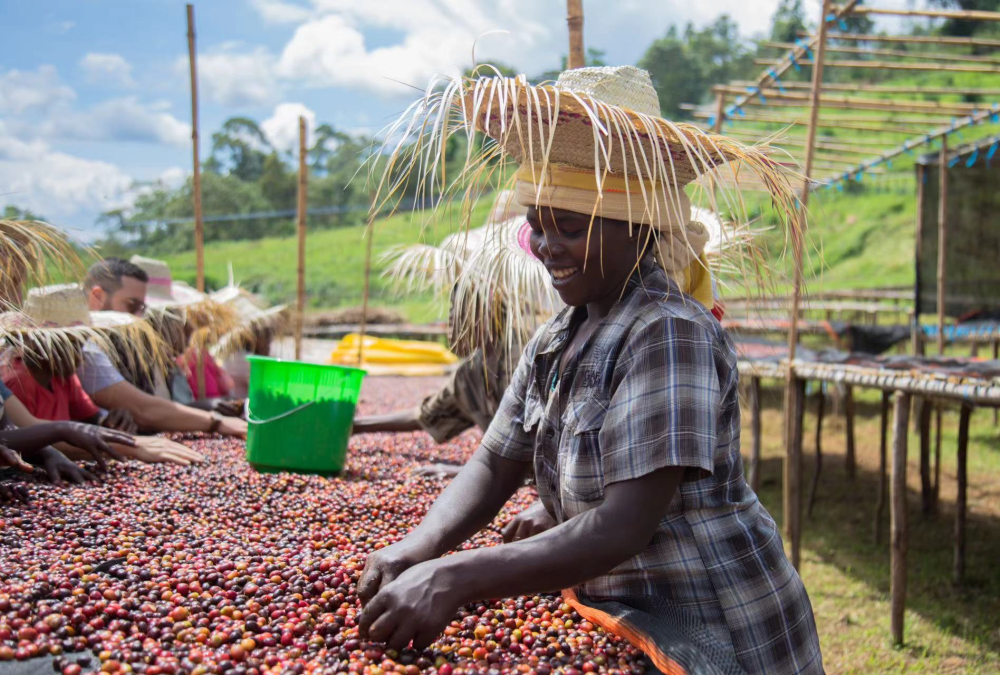
Coffee beans are essentially the seeds of coffee cherries. To obtain them, the skin, pulp, mucilage layer, and parchment must be removed in sequence. What remains is green coffee, usually white, jade-green, or yellow, which only turns dark brown after roasting. These removal steps are collectively called "processing," and the method used directly influences the final flavor profile of the coffee—this is the core of this article.
What are the mainstream coffee bean processing methods on the market?
Natural, washed, semi-washed, and honey processing are among the more traditional categories; in recent years, to create richer flavor layers, various new techniques have emerged endlessly, such as the currently popular anaerobic processing, barrel fermentation, and enzyme processing—truly a myriad of variations.
What is natural processing? What are the characteristics of such coffee beans?
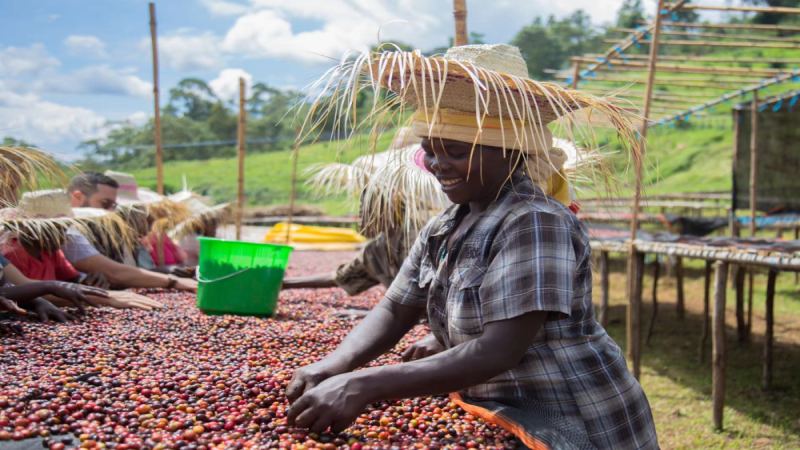
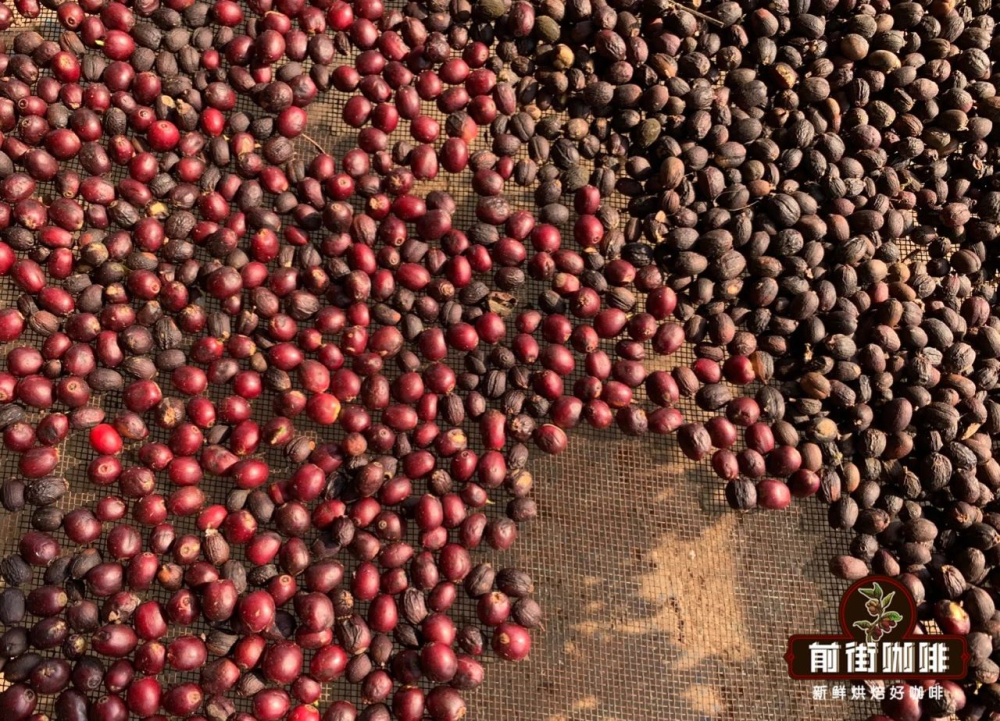
Natural processing involves spreading red coffee cherries directly under the sun to dry for about a week, with the exact duration adjusted flexibly based on conditions. Once the skin and pulp have dried into a dark, shriveled state, they are removed with a huller, and finally, defective beans are sorted out.
The greatest advantage of natural processing is its low cost—no additional rent required—making it the oldest and most traditional method. However, it demands a large area and is difficult to perform in rainy regions. Moreover, because it's hard to precisely judge the drying degree of each bean, naturally processed batches with rough management often have a higher defect rate. In terms of flavor, the pulp undergoes some fermentation during natural processing, so the finished product usually has more prominent fruity and winey notes, with relatively softer acidity.
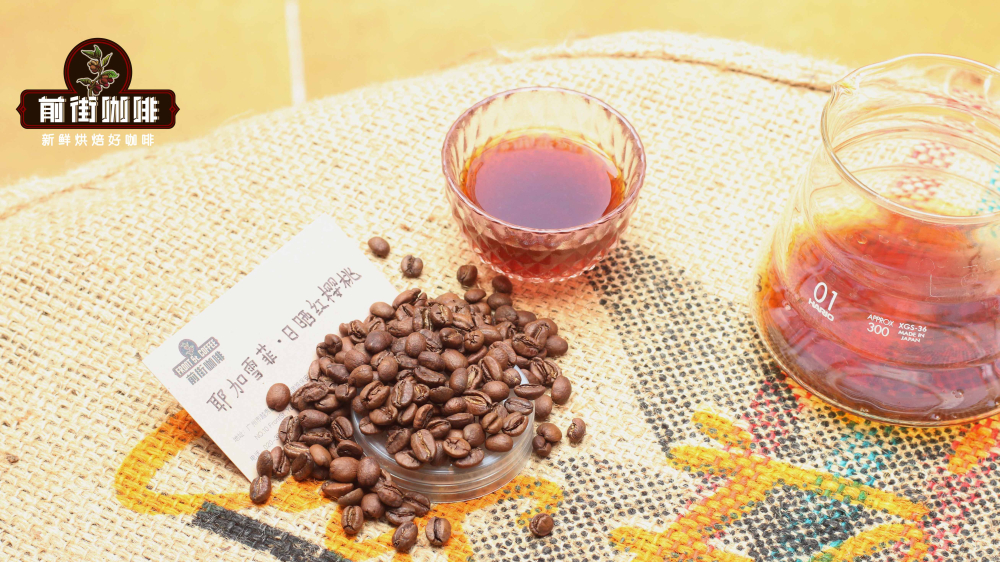
Front Street's Red Cherry coffee beans are a naturally processed Yirgacheffe, with a more refined processing flow than conventional natural. After picking fresh red cherries, they undergo manual sorting to remove defective, overripe, and insect-damaged beans, keeping only high-quality fruit. Then they are sent to drying facilities—different regions use various drying equipment like tarps or raised beds, with African drying beds being most common. The drying period is typically 27 to 30 days, until the coffee turns dark purple and moisture content drops to 11%. Naturally processed Yirgacheffe has a more intense taste, rich layers, winey fermentation notes, and higher sweetness.
People often say washed coffee is more acidic and cleaner—why is that?
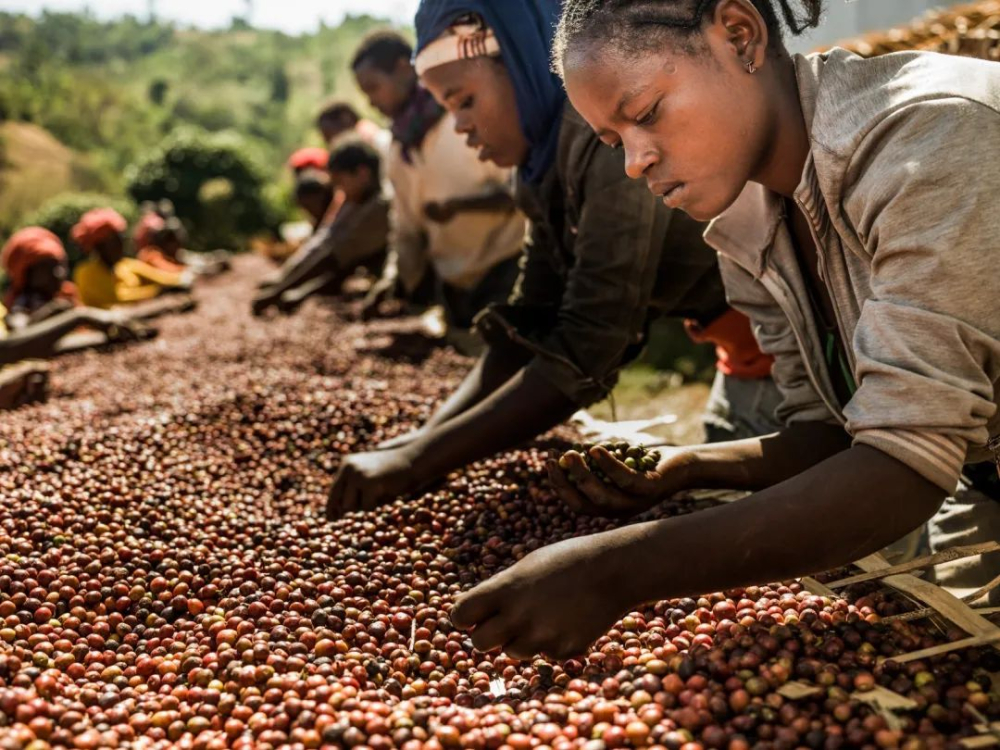
The washed processing method was created precisely to solve the problem of many regions lacking sufficient sunlight for natural processing. In operation, coffee cherries are first poured into a water tank to remove foreign matter, then a depulper removes the skin and pulp, but the mucilage layer and parchment remain attached. So they are sent to fermentation tanks for microorganisms to break down the mucilage. After decomposition, they are washed again, then dried. After drying, a huller removes the parchment to obtain the coffee beans, and finally, defective beans are sorted out as usual.
The entire process involves water tanks, fermentation, washing channels, and other steps, consuming huge amounts of water—hence the name "washed." The advantages of washed processing are its industrialized, precisely controlled flow, stable quality, clean and clear taste, and more pronounced fruity acidity—because no pulp is involved during fermentation, the beans retain more malic acid, citric acid, and other acidic aromatic compounds. Additionally, washed beans usually have more obvious floral notes.
The multiple steps of washed processing effectively remove defective beans, greatly reducing the defect ratio and ensuring more stable quality. During drying, without pulp covering the outside, the flavor presents elevated acidity, higher cleanliness, and highlights the characteristics of a single origin. Therefore, to understand a region's "terroir" or "regional flavor," Front Street recommends starting with its washed batches.
Washed processing is a method Front Street particularly favors; dozens of coffees on our bean list use washed processing. To experience the charm of washed beans, Front Street recommends an Ethiopian Yirgacheffe Fruit丁丁 coffee. Washed processing freed Yirgacheffe from its previous reputation for inconsistent quality, and the medium-light roast preserves fresh citrus notes and elegant white floral aromas, with an overall bright and delicate flavor.
So what happens when you combine natural and washed?
Indeed, such a method exists, called semi-washed, also known as honey processing in some contexts. Semi-washed involves: first removing impurities, skin, and pulp as in washed processing, but without soaking to remove mucilage—instead using a mucilage remover to eliminate it, then sun-drying. After drying, a huller removes the parchment, and finally, problematic green beans are sorted out. Let's step back—if you skip the mucilage remover, keep the mucilage, and sun-dry directly, that becomes honey processing! After sun-drying, a huller removes both the mucilage and parchment together.
The key lies in that layer of mucilage, which is sticky like honey—hence the name honey processing, not because any honey substance is added during processing. How much mucilage is retained during washing determines the flavor direction of honey processing: leaving only about 10% mucilage for sun-drying is called "white honey," with a clean taste close to washed; retaining about 25% mucilage for sun-drying is "yellow honey," where the beans appear yellow; retaining about 50% is "red honey"; and 100% intact mucilage sun-dried is "black honey." The more mucilage retained, the harder the processing and the longer the drying time required. Compared to washed, honey processing yields a more intense, complex, and variable flavor.
Is semi-washed equivalent to wet-hulled processing?
Sumatra's coffee cherry harvest season happens to coincide with the rainy season, causing headaches, so locals改良ed a unique processing method. Wet-hulled processing starts the same as washed: Indonesians first depulp the coffee fruit, ferment in water for 3 hours, wash off the mucilage, then dry the parchment-covered green beans for 2 to 3 days until moisture content drops to 20-24%, in a semi-soft, semi-hard state. Then the parchment is removed, and drying continues until moisture content reaches 13%, at which point it can be bagged.
The huller uses greater friction to tear open the parchment layer clinging tightly to the green beans. Under the friction and stirring, the beans are easily crushed or bruised, especially at both ends, forming small gaps and producing so-called "goat hoof" beans. The "naked beans" without parchment dry extremely quickly, while also being directly exposed to a humid environment, allowing various microorganisms to thrive, giving Indonesian coffee its unique woody, spicy, and herbal notes—what we often call "regional flavor."
I believe some friends are now curious about Southeast Asian flavors. If you haven't tried Mandheling yet, Front Street suggests starting with a small-pack, wet-hulled Lintong Mandheling daily bean, which presents the classic Mandheling flavor and is convenient to try at home.
What about anaerobically processed and barrel-fermented coffee beans?
After reading the previous introductions, you'll notice that during processing, the pulp—especially the fermentation of the mucilage layer—greatly affects the coffee beans, so people began to explore this area. Anaerobic processing and barrel fermentation are common new methods.
Anaerobic processing involves: after removing skin and pulp, loading the mucilage-covered coffee beans into stainless steel tanks, extracting oxygen and leaving only carbon dioxide, allowing anaerobic bacteria to assist fermentation for about 18 to 24 hours. Of course, methods and durations vary slightly among estates (not every estate has stainless steel tanks). This process requires strict monitoring of mucilage content, temperature, pressure, pH, and fermentation time—a slight misstep can deviate the flavor.
Anaerobic processing can create extremely complex and diverse coffee flavors. For example, the common anaerobic natural in recent years is like adding new elements—such as fermentation notes—on top of traditional natural processing.
Front Street's Xizhua coffee beans and Front Street's Daduqi coffee beans from the champion-divide estate use anaerobic natural processing. Controlled-temperature, long fermentation gives the coffee richer ripe fruit sweetness and fermentation aromas. Front Street Xizhua shows high sweetness like grapes, passion fruit, and dried fruit, while Front Street Daduqi has unique flavors of blackcurrant juice and spices.
The above content is compiled by CoffeeHunters, a coffee news website.


