







How does the Clever Dripper change coffee extraction?
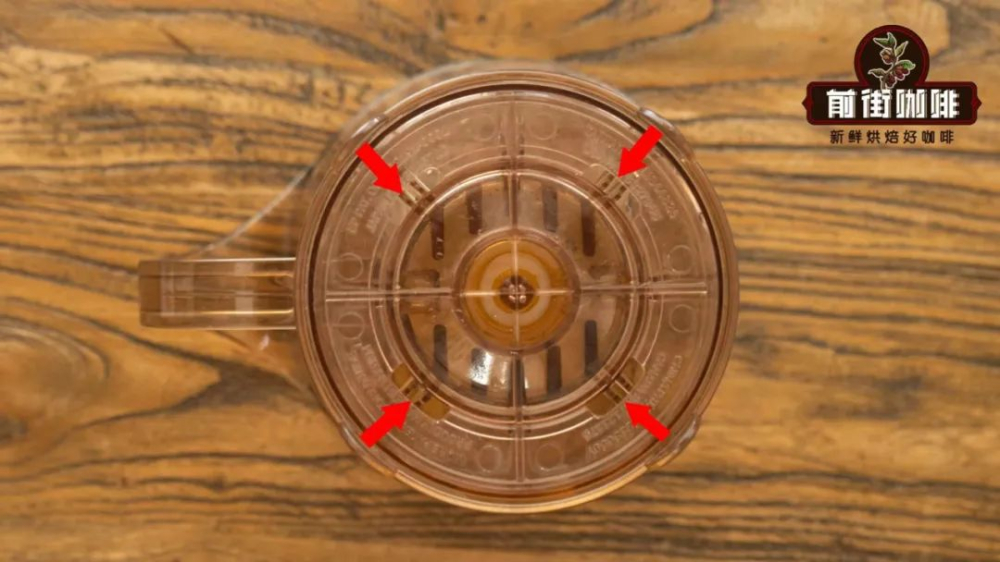
The Clever Cup was first developed and manufactured in Taiwan. It looks like a dripper on a circular base, with a rubber piston valve at the bottom. Poured water seals the valve by pressure; set the cup on a container and the base compresses, opening the valve so coffee flows out through four holes. This gives immersion brewing rather than a classic pour-over.
Pour-over coffee combines rinsing and immersion and tastes lively and rich, while the Clever Cup relies on immersion alone for a smooth, full-bodied result. A common recipe uses 20 g of coffee at a 1:15 ratio, 94°C water and a four-minute soak. Floral and fruity beans suit it, as do nutty, chocolatey ones.
The Clever Cup was first developed and manufactured in Taiwan. Its appearance resembles a dripper with a circular base, and it has a rubber piston valve at the bottom. When water is poured in, the water pressure seals the valve. When placed on a container, the base is compressed, opening the valve, and the coffee liquid flows out through four holes. It can be used for pour-over as well as a lazy version of a French press. Pour-over coffee combines rinsing and immersion, resulting in a lively and rich flavor; the Clever Cup relies solely on immersion, giving a smooth and full-bodied taste. This article uses Front Street Coffee as an example to introduce the usage, suitable bean types, and brewing parameters of the Clever Cup, including floral and fruity beans like Front Street Kenya Little Tomato, Front Street Washed Fruit Ding Ding, and Front Street Panama Butterfly, as well as nutty and chocolatey beans like Front Street Brazil Queen Estate Yellow Bourbon, Front Street Jamaica Blue Mountain No.1, and Front Street Papua Bird of Paradise, and provides specific steps with 20g of coffee, a 1:15 coffee-to-water ratio, 94°C water temperature, and a four-minute immersion.
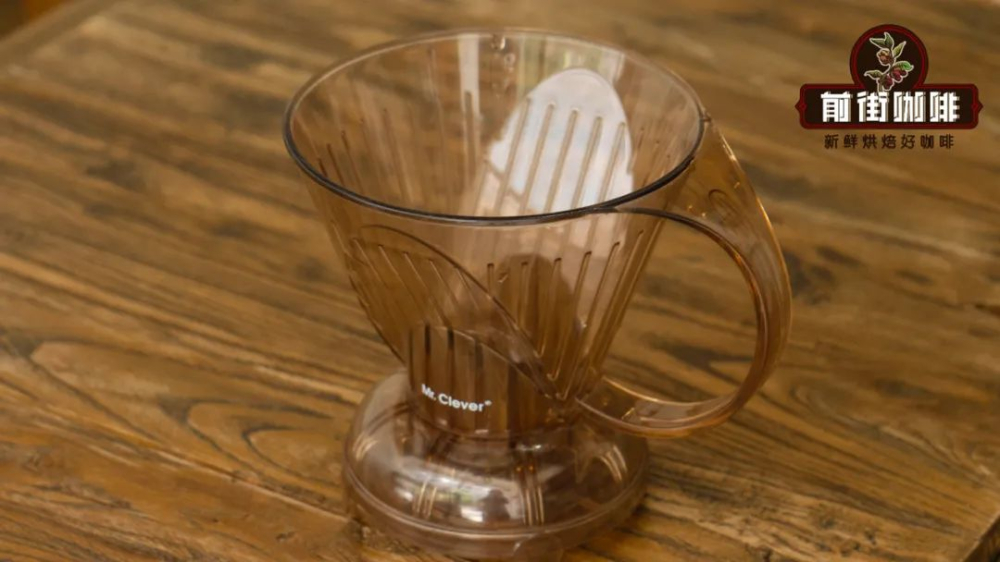
The Clever Cup was initially developed and manufactured in Taiwan, and its overall shape is a dripper paired with a circular base.
It is quite easy to use: pour hot water in to soak the coffee grounds, wait for the set time, then place it on any container, and the coffee will automatically filter out. For cleaning, just throw away the filter paper along with the coffee grounds, and rinse the cup body with water.
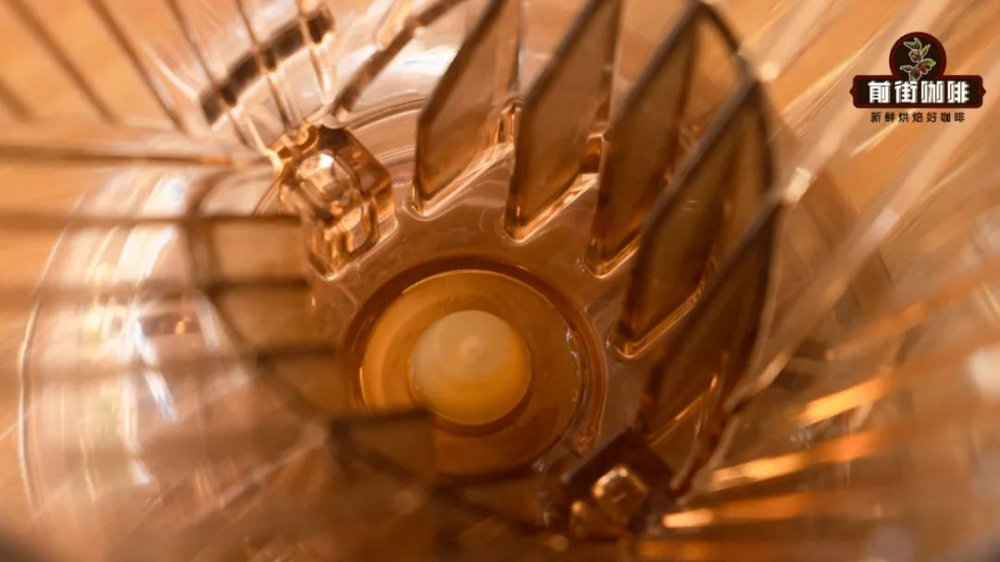
The key to this effect lies in the circular joint at the bottom of the dripper, where a rubber piston valve is installed.
After hot water is poured into the dripper, the water pressure keeps the piston valve tightly closed to stop the flow. After soaking, place the cup down, the base is compressed, opening the piston valve, and the coffee slowly flows out through the four holes.
It is essentially a valve added to the bottom of the dripper to control the flow, a rather ingenious design. Later, many coffee equipment brands followed suit and launched similar controllable drippers. Therefore, it can handle pour-over as well as act as a "lazy version" of a French press without pressing. Today, Front Street will briefly use the latter method to let you experience the clever usage of the Clever Cup.
Pour-over coffee involves both rinsing and immersion during extraction, while the Clever Cup relies only on immersion. As a result, pour-over coffee has a more lively and layered flavor, while Clever Cup coffee has a smoother, fuller mouthfeel that is very pleasant to drink.
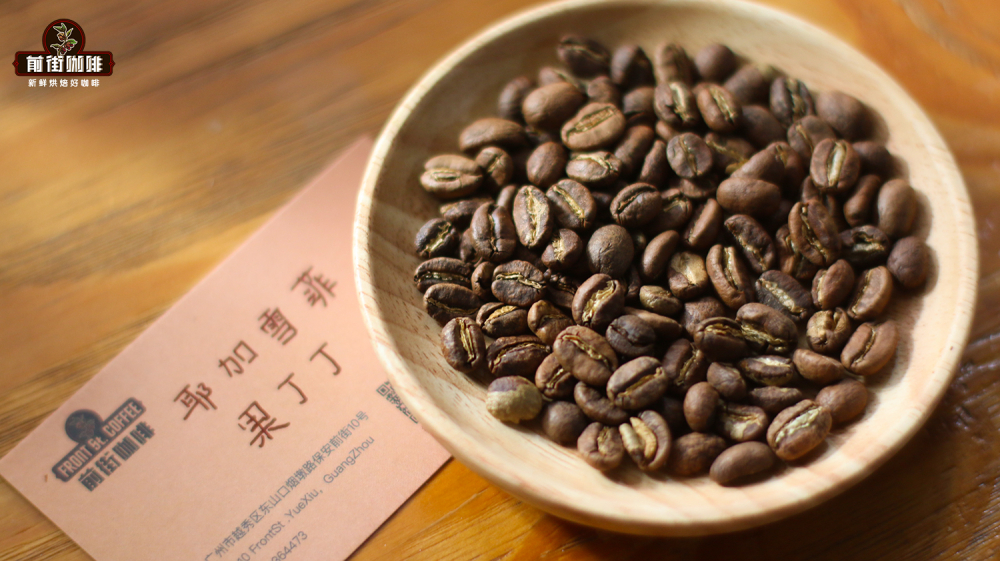
Generally, coffee beans suitable for pour-over can also be brewed with the Clever Cup. If you prefer floral and fruity acidity, Front Street recommends Kenya Little Tomato, Front Street Washed Fruit Ding Ding, and Front Street Panama Butterfly—these beans have excellent jasmine aroma, citrus acidity, and cherry tomato notes.
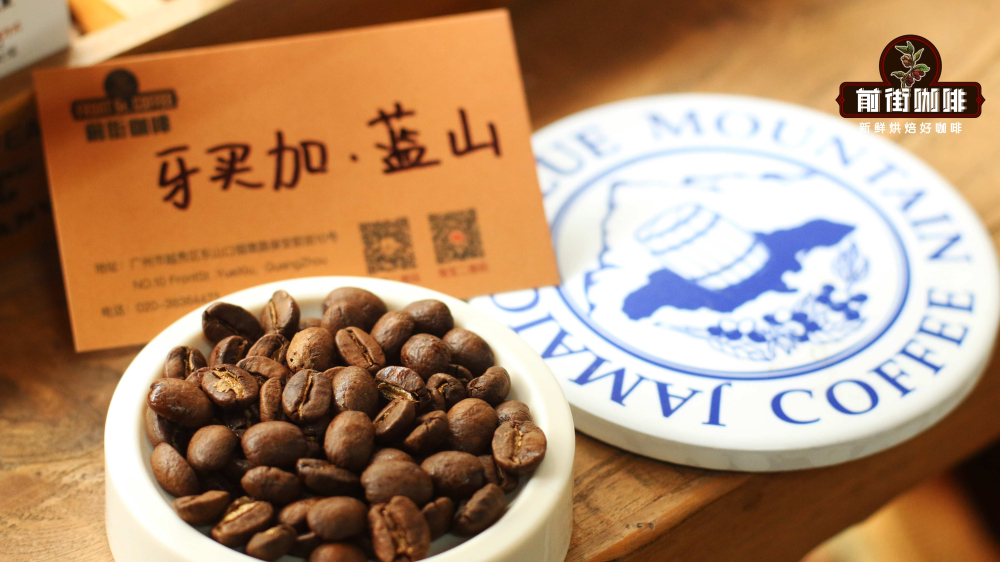
If you dislike acidity, choose Front Street Brazil Queen Estate Yellow Bourbon, Front Street Jamaica Blue Mountain No.1, or Front Street Papua Bird of Paradise, which present clean nutty, chocolate, and caramel flavors.
One thing to note: the Clever Cup also requires filter paper. It is precisely because of the filter paper that cleanup is so hassle-free—just lift the filter paper and throw the coffee grounds into the trash, leaving no residue in the cup; a quick rinse with water is enough.
Then purchase filter paper that matches your Clever Cup model. Front Street uses large fan-shaped filter paper.
You need to prepare five items: a Clever Cup, filter paper, any coffee beans, hot water, and any cup (the cup's diameter must not exceed the Clever Cup's base, otherwise the bottom valve cannot be triggered).
The coffee grind should follow the standard for regular hot pour-over, about 80% passing through a No. 20 sieve. The amount of coffee depends on how much you want to drink; Front Street uses 20g of coffee with a 1:15 coffee-to-water ratio.
First, place the filter paper and wet it with water.
Then pour the coffee grounds into the wetted filter paper.
Pour water at a slightly higher temperature—94°C hot water is needed. Front Street uses a 1:15 coffee-to-water ratio, which means pouring 300ml of hot water all at once, then start timing and let it sit for four minutes.
After four minutes, place the Clever Cup on the pre-prepared cup, and the coffee will filter out. Once filtered, shake it a few times and it's ready to drink.
Now for the tasting! This time, the Clever Cup used beans from Front Street Panama Elida Estate, showing a slightly less impressive flavor than pour-over, but the orange acidity is still clear, with peach sweetness and a slight raisin fermentation note.
The brewing method is really simple and perfect for those who want to relax a bit.
The above content is compiled by CoffeeHunters, a coffee news website.


