







How Do Natural, Washed and Honey Processing Change Flavor?
Coffee bean processing shapes flavor before roasting. Natural processing dries whole cherries for three to four weeks, so the fruit ferments and the beans take on sugars, giving sweeter, layered cups. Washed processing removes skin, pulp and mucilage and delivers cleaner cups with sharper acidity. Honey processing and wet hulling sit between these, and each origin adapts methods to its climate.
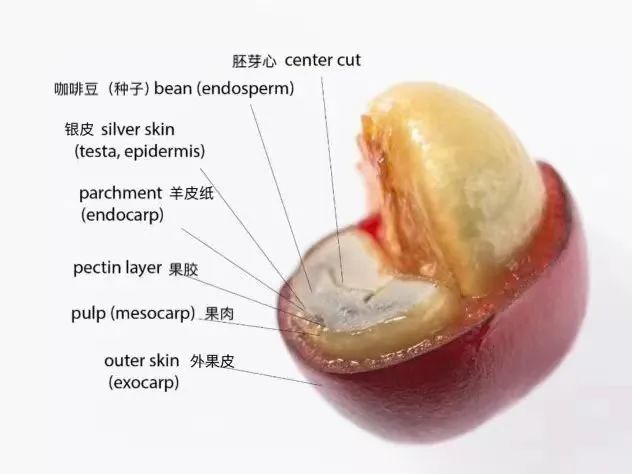
A coffee cherry holds skin, pulp, mucilage, parchment, silver skin, and the seed. Natural processing leaves all layers on during drying, while washed processing ferments the mucilage off. Judging a bean's method by flavor is now common: cleanliness and bright acidity point to washed, fermented sweetness and heavier body point to natural. The article also lists representative Front Street beans for each style.
The same coffee cherry, processed in different ways, can end up tasting completely different in the cup. Natural processing tends to bring out more pronounced fermented sweetness and richer layers, while washed processing usually delivers a cleaner cup and brighter acidity. Honey processing, wet hulling, and other locally adapted methods also play their own roles in different origins. How are these processing methods carried out step by step? Why do they have such a big impact on flavor? From the structure of the coffee cherry, to the detailed procedures of natural and washed processing, to the history and standardization considerations behind the birth of these methods, this article will systematically sort out the steps, flavor differences, and origins of natural, washed, and honey processing, while weaving in the flavor characteristics of several representative Front Street Coffee beans, to help you more clearly understand the relationship between processing methods and coffee flavor.
From today's specialty coffee perspective, we can absolutely use flavor to judge whether a bean has undergone washed or natural processing. Generally speaking, washed coffees perform more prominently in cleanliness and have sharper acidity; while natural coffees show more obvious sweetness from fermentation and richer layers in the mouthfeel.
Because of this, today's consumers can choose coffee beans that suit their personal taste preferences. So why do different processing methods shape different coffee flavors?
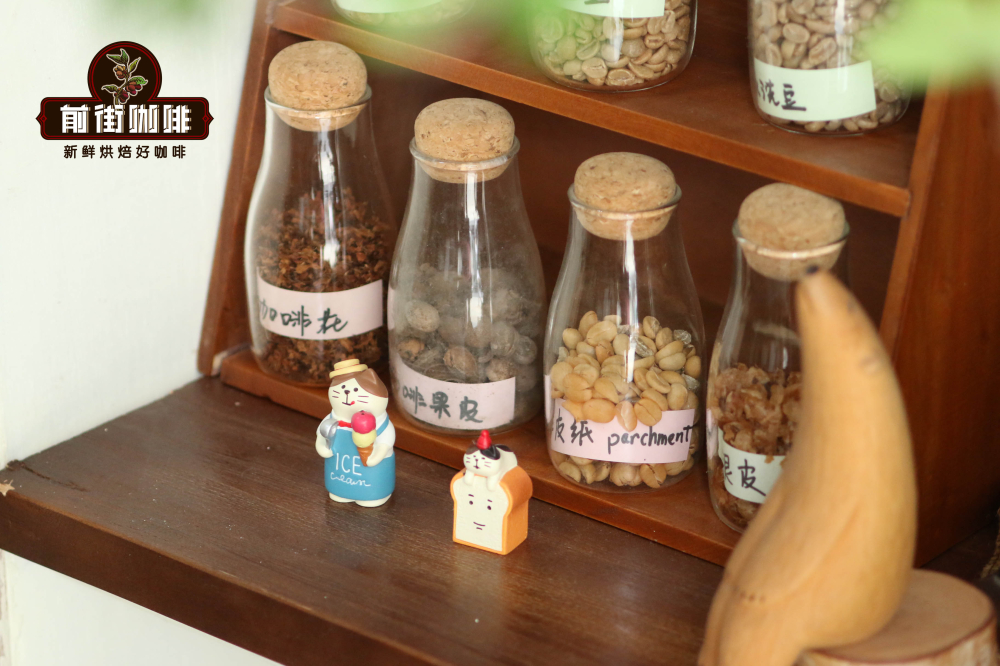
This actually has to do with the fermentation process the coffee undergoes. In Front Street Coffee's previous educational content on processing methods, it was also mentioned that a coffee cherry can be divided from outside to inside into the skin, pulp, mucilage, parchment, silver skin, and seed (that is, the coffee bean).
The natural method involves spreading the whole harvested coffee cherries out to dry directly until the moisture content drops to the target range. During this drying cycle, which lasts three to four weeks, the entire fruit is involved in fermentation, so the coffee beans absorb sugars from the mucilage layer and pulp, ultimately showing sweeter characteristics in flavor.

As the oldest processing method, natural coffee beans include many classic representatives. First to recommend is the rich floral Front Street Coffee Natural Huakui, along with the Front Street Coffee Natural Red Cherry with prominent citrus acidity, the Front Street Coffee Natural Queen's Estate with creamy nutty notes, and the elegantly floral-tea-like Front Street Coffee Emerald Red Label Geisha.
Washed processing, on the other hand, first removes the skin from the fresh coffee cherries, then puts them into fermentation tanks to stir and soak for about 36 hours, so that the mucilage layer separates from the beans. After that, the coffee beans are thoroughly rinsed with clean water and then dried. During the entire drying stage, almost only the coffee beans themselves are involved in fermentation. With fewer fermented substances, cleanliness naturally improves, and at the same time the acidity becomes more prominent under a light roast.
Because they go through more rounds of screening and processing, washed coffee beans are often regarded as a symbol of quality. Representative specialty beans include the jasmine-scented Front Street Coffee Gudingding, the Front Street Coffee Emerald Green Label Geisha with melon flavors, and the Front Street Coffee Kenya Little Tomato with obvious berry aromas.
We can also fairly easily distinguish washed beans from natural beans by appearance. As for green beans, washed beans are lighter green, while natural beans are pale yellow; and in roasted beans, washed beans have an obvious "white center line," while natural beans do not have this feature.
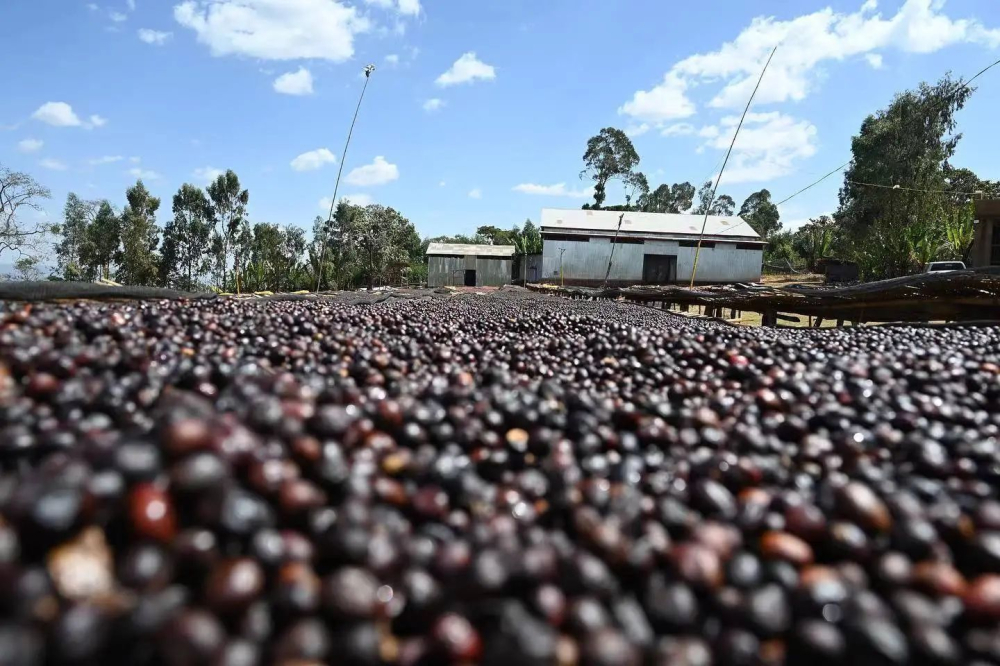
However, when these processing methods were first created, they were not actually aimed at pursuing flavor. Humanity's oldest coffee processing method is traditional natural processing — put plainly, it means spreading fresh coffee cherries directly in a yard or on a roof to sun-dry, requiring almost no cost, and anyone can do it.
But problems followed — this method depends entirely on the weather. In origins with unstable weather, mold and rot are very likely to occur; and because the pulp is high in sugar, it easily attracts insects, making the quality of natural coffee hard to stabilize. Before Ethiopia's coffee system reform, naturally processed coffee beans could at best only reach G3 grade.
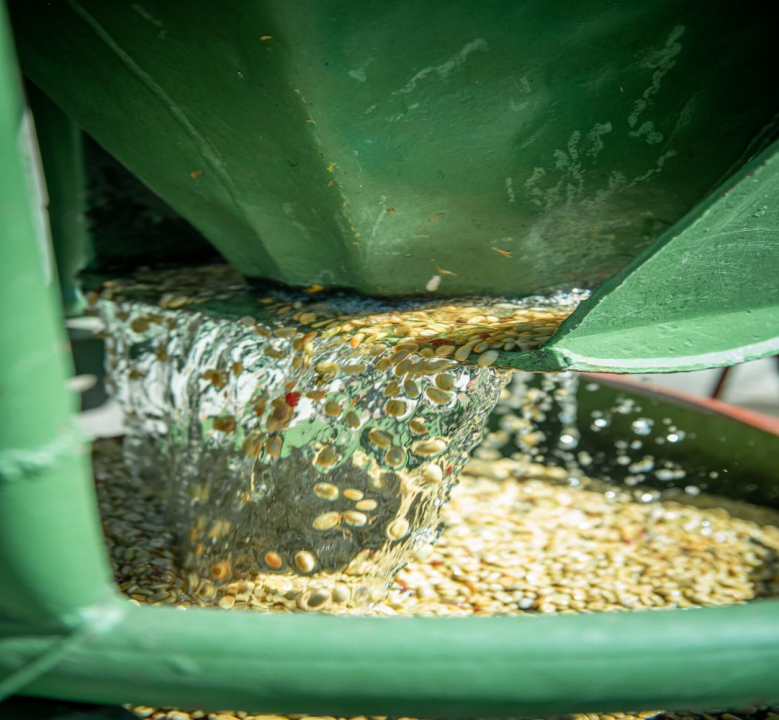
Washed processing, by contrast, is a product of industrialized standardized production. Faced with the low and uneven quality of natural processing, only standardized production could bring greater benefits. In 1740, the Dutch, who controlled colonial coffee cultivation and the world coffee trade, began using the washed method to process coffee beans. Initially, on the West Indies islands, people discovered that after removing the skin, soaking coffee beans in water could remove the sticky mucilage layer, which both shortened drying time and effectively reduced the risk of infection by pests, diseases, bacteria, and mold. Therefore, at that time, washed beans were regarded as a symbol of high quality.
Later, in 1844, the invention of the coffee depulper further improved the efficiency of washed processing. But the cost of washed processing is also quite high, requiring a large amount of water — on average, every 200 kilograms of green coffee beans uses 10 to 20 tons of water — so processing plants can only be built near water sources. It can be said that in the emergence of washed processing, flavor and mouthfeel accounted for only a small part of the reason; the main considerations came from yield rate, output, and product standardization.
But washed processing is not omnipotent either. In regions with underdeveloped water resources, such as the high mountain areas of Costa Rica and the plateau regions of Brazil, locally adapted honey processing and semi-dry processing methods emerged, with representative beans including Front Street Coffee Blackberry and Front Street Coffee Brazil Cerrado. And in Indonesia's humid environment, wet hulling was developed, with the most representative example being the well-known Front Street Coffee Mandheling.
These methods were all attempts to combine local actual conditions and figure out processing paths with high yield and high quality rates. Of course, they also indeed gave coffee beans unique flavor expressions.
From the proposal of the specialty coffee concept in the 1970s to today, research on processing methods has continued to deepen in the direction of flavor. For example, the famous Palm Trees and Toucans Estate, Finca El Paraiso, and 90+ Estate are all dedicated to exploring new processing techniques and uncovering more diverse flavor possibilities in coffee beans.
Natural processing itself is also continually evolving, for example by using African raised beds for sun-drying to reduce pest damage and ground contamination, using shade cloth to control sunlight intensity, and strengthening personnel management, regularly turning the coffee cherries, removing abnormal fruits, and so on.
The above content is compiled by CoffeeHunters, a coffee news website.


