








Which sun-dried coffee processing methods exist?
The natural process, also called dry process, is the oldest method: whole coffee cherries dry in direct sun for about 27 to 30 days until moisture falls from roughly 60 percent to 12 percent. It gives soft acidity, fuller body, layered sweetness, and fruity or winey notes in high-quality lots.
Coffee processing also includes washed, semi-washed, and honey methods, which remove fruit earlier and produce cleaner, brighter cups. The choice shapes green bean flavor much as winemaking shapes wine. Processing coffee beans this way explains why sun-dried lots like Red Cherry and Huakui taste rounder than washed counterparts.
The way coffee processing shapes the flavor of green beans is akin to how winemaking techniques influence wine—different processing methods can coax out entirely distinct characteristics. This article will systematically sort out the origins, procedures, and flavor traits of the natural process, and compare it with mainstream methods such as washed, semi-washed, and honey processing, to help enthusiasts understand the logic behind each processing method and its expression in the cup. It also draws on several representative beans from Front Street Coffee to offer specific buying references.
In the view of Front Street Coffee, an appropriate processing method can unlock the rich flavors contained in coffee beans. Just as wine requires meticulous vinification to present an excellent taste, processing methods play a similar role for green beans—different processing techniques impart distinct characteristic flavors to coffee beans.
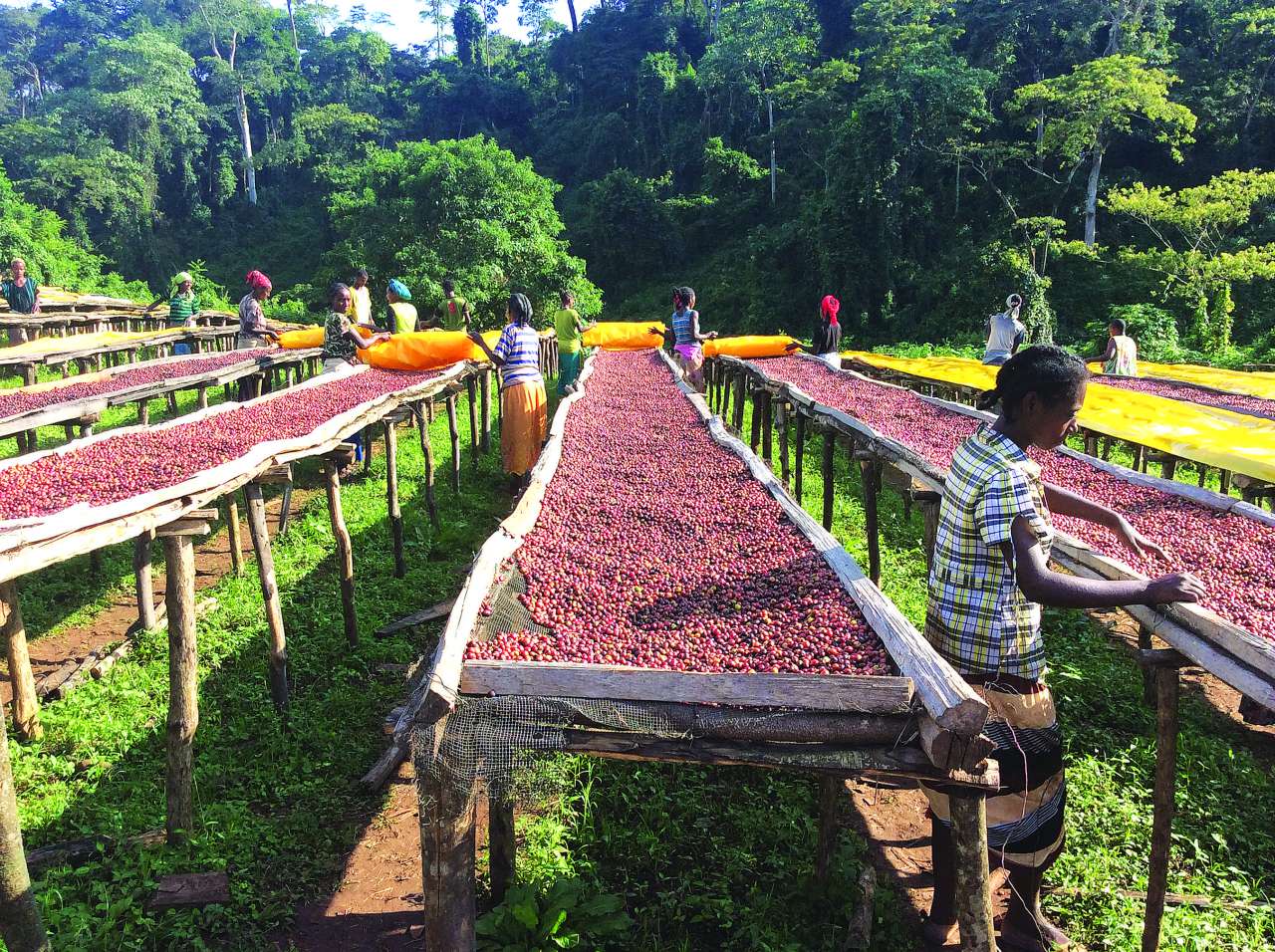
Dry process/Natural method
The natural process is the oldest and most primitive way of processing coffee beans. As early as over a thousand years ago, Arabs were already using this method to process coffee. Specifically, harvested coffee cherries are spread out on patios to receive direct sunlight. The entire sun-drying process lasts about 27 to 30 days, with moisture gradually decreasing from an initial 60% to around 12% before it is considered complete. This processing method is simple in principle and low in cost, but the process involves many uncontrollable factors and risks; for a long period, it was mostly used to process beans of less-than-ideal quality.
Flavor presentation: soft acidity and even bitterness, fuller body, rich layers, and relatively pronounced sweetness. High-quality natural beans carry fruity or winey notes. Recommended: Front Street Coffee Sun-Dried Red Cherry, Front Street Coffee Huakui, Front Street Coffee Queen's Estate—you can taste the rounded mouthfeel brought by traditional natural processing. You can purchase them at the Front Street Taobao store or the Front Street Tmall flagship store.
Sun-drying: Place fresh coffee cherries on a drying yard for sun-drying. After about 2–4 weeks of constant turning and natural drying to a moisture content of around 12%, the coffee cherries are evenly heated. After drying, the coffee bean core separates from the outer skin, and then the pulp and skin are removed with a huller, followed by sorting to complete the process.
Coffee beans from Yemen Mocha, Ethiopia Harrar, Brazil, and Indonesia Sulawesi are mostly processed this way.
Wet process/Washed method
The washed method was invented by the Dutch in the 18th century and is suitable for rainy regions. Although the process is quite cumbersome, it is currently a relatively common green bean processing method, accounting for about 70% of total coffee. Harvested cherries are passed through a depulper to separate most of the pulp from the coffee beans, and then the parchment beans are directed into a clean tank and soaked in water for fermentation to thoroughly remove the remaining mucilage layer. Through water processing, unripe beans and defective beans are selected out due to buoyancy, and the fermentation process is easier to control. Therefore, the flavor does not have the off-notes of natural beans, but instead presents pronounced fruit acidity, slightly greater complexity, and cleaner cup qualities (the absence of any negative flavors, such as astringency or sharpness). However, precisely because it is too "clean," the body is also somewhat weaker.
Flavor presentation: relatively strong acidity, with a cleaner, fresher, and brighter mouthfeel. Recommended: Front Street Coffee Butterfly, Front Street Coffee Fruit丁丁, Front Street Coffee Emerald Green Label Geisha.
Removing floating beans: Rinse the coffee cherries with clean water, then scoop out the unripe cherries floating on the surface.
Depulping: Send fresh cherries into a pulping machine to remove the skin and pulp.
Removing mucilage: Transfer the depulped seeds into a fermentation tank. After about 16–36 hours of natural fermentation, the surface mucilage is dissolved, then they are washed.
Drying and hulling: Continue sun-drying for 1–2 weeks to reduce moisture content to 12%, then remove the hull with a huller.
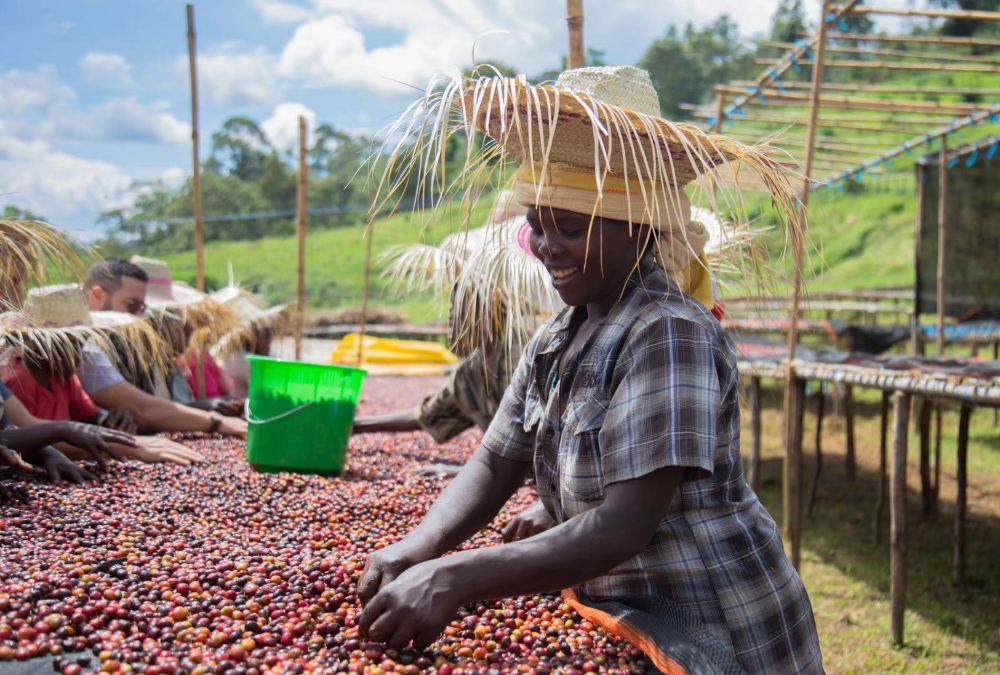
Washed beans tend to have a bluish-green color and an attractive appearance. Guatemalan, Colombian, Blue Mountain, Kona, Kenyan, Java, and Panamanian coffees all belong to the washed category.
Semi washed method
The semi-washed method is also called wet-hulling or wet-hulled process. What sets it apart from other processing methods is that during the process, the coffee beans are not directly dried to a moisture content of 11–12%. Instead, they are first dried to a moisture content of about 30–35%, at which point the parchment hull is removed, exposing the surface of the green beans directly, and then drying continues until reaching a moisture content that resists spoilage and facilitates storage. This secondary drying method gives the coffee beans a swampy dark green appearance. Coffee beans processed by the semi-washed method have lower acidity and a fuller character. Recommended: Front Street Coffee Golden Mandheling coffee beans.
The coffee flavor of the semi-washed method falls between that of the natural and washed methods. This processing method is prevalent in Indonesia, and Mandheling is mostly processed this way. Brazil has also begun using the semi-washed method in recent years. The semi-washed method is somewhat similar to the washed method: first remove the outer skin and part of the pulp of the coffee cherries, then dry the cherries, and after the cherries are dried, rewet them, then use a special machine to grind off the pulp and extract the seeds.
Honey Process/Miel Process
The term honey processing comes from the very sticky mucilage layer on the coffee beans before drying; the sticky feeling is like honey. When the coffee pulp is separated from the coffee beans, the mucilage layer surrounding them is exposed to the sun, absorbs moisture from the air, and becomes sticky. Here, "honey" refers to the mucilage layer of the coffee pulp. After harvesting, the cherries are likewise peeled with a depulper to remove the outer skin, leaving the pulp to undergo sun-drying, allowing the sweetness of the pulp to enter the beans, while not requiring as long a time as the natural method.
Flavor presentation: low acidity, higher sweetness, along with fruity aromas. The mouthfeel is cleaner than natural beans, and after drying there is a fermented wine-like finish. Recommended: Front Street Coffee Strawberry Candy coffee beans.
Removing the skin: Wash the coffee cherries with clean water, then remove the skin while leaving the pulp.
Sun-drying: Keep the sugar-containing pulp and dry it together. During this stage, it must be turned continuously to prevent the green beans from molding.
Obtaining green beans: After drying is complete, remove the pulp, mucilage, and hull all at once.
Honey processing is currently a popular processing method, and Central American countries such as Costa Rica and El Salvador are especially skilled at it.
The above content is compiled by CoffeeHunters, a coffee news website.


