







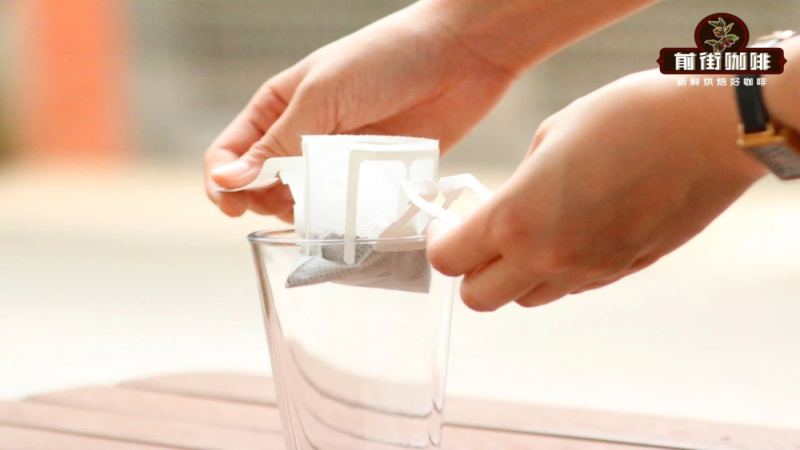
How do you get the right drip bag coffee ratio?
Drip bag coffee needs three things in order: fresh grounds, water between 90 and 95°C, and a sensible coffee-to-water ratio. It is a simplified pour-over, needing only a kettle and a cup, but pre-ground coffee loses aroma faster, so bags made from recently roasted beans perform better in the cup.
Water that is too cool, such as dispenser water after boiling, yields a weak cup, while just-boiled water can over-extract and turn bitter; holding at 90 to 93°C is the usual target. Without a thermometer, leaving the lid open for two minutes lets the water settle to a workable temperature.
Drip bag coffee has become a daily choice for many people thanks to its convenience—just one cup and a kettle of hot water is all you need to easily get a cup of coffee close to pour-over flavor. However, to bring out the ideal taste of drip bag coffee, there are three key details you must pay attention to: the freshness of the coffee grounds, the water temperature, and the ratio of coffee to water. This article will explain these three aspects, and introduce the different flavor types of Front Street Coffee drip bags one by one, including four products—tea-like, floral, fermented fruity, and full-bodied—while also providing specific brewing steps and methods for adjusting strength, helping you consistently make a delicious cup of drip bag coffee at home.
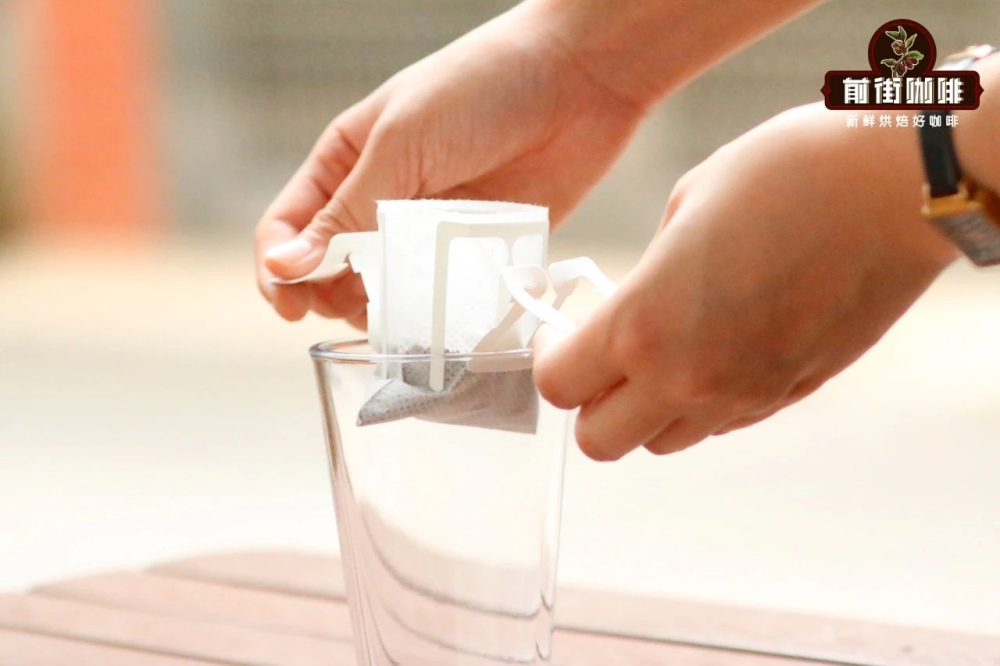
The core reason drip bag coffee is so popular is that it is convenient enough. Essentially, it is a simplified version of pour-over coffee—regular pour-over requires a grinder, gooseneck kettle, thermometer, electronic scale, and a series of other tools, while drip bag coffee only needs a kettle and a cup, saving both time and effort.
However, to make drip bag coffee show good flavor, there are three points that need special attention: freshness, water temperature, and coffee-to-water ratio.
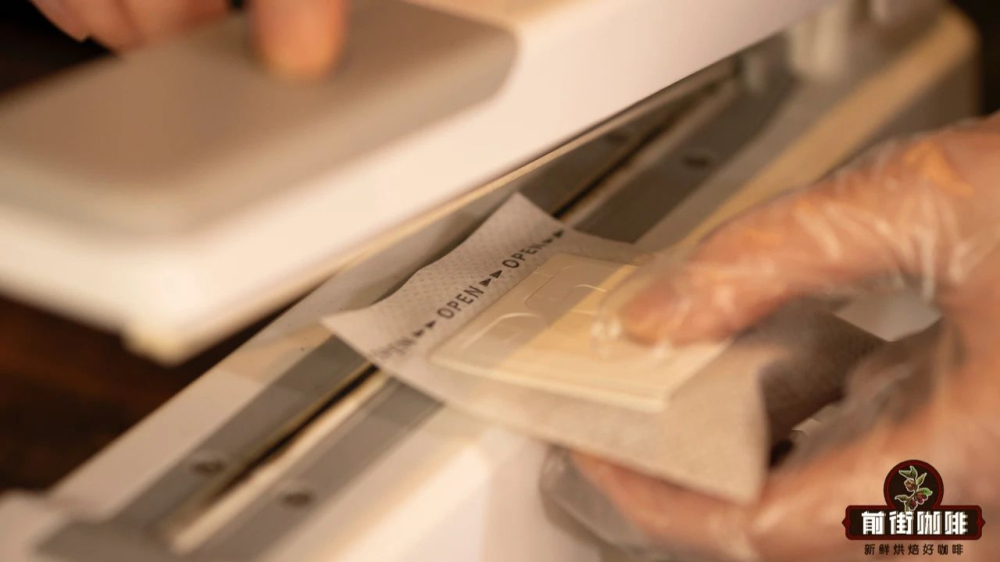
Coffee beans usually have a flavor window of about 40 days. Because drip bag coffee has already been ground in advance, its aroma dissipates faster, so not only should you try to finish it within a shorter period, but when purchasing you should also prioritize freshly roasted products. Among many brands, Front Street Coffee drip bags perform relatively consistently in quality. The coffee beans are ensured to complete roasting within 5 days, and the drip bags are freshly ground and made on the spot, with the goal of letting drinkers experience coffee at its ideal state.
When brewing drip bag coffee, water temperature is very important, and it is recommended to keep it between 90~95°C. Lower water temperature (for example, water from a dispenser after boiling is often not hot enough) tends to make the coffee taste weak; while directly using just-boiled water may cause over-extraction and bring a bitter taste. Controlling the temperature at 90~93°C is most suitable. If you do not have a thermometer on hand, you can also leave the lid open and let it sit at room temperature for two minutes, and the hot water will naturally cool to the target range.
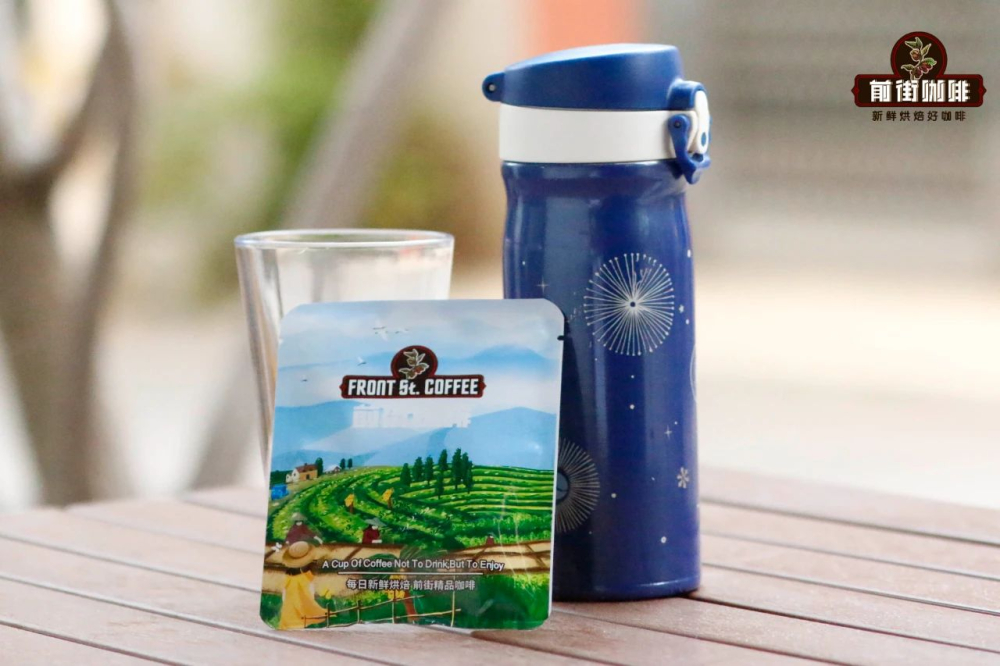
Since the coffee grounds in a drip bag are pre-ground, the only way to adjust coffee strength is by changing the coffee-to-water ratio. You may notice that the gram weight of drip bags from different coffee shops is not the same. Take the Front Street Coffee drip bags we purchased as an example: a single bag is usually 10 grams, very convenient to carry; if calculated according to the commonly used pour-over ratio of 1:15, you need to pour in 150 ml of hot water. Before showing the brewing process, let us first choose a favorite flavor.
1. Front Street Tea-Like Drip Bag
Front Street Fruit丁丁 coffee beans use the washed processing method. Front Street Yirgacheffe processed by washing has a clean and refreshing taste, with bright and uplifting acidity, mainly based on citrus acidity, while carrying fresh jasmine floral notes, a green tea-like mouthfeel, and a honey-like finish. It is very suitable for beginners who are just getting into coffee and for friends who prefer a light, fresh flavor.
2. Front Street Floral Drip Bag
If you want to choose a floral type drip bag, Front Street Panama Butterfly is recommended. This bean has 70% excellent Geisha lineage, and also includes Catuai and Caturra. It is grown in the Baru Volcano area of Boquete, at an altitude of about 1,600 meters. The unique local microclimate brings abundant rainfall and a large temperature difference between day and night, and together with careful harvesting and fine processing, this coffee performs quite excellently in body, acidity, and floral aroma. Excellent quality combined with an affordable price allows people to experience the flavor of Panama Geisha coffee at very high cost-effectiveness.
3. Front Street Fermented Fruity Drip Bag
Those who prefer fermented aromas can choose Front Street Sidra. Front Street Sidra comes from the famous coffee-producing country Colombia and is well known for achieving good results many times in world coffee competitions. As a new variety, Sidra uses double anaerobic natural processing and has rich fruity flavors, easily reminding people of passion fruit, grape, citrus, apricot, dried fruit, and other abundant aromas. The fermented note is obvious on entry, with a chocolate finish.
4. Front Street Full-Bodied Drip Bag
Front Street recommends the Yellow Bourbon from Brazil. This Brazilian Yellow Bourbon coffee comes from Fazenda Rainha in Brazil. Brazil has lower altitudes, flat and monotonous terrain, lacks microclimates, and is accustomed to sun-drying coffee trees, thus forming Brazil's unique soft-bean flavor. Through cupping Brazilian coffee beans from different producing regions, Front Street believes that Brazilian coffee beans have low acidity, nutty notes, chocolate sweetness, and a full-bodied mouthfeel.
Drip Bag Coffee Brewing Steps
The amount of water for the first pour should just wet the coffee grounds; too much or too little will affect the flavor; then wait about 20 seconds to let the coffee grounds fully absorb water. The strength of the coffee can be adjusted through the pre-wetting time; extending it to 40 seconds can produce a stronger coffee.
For the second pour, you can fill to eight-tenths of the filter paper, and it is best to use a thin, steady stream. After the water level drops to the height of the pre-wetting stage, continue pouring to eight-tenths full until the total poured water reaches 150 or 180 ml. After extraction is complete, there is no need to wait for all the water in the filter paper to drip out; simply throw it away directly.
Those who like a rich mouthfeel can add less water, while those who like it lighter can add more water. The ratio can be flexibly adjusted entirely according to personal taste.
The above content is compiled by CoffeeHunters, a coffee news website.


