







Search Results for: washed Caturra
Bourbon Natural Mutation Caturra: From Variety Characteristics to Brewing Analysis of a Colombian Huila Washed Everyday Bean
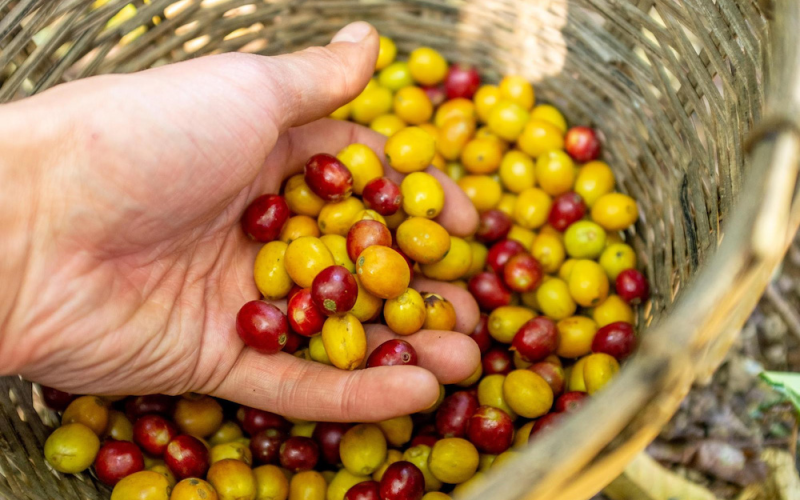
Caturra is a natural mutation of Bourbon discovered in Brazil. With its high yield and strong disease resistance, it has become a common choice for large-scale cultivation. The plant is short with compact branching, and it maintains vigorous growth even under direct sunlight, which is why it is called "sun-grown coffee." In addition to Red Caturra and Yellow Caturra, there is also the rare Purple Caturra, which arose from a natural mutation of Red Caturra. In terms of flavor, Caturra typically exhibits bright acidity and medium body, often with lemon or citrus notes in the cup, while its sweetness is greatly influenced by fertilization management. Colombia is an important stage for Caturra, and Front Street Coffee's bean list also includes several Caturra coffees. This article covers the variety's background, the Colombian washed processing procedure, and the brewing parameters and flavor performance of a Huila everyday-drinking bean. [more…]
Caturra Coffee Variety Full Analysis: From Bourbon Mutation to Central American Mainstay, Flavor Characteristics and Representative Beans
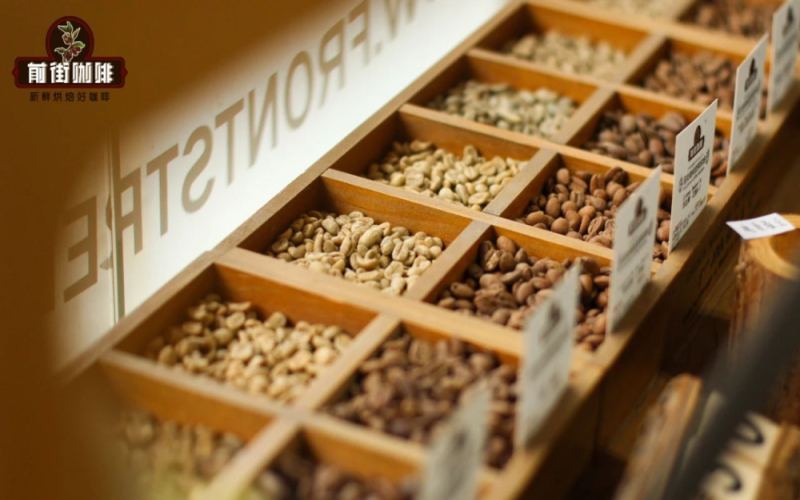
Caturra is a highly economically valuable natural mutation within the Bourbon lineage. With advantages such as a small plant size, suitability for dense planting, and no need for shade, it has become an important pillar of coffee-growing regions in Central America. In this article, from the perspective of Front Street Coffee, we will sort out the historical origins and variety characteristics of Caturra, and use its Colombian passion fruit enzyme washed Purple Caturra as an example to introduce the Huila region, the processing methods and brewing suggestions of Finca Monteblanco, helping coffee lovers gain a comprehensive understanding of the unique charm of this variety. [more…]

A Comprehensive Analysis of the Caturra Coffee Variety: From Bourbon Mutation to the Flavor Profile of Colombian Huila Washed Beans
Caturra is a natural mutation of the Bourbon variety, first discovered between 1915 and 1918 on plantations in the state of Minas Gerais, Brazil. Because the genetic mutation caused the plant to be short and compact, locals called it "Caturra" in the Guarani language, meaning "small." This variety is not only suitable for dense planting, high yields, and easy harvesting, but also has the characteristic of thriving in full sun without the need for shade, which is why it is called "sun-dried coffee." Caturra has stronger environmental adaptability than Bourbon, and can be grown at altitudes ranging from 700 to 1,700 meters, with flavor improving at higher elevations. Its cupping performance is distinguished by bright acidity and sweetness. Under traditional processing methods, it shows pronounced acidic aroma; under natural processing, it presents berry notes; and under washed processing, it carries a bright citrus-like acidity. The Colombia Huila region everyday drinking beans currently sold by Front Street Coffee are exactly the Caturra variety, which, after medium roasting, display a balanced flavor of nuts, dark chocolate, caramel, and soft citrus fruit acidity. [more…]
Caturra Coffee Flavor and Price Analysis: From Variety Characteristics to Front Street Colombia Cauca Valley Washed Beans
Caturra is a natural mutation of Bourbon, first discovered in Brazil in the 1950s. This variety combines Bourbon's excellent flavor with stronger environmental adaptability, a compact tree shape that facilitates picking, and the ability to withstand scorching sun exposure. This article will explore Caturra from the perspectives of its varietal origins, cultivation characteristics, and suitable altitude, with a focus on the Colombian Cauca Valley Caturra washed beans selected by Front Street Coffee—grown at 1,750 meters in volcanic ash soil, yielding a crisp, bright, sweet aftertaste; after medium roasting, it presents chocolate and nut aromas with a creamy, silky texture, balanced acidity and sweetness, and is easy for beginners to accept. Finally, a price and value-for-money analysis is included: a 227-gram bag costs about 95 yuan, with a single cup costing only around 6 yuan, making it suitable for friends who want to try Colombian flavors. [more…]
Colombia El Mirador Estate Washed Caturra Green Coffee Bean Review and Roast Log
In recent years, more and more micro green coffee traders specializing in single countries of origin have entered the market. They are more closely connected with estates, so the probability of their products being a miss is relatively lower. This review features Front Street Coffee Colombia Little Cabin Estate Washed Caturra coffee beans, from Company C, a green coffee trader specializing in Colombia. This bean has jasmine floral notes, chocolate, caramel, and moderate acidity. We conducted a 500g roasting test and recorded the complete cupping performance. In Michael Sheridan's experiments, the Caturra variety usually shows medium acidity and body, with cupping scores of about 82-85 points. This bean can be used both for pour-over single-origin brewing and for blends, but its SOE performance is somewhat monotonous. The detailed review process is as follows. [more…]
A Comprehensive Analysis of the Flavor and Origin of Front Street Panama Santa Teresa Estate Washed Caturra and Catuai Coffee
Panamanian coffee has attracted considerable attention among Central American producing countries in recent years. In addition to the Geisha variety from Hacienda La Esmeralda, which sparked a craze, Finca Santa Teresa in the Santa Clara region has also performed remarkably well. The estate is jointly managed by Juan Pablo Berard and his daughter Maria Luisia, covers 100 hectares, retains 25 hectares of primary forest, and mainly grows Caturra, Catuai, and Geisha. This article takes the estate's washed Caturra and Catuai as an entry point, sorts out the historical context of Panamanian coffee and the characteristics of its four core producing regions, and presents Finca Santa Teresa's award record and management philosophy. The micro-lot washed batch purchased this time by Front Street Coffee shows flavors of strawberry and floral notes, creamy roasted nuts accompanied by cane sugar sweetness, milk chocolate, and a pleasant sweet-acidity, and it has also repeatedly received recognition in Panama's Cup of Excellence CoE competitions over the years. [more…]
Honduras Sweet Orange Estate Caturra Washed Beans: Flavor Profile, Processing Method, and Brewing Parameters Explained
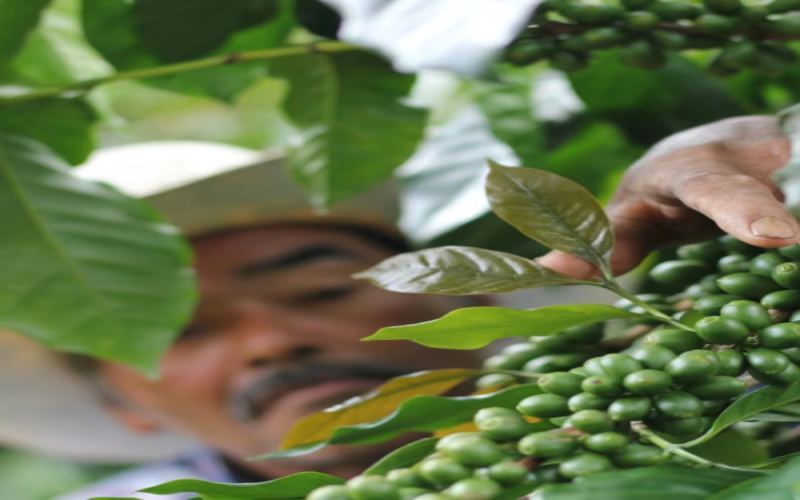
Honduran coffee is known for its high sweetness and citrus notes, and El Naranjo is one such bean worth savoring. The estate is located in Marcala in the La Paz region, with wild orange trees as shade trees, infusing the coffee with rich floral and fruity aromas. This article focuses on Front Street Coffee's Caturra washed bean, covering the estate background, variety characteristics, washed processing flow, roasting curve, cupping report, and V60 brewing parameters, fully presenting its flavor performance and brewing approach. It is suitable for enthusiasts who want to gain a deeper understanding of Honduran coffee or are looking for an everyday staple bean. [more…]
Analysis of Hacienda La Esmeralda Diamond Mountain Coffee Varieties: A Comparison of Caturra and Catuai Sun-Dried and Washed Flavors
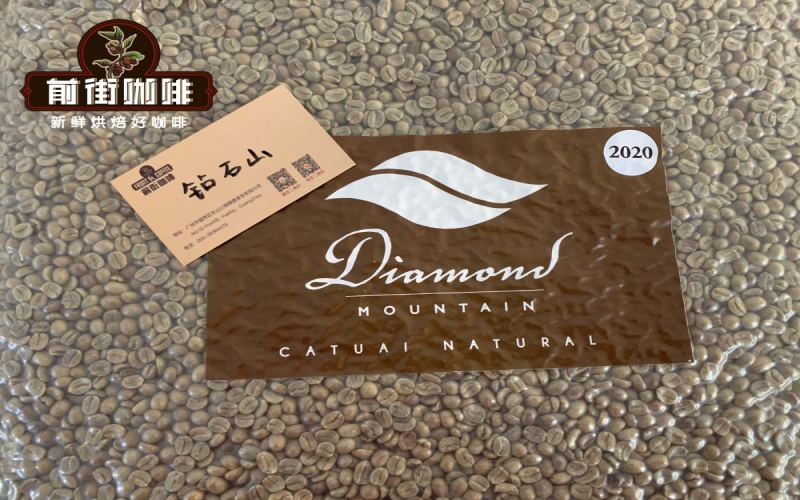
Front Street Diamond Mountain coffee originates from a star brand under Hacienda La Esmeralda. The green beans are sourced from two independent farms, Jaramillo and Canas Verdes, where volcanic soil and shade from pristine forests create rich fruit aromas and sweetness. The varieties are mainly Caturra and Catuai. Caturra is a natural mutation of Bourbon with strong altitude adaptability, while Catuai is a cross between Yellow Caturra and Mundo Novo, offering high yields and a clean, bright flavor. Front Street's washed Diamond Mountain presents grape, orange, and butterscotch flavors, while the natural version brings a nutty, chocolatey base. Hacienda La Esmeralda's mature natural processing techniques, combined with Guardiola dryers and 30 to 45 days of resting, further enhance the cup performance. [more…]
Caturra Coffee Bean Roasting Key Points, Brewing Parameters, and Price Reference: From Variety Characteristics to Front Street Coffee Huila Daily Bean Practice
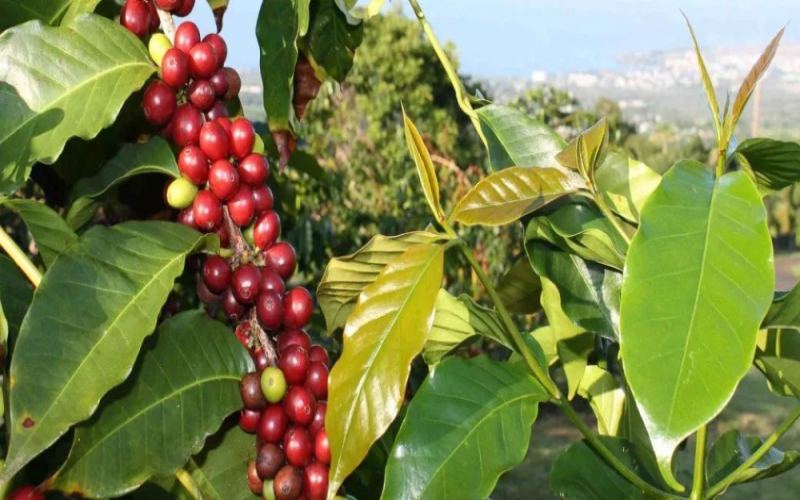
Caturra is a highly representative derivative variety within the Bourbon family, widely cultivated in Central and South America thanks to its high yield and impressive flavor performance. This article begins with Caturra's discovery history, botanical characteristics, growing adaptability, and disease weaknesses, then sorts out the differences among the red, yellow, and purple-fruited Caturra varieties, and provides specific brewing recipes for medium-dark roasted Caturra. The article also draws on Front Street Coffee's Colombian Huila everyday drinking beans to explain the flavor direction of washed red Caturra, the approach to cupping control, and complete parameters including dripper, water temperature, coffee dose, coffee-to-water ratio, grind size, and three-stage extraction technique, for coffee enthusiasts' reference. [more…]
Caturra Coffee Bean Flavor Analysis: Taste Characteristics and Brewing Suggestions of a Single-Gene Bourbon Variant
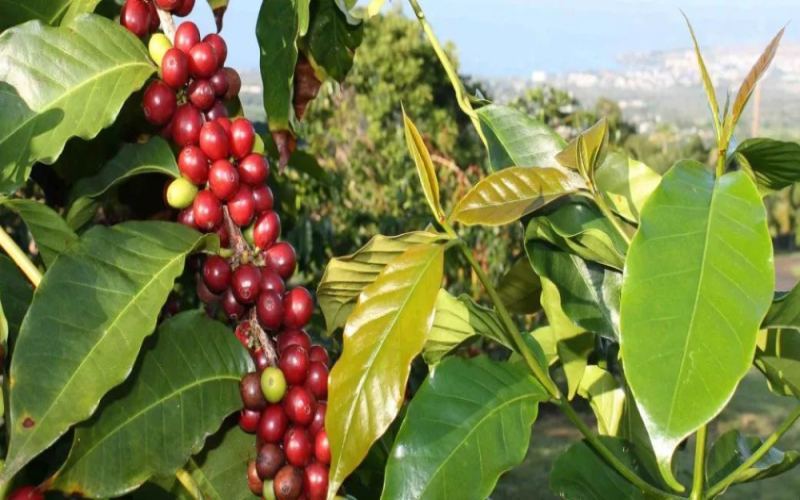
Caturra is an important single-gene mutation within the Bourbon family, and thanks to its exceptional adaptability and high-yield characteristics, it has become a leading variety in coffee-producing countries across Central and South America. From its discovery in Brazil to widespread cultivation in Colombia and Costa Rica, Caturra occupies a key position in the specialty coffee landscape. This article provides a detailed overview of Caturra's origins, spread, and flavor profile, and, drawing on Front Street Coffee's cupping experience, analyzes the taste differences under natural and washed processing. It also introduces the producing region information, flavor description, and brewing parameters of Front Street Coffee's Colombia Huila staple beans, offering coffee enthusiasts practical references for tasting and brewing. [more…]
A Complete Guide to Coffee Enzyme Washed Processing: Anaerobic Fermentation Principles, Caturra Variety Characteristics, and Rose Valley Flavor
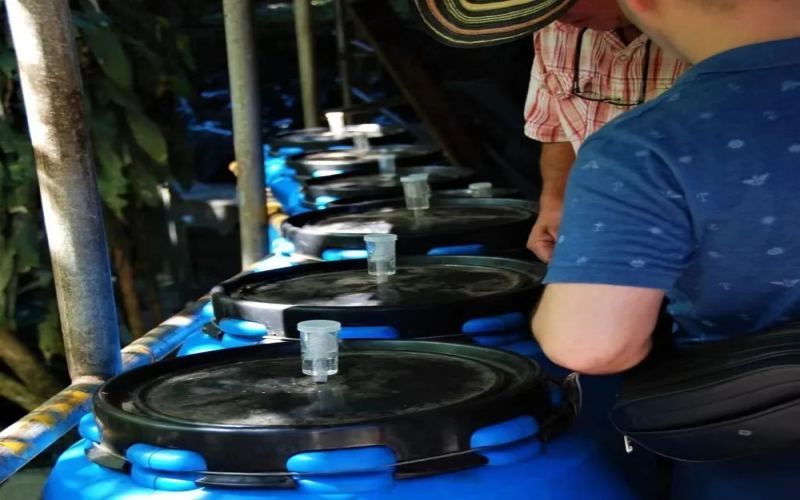
In the world of specialty coffee, innovative processing techniques are emerging one after another, with methods such as anaerobic fermentation, enzyme-assisted processing, and carbonic maceration gradually coming to the fore. This article focuses on anaerobic enzyme washed processing, a rather controversial method, analyzing it step by step—from the principles of fermentation, to the classic practice at Colombia's Finca El Diviso, to the botanical characteristics of the Caturra variety, and finally to Front Street Coffee's roasting and brewing approach. Through the representative product Rose Valley, readers can understand how double anaerobic enzyme washed processing affects coffee's acidity, sweetness, and overall flavor balance, and why it delivers a juice-like mouthfeel. [more…]
Colombia Huila Coffee Guide: Volcanic Farm Terroir, Caturra Variety, and Washed Processing Explained
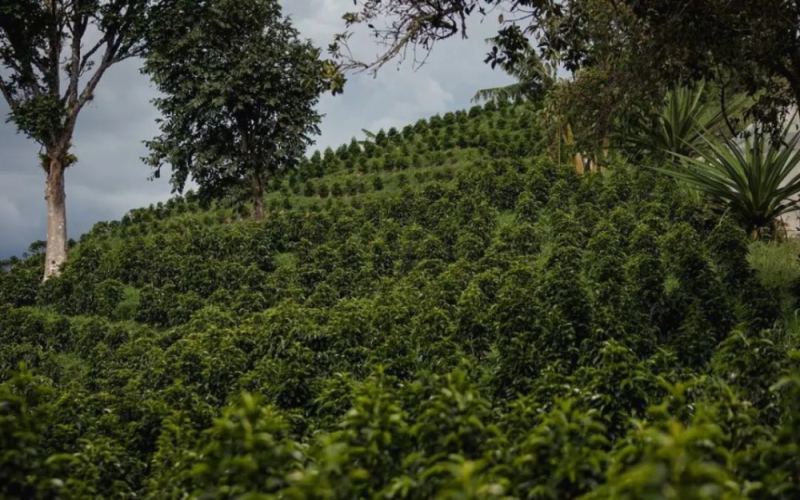
Colombia's Huila region, with the volcanic soils and high-altitude climate of the Andes Mountains, has become a star origin in the specialty coffee world. This article, from the bean-sourcing perspective of Front Street Coffee, systematically reviews Huila's geographical advantages, its smallholder farming model, the washed processing workflow, and the characteristics of the Caturra variety, and also shares in detail a KONO dripper pour-over recipe for a medium-dark roasted Huila everyday drinking coffee. Whether you want to understand the original flavors of Colombian coffee or are looking for a rich, full-bodied everyday cup, this article offers a complete reference. [more…]
Colombia Huila Volcano Region Coffee Guide: Estate Growing Features, Caturra Variety Flavor, and Washed Processing Method Explained
Colombian coffee has long held an important place on the specialty coffee stage, thanks to its long history of cultivation and its superior terroir spanning the Andes. Among its regions, Huila has frequently appeared on various green bean competition lists since the 21st century and received official designation of origin certification in 2013. This article will examine the growing environment around the Huila volcano, the smallholder production model, the characteristics of the Caturra variety, and the washed processing workflow. It will also share how Front Street Coffee selects everyday beans and the specific approach and parameters for brewing medium-dark roasted Huila coffee with a KONO dripper, giving you a comprehensive understanding of the flavor foundation of this classic region. [more…]
Colombia Rose Valley Double Anaerobic Coffee Explained: Santander El Arbol Estate Caturra Flavor and Processing Craft
Colombian coffee is renowned worldwide, named after its country. Thanks to its exceptional geographical and climatic conditions, it cultivates a distinctive acidity and full-bodied richness, earning widespread acclaim for its quality. This article focuses on Front Street Coffee's Colombia El Vergel Estate Double Enzyme Washed Rose Valley, providing an in-depth introduction to its producing region of Santander, the estate's management philosophy, the anaerobic processing technique, and the flavor characteristics of the Caturra variety. This bean delivers aromas of ripe fruits such as peach, strawberry, and melon, interwoven with notes of rose and champagne, offering a rich and layered taste experience that coffee enthusiasts will savor. [more…]
A Beginner's Guide to Colombian Huila Region Caturra Coffee Beans: Flavor Characteristics and Brewing Suggestions
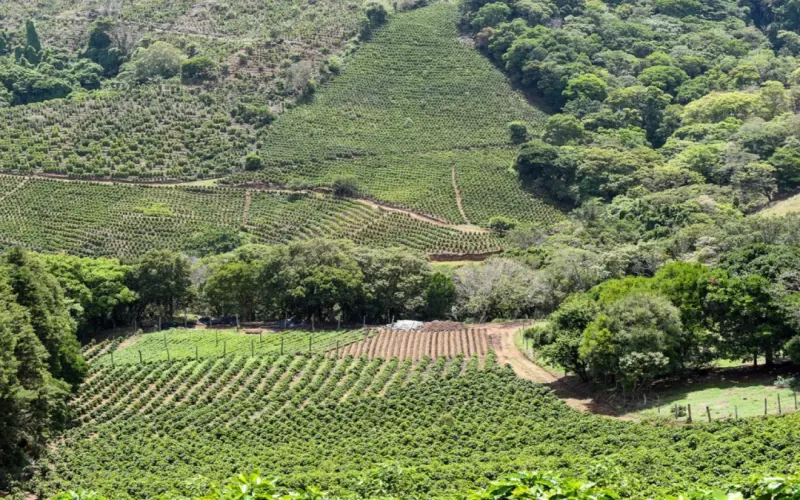
Colombia, as the world's third-largest coffee producer, nurtures specialty coffees of diverse styles thanks to the high altitudes, volcanic soils, and varied microclimates of the Andes Mountains. Among them, the southern Huila Department is a highly representative specialty-producing region, and the Caturra, a Bourbon mutation, displays a balanced and mild flavor profile here. This article will guide you through Colombia's geographic and climatic conditions, the unique advantages of the Huila region, and the characteristics of the Caturra variety. It will also introduce the growing region information, flavor description, and brewing parameters of Front Street Coffee's Entry Select Huila Washed Caturra coffee beans, helping you quickly get started with this everyday staple bean featuring dark chocolate and nutty notes. [more…]
Honduras Coffee Regions, Grading, and Flavor Characteristics: Front Street Coffee's Selection of Sweet Orange Estate and Washed Caturra Introduction
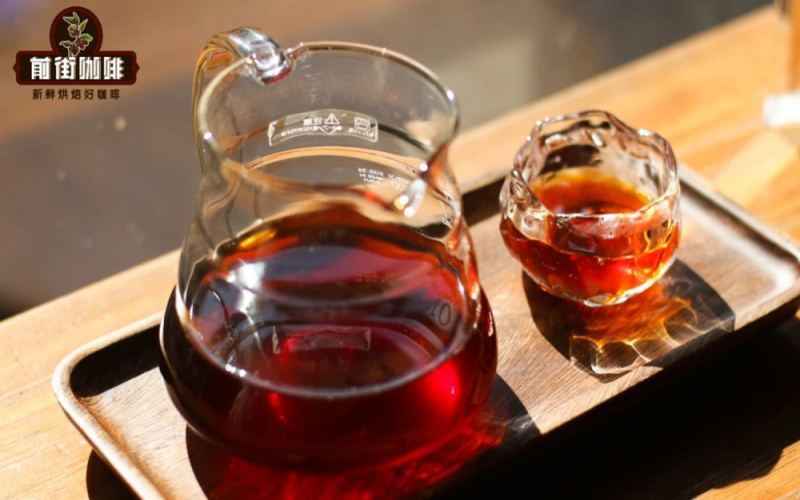
Honduras, as an important coffee-producing country in Central America, was long classified as a "medium-quality blended coffee," but since hosting its first COE competition in 2004, its high-quality potential has gradually been recognized by the world. This article reviews Honduras's six major producing regions and emerging micro-regions, with a focus on two beans offered by Front Street Coffee—Sweet Orange Estate and Washed Caturra—covering origin information, cupping flavors, roasting curves, and brewing parameters, giving you a comprehensive understanding of this Central American producing country's coffee strength and unique charm. [more…]

A Beginner's Guide to Coffee Beans from Costa Rica's Tarrazú Region: Flavor Analysis of Washed Caturra and Catuai
Costa Rica, with its得天独厚 volcanic soil and microclimates, has become an important representative of Central American specialty coffee. Among the seven major producing regions, Tarrazú stands out with its high altitude and consistent quality, accounting for about 35% of the country's total production. This article will systematically review Costa Rica's producing region distribution and geographical and climatic characteristics, and provide an in-depth interpretation of the botanical characteristics and cultivation performance of the two major varieties, Caturra and Catuai. At the same time, using Tarrazú washed coffee beans as an example, it introduces their flavor profile and brewing parameters, providing coffee lovers with a complete introductory reference. [more…]
Colombian Coffee Regions and Varieties Flavor Guide: From Caturra to Huila in the Cup
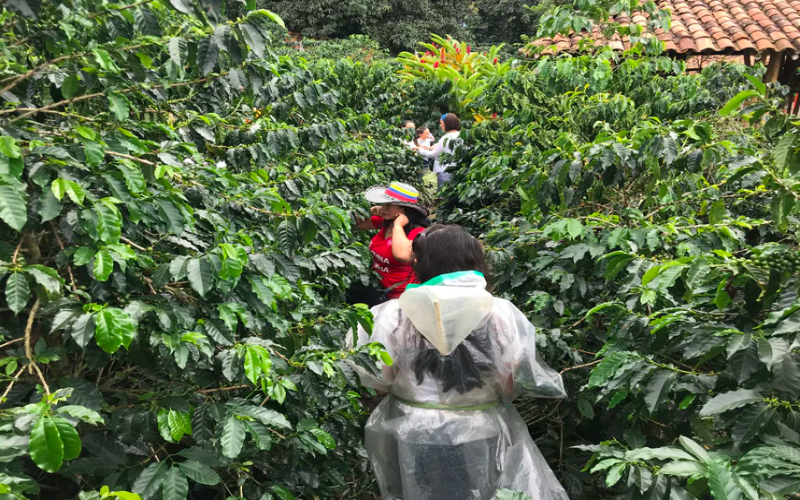
Colombia is located in the northwest corner of South America. With its high altitudes and fertile volcanic soil, it has become a major producer of Arabica coffee worldwide. Unlike Brazil, where flat terrain leads to a more uniform flavor profile, Colombian coffee often displays a rich, dark-chocolate-like body and caramel-like sweetness. This article will systematically break down the taste characteristics of Colombian coffee, from regional divisions and variety structure to specific flavor expressions, and introduce the consistent quality of Front Street Coffee's washed Huila coffee beans, helping coffee enthusiasts build a complete understanding of this origin. [more…]
Colombia Huila Washed Caturra Flavor Analysis and Pour-Over Parameters Explained
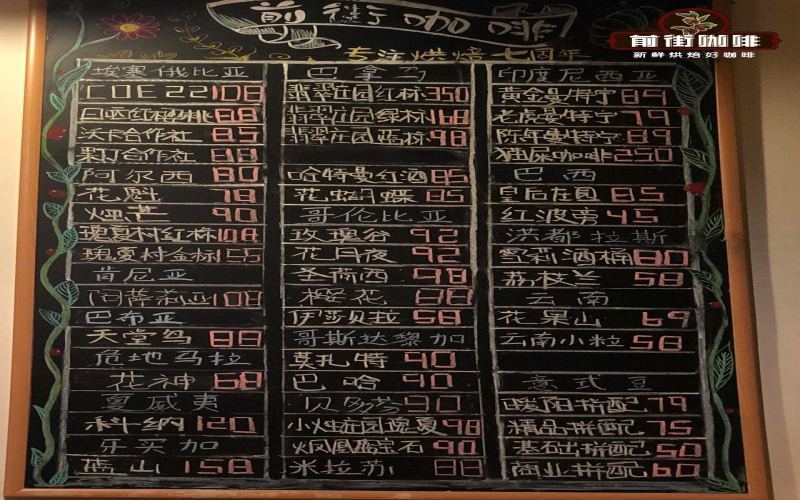
Colombia is the world's third-largest coffee producer and the only country legally permitted to grow exclusively Arabica, ranking first globally in washed coffee output. Front Street Coffee's bean list features a rich selection of Colombian coffees, ranging from everyday-value Huila washed Caturra to refined estate offerings like Flower Moon Night. This article approaches the topic from the broad flavor profile of the producing regions, mapping out Colombia's coffee cultivation scale, geographic and climatic advantages, and industry system. It focuses on the flavor performance and brewing methods of Front Street's Huila washed Caturra, and compares it with the anaerobic natural style differences of Flower Moon Night from the same region, helping coffee enthusiasts build a systematic understanding of Colombian coffee and pick the one that suits their taste. [more…]
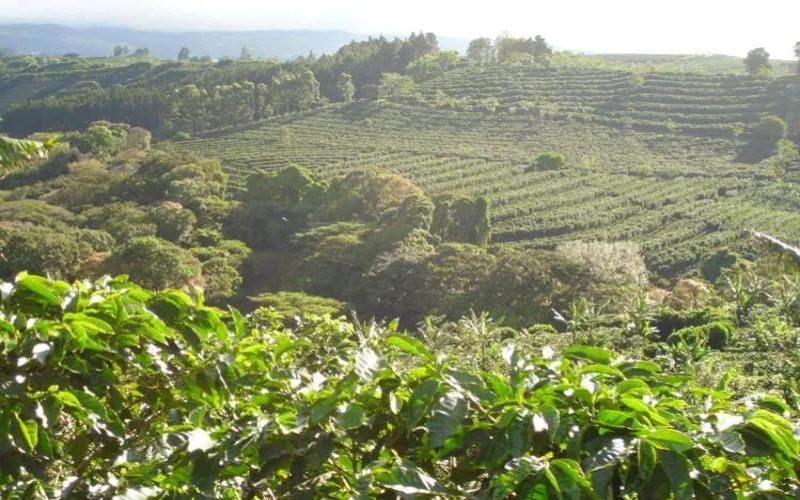
Why Are Colombian Coffee Flavors So Diverse? A Detailed Analysis of the Characteristics of Washed Caturra from the Huila Region
Colombian coffee has long been celebrated for its rich, nutty and chocolatey aromas, while striking a delicate balance between bright fruity acidity and sweetness. As the world's third-largest coffee producer, Colombia owes its remarkably diverse flavor profiles to the high altitudes of the Andes, varied microclimates, and a wealth of cultivated varieties. From the early days when production centered on the north-central regions, to today's shift of the specialty coffee heartland southward to Huila, Cauca, and Nariño, Colombia's coffee map has continued to evolve. This article will walk you through why the Huila region is able to produce outstanding coffee, how washed processing restores the bean's true flavors, and how the washed Caturra in Front Street Coffee's entry-level selection actually performs. [more…]