







How does enzyme washed processing change coffee brightness?
Enzyme washed processing adds specific enzymes during oxygen-free fermentation, so pectin breaks down along a targeted pathway instead of relying on natural fermentation alone. The result is a controlled flavor direction: the acidity stays vivid, sweetness stays round, and the overall balance shifts toward a juice-like mouthfeel rather than the cleaner profile of a standard washed coffee.
Colombia's Finca El Arbol, managed by Vargas for twenty years, is a reference case. Only fully ripe red cherries are picked, floaters are removed by washing, then two rounds of anaerobic fermentation follow with added enzyme groups. Drying is slow and kept at moderate temperatures. Coffee composition and brightness both respond to these choices, which is why the same variety can taste quite different.
In the specialty coffee world, various innovative processing techniques are emerging one after another, with methods such as anaerobic fermentation, enzyme-assisted processing, and carbon dioxide maceration gradually coming to the fore. This article will focus on the controversial anaerobic enzyme washed method, analyzing it step by step from the principles of fermentation, to the classic practice at Colombia's Finca El Arbol, to the botanical characteristics of the Caturra variety, and finally to Front Street Coffee's roasting and brewing approach. Through the representative product Rose Valley, readers can understand how double anaerobic enzyme washing affects the acidity, sweetness, and overall flavor balance of coffee, and why it presents a juice-like mouthfeel.
In recent years, an increasingly diverse array of innovative processing techniques has emerged in the coffee industry, with methods such as anaerobic fermentation, enzyme-assisted processing, and carbon dioxide maceration gradually securing a place in the market. The enzyme washed method discussed in this article has been accompanied by considerable controversy since its inception, and after many years, Front Street intends to re-examine this processing method to see what unique qualities it truly possesses.
Innovative Processing Method — Anaerobic Enzyme Washed The core difference between this processing method and traditional washed methods lies in the fermentation pathway. Traditional washing relies on natural fermentation to complete pectin decomposition, whereas anaerobic enzyme washing involves artificially adding enzymes to assist fermentation under oxygen-free conditions, thereby achieving a targeted flavor direction.
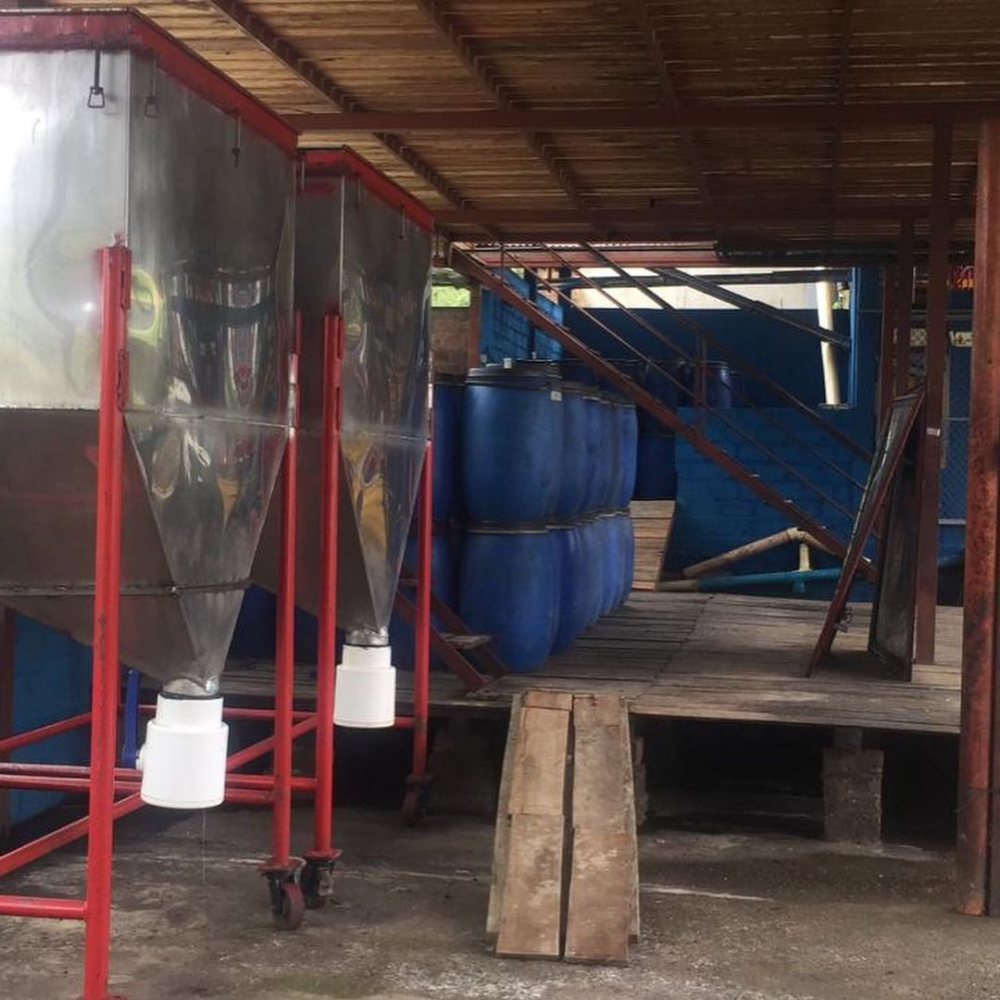
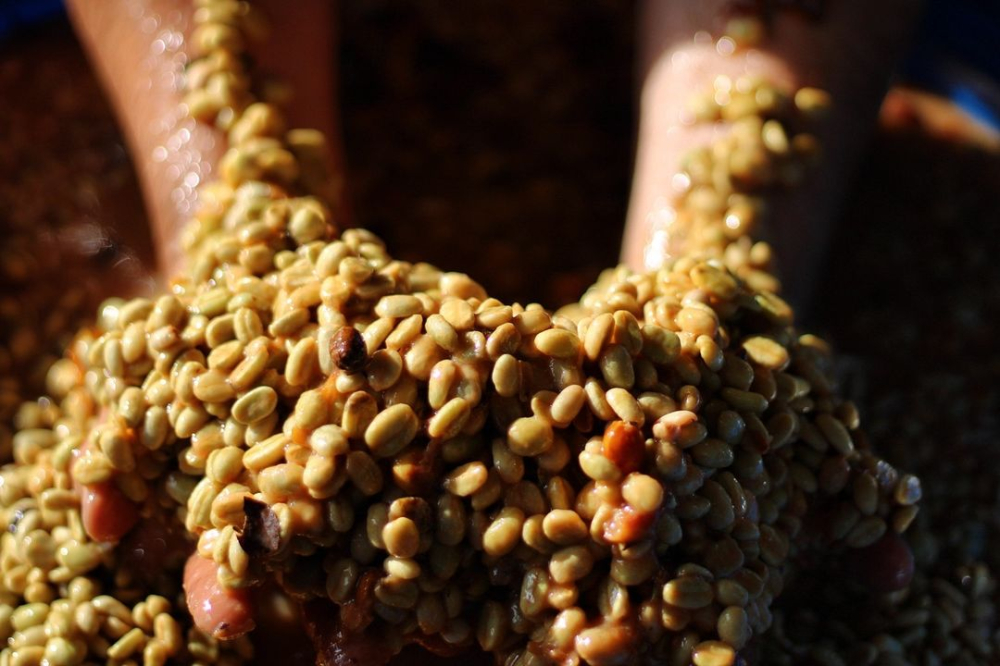
Colombia's Finca El Arbol is regarded as a benchmark case for this processing method, and its Rose Valley product attracted widespread attention upon release. Estate owner Vargas has managed the farm for twenty years, selecting only fully ripe coffee cherries with bright red skin during harvest, then removing defective floating beans through washing, followed by two rounds of anaerobic fermentation with the addition of specific enzyme groups for fermentation processing. In addition, the drying stage is also highly emphasized, avoiding excessive temperatures throughout and adopting a slow drying strategy.
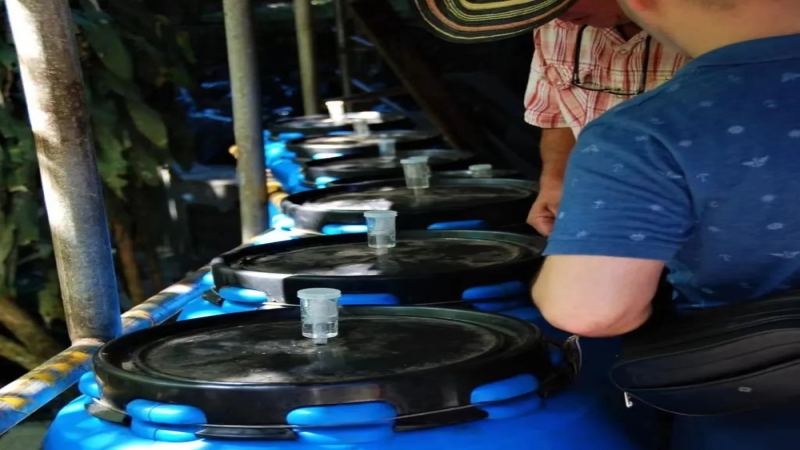
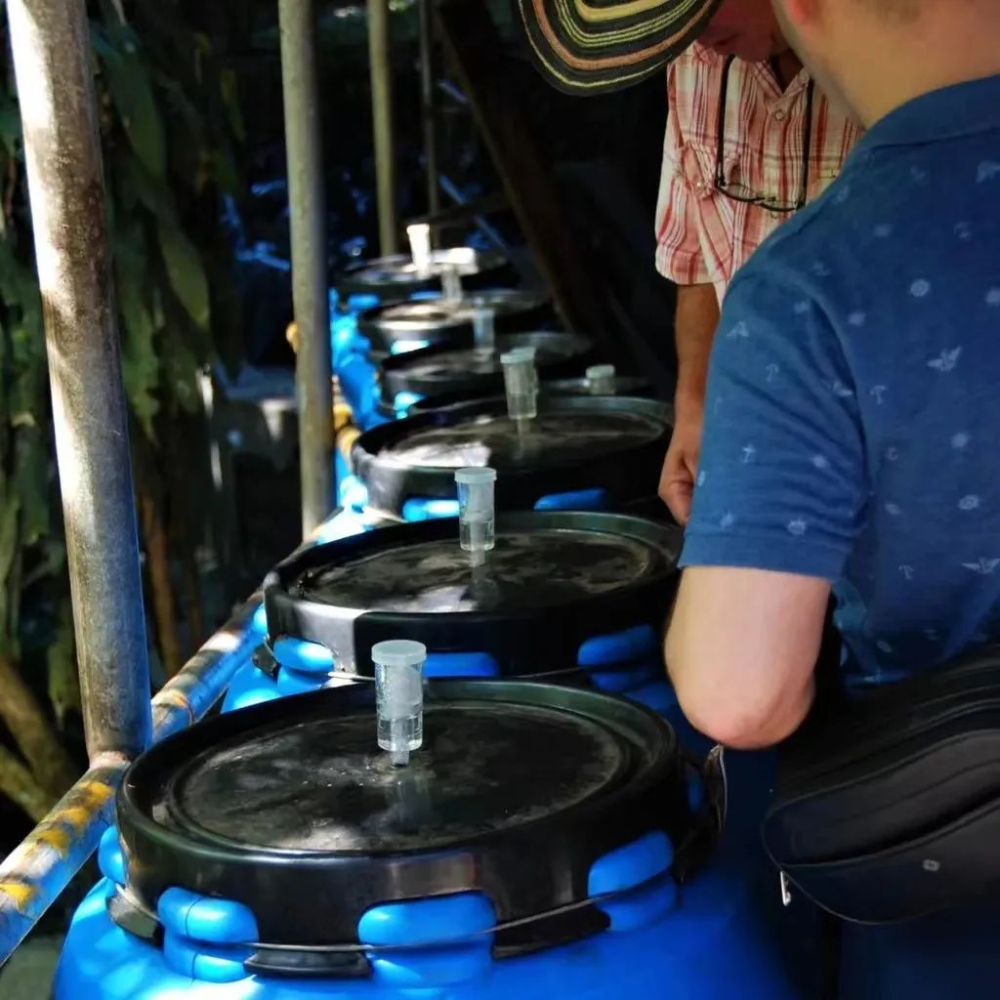
The anaerobic enzyme washed process is as follows: first, defective beans are removed through washing, then the prepared coffee beans are placed in an airtight container, carbon dioxide is introduced to expel oxygen, and under anaerobic conditions the rate of sugar decomposition in the coffee pectin is reduced, with the pH value declining more gradually, thereby extending the fermentation period and ultimately giving the coffee better sweetness and a more balanced flavor profile.
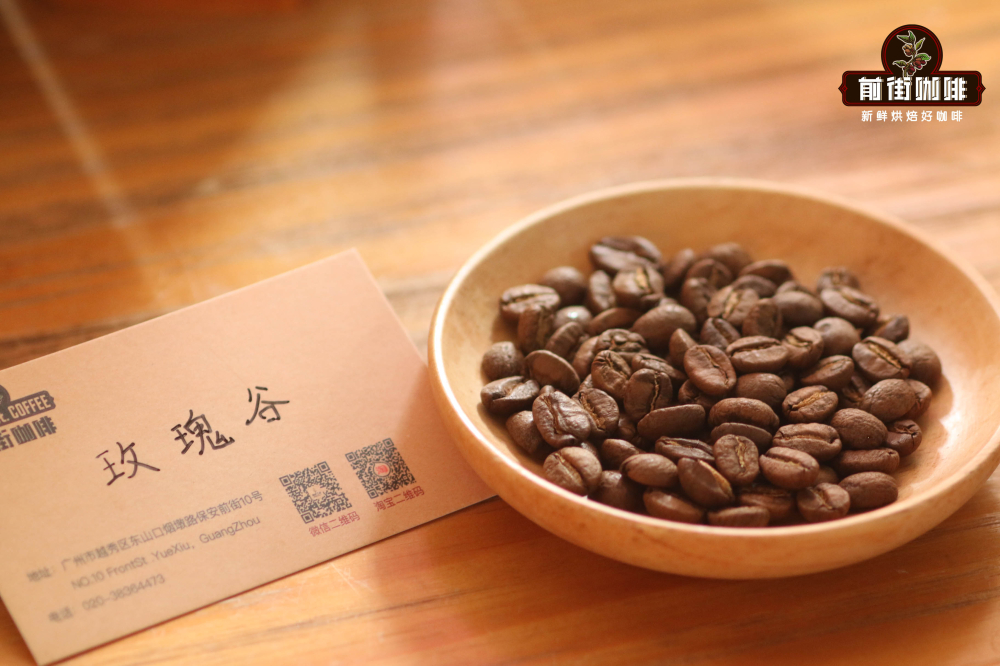
FrontStreet Coffee's Rose Valley comes from Finca El Arbol, and this anaerobic enzyme washed bean carries a peach-like aroma along with a faint rose floral note.
FrontStreet Coffee: Colombia · Rose Valley Coffee Beans
Region: Colombia, Santander
Estate: Colombia Finca El Arbol
Processing Method: Anaerobic Double Enzyme Washed
Altitude: 1,700 meters
Variety: Caturra
Coffee Variety Caturra is a natural mutation of the Bourbon variety, discovered between 1915 and 1918 on a plantation in Minas Gerais, Brazil. At that time, a genetic mutation occurred in the Bourbon plants on the plantation, causing the plants to become smaller in size, exhibiting a dwarf-like form. The locals named this coffee variety, which appeared in a new biological form, Caturra in the Guarani language, meaning "small," and it is sometimes also called "Nanico."
Caturra's short stature allows for denser planting spacing, while its compact secondary branch intervals enable more fruit to be produced within the same area, significantly increasing yield per unit. Combined with its small size, harvesting operations are also more convenient. In Colombia, Caturra accounts for nearly half of the country's total production, and it possesses excellent acidity and aroma, overall brightness, and quite good sweetness.
FrontStreet Coffee Roasting Analysis Considering that Colombia Rose Valley undergoes double anaerobic washed processing, in order to preserve the bean's fruity character and rich acidity while also maintaining cleanliness in the mouthfeel and a sweet-tart balance in flavor, FrontStreet's roaster decided to use a medium roast for the Rose Valley coffee beans.
Yangjia 800N, charge weight: 480g. Charge at 180°C, air damper set to 3, gas setting at 130; turning point at 1'36"; when temperature reaches 140°C, set air damper to 4; when temperature reaches 151.6°C, yellowing point at 6'00", at which point the bean surface turns yellow, the grassy smell completely disappears, and the dehydration phase begins; at 8'17", the bean surface shows ugly wrinkles and dark patches, and the toast-like smell noticeably shifts to coffee aroma, which can be defined as the prelude to first crack — at this point, listen carefully for the sound of first crack; first crack begins at 9'48", open the air damper fully, reduce gas to 80 at 188°C; reduce gas to 50 at 192°C; develop for 2'10" after first crack, drop at 197°C.
FrontStreet Coffee Brewing Guide Dripper: Hario V60 #01
Water temperature: 91°C
Dose: 15g
Coffee-to-water ratio: 1:15
Grind size: medium-fine (80% passing through No. 20 sieve)
FrontStreet Coffee's staged extraction method: first, use 30g of water to thoroughly wet the coffee bed into a "hamburger" shape and bloom for 30s (if no "hamburger" shape appears, we should note that the coffee beans may not be fresh enough or the grind is too coarse); for the second pour, at 50s on the timer, pour water up to 125g, then stop and wait for the water level to drop to 2/3 of the coffee bed before pouring the third stage; for the third pour, at 1'40" on the timer, pour water up to 225g, and after the coffee liquid has fully dripped through, the total extraction time is 1'50". After extraction is complete, gently swirl, and wait for the coffee liquid to be fully uniform before tasting.
Flavor Description In terms of processing method, Rose Valley uses double anaerobic enzyme washing, so the acidity is more pronounced. Overall, Rose Valley drinks more like a glass of juice, with grape and strawberry notes intermingled with floral aromas. Flower Moon Night is more balanced, with floral and strawberry notes accompanied by a dark cocoa finish, creaminess, and fermented character.
The above content is compiled by CoffeeHunters, a coffee news website.


