







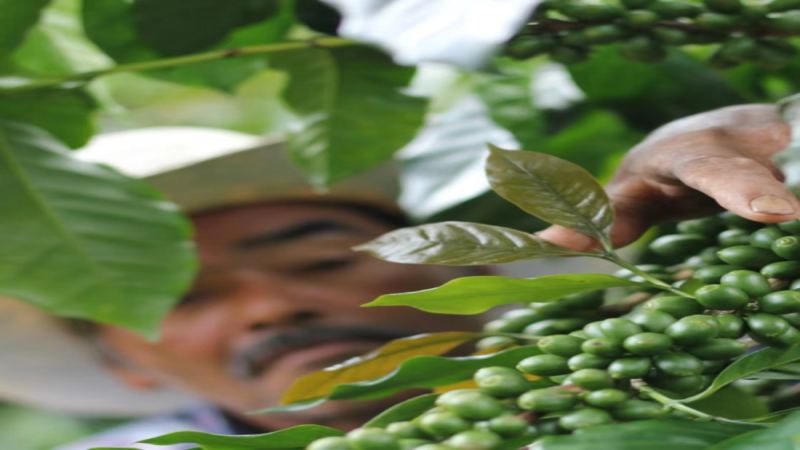
Honduran coffee is known for its high sweetness and citrus notes, and El Naranjo is one such bean worth savoring. The estate is located in Marcala in the La Paz region, with wild orange trees as shade trees, infusing the coffee with rich floral and fruity aromas. This article focuses on Front Street Coffee's Caturra washed bean, presenting its flavor profile and brewing approach in full—from estate background and variety characteristics to the washed processing steps, roasting curve, cupping report, and V60 brewing parameters—making it a useful reference for enthusiasts who want to learn more about Honduran coffee or are looking for an everyday staple bean.
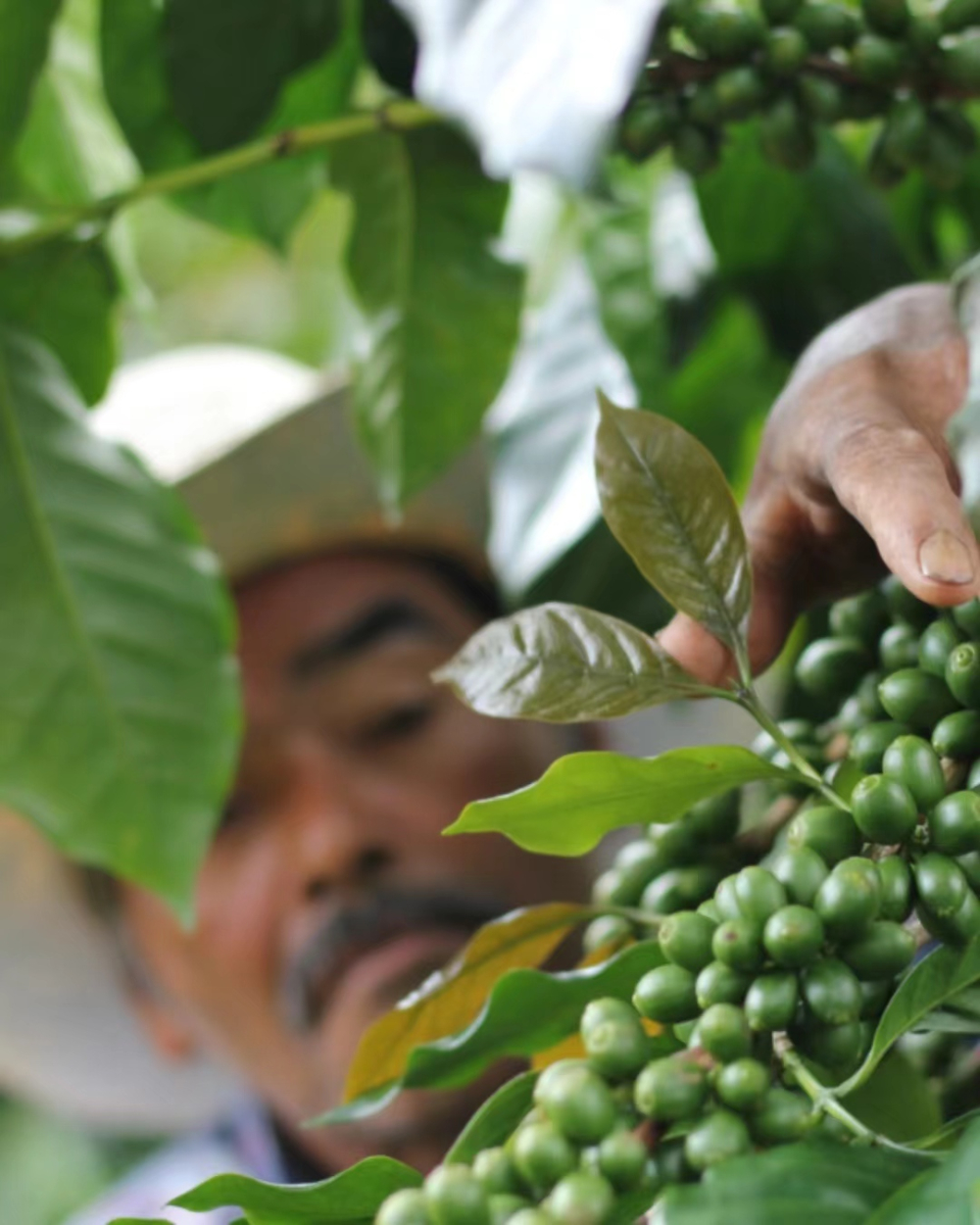
Honduras Sherry has always been a reliable choice at Front Street, with its prominent whisky aroma, vanilla-cream-like sweetness, and honey-like syrupy body leaving a lasting impression. This time, however, we're talking about another bean Front Street equally favors—El Naranjo. It uses traditional washed processing, and cupping revealed quite high sweetness, in line with the consistent character of Honduran coffee: citrus-like sweet acidity, and the rich, solid depth of nuts and cream. Overall, it counts as a good bean.
El Naranjo is located in Marcala, which belongs to the La Paz region, and the coffee it produces is comparable in quality to Honduras's other well-known region, Santa Barbara. The Caballero family also owns farms in Marcala, and their estate in La Paz won the 2016 championship. Local estates often borrow the name of their shade trees, so El Naranjo's shade trees are tall wild orange trees. Wild oranges have a very intense aroma, bringing rare sweetness to the coffee grown here, and the orange trees also infuse the coffee with layered floral and fruity notes. The varieties currently planted on the estate include Caturra, Bourbon, and Geisha, covering a total area of 43 hectares at an average altitude of 1,650 meters.
Variety
FrontStreet Coffee's El Naranjo uses the Caturra variety. Catuai is popular among farmers for its high yield. Similar to Caturra, it is a short plant suitable for dense planting and has strong resistance to natural disasters, especially wind and rain. It inherits Caturra's advantage of a low tree height while overcoming Mundo Novo's shortcomings; another advantage is that its fruit holds firmly and is not easily knocked off by strong winds, making up for the fragility of Arabica cherries.
Washed Processing Method
FrontStreet Coffee's El Naranjo uses the washed processing method, with the steps: sorting—depulping and removing mucilage—fermentation for 16 to 36 hours—washing—drying.
[FrontStreet Coffee Roasting Curve]
Charge temperature: 175°C, turning point: 5'40, 152.2°C, first crack start: 9'06, 184.1°C, first crack development: 1'50'', drop at 195°C.
[FrontStreet Coffee Cupping Report]
Dry aroma: citrus, nuts
Wet aroma: citrus, smoked plum
On the palate: citrus, smoked plum, nuts
[FrontStreet Coffee Brewing Parameters]
Dripper: V60
Coffee-to-water ratio: 1:15
Water temperature: 91°C
Grind size: fine sugar
[FrontStreet Coffee Brewing Method] Bloom 30g of grounds for 30 seconds. After blooming, pour 125g of water in a circular motion around the center. When the water level drops by half, continue pouring in circles up to 225g. Total extraction time: 2 minutes 10 seconds.
[Flavor Description] Citrus, smoked plum, nuts, cream.
The above content is compiled by CoffeeHunters, a coffee news website.


