







Why does Colombian coffee flavor vary so much by growing region?
Colombian coffee flavor rests on Andes highlands, varied microclimates and a wide range of cultivated varieties. The country is the third-largest coffee producer, known for nutty and chocolatey aroma balanced against bright fruit acidity and moderate sweetness. Growing areas sit in western Colombia, where three cordilleras and two rivers create distinct microclimates that allow year-round harvest.
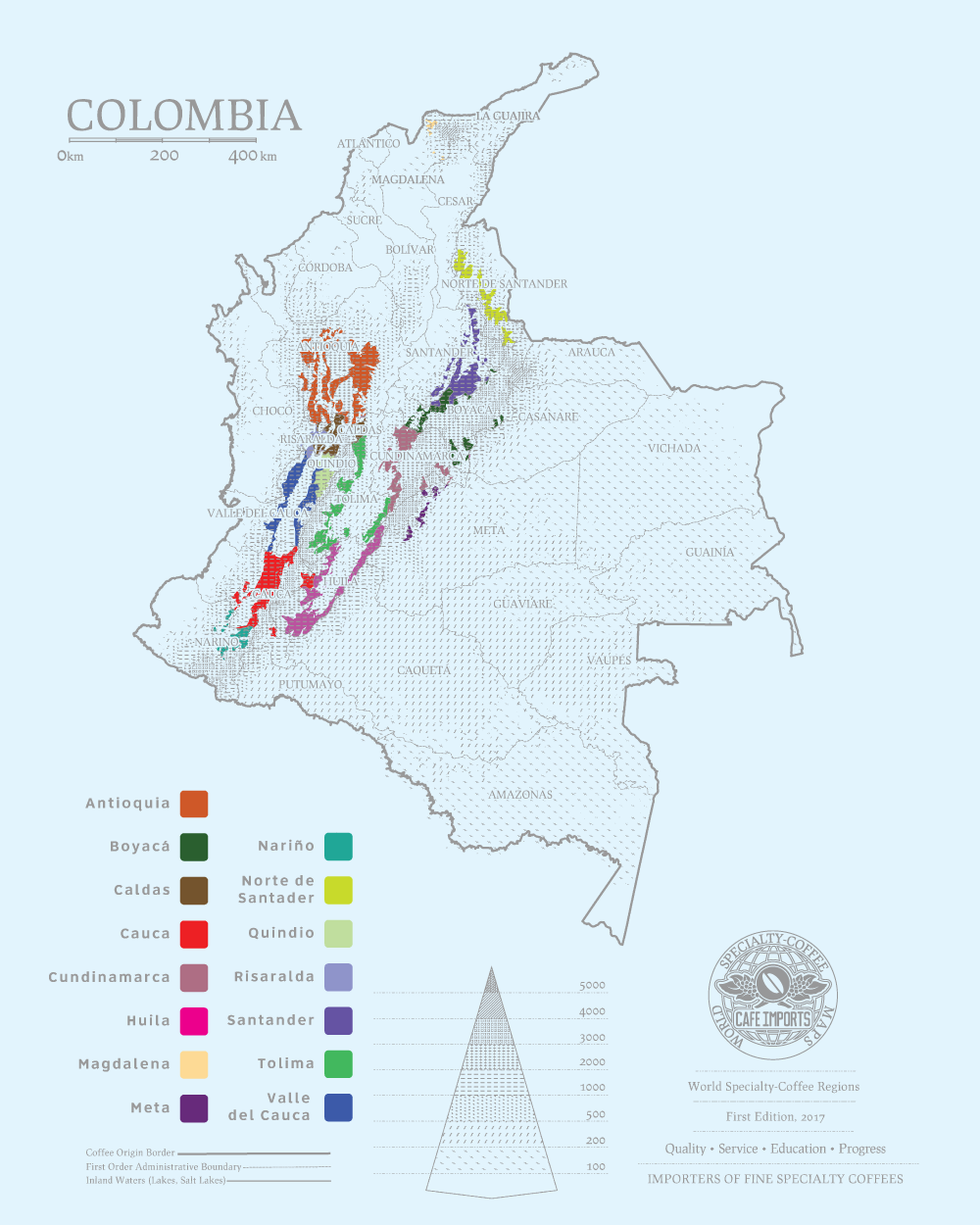
Production was once concentrated in north-central regions such as Quindio, Cauca Valley and Cundinamarca, which see two rainy and two dry seasons a year. As specialty coffee spread, the core shifted south to Huila, Cauca and Narino. Washed processing, as with washed Caturra from Huila, helps restore the bean's true characteristics.
Colombian coffee has long been famous for its rich, nutty and chocolatey aroma, while also achieving a clever balance between bright fruit acidity and sweet flavor. As the world's third-largest coffee producer, Colombia owes its strikingly diverse coffee flavors to the high altitudes of the Andes, varied microclimates, and abundant cultivated varieties. From the early focus on the north-central producing regions to today's shift of the specialty coffee core southward to Huila, Cauca, and Narino, the map of Colombian coffee has continued to evolve. This article will guide you through why the Huila region is able to produce excellent coffee, how washed processing restores the bean's true flavor, and how the washed Caturra in Front Street Coffee's introductory selection series actually performs.
Colombian coffee and Brazilian coffee are both typical representatives of American coffee, yet their flavor directions are not the same. Colombian coffee often carries a rich aroma of nuts and chocolate, with fresh acidity and moderate sweetness, the two interweaving into a pleasant sense of balance. So where exactly does this layered flavor come from?
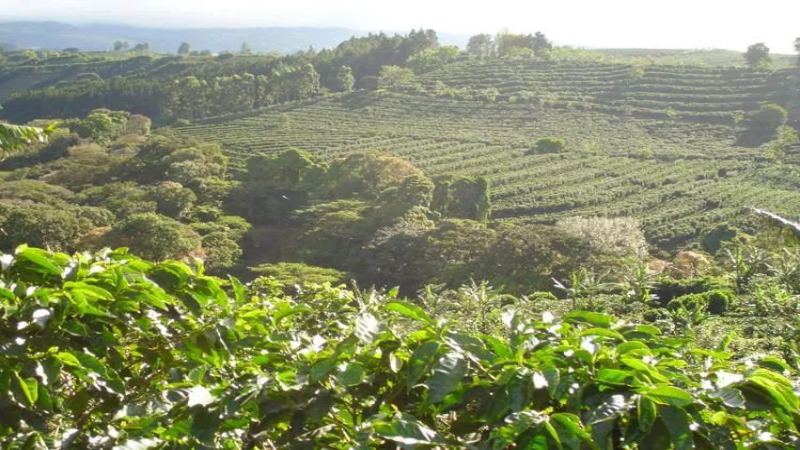
Colombia is the world's third-largest coffee-producing country. Its complex and diverse terrain, high-altitude mountain regions, and variable climate conditions allow the country to maintain high yields while also ensuring coffee quality. Coffee-growing areas are mainly distributed in western Colombia, where the Andes Mountains, known for their high altitude, are located. This mountain range creates a geographical pattern of three cordilleras and two rivers, and with its enormous north-south span, it forms distinct microclimates, which is why coffee can be harvested year-round in Colombia.
In addition, there are clear differences among Colombia's various regions. In the era before the concept of specialty coffee emerged, the country's coffee production was concentrated in north-central regions such as Quindio, Cauca Valley, and Cundinamarca. These places have two rainy seasons and two dry seasons each year, corresponding to two harvest seasons, and they remain the mainstay of Colombia's output to this day.
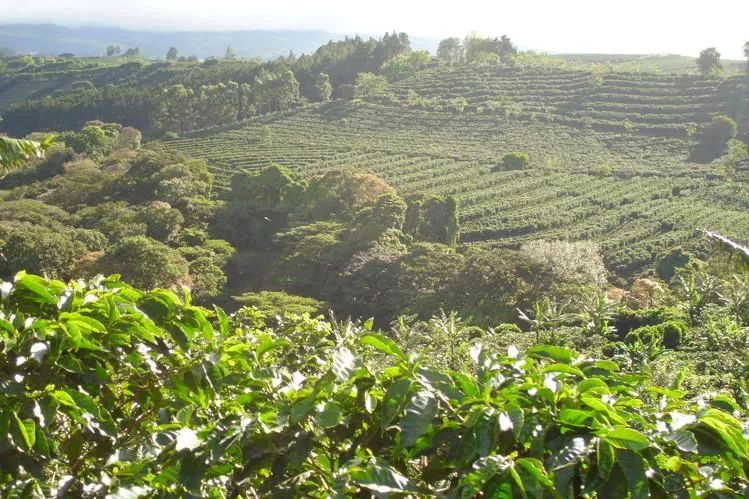
However, with the spread of the specialty coffee concept, the core zone of Colombian coffee gradually shifted southward. The south, closer to the equator, is the main producing area for specialty coffee, including Narino, Cauca, and Huila.
Among them, the most famous is the Huila region. This producing area is surrounded by mountains, forming a canyon terrain. The canyon not only blocks cold air from intruding but also generates cool mountain breezes, keeping local temperatures between 17 and 23 degrees Celsius year-round. Coffee trees are mainly planted on slopes at altitudes of 1,250 to over 2,000 meters. The higher altitude brings significant temperature differences between day and night, thereby slowing the ripening process of coffee cherries and allowing flavors to develop more fully. Several major Colombian rivers flow through this area, and together with the nearby famous Huila Volcano, they provide fertile soil for this land, which is why many well-known coffee estates are located here.
The coffee varieties grown in Colombia are also quite rich, including traditional Caturra and Catuai, Geisha introduced from Panama, and emerging varieties such as Sidra and Ombligon.
In the early days, Colombia used only the washed processing method nationwide, because the country once legally stipulated that only washed coffee could be exported. Later, as natural, honey, and other processing methods became increasingly popular internationally, this restriction was lifted in 2012 in order to enhance the competitiveness of Colombian coffee, thus bringing about today's situation in which various processing methods flourish throughout Colombia.
Although many Colombian coffees on the market have begun to adopt novel processing methods to present richer and more specific flavors, many coffee farmers still insist on using the most traditional washed and natural methods. Washed processing can preserve the aroma of the coffee bean itself to the greatest extent and showcase the inherent basic flavors of the producing region.
Through cupping, Front Street Coffee found that some Colombian coffee beans using traditional processing present rich nutty and chocolatey aromas, along with soft fruit acidity and sweetness, and are clean and balanced overall. To retain these characteristics, Front Street Coffee chooses a medium roast when roasting.
In Front Street Coffee's introductory selection series, there is a washed Caturra from Colombia's Huila region. This bean uses a medium roast to highlight the local regional flavor. After brewing, the first sip reveals soft fruit acidity, accompanied by nutty and chocolate notes, as well as caramel-like sweetness, making it smooth and balanced overall.
To learn more about coffee origin information, please scan the QR code to follow: Coffee Review
Long-press the QR code to follow:
The above content is compiled by CoffeeHunters, a coffee news website.


