








What Are the Characteristics of Colombian Coffee?
Colombia ranks third worldwide in coffee production and is the only country legally restricted to growing Arabica, which also makes it the largest exporter of washed Arabica. Stable output and quality keep it central to the international market. The country moved from former drug-crop cultivation to a major producing nation with strong government policy support along the way.
Within Colombia, regional styles vary enough that beginners struggle to choose. Huila coffee, for example, appears as a washed Caturra that differs noticeably from anaerobic natural lots from the same region. Comparing a washed Huila Caturra against a natural-style bean from the same area is a practical way to build a systematic understanding of characteristics of colombian coffee before buying.
Colombia is the world's third-largest coffee producer and the only country legally permitted to grow exclusively Arabica, ranking first globally in washed bean production. Front Street Coffee's bean list features a rich selection of Colombian beans, ranging from everyday staples like Huila washed Caturra to exquisite estate lots like Flower Moon Night. This article approaches the topic from the broad flavor profiles of producing regions, outlining Colombia's coffee cultivation scale, geographic and climatic advantages, and industry system, with a focus on introducing the flavor performance and brewing recipe of Front Street's Huila washed Caturra, as well as comparing it with the anaerobic natural style of Flower Moon Night from the same region, helping coffee enthusiasts build a systematic understanding of Colombian coffee and pick the one that suits their taste.
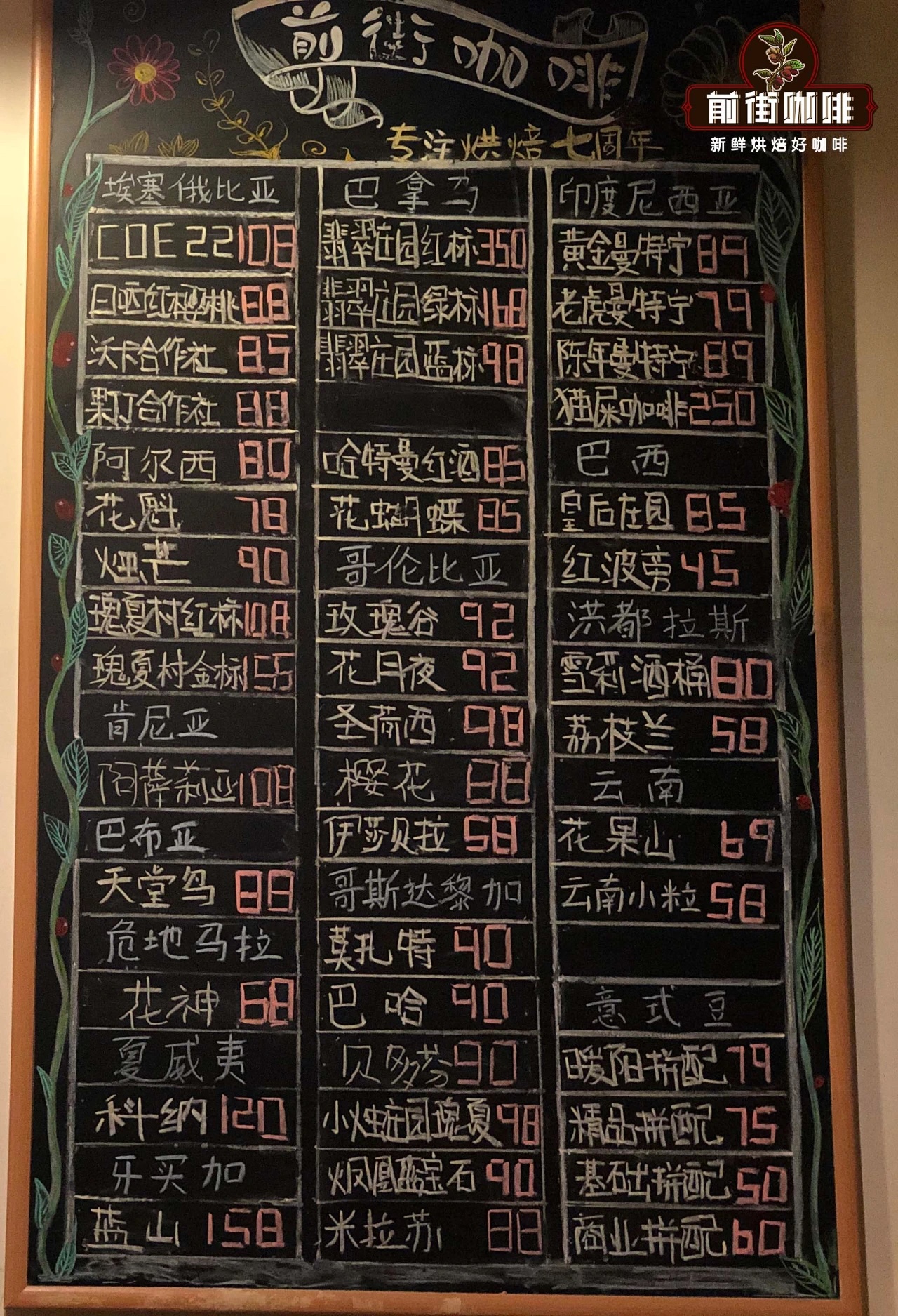
Opening Front Street's coffee bean list, many newcomers feel at a loss. The reason lies not only in the variety of Front Street's beans, but also in the fact that most beginners lack a concept of the flavor characteristics of various origins, making it difficult to judge which bean suits them. In fact, Front Street previously launched a staple bean series precisely to let consumers experience the most representative regional flavors at an affordable price. If you've bought Front Street Coffee's staple beans, you should already have a preliminary impression of the styles of the world's major coffee-producing regions. For those still unfamiliar with regional flavors, Front Street will today sort out the taste profiles of various origins by broad direction, starting with Colombia.
Colombia ranks third in the world in coffee production, with both output and quality being quite stable, which has earned it an important position in the international coffee market. The country is the world's largest exporter of washed Arabica and the only country globally that legally restricts cultivation to Arabica varieties only. Combined with strong support at the government policy level, Colombia transformed from a former drug crop cultivation area into today's major coffee-producing nation.
In Front Street Coffee's bean list, Colombian beans account for a considerable proportion. Flower Moon Night, Rose Valley, San Jose, Cherry Blossom, Hanami, and the recently launched Orange Soda—each has a distinctive character and is rated by customers as highly memorable. Although Colombia is a major exporter of washed beans, among Front Street's Colombian beans, only Hanami is a washed processed coffee. This bean is actually a Geisha blend. In the dry aroma stage, the unique spice notes and chamomile-like floral fragrance can be clearly detected. The acidity on entry is bright, and Front Street finds the mandarin-like sweet-tart sensation particularly prominent.
According to Front Street's research, more than 563,000 households and nearly 800,000 people in Colombia are engaged in coffee cultivation, with 95% of growers operating less than 5 hectares. 60% of growers have coffee farms of less than one hectare, while those with more than 20 hectares account for only 0.5%. The country's total coffee cultivation area exceeds 881,000 hectares, accounting for 24% of total arable land, with an average of about 1.7 hectares per household. There are approximately 2.7 billion coffee trees nationwide, of which 66% are planted in plantations using modern methods, while the rest are distributed among traditionally managed small farms. Today, many coffee-growing families are undergoing a generational transition as the second generation takes over; the new generation is well-educated and influenced by outside cultures, and traditional cultivation models are being renewed, evolved, and opened up.
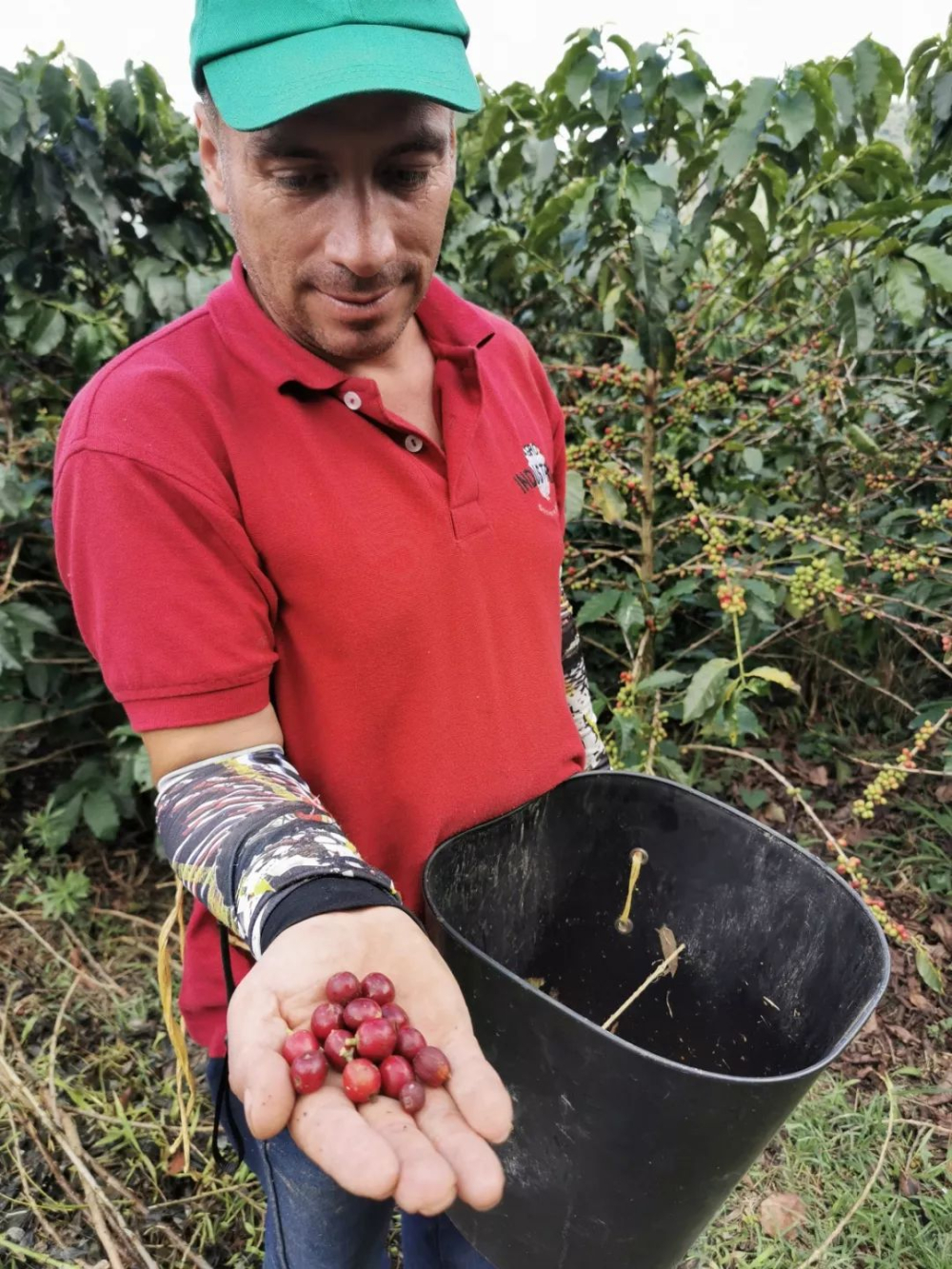
Why do so many people in Colombia devote themselves to coffee cultivation? Front Street believes that where there is a market and sales channels, people are willing to produce—this indirectly confirms that Colombian coffee is favored by enthusiasts worldwide. And the reason for this preference is quite straightforward—outstanding quality and excellent flavor.
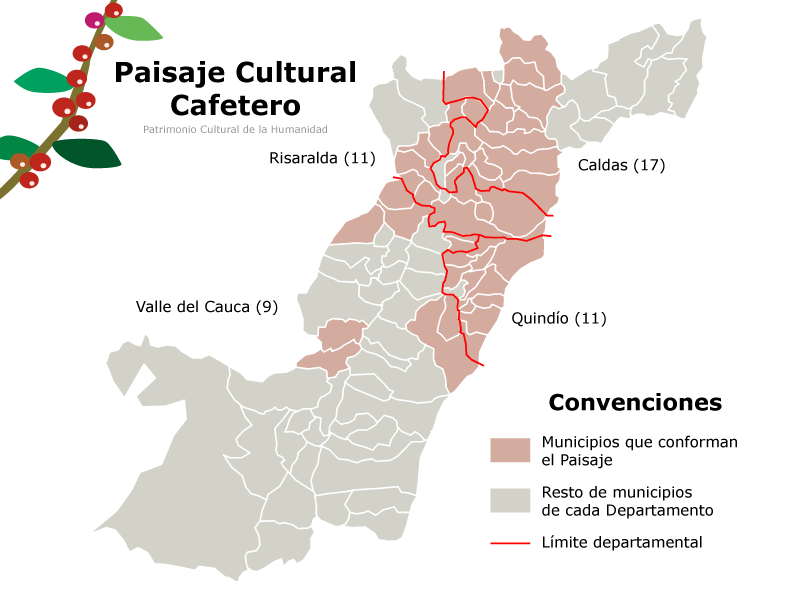
Colombia has four treasures: flowers, gold, emeralds, and coffee. Front Street strongly agrees with this, as the country possesses superior natural conditions for developing coffee cultivation. Colombia is located in the tropics, with climate varying according to terrain. The landscape is diverse, with low latitude and high altitude. Except for Bucaramanga, which is at a lower altitude, coffee is mostly grown between 1,200 and 1,900 meters. Colombian coffee is mainly distributed along the Andes mountain range, with large numbers of coffee trees planted on the highlands of these mountains. The terraced mountain terrain brings diverse climatic conditions to Colombian coffee, enabling harvest seasons throughout the year nationwide, with different varieties ripening at different times. And fortunately, unlike Brazil, Colombia does not need to worry about frost disasters.
In Colombia, the southern eastern plains and the Pacific coast have a tropical rainforest climate, while the northwest has a tropical savanna climate. The average annual temperature ranges from 15.8 to 20.5 degrees Celsius. The average temperature in coffee-producing regions varies between approximately 18 and 22.5 degrees Celsius, with annual precipitation of 1,000 to 2,500 millimeters. Due to latitudinal differences and 86 different microclimates between northern and southern producing regions, Colombian coffee has very distinct regional characteristics.
The natural environment is an important reason why Colombian coffee is renowned worldwide, but beyond the exceptional growing conditions, the hard work of local coffee farmers is equally crucial. Colombian agriculture is dominated by small farms. Locals plant tall trees or banana trees around coffee trees, and set up shade sheds for coffee trees during the seedling stage to ensure the cool and humid environment needed for plant growth. The high humidity and small temperature variation within the coffee forest cause coffee beans to mature slowly, which facilitates the accumulation of caffeine and aromatic compounds, thereby enhancing coffee quality.
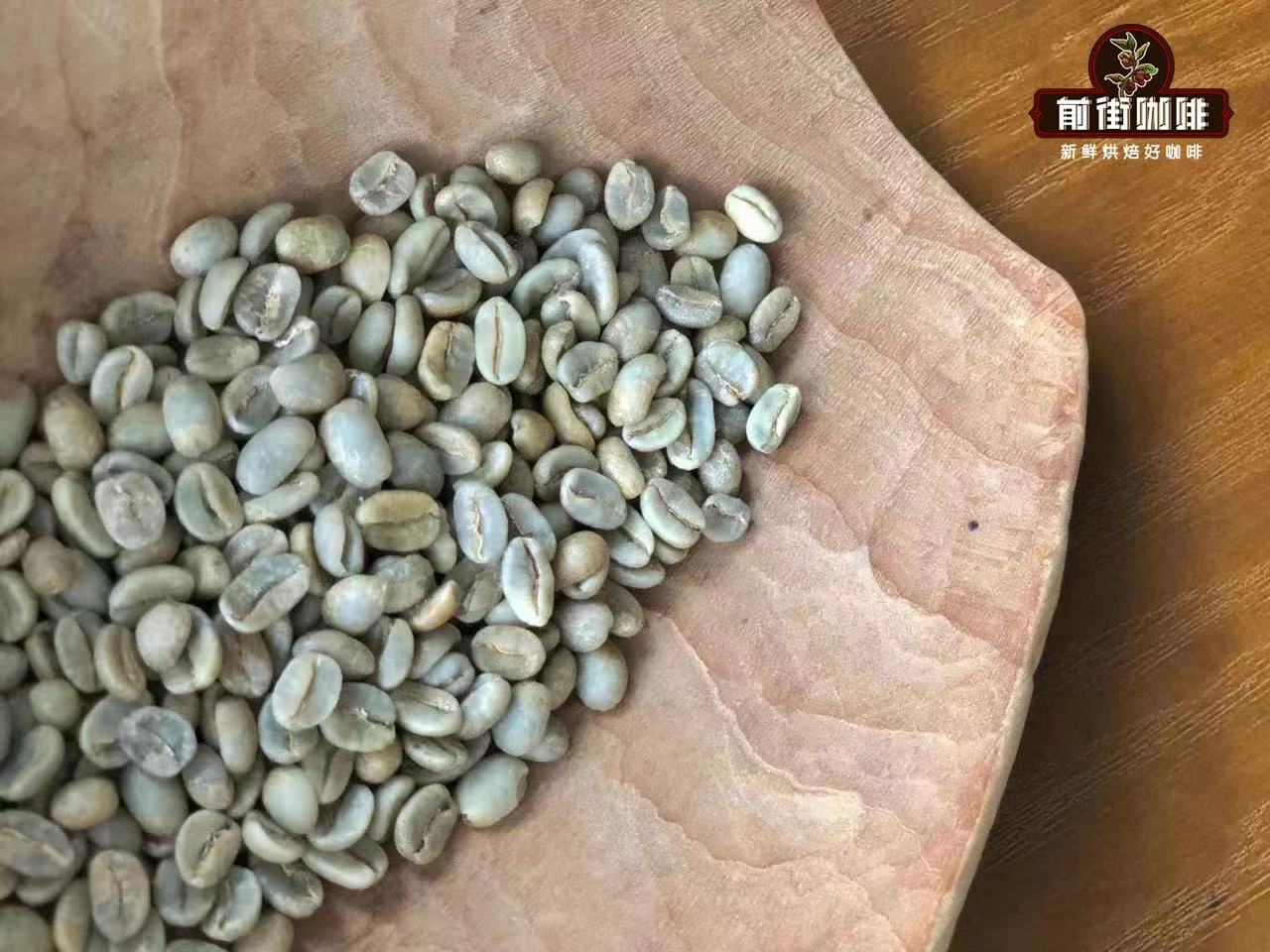
Next, Front Street will use staple beans and estate beans as examples to introduce the flavor and taste characteristics of Colombian coffee. First, let's look at Colombian Huila coffee beans—Front Street's staple version uses washed Caturra from Colombia's Huila region. Huila Department is located in the southern section of the Central Cordillera in southern Colombia and is one of the country's most renowned specialty coffee regions. This area is a hilly terrain surrounded by mountains, with cultivation altitudes above 1,500 meters, where Colombia's most important rivers converge, bringing abundant water resources.
The variety of this coffee is also a focus of attention for many. Although Bourbon was first introduced to Colombia, Caturra, a natural mutation of Bourbon, is equally popular in Colombia. In Colombia, Caturra is believed to account for half of the country's production. Now let's brew this bean.
Front Street brewing parameters:
V60 dripper
Water temperature 91°C
Water-to-coffee ratio 1:15
Coffee dose 15g
Grind size (80% passing rate on China No. 20 standard sieve)
Front Street brewing method: First bloom with 30 grams of water for 30 seconds, then pour in a slow circular stream until reaching 125 grams for a staged pour, wait for the water level to drop and just about to expose the coffee bed, continue pouring until 225 grams and stop, wait for the water level to drop again and just about to expose the coffee bed, then remove the dripper (timing from the start of blooming), total extraction time is 2 minutes 00 seconds. Colombian Huila coffee flavor and taste description: Nutty on entry, with a relatively high body, sweetness leaning toward caramel, and a slight fruity acidity at lower temperatures.
Besides the staple beans, Front Street's shop currently also carries Flower Moon Night coffee beans from the Huila region. Although from the same producing region, Flower Moon Night's flavor is noticeably more refined. This coffee comes from the Acevedo Gaitán farm in the Huila region. Anaerobic natural processing extends the fermentation time, giving the flavor more possibilities. Using the same brewing method, Front Street found this bean to have intense floral fragrance and very balanced flavor, with a strawberry jam-like mouthfeel and a finish mingled with dark cocoa notes—the fermented character is evident but not overly assertive.
Front Street loves Colombian coffee, partly because of its excellent quality, and partly because it has a complete industry system. This is undoubtedly good for coffee farmers—only with quality assurance can more green bean buyers be attracted to purchase. It is understood that the Colombian Coffee Growers Federation is the country's only official coffee industry guild and has become one of the world's largest agricultural non-governmental organizations since its establishment. The Federation represents more than 540,000 coffee farming families, promoting collaboration and joint decision-making to protect the interests of growers and their families. The Federation helps Colombian coffee farmers reach necessary consensus and secures appropriate welfare for them.
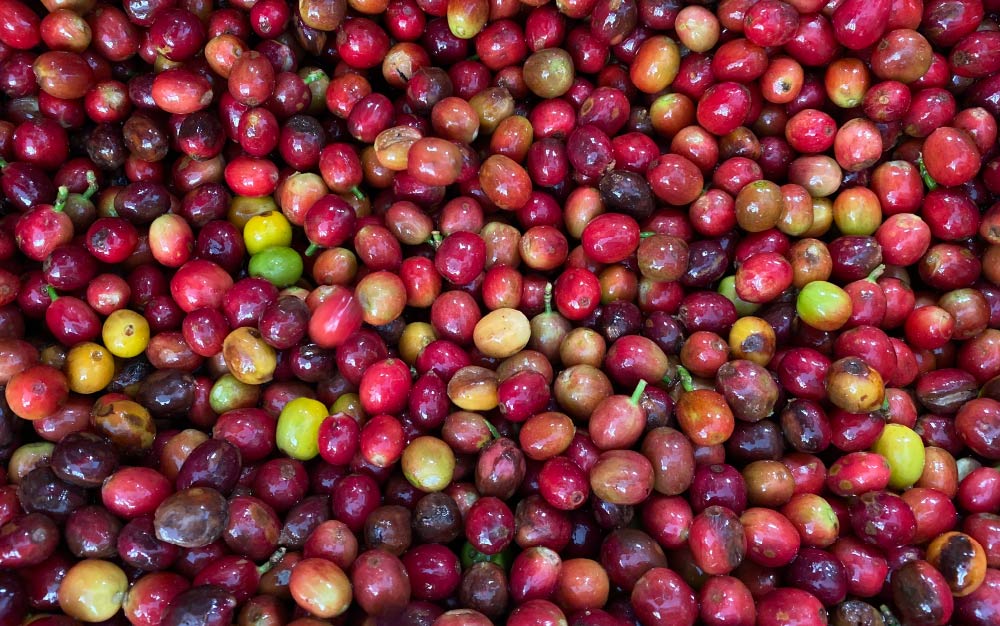
FNC also supports multiple aspects of coffee production, such as technology research and development, optimizing production costs, improving coffee quality, and providing technical assistance and cultivation quality assurance to growers through extension services, ensuring Colombian coffee farmers obtain better returns. As Colombia's largest green bean exporter, the Federation also undertakes export quality control responsibilities, ensuring that all green coffee beans exported from Colombia meet export quality standards.
Professional coffee knowledge exchange
More coffee bean information
Please follow Coffee Workshop (WeChat public account cafe_style )
For more specialty coffee beans, please add the private WeChat of Front Street Coffee, WeChat ID: kaixinguoguo0925
The above content is compiled by CoffeeHunters, a coffee news website.


