







What Are the Colombian Coffee Beans Characteristics in Huila?
Colombian coffee beans characteristics in the Huila Department center on balance and gentleness. Huila sits in southern Colombia, where high altitude, volcanic soil and varied microclimates in the Andes let the Caturra variety, a Bourbon mutation, develop a soft, rounded cup. Typical notes are dark chocolate and nuts, which makes the washed Huila Caturra a dependable everyday bean.
Colombia ranks third in world coffee production after Brazil and Vietnam. Coffee there grows mainly in the high-altitude zones of the three Cordillera ranges, where temperatures hold near 18°C year-round and rainfall runs 2,000 to 3,000 millimeters annually. The stepped mountain terrain creates the microclimates that separate one region's cup from another.
Colombia, as the world's third-largest coffee producer, nurtures specialty coffees of diverse styles thanks to the high altitudes, volcanic soils, and varied microclimates of the Andes. Among them, the southern Huila Department is a highly representative specialty region, and the Caturra—a Bourbon variant—expresses a balanced, gentle flavor profile here. This article will guide you through Colombia's geographical and climatic conditions, the unique advantages of the Huila region, and the characteristics of the Caturra variety. It will also introduce the regional information, flavor description, and brewing parameters of Front Street Coffee's entry-level selection Huila washed Caturra coffee beans, helping you quickly get started with this everyday staple bean featuring dark chocolate and nutty notes.
Coffee is grown across multiple continents around the world, and South America is home to many coffee-producing countries, such as Ecuador, Peru, and Colombia. Among these countries, Colombian coffee enjoys a particularly prominent reputation in the global market, ranking third in production after Brazil and Vietnam.
Colombia
Colombia is located in the northwest corner of South America, with both coastlines and land borders. It shares borders with Venezuela, Brazil, Ecuador, Peru, and Panama, faces the Pacific Ocean to the west, and the Caribbean Sea to the north. In terms of topography, the country can be roughly divided into two major regions: the mountainous west and the plains of the east. The west is dominated by the Andes Mountains, while the east encompasses the Orinoco Plains and the Amazon Plains.
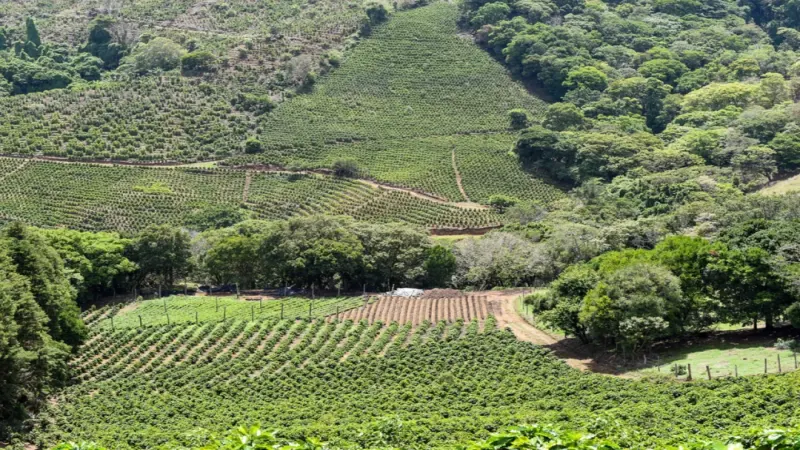
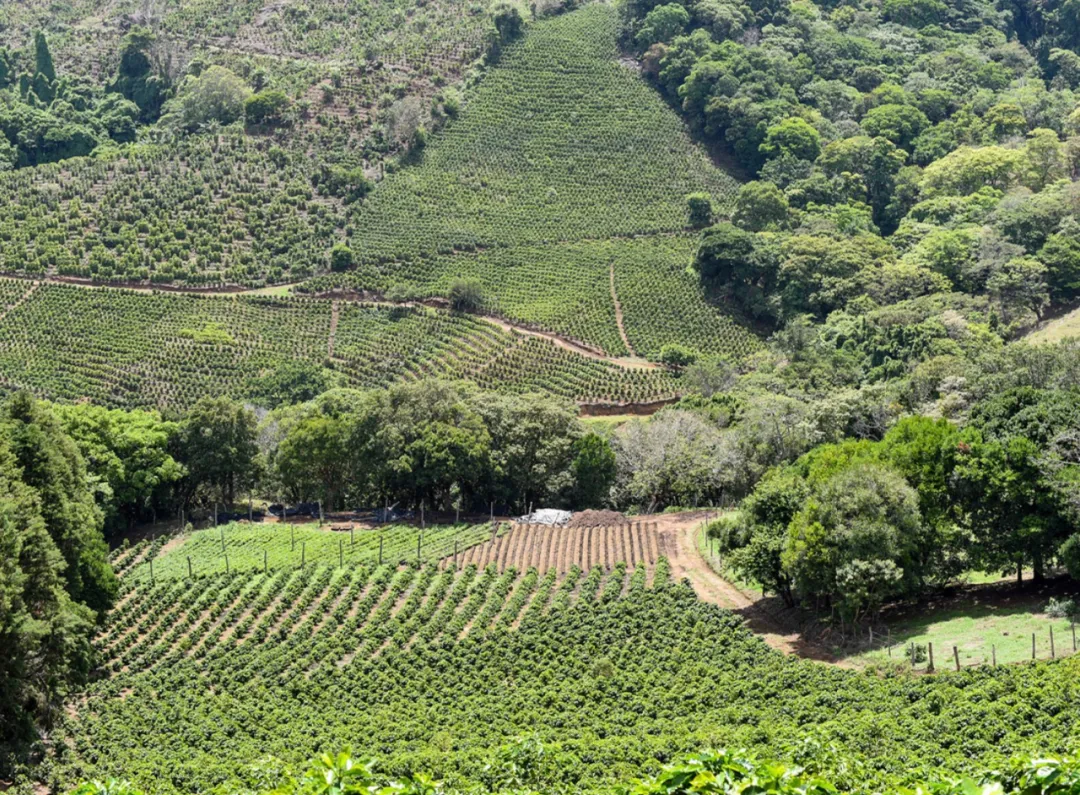
Because it lies in the tropics, Colombia's climate varies markedly with elevation. The eastern plains and the Pacific coast have a tropical rainforest climate, the mountainous areas between 1,000 and 2,000 meters above sea level have a subtropical climate, and the northwest has a tropical savanna climate. The country contains numerous volcanoes and extensive forests, with forest coverage of approximately 59.31 million hectares. Three Cordillera ranges run through the country from south to north, and coffee cultivation is mainly concentrated in the high-altitude zones of these ranges, where temperatures remain stable at around 18°C throughout the year and annual rainfall ranges from 2,000 to 3,000 millimeters. The stepped mountain terrain creates rich climatic layers, making it possible to harvest coffee throughout the year. High-altitude mountains, volcanic soils, and distinct microclimates together form ideal conditions for coffee cultivation.
Huila Region
Colombia is a vast country with many coffee-growing regions, and due to differences in mountainous terrain and microclimates, the coffees produced in each region show a rich variety of flavors. Currently, well-known regions include Antioquia, Santander, Huila, and Narino.
The Huila Department is located in southern Colombia, in the southern section of the Central Cordillera. It is formed by the central and eastern ranges of the Andes, with most of the area lying in the Magdalena River Valley. Surrounded by mountains, coffee here is grown at altitudes between 1,200 and 1,800 meters, with temperatures usually maintained between 17°C and 23°C, making it one of Colombia's most renowned specialty coffee regions.
Caturra
Caturra is a variant of Bourbon, discovered between 1915 and 1918 on an estate in Minas Gerais, Brazil. Its name comes from the Guarani language and means "small." In terms of plant morphology, Caturra has green leaves, densely clustered fruit, shorter internode spacing, and fruit that is mainly red. The coffee beans are uniform in size, oval-shaped, and slightly larger than Catuai. The tree itself is relatively short, making it suitable for dense planting, and its yield is relatively high. However, its production cycle is shorter than that of other varieties, and while it is suitable for cultivation at high altitudes, it has weak resistance to leaf rust, nematodes, and berry disease.
Front Street Coffee Entry-Level Selection Huila Washed Coffee Beans Region: Huila Region Altitude: 1,500-1,800 meters Variety: Caturra Processing Method: Washed Flavor: Dark Chocolate, Nuts, Caramel, Slight Fruit Acidity
This entry-level selection Colombian coffee bean from Front Street Coffee comes from the Huila region and is washed and medium-roasted. For brewing, Front Street uses a V60 dripper with a coffee-to-water ratio of 1:15 and a water temperature of 92°C. The brewed coffee has a nutty, dark chocolate, and caramel profile on the palate, accompanied by slight tropical fruit acidity and sweetness, with a soft mouthfeel and an overall balanced expression.
The above content is compiled by CoffeeHunters, a coffee news website.


