







What are the main characteristics of Colombian coffee?
Colombian coffee typically shows a rich, dark-chocolate body with caramel sweetness, a profile shaped by high altitude and fertile volcanic soil. Unlike Brazil, where flat terrain limits the day-night temperature swing, Colombia's mountain growing conditions add flavor layering. Most of the crop is Arabica, and the country ranks among the major producers worldwide.
Cultivation splits into commercial regions and specialty regions. Medellin, Armenia and Manizales form the MAM group, known for chocolate and caramel notes. Specialty beans come mostly from the south above 1,500 meters, including San Augustin, Huila, Popayan, Cauca, Narino and Tolima, where cupping shows delicate acidity, berry aromas and strong sweetness. Washed Huila beans from Front Street offer a stable example.
Colombia is located in the northwest corner of South America. Thanks to its high altitude and fertile volcanic soil, it has become a major producer of Arabica coffee worldwide. Unlike Brazil, where flat terrain leads to a simpler flavor profile, Colombian coffee often presents a dark-chocolate-like richness and caramel-like sweetness. This article will systematically sort through the taste characteristics of Colombian coffee from production region divisions and variety structure to specific flavor performance, and introduce the stable quality of Front Street washed Huila coffee beans, helping coffee lovers build a complete understanding of this origin.
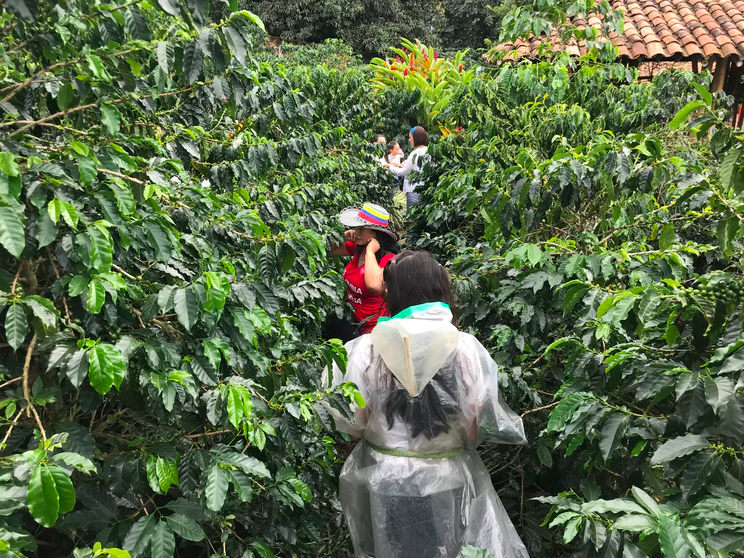
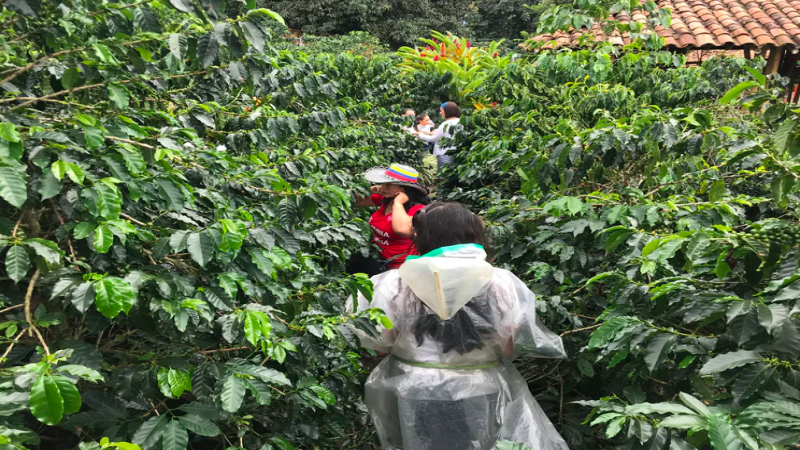
Colombia is located in the northwest of South America. Its coffee beans have a rich, dark-chocolate-like body and caramel-like sweetness, and are therefore widely favored in the coffee consumer market. As one of the world's major producers of Arabica coffee, Colombia holds an important position alongside Brazil, and its natural geographical conditions can almost be said to exist for coffee cultivation.
Although Brazil has enormous coffee production, its flat terrain leads to insufficient day-night temperature differences, making Brazilian coffee's flavor expression relatively simple. In contrast, Colombia's high-altitude terrain, together with the fertile volcanic soil brought by surrounding volcanoes, gives local coffee a much richer flavor layering.
Colombian Coffee Production Regions
The country's cultivation areas can be divided into two categories: commercial coffee bean growing regions and specialty coffee bean growing regions. Among them, regions such as Medellin, Armenia, and Manizales are the most famous and are customarily collectively referred to as "MAM." Coffee produced in these places usually has rich dark chocolate flavors and caramel notes.
Colombia's specialty bean production regions are concentrated in the south, mostly at altitudes above 1,500 meters, covering San Augustin, Huila; Popayan, Cauca; Narino; and Tolima. After cupping multiple samples, it was found that Colombian coffee beans produced in these areas generally have delicate acidity and berry aromas, accompanied by caramel aroma, with outstanding sweetness.
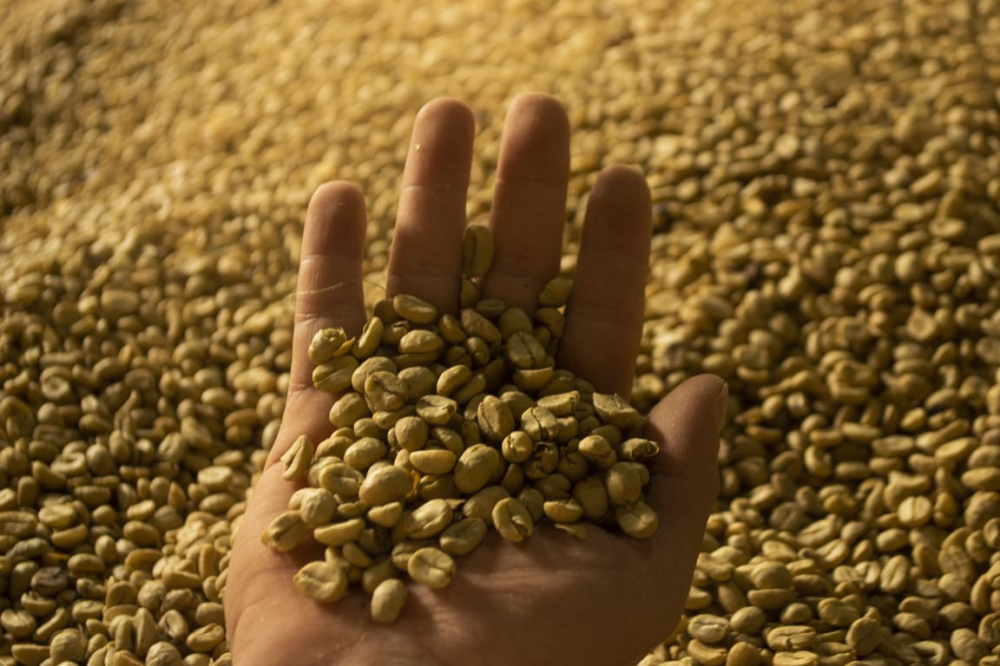
Huila is located in southwestern Colombia and is one of the main coffee cultivation areas, accounting for 12% of Colombia's total coffee production. Because many well-known coffee-growing places are distributed within Huila, the names of various small production areas have gradually evolved into brand names circulating in the market. If you want to experience the flavor of Colombia's specialty production regions, you can choose the stable-quality Front Street washed Huila coffee beans. These beans use a medium-dark roast and therefore present strong flavors of nuts, chocolate, and caramel.
Front Street Colombia Washed Huila Coffee Beans Region: Colombia, Huila Altitude: 1,500-1,800 meters Variety: Caturra Processing Method: Washed Flavor: Nuts, dark chocolate, caramel, soft fruity acidity
At present, the main varieties grown in Colombia include Caturra and the country's own developed Colombian variety (the variety name is simply Colombia), Castillo (Colombia's Catuai), and in addition a small amount of Geisha variety is cultivated.
Caturra coffee variety: It is a natural mutation of the Bourbon variety. Compared with Bourbon, Caturra's advantages are reflected in sun tolerance (no need for shade trees), short plants (easy picking), and dense branching (higher yield). In flavor, Caturra is comparable to Bourbon, so it has become Colombia's main coffee variety. As a must-drink Front Street Huila coffee bean for beginners, the variety used is precisely Caturra, with aromas of chocolate, maple syrup, and roasted notes.
The above content is compiled by CoffeeHunters, a coffee news website.


