







Search Results for: warm water extraction
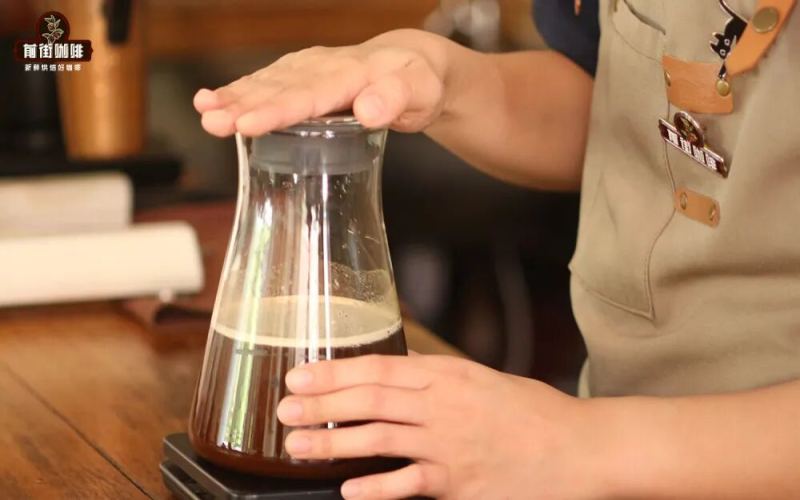
Cold brew coffee: room temperature water or warm water? Explaining why low-temperature extraction produces less acidity and a practical guide to fast extraction with warm water
Cold brew coffee has always been known for its long, low-temperature steeping, often requiring 5 to 24 hours when made with room-temperature water. To shorten the wait, some people have tried steeping coffee grounds in warm water. This article explores the differences between cold-water and warm-water extraction, the reasons why cold brew has lower acidity, and a warm-water cold brew comparison test using Front Street Coffee's Elida Catuai. It records the sensory differences between 3 hours in 45℃ warm water and 7 hours in room-temperature water, and offers bean selection advice and practical tips for warm-water cold brew. [more…]

Can You Make Cold Brew with Hot or Warm Water? Flavor Comparison Experiment of Quick-Extracted Cold Brew Coffee at Different Water Temperatures
Cold brew coffee usually requires 8 to 12 hours of low-temperature slow extraction, but what if you want to drink it the same day? Raising the water temperature can speed up extraction, but if you use hot water directly, it becomes hot brew, and the floral and fruity aromas and low bitterness unique to cold brew will also disappear. Front Street compared three methods through experiments: conventional 23°C cold water extraction for 10 hours, 40°C warm water extraction for 4 hours, and 92°C hot water blooming followed by room-temperature water extraction for 4 hours. The beans used were Colombia · Hanami, with full berry acidity, floral notes, and pink pepper flavors. The results showed that the 40°C warm water rapid cold brew was closest to the performance of conventional cold brew, with both a fermented feel and clearly presented flavors, making it suitable for friends who want to drink cold brew quickly. [more…]
Cold Brew Coffee Tutorial | How Long Does It Take to Make Cold Brew Coffee? Can Soaking Coffee Grounds in Warm Water Shorten the Cold Brew Making Time?
As one of the representatives of iced coffee, cold brew is usually made with room-temperature water (around 20–30°C), but because the extraction efficiency is low, a long steeping time is needed to extract more flavor compounds, so as to highlight the coffee's sweetness and body. Experienced friends know that making a pot (cup) of cold brew quickly [more…]
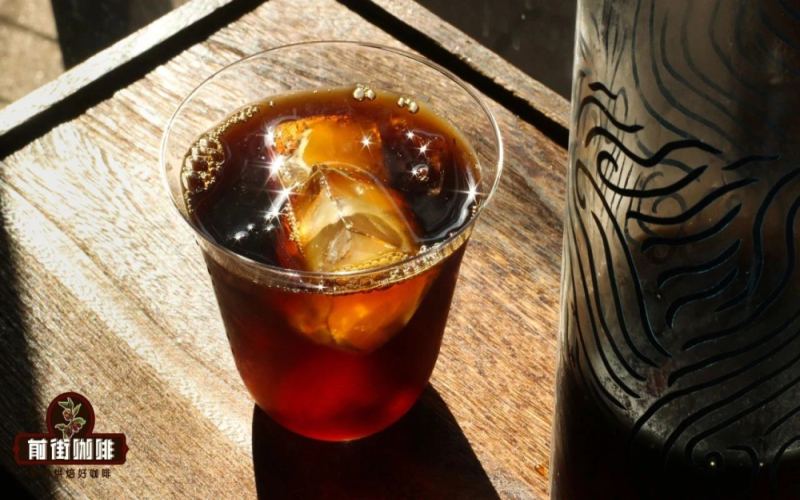
Warm Water Cold Brew Makes Coffee Sweeter: A Complete Guide to Making Cold Brew Coffee at Home
To enjoy a cup of cold brew coffee with outstanding sweetness at home, you actually don't need expensive equipment. Using 50 grams of coffee grounds as a baseline, Front Street Coffee shares the complete parameters from grind size and coffee-to-water ratio to refrigeration extraction time. Even more worth trying is using 40°C warm water instead of room-temperature water to make cold brew coffee—by relying on molecular thermal motion to accelerate the release of sweet and sour compounds, then transferring it to a low-temperature environment to inhibit the extraction of bitterness, you can get a full-bodied berry juice sensation and caramel sweetness in just 4 to 5 hours. This article records in detail the steps for warm-water cold brew, flavor comparisons, and storage suggestions, making it a useful reference for every enthusiast who enjoys refreshing cold coffee. [more…]

Cold Brew Shelf Life | How to Brew Cold Brew Coffee for Better Taste? Is Cold Brew Coffee Made with Warm Water Tastier? Introduction to Cold Brew Ratios and Parameters
For more specialty coffee knowledge, please follow: Front Street Coffee (Frontsteet Coffee). If you want to drink cold brew coffee but don't want to go out and buy it, then Front Street Coffee (FrontStreet Coffee) is here to teach you how to make cold brew coffee at home. Cold brew coffee is a [more…]
Can Espresso Blend Beans Be Used for Pour-Over? From SOE and Blending Concepts to a Detailed Guide on Front Street Coffee's Warm Sun Brewing Parameters
Coffee has long become part of daily life, with espresso and pour-over each having their own followers. Many who have tried Front Street Coffee's latte or Americano are curious: where does that rich boozy aroma come from, and is it made with a Sherry SOE? In fact, the espresso served at Front Street locations uses the Sunflower Warm Sun blend rather than a single-origin bean. This article begins with how single-origin beans and SOEs magnify flavors, explains why espresso favors blends, and further answers a common question: can espresso blend beans be used for pour-over? The answer is of course they can. The article also provides Front Street's suggested pour-over parameters for the Sunflower Warm Sun blend, along with key points on resting and blooming, to help you capture this medium-dark roast blend's vanilla cream and berry dark chocolate notes. [more…]
Can Warm Milk Extract Coffee? A Comparative Test of Three Coffee Beans to Help You Make Smooth Milk-Brewed Coffee
What kind of flavor performance would using warm milk instead of cold water to extract coffee bring? Front Street Coffee conducted a comparative experiment with three beans of different roast levels and found that the medium-roast bean, when soaked in warm milk, had both fruity aromas and chocolate notes, and its mouthfeel was the most appealing. But the experiment also revealed the problem that a milk temperature of 40°C combined with a granulated sugar grind size and a 3-hour soak easily led to over-extraction. For this reason, Front Street adjusted the plan, shortening the time to 1.5 hours and switching to Ethiopian Santa Vini beans, obtaining a smooth milk coffee interwoven with honey, pineapple, and cream biscuit notes. This article fully records the experimental process and tasting results, providing a reference for enthusiasts who want to try milk-extracted coffee. [more…]
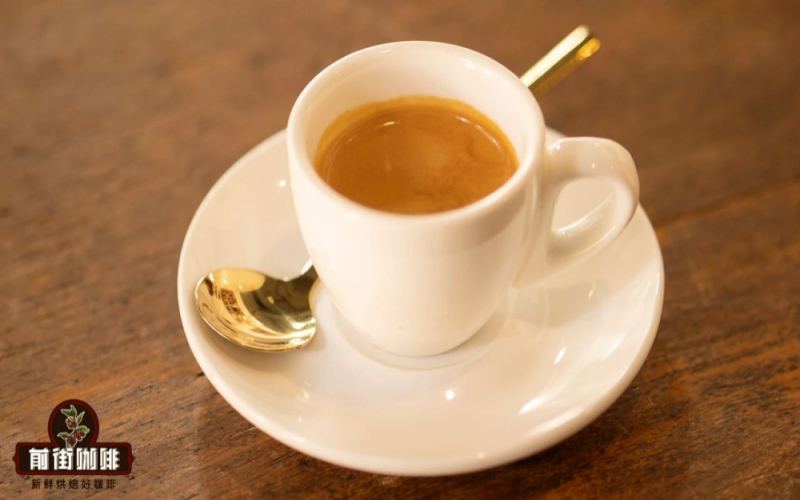
Espresso Brewing Guide: Standard Parameters, Flavor Characteristics, and Four Front Street Coffee Blend Recommendations
Espresso is the cornerstone of the modern coffee system and a topic every coffee lover cannot avoid. What should a qualified espresso look like? How should the six major parameters—dose, ratio, time, flow rate, pressure, and water temperature—be understood and coordinated? Starting from the production practices of Front Street Coffee, this article systematically sorts out the extraction standards and flavor characteristics of espresso, and provides a detailed introduction to the recipes, flavors, and applicable scenarios of four espresso coffee beans: Front Street Dark Cocoa Blend, Specialty Blend, Commercial Blend, and Warm Sun Blend. Finally, it includes practical reminders on coffee bean purchasing and the optimal tasting period, helping you make a satisfying Espresso at home or in a shop. [more…]
An Analysis of the Taste Differences Between Espresso and Americano: Which Flavor Do Coffee Enthusiasts Usually Prefer?
On a scorching summer day, the refreshing coolness of an iced Americano, or the satisfaction brought by the rich milky aroma of espresso—it's hard to choose between them. Although many people have tried both types of coffee, they find it difficult to accurately describe the differences in their taste. From the perspective of Front Street Coffee, this article systematically sorts out the definition evolution, taste characteristics, and suitable audiences of Americano and espresso. It explains in detail the espresso bean selection for Americano, extraction parameters, the mixing ratio of water to coffee, as well as the key points for making hot and iced Americanos. It also includes fun little tips for Americano latte art, helping coffee lovers more clearly understand the flavor logic of the two types of coffee. [more…]
What Is the Difference Between Americano and Long Black? A Comprehensive Analysis from Extraction Method to Flavor Differences
American coffee and Long Black are both based on espresso, but the difference in preparation order brings about completely different taste experiences. The former is extracted first and then diluted with water, so the crema is dispersed and the concentration is even; the latter is poured with water first and then the espresso is added, so the crema is preserved and the flavor goes from strong to weak. Whether a cup of American coffee tastes good depends on the quality of the coffee beans and the extraction level. Front Street Coffee takes the Sunflower Warm Sun blend as an example, using the same beans to make American coffee and Long Black separately, showcasing the different layers of sherry aroma, berry acidity, and chocolate finish. This article will also introduce in detail the recipes, flavor characteristics, and suitable scenarios of Front Street's four Italian-style blends, helping coffee lovers find the cup that suits them. [more…]
How to Brew Delicious Americano? A Full Guide to Espresso-to-Water Ratios and Italian-Style Coffee Making
When ordering at a café, Americano is often the cup that solves your decision paralysis—yet plenty of coffee newcomers are put off by the bitterness at first sip. In fact, whether an Americano tastes good depends heavily on which beans are used for the espresso, the espresso machine's extraction parameters, and the ratio of water to coffee. Drawing on the production experience of Front Street Coffee, this article clarifies the relationship between Americano and espresso, how to choose espresso beans suitable for Americanos, extraction parameters for single and double shots, how to determine the water-to-coffee ratio, and the methods and taste differences between hot and iced Americanos. At the end, there's also a little bonus on Americano latte art and practical tips, so you can make a smooth, easy-drinking Americano at home or in a café. [more…]
Where Do Black Coffee Flavor Differences Come From? A Detailed Guide to the Difference Between Americano and Long Black and How to Choose Front Street Coffee's Four Espresso Blends
The same cup of black coffee can be clean, sweet, and easy to drink, or burnt, bitter, and hard to swallow—so where exactly does the difference come from? Starting with the definition of black coffee, this article sorts out the origins of Americano and the reasons behind its flavor, and compares Americano and Long Black in terms of preparation order, coffee-to-water ratio, and taste performance. At the same time, drawing on the extraction parameters used at Front Street Coffee shops, it introduces one by one the recipes, roast levels, and flavor characteristics of four espresso coffee beans—Basic Blend, Commercial Blend, Warm Sun Blend, and Specialty Blend—to help coffee lovers and shop operators find a bean that suits them. [more…]
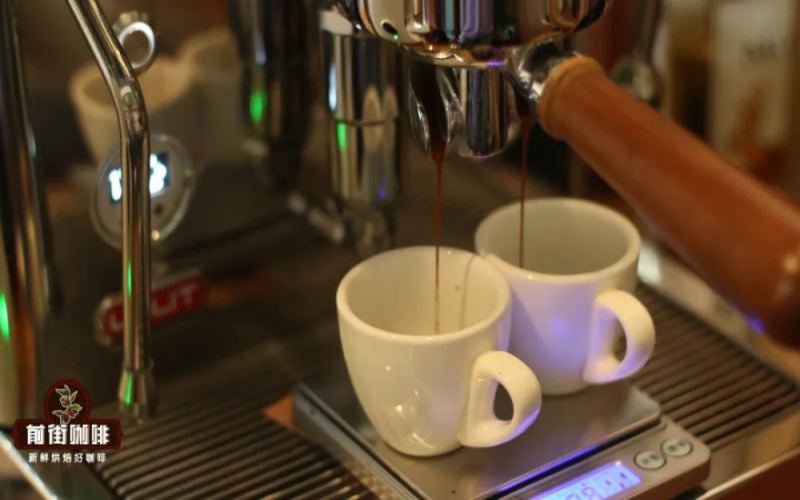
How should the portafilter temperature be controlled when extracting espresso? A hands-on test of the flavor differences among three states: room temperature, preheated, and high temperature.
When extracting espresso, should the portafilter be left at room temperature or locked onto the group head to keep it warm? Different baristas have different opinions on this. Some worry that the high temperature of the group head will overheat the filter basket and accelerate the loss of coffee grounds' aroma; others believe that keeping it warm is the only way to maintain a consistent portafilter temperature. Front Street Coffee specially designed three sets of controlled experiments for this purpose, using a room-temperature portafilter, a preheated portafilter, and a long-time high-temperature portafilter to extract the same "Sunflower Warm Sun Blend Coffee Beans," comparing aroma, acidity, sweetness, and aftertaste one by one to see exactly what kind of taste changes temperature differences bring, and which method is more worth recommending in daily operation. [more…]
How
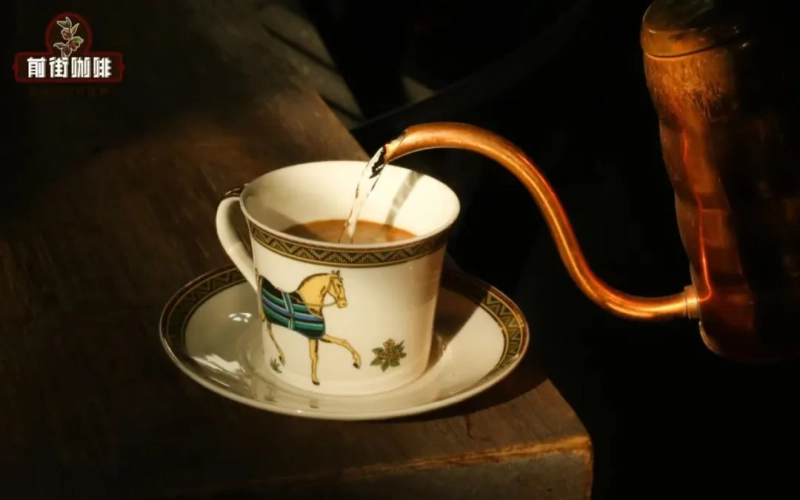
Hot Americano may seem like just espresso with hot water, but the water temperature directly affects the aroma, the balance of acidity and bitterness, and the drinking window. Front Street Coffee used the Warm Sun blend as the base and brewed Americanos at four water temperatures—55°C, 65°C, 75°C, and 90°C—then compared them through tastings at three points: immediately after brewing, at the 5-minute mark, and at the 20-minute mark. The experiment found that at the moment of serving, 65°C delivered the best overall performance, while over the course of 20 minutes, 75°C performed better overall. The article also recommends a serving temperature of 75±5°C for dine-in hot Americanos and offers practical tips such as preheating the coffee cup and distinguishing between dine-in and takeaway preparation. [more…]
What Exactly Is Single-Origin Coffee? Differences from Espresso and the Truth About SOE
Many people mistakenly believe that single-origin coffee beans mean coffee beans of a single variety, but in fact it refers to coffee from the same origin or the same producing region. And SOE (Single Origin Espresso) is not a more premium choice than a blend. This article will clarify the essential differences between single-origin coffee and espresso from the perspectives of extraction principles, roast level, and output consistency, and explain why Front Street Coffee does not serve SOE in its stores, as well as the recipe approach and usage of Front Street Sunflower Warm Sun espresso blend beans, helping coffee enthusiasts build a more accurate understanding. [more…]
Is Pour-Over Coffee the Same as Americano? A Detailed Explanation of the Coffee-to-Water Ratio and How to Order Pour-Over at Starbucks
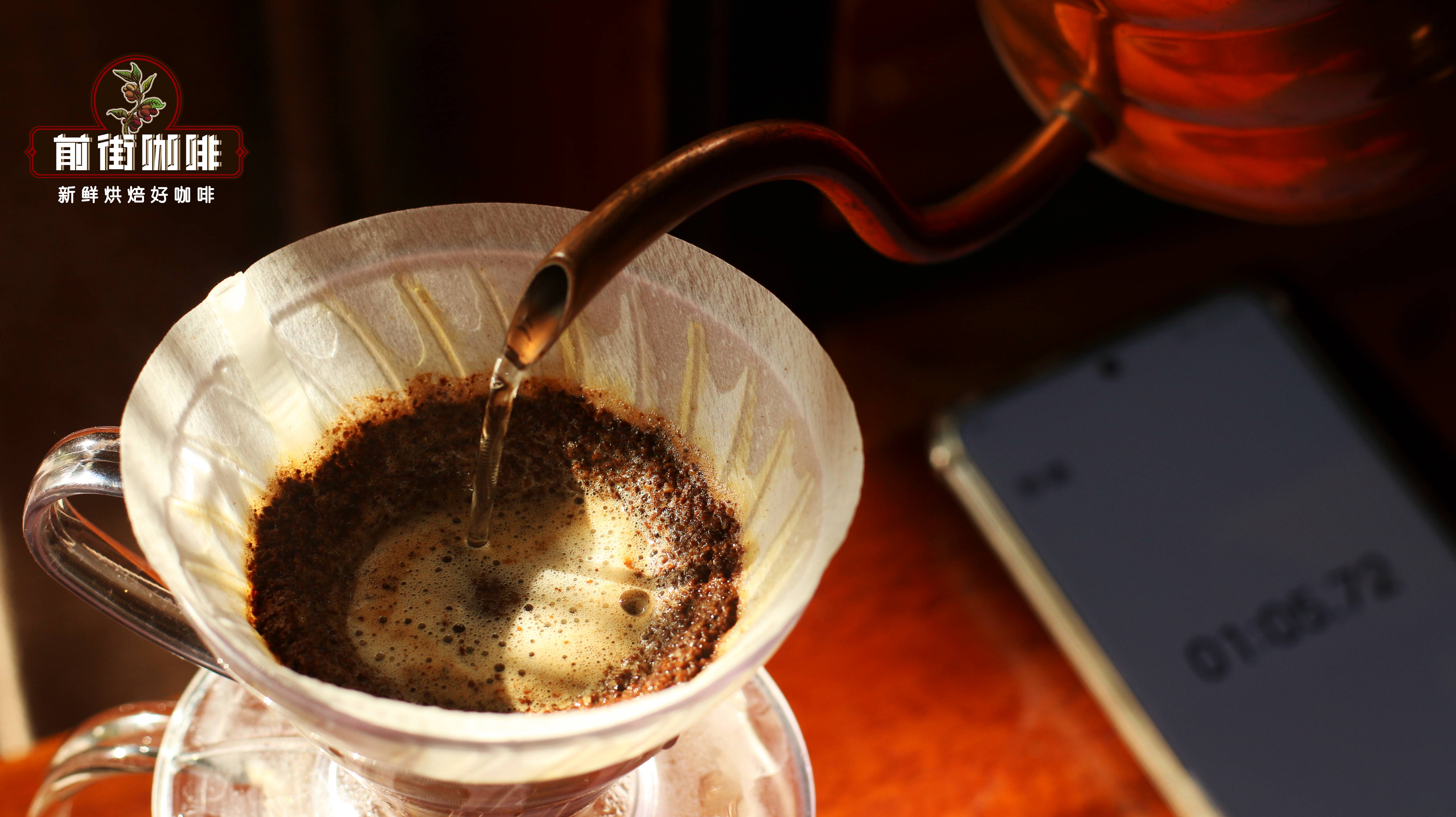
Many people conflate pour-over coffee with Americano, but the two actually differ significantly in both brewing method and flavor profile. Starting from Front Street Coffee's brewing experiments, this article explores the practical impact of the coffee-to-water ratio on flavor, comparing how coffee concentration and extraction yield change under different ratios. It also outlines the definition and traditional ratios of Americano, and, drawing on the practice of Front Street Coffee's Sunflower Warm Sun blend, explains how to find the Americano ratio suited to a particular coffee bean. It then compares the taste differences between espresso and Americano, and finally offers tips for ordering pour-over coffee at Starbucks. [more…]
American Coffee Bean Recommendations | Which Coffee Beans Make American Black Coffee Not Sour? Should Pour-Over Coffee and American Coffee Be Drunk Hot or Cold?
This article is a Americano brewing tutorial from Front Street Coffee (FrontStreet Coffee). Before the article begins, let me first explain what espresso is, what Americano is, what pour-over is, and what black coffee is. Espresso refers to the concentrated liquid extracted by an espresso machine, most [more…]
Black Coffee | Does black coffee mean Americano? Is there a big difference in taste between Americano and Long Black?
What does Americano taste like? The answer is almost self-evident—the taste of Americano comes from the coffee beans. Americano is simple to make, favoring convenience, speed, and a free, easygoing style. Compared with espresso, Americano has a relatively lighter, more refreshing mouthfeel and can better restore the coffee beans' original flavor. So Americano is basically available at every coffee shop [more…]
How to Choose Americano Coffee Beans That Aren't Sour? A Full Analysis of Hot vs. Cold Differences and Pour-Over Comparison
When many people drink Americano, their biggest concern is whether it is sour or bitter, and this is actually closely related to the choice of coffee beans, the extraction method, and the drinking temperature. Starting from Front Street Coffee's brewing experience, this article systematically sorts out the relationship between espresso and Americano, explains in detail the differences in flavor expression between hot Americano and iced Americano, analyzes the common reasons why Americano tastes bitter, and compares pour-over and SOE Americano made separately from the same Costa Rica Mozart coffee beans. Finally, according to different needs, it introduces the characteristics of several Front Street espresso blend coffee beans to help you find the Americano beans that suit your taste. [more…]
What Exactly Is American Black Coffee? Analyzing the Differences Between Americano and Long Black and Blend Bean Choices
Many coffee enthusiasts simply equate Americano black coffee with Americano, but in fact there are subtle differences between the two in concept and preparation. This article starts with the flavor sources of Americano and the production differences between Americano and Long Black, analyzes the impact of espresso extraction status on taste, and systematically introduces the recipes, flavors, and applicable scenarios of several espresso coffee beans used in Front Street Coffee stores, including Sunflower Warm Sun Blend, Dark Cocoa Blend, Specialty Blend, and Commercial Blend, to help readers understand the bean logic and extraction key points behind a delicious cup of Americano black coffee. [more…]