







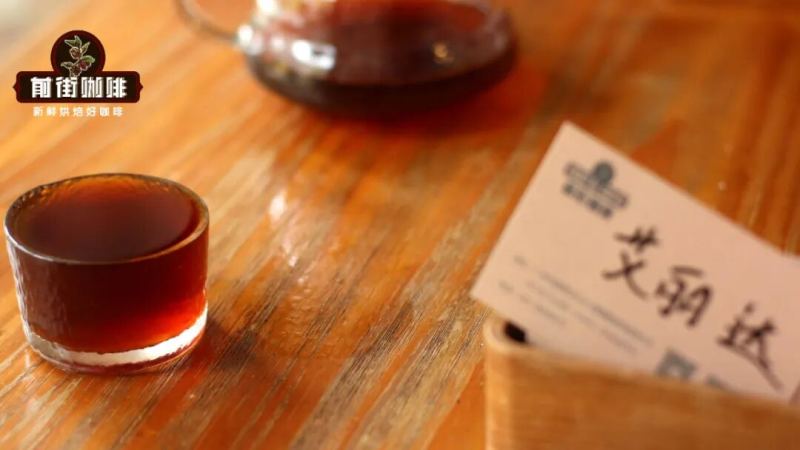
As one of the representatives of iced coffee, cold brew is typically made with room-temperature water (about 20–30°C), but due to its low extraction efficiency, it requires a long steeping time to draw out more flavor compounds, highlighting the coffee's sweetness and body.
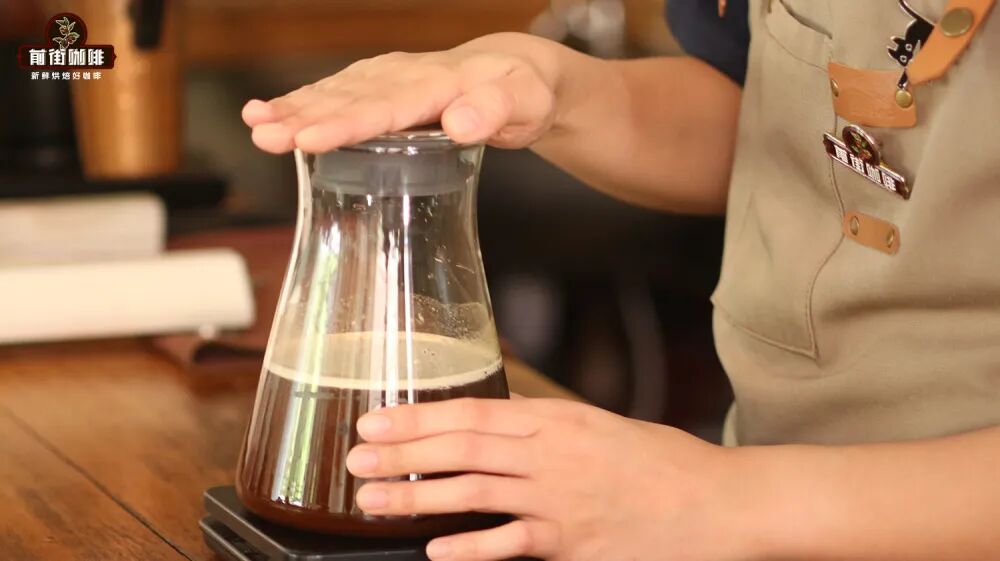
Experienced folks know that making a pot (or cup) of cold brew takes at least 5–6 hours, or nearly a full day at most. Compared with other coffee-making methods, cold brew is clearly the "slow work produces fine results" type. Based on this, some have proposed using warm water to soak the coffee grounds as a way to shorten cold brew's production time.
With a skeptical mindset, Front Street looked into some articles and found that making cold brew with warm water is actually nothing new—many people have conducted related experiments and say the coffee turns out sweeter this way. So today, let's also explore this approach.
The difference between cold-water coffee and warm-water coffee
Essentially, compared with most high-temperature extraction methods, long cold steeping allows the small-molecule sweet and sour compounds in coffee particles to be released more fully, while the refrigerator further suppresses the emergence of bitter compounds, giving the coffee a better mouthfeel.
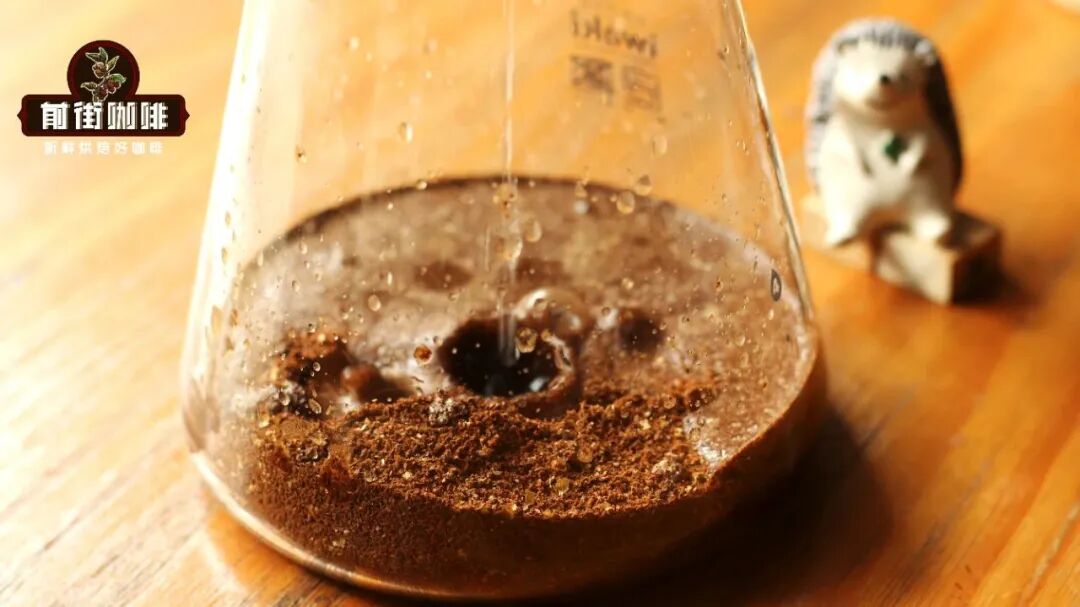
The Coffee Science Foundationand the Specialty Coffee Association once jointly published a research report on cold brew coffee, analyzing that coffee extracted by low-temperature steeping has more floral and fruity aromas than high-temperature extraction, while bitterness, sourness, and defect flavors are also reduced.
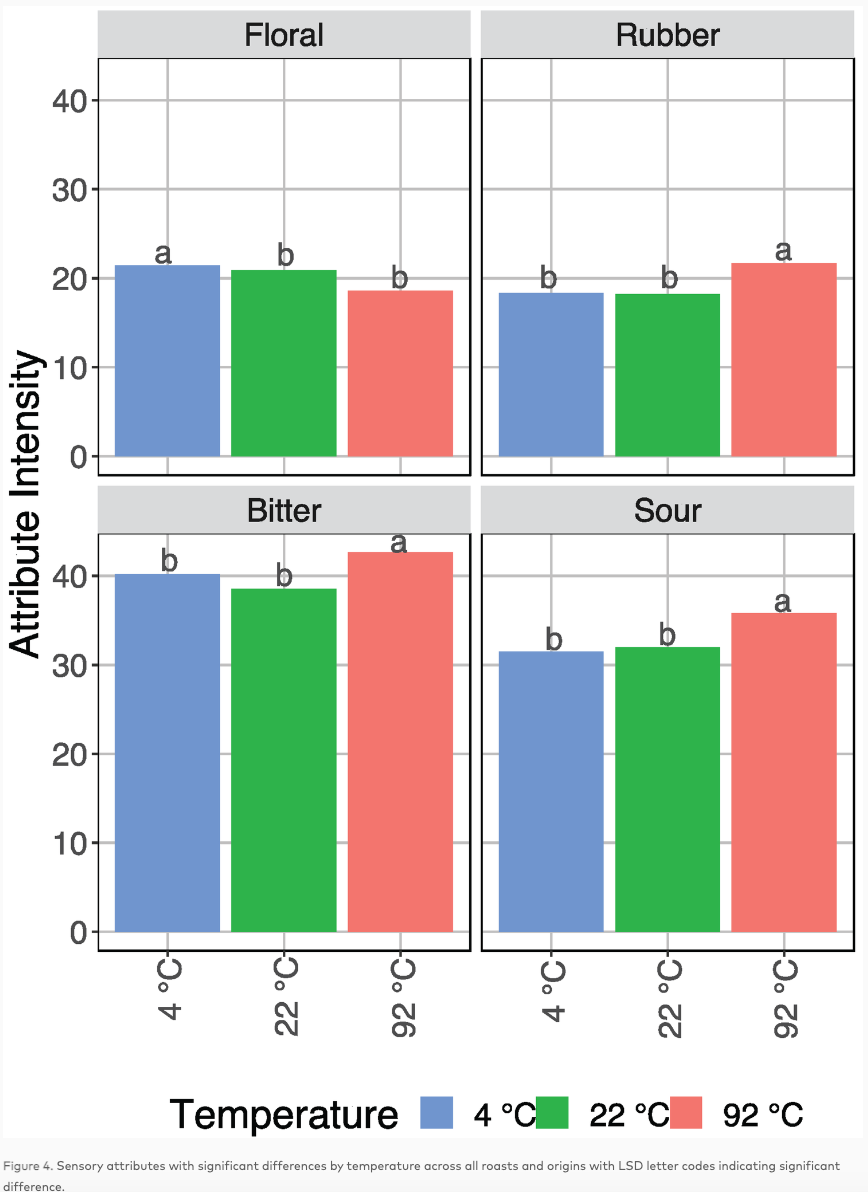
For the same coffee beans, when extracted with the same gram weight, ratio, and grind size, the various chemical substances in coffee dissolve into hot water and cold water at different rates. According to research statistics, different sensory attributes vary significantly with extraction temperature. Among these four attributes, bitterness, sourness, and rubbery notes are noticeably higher in high-temperature extracted coffee than in low-temperature, while floral aroma is higher in low-temperature extraction.
During high-temperature extraction, the tannic acid in coffee preferentially decomposes into pyrogallic acid, and various fatty acids also dissolve more and faster in hot water, making it more prone to accompanying bitterness and sourness. Under low-temperature extraction conditions, however, as time extends, the variety of sour compounds gradually decreases, so cold brew coffee's sour and bitter notes are greatly reduced; at the same time, the refrigerated environment also weakens the volatilization of coffee aroma, "locking" more fragrance into the coffee.
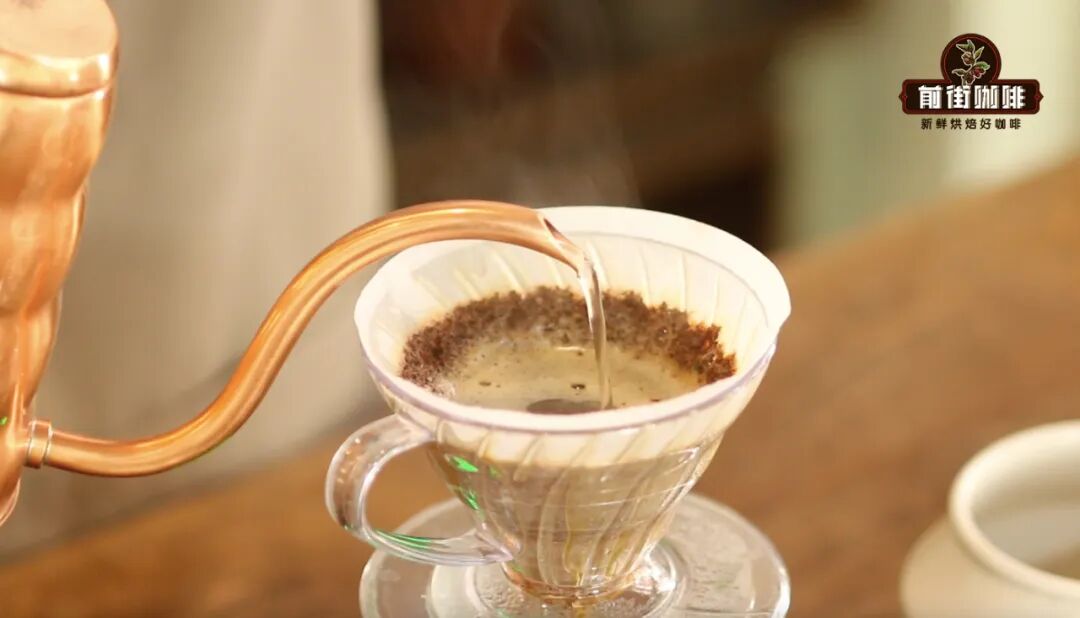
When we use lukewarm water that is neither cold nor hot to extract coffee, it not only drives some substances into thermal motion, allowing small-molecule particles to gradually release in a short time, but as the added water slowly returns to room temperature and cools, the molecular thermal motion prevents coffee particles from clumping together, making subsequent coffee extraction more uniform and also inhibiting the release of bitter compounds.
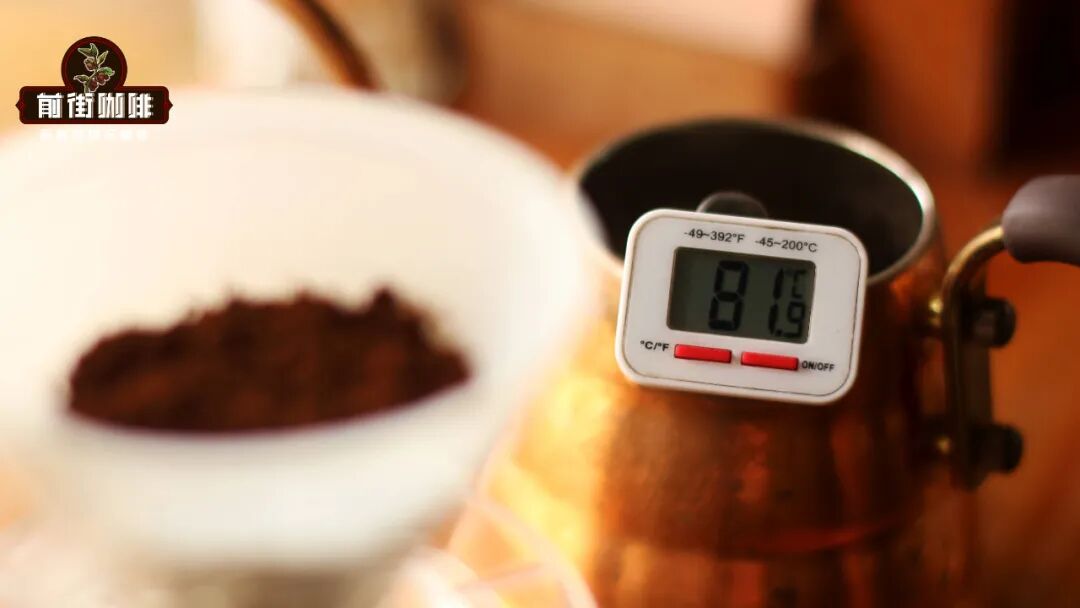
The procedure for making warm-water cold brew
For this test of warm-water cold brew, we used Front Street'sElida Catuai, a Panama coffee bean processed with anaerobic natural, combining soft floral notes, sweet orange, and plum jam flavors, with a light, sweet-and-sour mouthfeel—quite suitable for pour-over and cold brew. In addition, considering that the rise in temperature makesvery fine particlesmore likely to over-extract, Front Street slightly coarsened the grind to achieve balance.
The specific extraction parameters are as follows:
Coffee grounds: 30g
Grind size:EK43s-10 clicks (75% passing rate through a No. 20 sieve, C40-26 clicks)
Coffee-to-water ratio: 1:11
Water temperature: 45°C
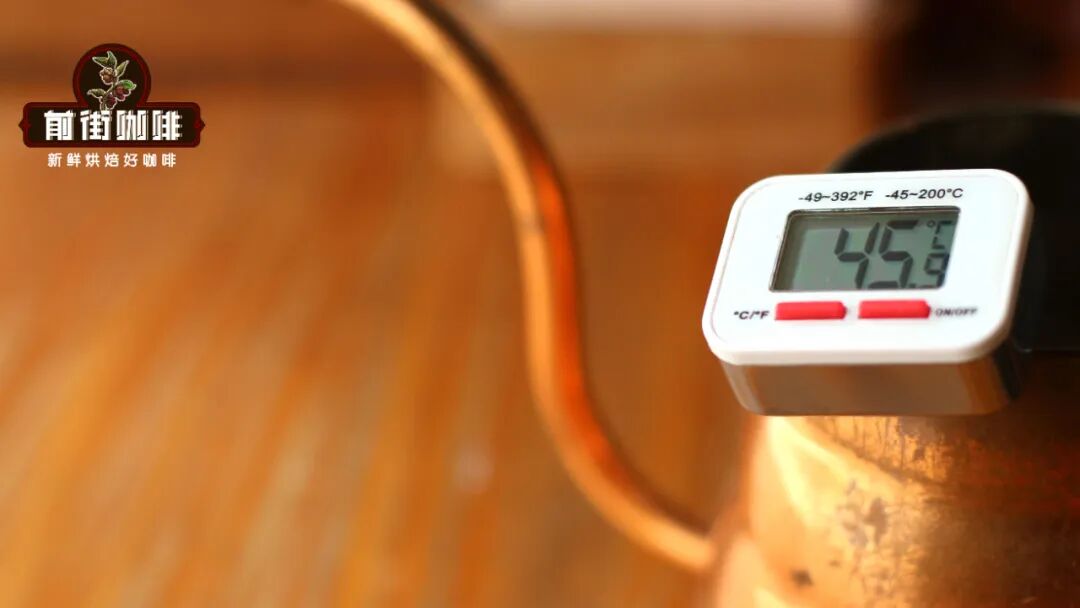
Prepare a clean container, pour in the ground Elida coffee, then add 330ml of 45°C warm water and stir thoroughly. Once the coffee liquid cools back down to 35–40°C, seal it and place it in the refrigerator. After about 3 hours, take it out and stir again, then filter out the coffee grounds completely.
For comparison, Front Street also brewed a pot of room-temperature-water cold brew, with parameters: 30g coffee grounds, grind size EK43s-10 clicks, coffee-to-water ratio 1:11, steeping time 7 hours.

Under the same parameters, the Elida cold brew made with room-temperature water plus long low-temperature extraction tastes of light floral notes, pineapple, orange, and a light sweet aftertaste of black tea, accompanied by a slight fermented note, with just the right balance;
while the 40°C warm water plus 3-hour low-temperature extraction presented elegant bergamot and jam aromas, with a sweetness like brown sugar and peach on the palate, but unfortunately the flavors were rather weak and the finish was short. Front Street guesses this was because the soluble substances hadn't matured sufficiently. So Front Street sealed the coffee again and put it in the refrigerator; after 3 more hours of refrigeration and tasting again, sure enough, all the nuances came through more fully.

The above content is compiled by CoffeeHunters, a coffee news website.


