







What Espresso-to-Water Ratio Should You Use for Americano Coffee?
An Americano is espresso diluted with water, and how it tastes depends on the beans, the extraction parameters and the water-to-coffee ratio. Pull a well-extracted shot first: if the espresso itself is burnt or bitter, no amount of water will fix the cup. Balance the water so the coffee stays sweet and drinkable rather than thin or harsh.
Espresso is the base, so bean choice matters most. Single and double shots extract differently and call for different water volumes, and hot and iced versions change the perceived strength. Adjust the ratio to taste, starting from a moderate dilution, then fine-tune grind and yield until bitterness fades and the cup drinks smoothly.
When ordering at a café, Americano is often the cup that solves the dilemma of choice, but many friends new to coffee are put off by the bitterness at the first sip. In fact, whether an Americano tastes good has a lot to do with what beans are used for the espresso, the espresso machine's extraction parameters, and the ratio of water to coffee. This article, drawing on the production experience of Front Street Coffee, clarifies the relationship between Americano and espresso, the choice of espresso beans suitable for Americano, the extraction parameters for single and double espressos, how to determine the water-to-coffee ratio, and the methods and taste differences between hot and iced Americanos. At the end, there's also a little Easter egg and practical tips on latte art for Americano, so you can make a smooth cup of Americano at home or in a café.
Faced with a menu crammed with coffee options, many people still end up saying: "Then I'll have an Americano!" Americano seems to have become the universal answer for the indecisive. However, newbies often get scared off by the bitterness on their first Americano and blacklist it from then on. Front Street believes that whether an Americano tastes good hinges on the quality of the coffee beans used for the espresso and whether the espresso machine's extraction parameters are on point. An ideal Americano should not have a burnt, bitter taste and should drink pleasantly. So, what kind of espresso beans are suitable for Americano? And what should the espresso-to-water ratio be? Today, Front Street will talk about how to make Americano coffee.
What is Americano and what is espresso?
Americanos in cafés today are usually made with espresso as the base, diluted with a certain amount of water according to personal preference. Since the "espresso machine" originated in Italy, many coffee enthusiasts used to call espresso "Italian coffee." However, this naming is no longer popular now. Front Street Coffee and most cafés today collectively refer to espresso-based drinks as Italian coffee.
Which tastes better, espresso or Americano?
This is a question many customers often ask when they come to Front Street Coffee. In the old naming, this is actually comparing espresso with Americano. For most people, espresso has a strong, intense flavor and is not easy to drink; Americano, diluted with water, has its bitterness washed out, and the originally concentrated flavors are allowed to unfold, making the whole cup softer. In today's naming, it's comparing coffee drinks with sugar and milk added against black coffee—the rich milk or sweetness overpowers the bitterness of the black coffee itself.
What espresso beans are suitable for Americano?
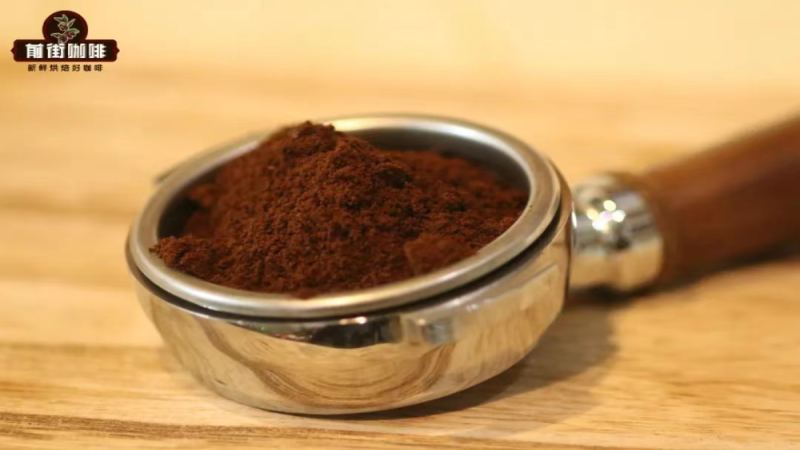
Taking Front Street Coffee as an example, the store uses the Sunflower Warm Sun blend, made from Honduras Sherry barrel coffee beans and naturally processed Yirgacheffe, in a ratio of 70% Sherry barrel beans to 30% naturally processed Yirgacheffe beans. The roasting curve is adjusted to suit espresso production: the Sherry barrel beans provide the main flavor and body, while the Yirgacheffe contributes more acidity and aroma.
How to use the Warm Sun blend beans to extract single/double espresso?
Front Street uses the Faema E98 espresso machine. Pressure: 9 bar
Temperature: 90.5–96°C
Time: 20–30 sec
Coffee-to-water ratio: 1:1.7–1:2
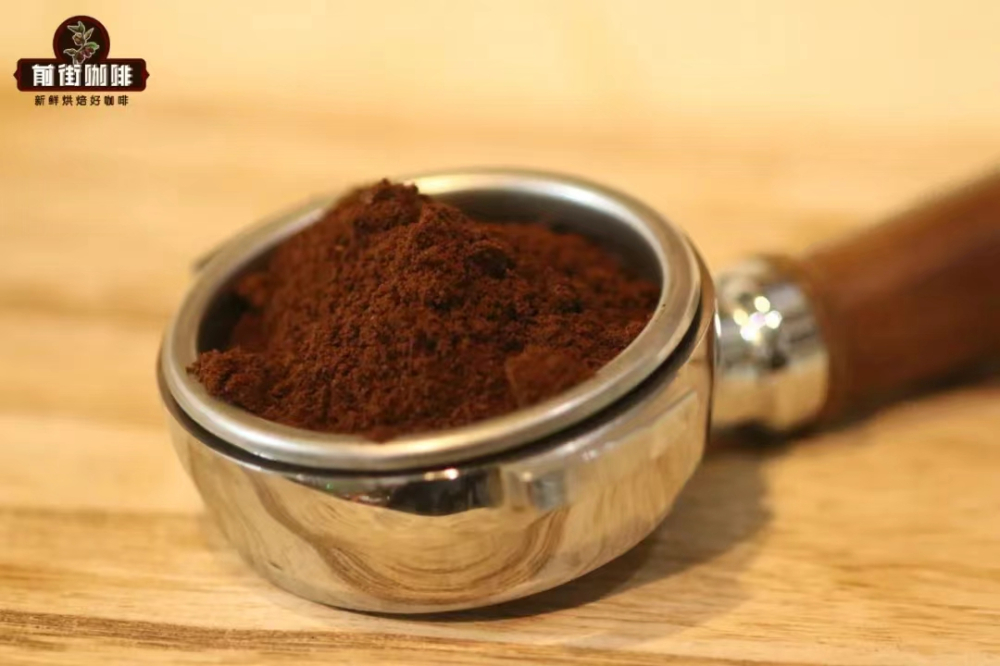
Dose: 12g (single espresso) 20g (double espresso)
Extracted espresso amount: 20ml (single) 40ml (double)
What is the water-to-coffee ratio for Americano?
The traditional Americano ratio is 1:8, that is, a double espresso (40 ml) mixed with 320 ml of water. In practice, it can be fine-tuned according to the cup size served in the store, fluctuating roughly between 1:7 and 1:8. But this ratio is not universally applicable. When Front Street uses the Warm Sun blend to make Americano, it uses 1:4.5. How did Front Street determine the ratio suitable for its own blend for Americano?
This leads to the next question: how much water should be added to espresso to turn it into Americano? Front Street will demonstrate using the Americano served in its store as an example. Front Street Coffee's hot Americano is a single espresso plus a corresponding number of grams of water. The method is: first extract a double espresso (or extract according to the number of servings), pour the coffee liquid into a sharing pot placed on a scale, then add water gradually in proportion and taste, to lock in the appropriate range. For example, if 40 grams of coffee liquid has been extracted, start at 1:4, that is, add 160 ml of water, and taste; then add another 20 grams of water (the ratio becomes 1:4.5), and taste; continue adding 20 grams of water (the ratio becomes 1:5), and taste again, repeating until the appropriate ratio range is found.
Since each tasting consumes some of the coffee liquid, this method cannot precisely hit a certain ratio; it can only help you define an approximate range. After determining the range, you still need to remake the Americano according to this range to verify. For example, in the above test, the suitable ratio for making Americano with the Warm Sun blend falls between 1:4 and 1:5, so remake three cups—1:4, 1:4.5, 1:5—and finally confirm that 1:4.5 is most suitable for the Warm Sun blend. At this water-to-coffee ratio, the Warm Sun blend's wine notes and cocoa aftertaste are more prominent, while still retaining body. Front Street Coffee's hot Americano parameters are 40ml espresso mixed with 180ml of 85°C hot water (or ice-water mixture).
How to make hot Americano/iced Americano?
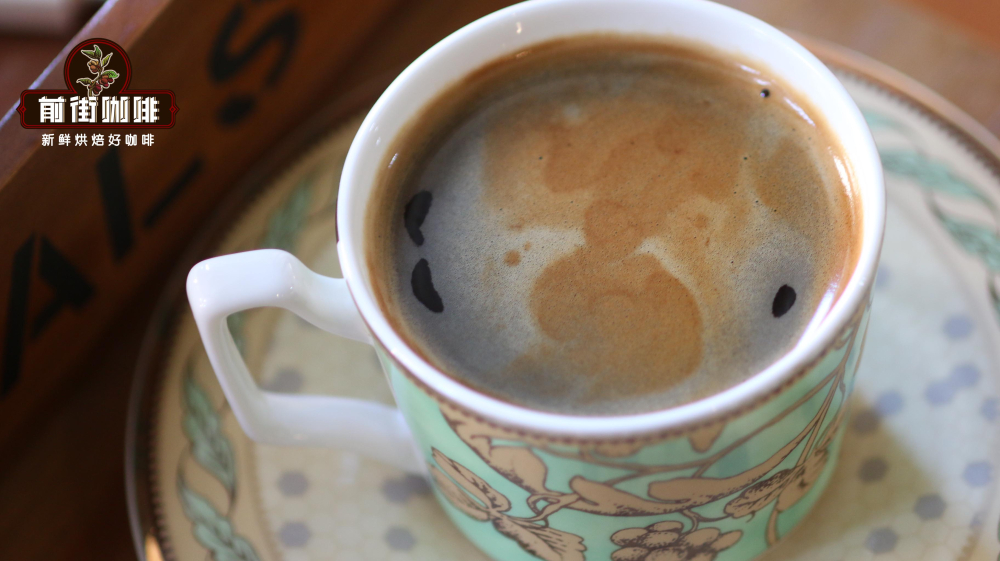
The method for hot Americano is to first pour 65°C hot water into the cup, then extract espresso and pour it in. Adding water first and then pouring the coffee is intended to preserve the espresso's crema, thereby improving the mouthfeel.
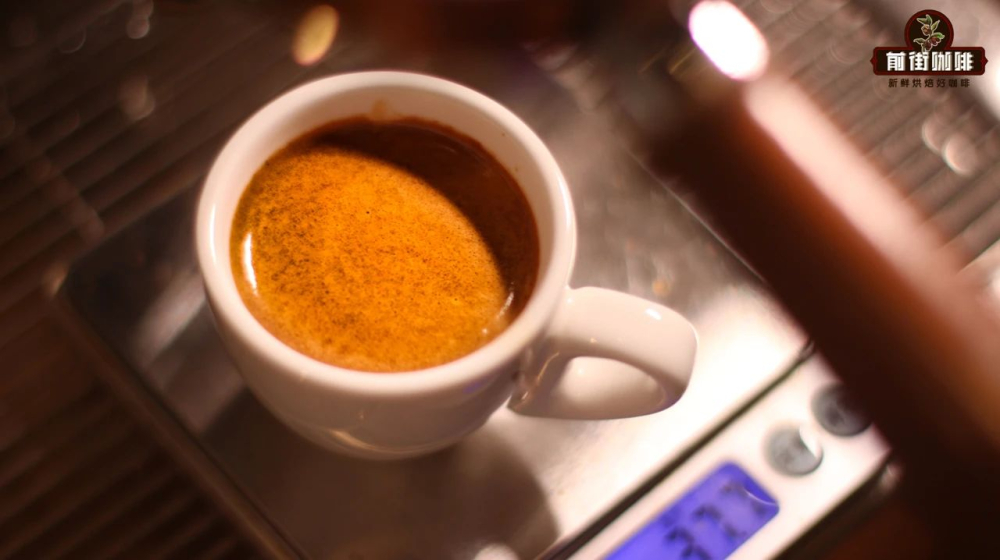
For iced Americano, first mix the required amount of ice water at a 1:1 ratio, then extract espresso and pour it in.
Taste description of Americano
Hot Americano consists only of espresso and water, closer to the coffee's original taste; it is neither as rich and full-bodied as espresso nor as hard to accept as espresso. Iced Americano, on the other hand, tastes refreshing and is a great helper for cutting greasiness after a meal. Coffee beans have a huge impact on Americano; generally, cafés choose blended beans to increase body. During roasting, coffee beans change their composition and color through physical and chemical means; sucrose is rapidly lost, aromatic substances are weakened, thereby changing the flavor direction. This process also produces an oil called cafestol, which determines the coffee's flavor and aroma. The flavor of traditional Americano usually presents notes of nuts and dark chocolate.
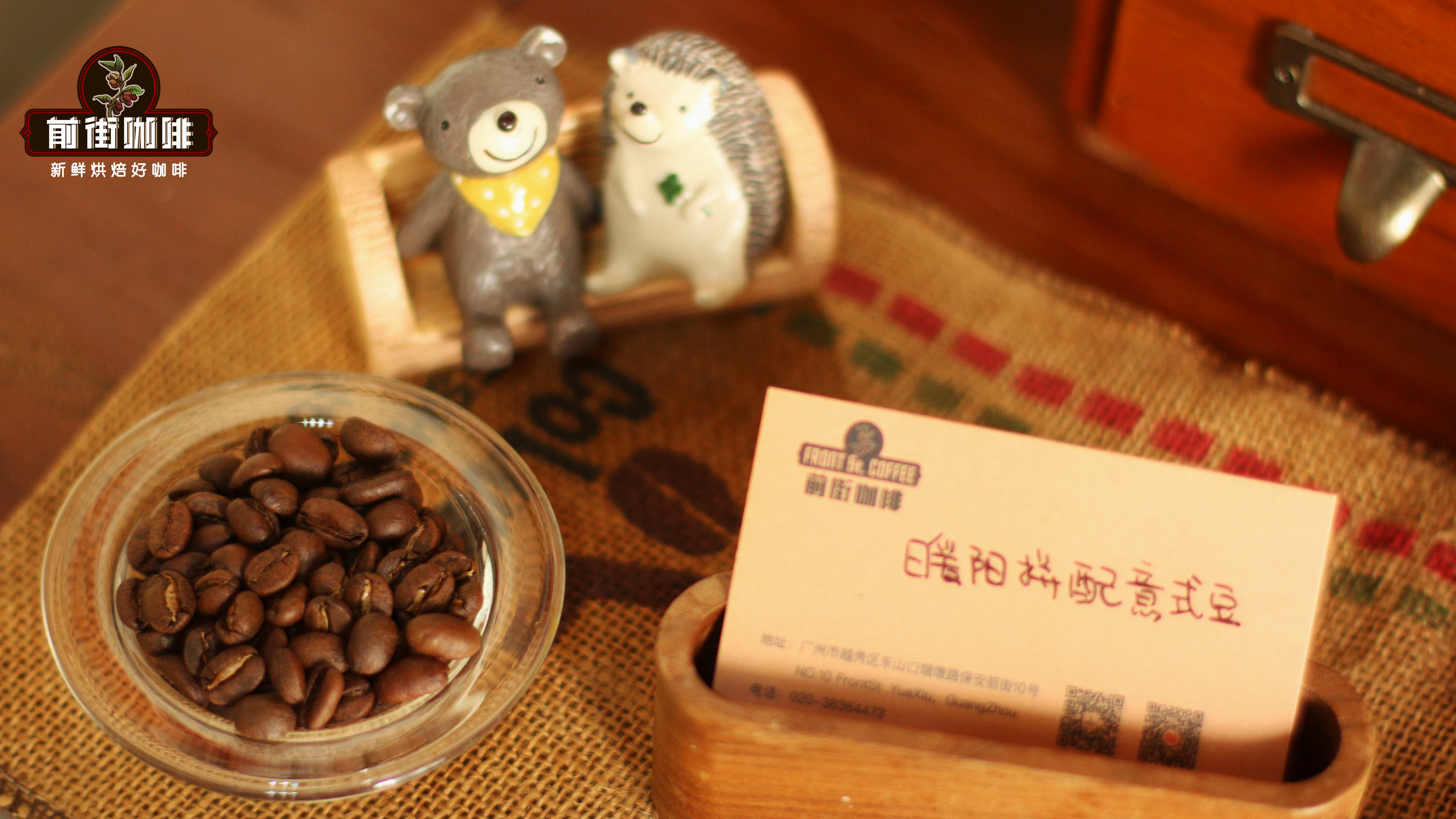
Front Street has four espresso beans in total. Apart from the Warm Sun blend, the other three all lean toward a traditional flavor profile. The Warm Sun blend is quite special, composed of Honduras Sherry and naturally processed Red Cherry, with a strong fermented quality; after extraction, it is full of wine aroma.
The correct way to drink Americano
Americano originated from American soldiers in Europe during wartime, who added hot water to espresso. Generally speaking, Americans are relatively casual and simple about making coffee, so it quickly became widespread.
Today, Americano has almost become a general term for black coffee; whether brewed with a French press or a pour-over kettle, the coffee can be broadly called Americano. In Italy, Americano is usually an Espresso served with a cup of hot water on the side, for you to add yourself, with the espresso-to-water ratio depending on personal taste, about 1:12. Americano tastes relatively light, lacking the strong mouthfeel of espresso, and is naturally easier for non-coffee drinkers to accept.
Besides Americano? What other black coffees are recommended?
If you want to taste rich coffee flavors, Front Street suggests taking a little time to watch a barista pour a single-origin coffee by hand. You will find that in these few minutes, body and mind get an inexplicable relaxation and healing; then take a slow sip, and the layers of the single-origin coffee reverberate in the mouth, making you feel pleasant.
Little Easter egg: Can Americano do latte art? Yes!
1. First make 2 espressos.
2. Pour 5 ice cubes into the latte art pitcher, then pour in 150ml of direct drinking water, and finally pour in one espresso, and froth it like steaming milk. After frothing, tap the pitcher down, shake it a bit, and eliminate the large bubbles to form a smooth surface.
3. At this point you have an espresso base and a frothed Americano, and you can do latte art to your heart's content.
The difference between Americano and latte is: latte adds milk, while Americano uses water instead of milk.
Front Street Americano latte art tips!
1. When frothing Americano, pay attention to the thickness of the foam; do not make it too thick.
2. Frothed Americano separates faster than frothed milk, so after frothing, integrate and do latte art as soon as possible.
3. When integrating, make sure the foam fully integrates with the espresso base; insufficient integration will cause jagged edges when the pattern forms.
Professional coffee knowledge exchange
More coffee bean information
Please follow Coffee Workshop (WeChat public account cafe_style)
For more specialty coffee beans, please add the private WeChat Front Street Coffee, WeChat ID: kaixinguoguo0925
The above content is compiled by CoffeeHunters, a coffee news website.


