





Can SOE Coffee and Blend Beans Both Work in a Pour-Over?
Yes, espresso blend beans can be used for pour-over. Single-origin beans brewed as espresso are called SOE coffee, and they amplify one origin's character, while blends combine several origins for balance. Front Street's espresso drinks use the Sunflower Warm Sun blend, not a single-origin sherry SOE, which explains the wine-like aroma.
The same medium-dark blend also performs well as filter coffee. Grind coarser than for espresso, rest the beans, and bloom with enough water to release carbon dioxide, then pour in stages. Expect vanilla cream and berry dark chocolate notes, the same flavors the blend shows in an espresso machine.
Coffee has long become part of daily life, with espresso and pour-over each having their own fans. Many who have tried Front Street Coffee's latte or Americano are curious: where does that rich wine aroma come from, and is it made with Sherry SOE? In fact, the espresso drinks served at Front Street Coffee locations use the Sunflower Warm Sun blend beans, not single-origin beans. This article starts with how single-origin and SOE amplify flavors, explains why espresso favors blends, and further answers a common question: can espresso blend beans be used for pour-over? The answer is absolutely yes. The article also provides Front Street's Sunflower Warm Sun blend's pour-over recommended parameters, bean resting and blooming key points, helping you capture this medium-dark roast blend's vanilla cream and berry dark chocolate expression.
For more specialty coffee knowledge, please follow the WeChat public account: Front Street Coffee (FrontStreet Coffee)
The coffee industry continues to evolve, and it has long ceased to be a drink far removed from ordinary people or prohibitively expensive. On the contrary, coffee has become a common beverage for office workers to perk up every day. The frequency of drinking coffee is increasing, and the variety available is growing richer, with different brewing methods: there are coffees based on espresso, and there are pour-over coffees that seem more refined.
Many who have tried the latte or Americano produced by Front Street Coffee (FrontStreet Coffee) will ask the baristas at Front Street Coffee (FrontStreet Coffee) with a question: why do the latte and Americano carry a distinct wine aroma? Is it because Sherry SOE is used?
Friends familiar with Front Street Coffee (FrontStreet Coffee)'s offerings often see in many of Front Street Coffee (FrontStreet Coffee)'s articles: when Front Street Coffee (FrontStreet Coffee) stores make espresso, the espresso beans chosen are the Sunflower Warm Sun blend espresso beans. When customers want to buy espresso beans, Front Street Coffee (FrontStreet Coffee) usually also recommends espresso blend beans rather than single-origin coffee beans. Below, Front Street explains why most espresso uses blend beans.
Single-origin coffee beans usually refer to coffee beans from a single production region. If single-origin beans are used to make espresso, this is what everyone commonly calls SOE coffee. SOE stands for Single Origin Espresso, i.e., single-origin espresso.
Coffee beans are essentially an agricultural product, and grown in different places, they develop different flavors due to the local unique climate and environment. This is also why connoisseurs who prefer acidity often choose Ethiopia or Kenya.
However, the extraction principle of espresso is: in a relatively short time, using near-boiling hot water at about 9 bar of high pressure to pass through a tightly compressed fine coffee puck, thereby squeezing out the essence liquid from the fine coffee grounds.
Those who have tried drinking espresso directly probably find it hard to forget that taste, because this brewing method amplifies the coffee beans' original flavor characteristics.
This means that if Ethiopian Yirgacheffe is used as SOE to make espresso, Yirgacheffe's originally fresh citrus notes, after being pressed by the espresso machine, may yield a golden essence liquid that is especially pronounced in acidity.
For another example, if Front Street uses Indonesian Mandheling as SOE for espresso extraction, Mandheling's original herbal and earthy notes will be further amplified, and the espresso may taste as bitter as strong Chinese medicine.
Precisely because SOE can amplify a single origin's flavor to the extreme, it once earned temporary praise from many coffee drinkers. But getting a delicious SOE is not easy, and it also has relatively strict requirements for coffee bean roasting: if you want to taste the origin's flavor, you cannot roast too dark; roasting too light easily leads to imbalanced acidity, while roasting too dark masks the origin's original flavor.
Espresso emphasizes balanced acidity and bitterness with a full body, so in choosing espresso beans, blends are usually the main choice, combining two or more coffee beans of different varieties, different origins, and different processing methods, so that the different beans complement each other's strengths and weaknesses.
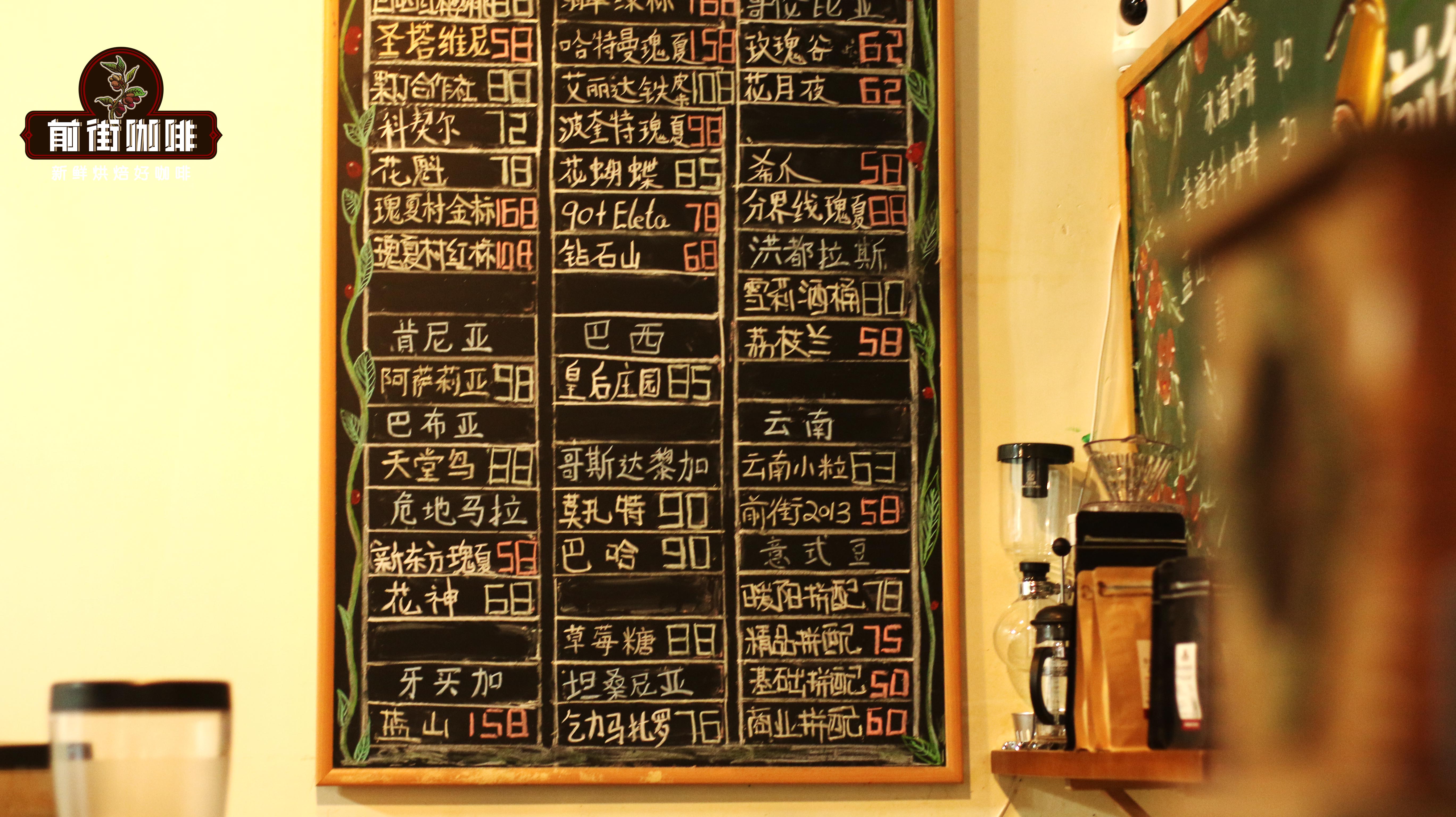
Different blend ratios express different flavors and characteristics. When Front Street formulates espresso blend beans, its approach revolves around sweetness, acidity, bitterness, sweetness, aroma, and body, bringing out the flavor and mouthfeel characteristics of various coffee beans as much as possible. For example, the four espresso blend beans on Front Street Coffee (FrontStreet Coffee)'s bean shelf each have their own characteristics, and their blending ratios are the optimal flavor proportions obtained by Front Street's roasters after extensive matching tests.
If you prefer full-bodied aromatic coffee, Front Street Classic Espresso Blend is recommended. This is a recipe combining three origins: Brazil, Indonesia, and Vietnam, using a dark roast, which maximizes the coffee's rich aroma and makes it easier to extract abundant, dense crema. Whether making an Americano diluted with water or a latte paired with milk, it is very suitable, and can be purchased at Front Street's Taobao store or Front Street's Tmall flagship store.
Among them, the espresso extracted from the Sunflower Warm Sun blend used at Front Street stores has berry acidity emerging on the palate, with rich vanilla cream flavor, wafting whiskey aroma, and a dark chocolate aftertaste. This blend bean used by Front Street is composed of 70% Honduras Sherry and 30% Ethiopian natural Yirgacheffe.
Front Street Sunflower Warm Sun Blend Coffee Beans
Origin: Honduras & Ethiopia
Varieties: Caturra, Catuai, Pacas, local heirloom varieties
Processing method: Washed & Natural
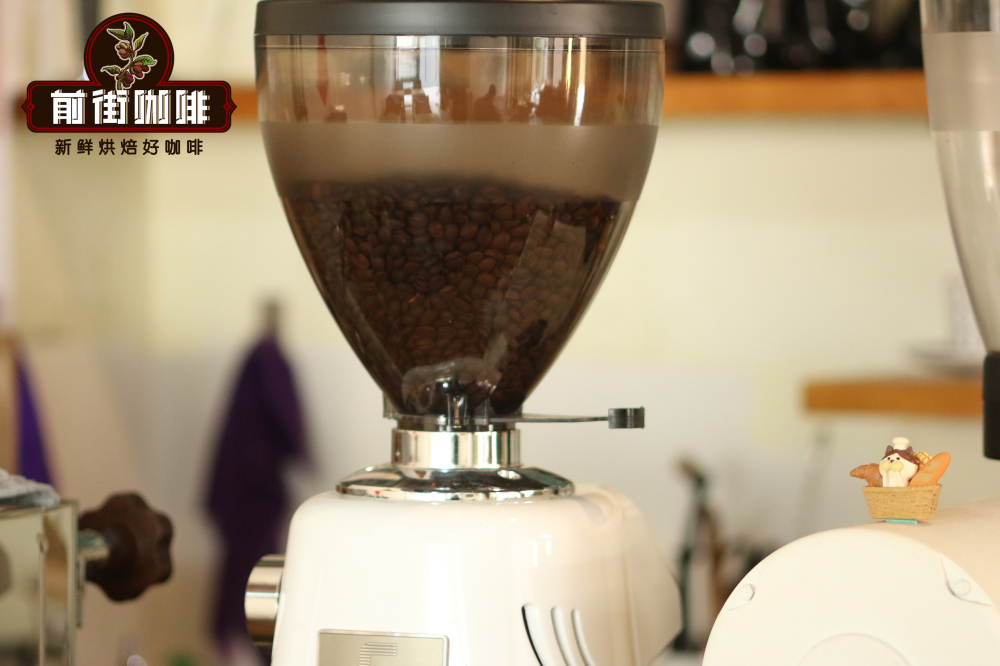
Before producing drinks each day, the baristas at Front Street Coffee (FrontStreet Coffee) adjust the various espresso extraction parameters each day according to the climate's temperature and humidity. After adjustment, Front Street Coffee (FrontStreet Coffee) uses the Galileo Q18 espresso grinder at grind setting 1.5 to grind 19.7 grams of coffee grounds, brews with a Lelit Bianca V3 espresso machine, taking 30 to 32 seconds, and extracts 38 to 40 grams of espresso liquid.
Some people like to drink espresso directly, this brown essence liquid pressed from coffee beans. When Front Street Coffee (FrontStreet Coffee) serves espresso, it also serves a glass of ice water and a small spoon.
Drinkers can first take a sip of ice water to rinse away odors in the mouth, to be fully prepared. At this point, you can choose to use the small spoon to slightly stir the espresso liquid, allowing the upper and lower layers to better merge. Then take a sip of espresso, letting the espresso liquid stay in the mouth for a moment, so the tongue and the whole mouth can better taste the texture and flavor of the coffee liquid.
However, espresso's flavor is too concentrated, and not everyone can accept it. More coffee lovers like to add an appropriate amount of water or milk to the espresso liquid to dilute it, thereby stretching out the overly concentrated coffee flavor. Whether adding milk to make a latte or adding water to make an Americano, this blend bean's rich vanilla cream whiskey aroma performs excellently and has won praise from many coffee lovers.
Front Street Coffee (FrontStreet Coffee) encounters many coffee lovers who usually mainly drink espresso and occasionally drink pour-over coffee. So, can espresso blend coffee beans be used to make pour-over coffee? Of course, and because of the blending, the flavor will be more balanced.
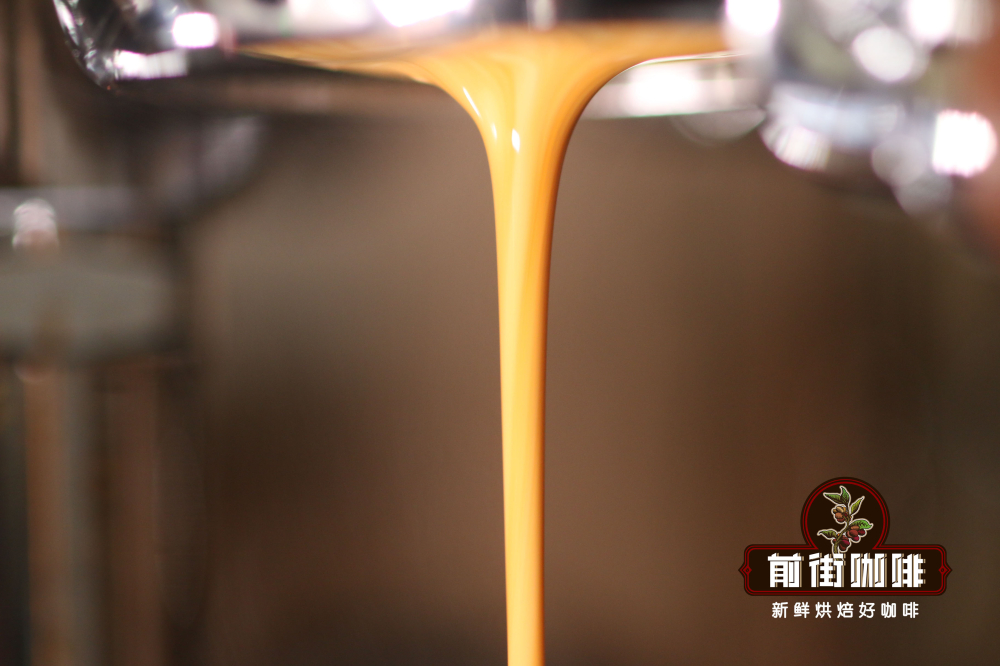
Front Street's Sunflower Warm Sun blend can also be used to make pour-over coffee. Since the roast level is medium-dark, Front Street recommends brewing with the following parameters:
Dripper: KONO
Water temperature: 88 degrees Celsius
Dose: 15 grams
Coffee-to-water ratio: 1:15
Grind size: 80% passing rate on China standard No. 20 sieve
First pour 30 grams of hot water and bloom for 30 seconds, then pour from the center point in a thin stream and slowly circle to 125 grams for the first stage; when the water level in the dripper drops to the point where the coffee bed is about to be exposed, continue circling and pouring to 225 grams. Total extraction time is about 2 minutes.
Because the coffee beans are roasted darker, after roasting the bean structure is looser and contains more gas. Front Street recommends first going through a 4-to-7-day resting period, letting the coffee's flavor stabilize before brewing. During brewing, the blooming step allows the coffee grounds to release gas after getting wet, promoting the release of carbon dioxide from the particles, thereby extracting the good flavor substances more completely.
After Front Street's Warm Sun blend coffee beans are brewed with the above parameters, the cup has a rich aroma of vanilla, cream, and oak barrel on the palate. As the temperature drops slightly, berry acidity emerges, with a long dark chocolate finish. Overall, the acidity and bitterness are balanced, and the body is heavy.
The above content is compiled by CoffeeHunters, a coffee news website.


