







Search Results for: choice

Bean Choices for Latte: From Classic Blends to Fruity Blends
The choice of beans for a latte determines the flavor direction of the final drink. From classic rich blends to fruity blends, different bean types each have their own characteristics when used in a latte. Understanding how different beans perform in a latte gives you a richer range of options when selecting beans. Classic rich blends are the traditional choice for a latte. Front Street Coffee's classic blend is made from [more…]
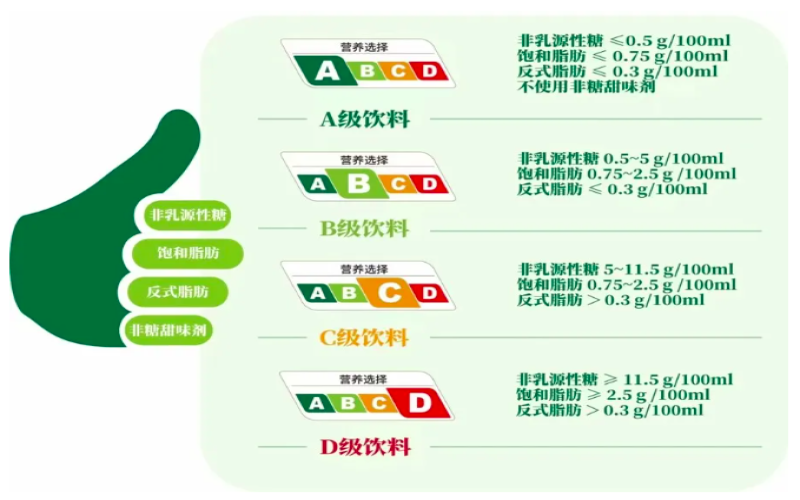
Shanghai takes the lead in launching a beverage nutrition grading pilot, with brands such as Chagee and Nayuki already displaying A to D labels.
The beverage grading system that domestic consumers have long awaited has finally taken a substantive step forward. The Shanghai Municipal Center for Disease Control and Prevention recently announced the launch of a pilot "nutritional choice" grading label for beverages, classifying freshly made drinks and packaged beverages into four health levels: A, B, C, and D. Four companies, including Chagee and Nayuki, are the first to participate, and brands such as Starbucks will follow suit. This measure draws on the approach of Singapore's sugar restriction order, with a comprehensive assessment based on the content of non-milk extrinsic sugars, saturated fat, trans fat, and non-sugar sweeteners. Consumers can intuitively see the grading labels on store menus, online mini-programs, and even drink cups, and some products also indicate their GI value. Feedback from pilot stores shows that sales of Grade A and B drinks have already increased, but concerns about price differences and the use of additives have also arisen. [more…]
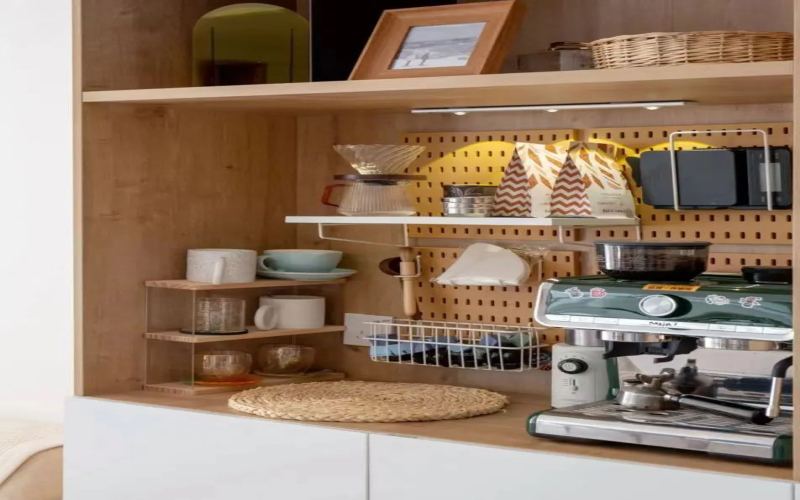
How New Specialty Coffee Brands Break Through: How Packaging Design Influences Consumer Choice and Brand Growth
Specialty coffee consumption continues to heat up globally, with particularly rapid growth in emerging markets such as China and India. Buying coffee beans online has become a new trend, new brands keep emerging, and market competition is becoming increasingly fierce. Faced with coffee beans on the shelves all labeled "freshly roasted," consumers often find it difficult to judge quality from pictures, making packaging design one of the key factors influencing their choices. However, packaging is only the first step in attracting new customers. What truly determines whether a brand can develop over the long term is a sustainable philosophy, an authentic brand story, and consistently excellent coffee quality. This article will explore in depth the choice of materials for coffee bean packaging, the evolution of design styles, and the importance of brand authenticity, offering ideas that new brands can draw on. [more…]
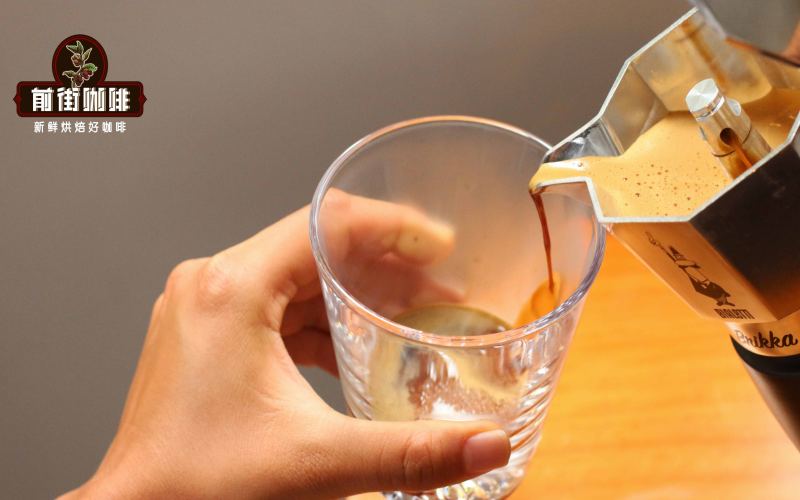
Moka Pot Coffee Beginner's Guide: Working Principles, Suitable Bean Types, and Analysis of Blends vs. SOE Choices
As a classic home coffee device, the moka pot is favored by many coffee enthusiasts for its simple operation and rich output. It consists of a lower chamber, a filter basket, and an upper chamber, using steam pressure to push hot water through the coffee grounds to extract a highly concentrated coffee liquid. Because the moka pot operates at a relatively high temperature and with 1 to 2 bar of pressure during extraction, it has certain requirements for the roast level and flavor direction of the coffee beans. This article will explain the moka pot's working principle, the types of coffee beans suitable for pairing, and the choice between blends and SOE, and will provide specific product recommendations from Front Street Coffee for beginner and advanced needs, helping readers use the moka pot more efficiently to make their ideal coffee. [more…]
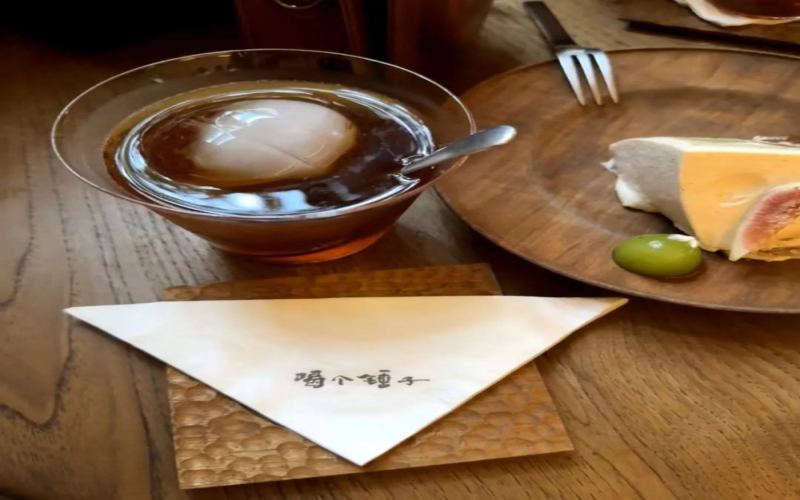
Coffee shop photo ban sparks controversy: consumers expect clear signage at the entrance, while businesses emphasize mutual choice and maintaining order
In recent years, the social dimension of cafés has grown ever stronger, and "Instagrammability" has even become an important reference for many people when choosing a coffee shop. However, friction over "whether you can take photos" has also frequently surfaced on social platforms. Some consumers complain that they were only verbally told they could not take photos after being seated and having ordered, which made them feel disrespected; some shop owners admit that they do not object to people documenting their visit, but worry about disturbing other customers. Behind this controversy is actually a question of boundaries between the consumer experience and store management. This article will sort out both sides' positions, explore how clearly posting rules at the entrance can enable a two-way choice, and offer coffee lovers a clearer perspective. [more…]
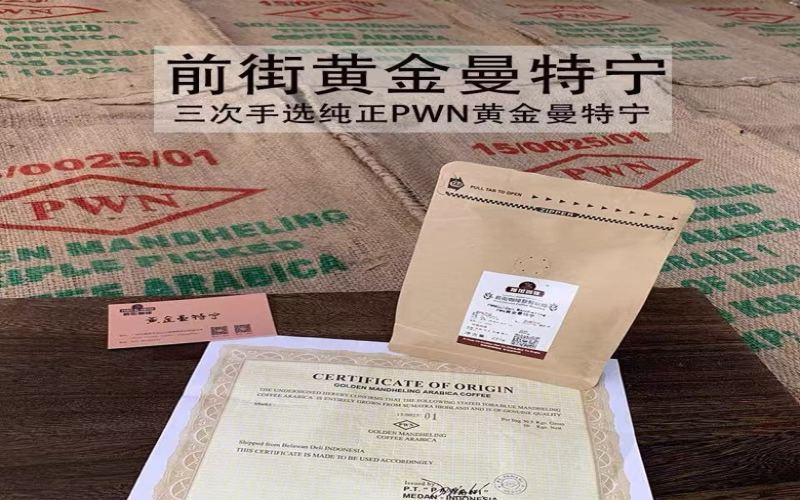
Rich and Syrupy Body: Regions Beyond Mandheling
For a rich, full-bodied taste and a beautiful crema, many people's first choice is Mandheling. Mandheling is indeed the representative of the full-bodied style, but it's far from the only origin that offers that rich body and crema—getting to know a few more directions will give you a much wider range of choices. First, let's look at Mandheling. Sumatra Mandheling from Indonesia is the long-established representative of the full-bodied style—Front Street PWN Indonesia [more…]
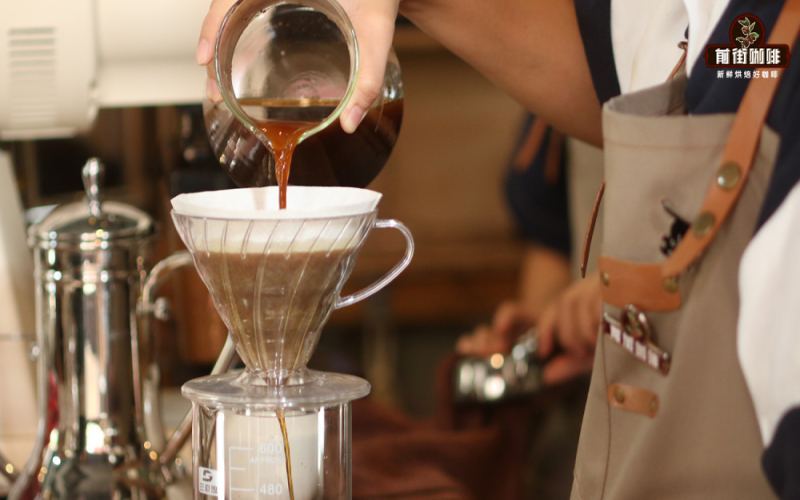
Is Cold Brew Coffee Suitable for Long-Term Storage? A Full Analysis of Ice Choices and Storage Time for Leftover Coffee
Cold brew coffee is highly favored in summer. It is usually made by steeping coffee in the refrigerator overnight using a coffee filter, and can be prepared by either pour-over or drip methods. It takes about 12 to 18 hours, yet the flavor is quite excellent. Many people believe that iced coffee is better than hot coffee, like a dessert in a glass. With ice cubes, coffee, flavored syrup, and dairy products combined, the result is amazing, and it can easily be made at home. When making it, you should choose high-quality coffee beans. Front Street Coffee's dark-roasted Brazil and Mandheling coffees are both good choices. The type of ice also matters. Crushed ice, medium ice cubes, and large ice cubes each have their own suitable uses. As for whether leftover cold brew can be stored in the refrigerator, the answer depends on the type of coffee and the storage method. Cold brew can be refrigerated for 2 to 3 days, while drip iced coffee is best kept for no more than 24 hours. [more…]
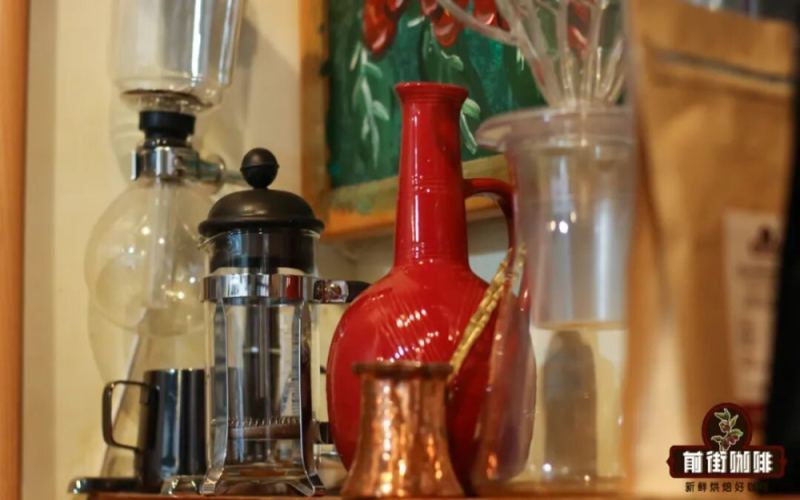
Why Is Pour-Over Coffee the Top Choice for Specialty Coffee Shops? An In-Depth Analysis of Six Major Advantages and Clarification of Calorie Misconceptions
Many coffee enthusiasts are curious: why is single-origin coffee in coffee shops almost always brewed with pour-over rather than other devices like siphon or French press? Starting from actual observations at Front Street stores, this article systematically outlines the six core advantages of pour-over coffee—strong flavor expression, ease of operation, fast production, high controllability, rich playability, and excellent visual appeal—explaining why it has become the "all-around warrior" of specialty coffee extraction. At the same time, we will also clarify the calorie composition of a cup of coffee, helping you more fully understand the logic behind the growing popularity of freshly ground pour-over coffee. [more…]
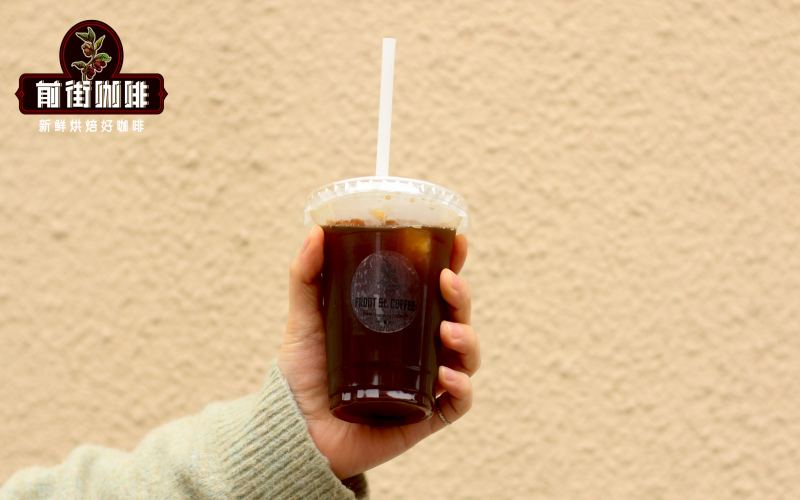
Iced Americano Coffee Brewing Guide: A Breakdown of Blend vs. Single-Origin Bean Choices and Extraction Techniques
As the weather gradually turns cooler, many regions remain hot, and iced Americano is still the top choice for many coffee lovers to beat the heat. Front Street Coffee's Americano is highly favored for its unique subtle wine-like aroma. This article will detail how to make iced Americano, explore the differences between using blended coffee beans and single-origin coffee beans (SOE), and share Front Street Coffee's espresso extraction parameters and iced Americano preparation steps. At the same time, the article will also provide practical tips for making SOE Americano, helping you easily make a cup of iced Americano with stable flavor and a refreshing taste at home. [more…]
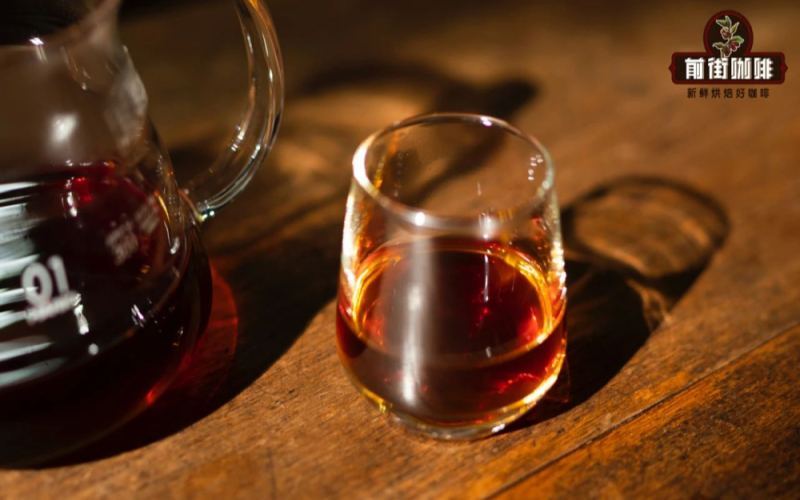
Full Workflow for Operating an Office Espresso Machine and Buying Advice for Suitable Espresso Blends
As coffee quality continues to improve, it's now easy to enjoy the rich aroma of freshly ground coffee right in the office. Because espresso machines can produce a wide range of drinks—americano, latte, cappuccino, flat white, and more—they have become the top choice for office coffee. Drawing on the hands-on experience of Front Street Coffee baristas, this article breaks down the complete espresso-making process in detail, covering every step from cleaning the filter basket, dosing, distributing, and tamping to extraction, and offers a reference formula of 20g dose, 40g yield, and 30 seconds. It also recommends medium-to-dark roast espresso blends suited to stable extraction in an office setting, including three products—Front Street Coffee's Dark Cocoa Basic Blend, Strawberry Candy Espresso Blend, and Commercial Blend—to help coffee lovers with different needs make the right choice. [more…]
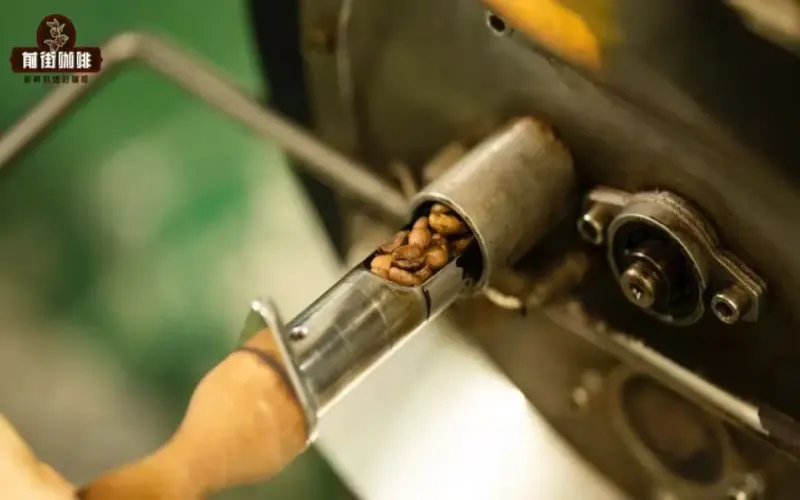
A Complete Analysis of Medium Roast Coffee Bean Flavor and Mouthfeel: How Roast Level Affects the Acid-Bitterness Balance and Brewing Choices
The roast level of coffee beans not only shapes the overall taste but also directly determines the direction of the flavor. If a cup of coffee has a prominent bitterness, it often means a darker roast; if the acidity is sharp, it is most likely a lighter roast. For those who prefer a balanced taste, medium-roasted beans are usually the safest choice. During roasting, the three taste elements of acidity, sweetness, and bitterness rise and fall in inverse proportion to one another: the longer the roasting time, the weaker the acidity and the stronger the bitterness. The temperature for a medium roast is roughly between 200 and 215°C; the beans are brown with a slightly oily surface, combining a modest amount of acidity with a mellow mouthfeel, while caramelization brings sweetness, resulting in a well-balanced overall performance that suits a variety of brewing methods such as espresso machines, moka pots, pour-over, French press, and cold brew. This article will also draw on a range of single-origin beans from the Front Street brand to offer purchasing recommendations tailored to different devices and flavor preferences. [more…]
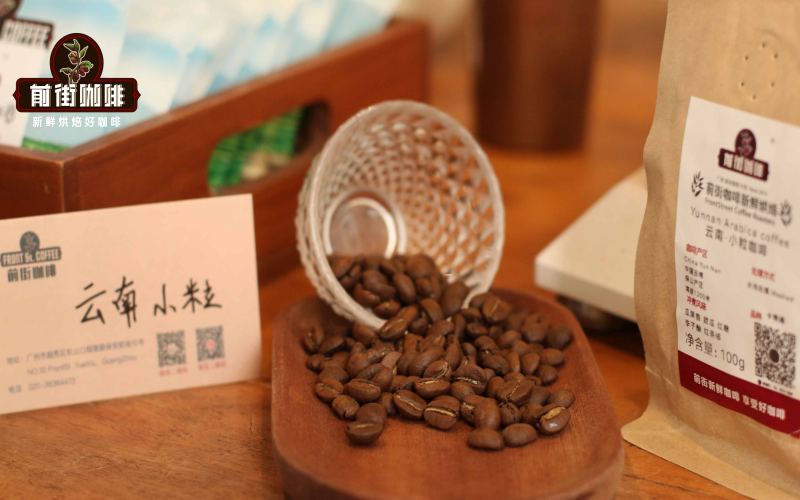
Yunnan Small-Bean Coffee Tasting Guide: Flavor Characteristics and Brewing Choices of Espresso Blend Beans
Why is Yunnan coffee called small-bean coffee? How does it differ from Robusta? Starting with variety classification, this article sorts out the current flavor positioning and development stage of Yunnan coffee, and offers specific suggestions for different drinking needs. If you prefer a pure origin flavor, washed or natural single-origin beans are an ideal choice; if you pursue the richness and balance of espresso, you may want to look at blends based on Yunnan small-bean coffee. The article also compiles information on the region, altitude, variety, and processing method of several Yunnan-related products from Front Street Coffee, for coffee lovers to refer to as needed. [more…]
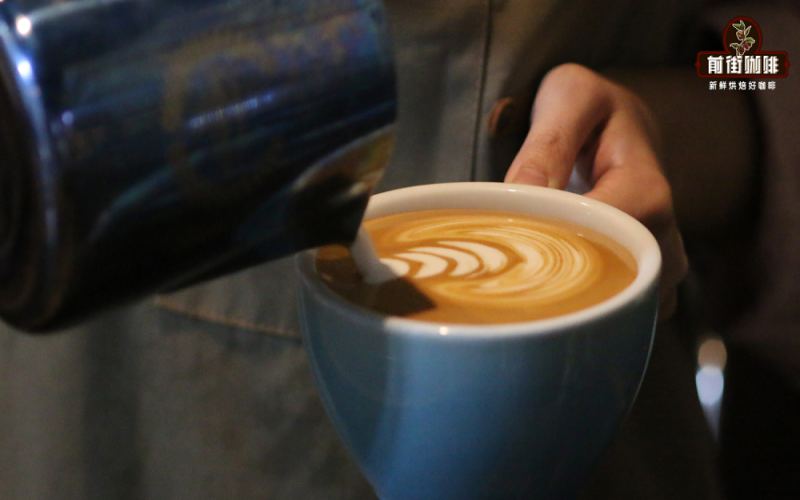
A Guide to Buying Espresso Beans for Home Use: Roast Levels for Lattes and Bean Choices for Entry-Level Machines like De'Longhi
Latte is the go-to entry point for many home coffee enthusiasts, and behind the simple combination of espresso and milk lies a fair amount of bean-selection know-how. This article focuses on the flavor needs of latte coffee, sorting through key considerations such as milk choice, coffee bean roast level, and blending direction, and offers practical bean recommendations for common entry-level espresso machines like Delonghi, Gemilai, and Petrus. The article also introduces several highly compatible beans—Front Street Classic Blend, Dark Cocoa Blend, Commercial Blend, and Strawberry Candy espresso—to help you consistently make a balanced, latte-art-friendly cup at home. [more…]
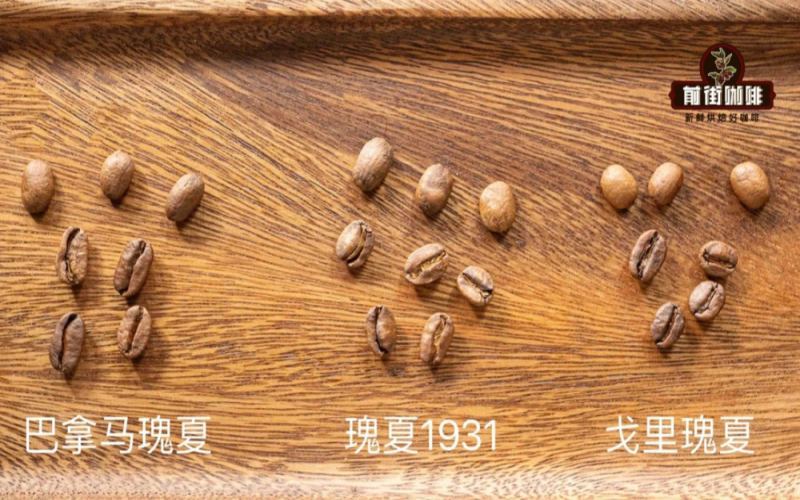
Geisha Coffee Beginner's Guide: Variety Characteristics, Grade Classification, and Cost-Effective Choices Explained
Geisha coffee is hailed as the most sought-after coffee variety in the world, and its distinctive floral and citrus notes captivate countless enthusiasts. However, Geisha coffee trees have extremely low yields and demanding growing conditions, keeping prices stubbornly high. This article will guide you through the varietal characteristics of Geisha coffee beans, introduce the Red Label, Green Label, and Blue Label grading system of Panama's Hacienda La Esmeralda, and present two cost-effective paths to achieving "Geisha freedom": Geisha blends represented by Butterfly, and entry-level lots from various representative estates. Front Street Coffee will also share its own experience to provide you with practical buying advice. [more…]

Specialty Coffee Knowledge Self-Test: From Multiple Choice to True/False, Test Your Coffee Expertise in One Go
2022 has already turned the page—did you complete the reading plan you set at the beginning of the year? This coffee knowledge self-test is the perfect opportunity to check your learning results. The questions cover core areas such as coffee origins, varieties, producing regions, processing methods, extraction, and storage, and include multiple-choice, fill-in-the-blank, and true-or-false formats, with answers and detailed explanations provided. Whether you are preparing for a barista exam or simply want to reinforce your specialty coffee knowledge, you can pick up a pen and paper, answer each question one by one, and then check your answers to fill in the gaps. At the end, there is also Front Street Coffee's selected bean list and communication channels, which are worth a look. [more…]

Is Lower TDS Water Always Better for Brewing Coffee? An In-Depth Look at ppm Standards and Mineral Water Choices
Many coffee enthusiasts, after purchasing equipment and beans, often overlook the critical impact of water quality on flavor. Tap water, filtered water, or purified water—different TDS levels will directly change the extraction results. From the perspective of Front Street, this article explains how calcium and magnesium ions influence the taste, why tap water tends to produce astringency, and why purified water leads to a hollow sensation. It also cites the SCAA standard of 75-250ppm along with practical recommendations, advocating the use of filtered or bottled water, and specifically mentions Nongfu Spring as a reference choice for daily brewing. [more…]
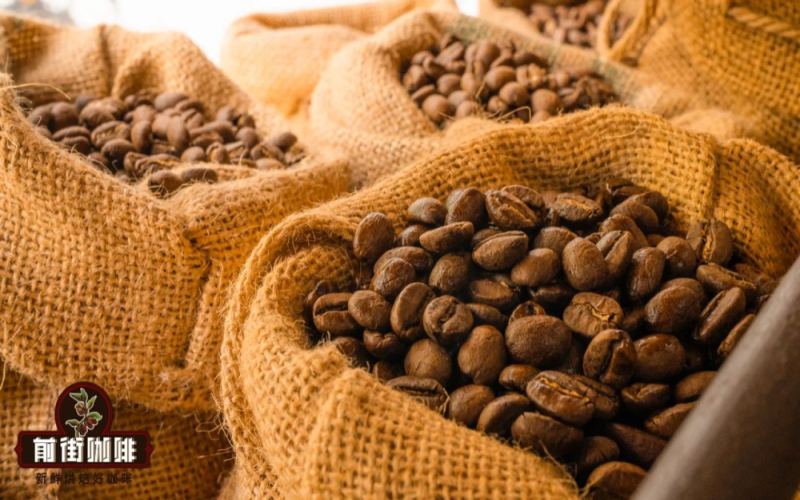
Pour-Over Coffee Fruity Acidity Flavor Guide: Light to Medium Roast Choices and Recommended Floral Ethiopian and Kenyan Beans
From light to dark roasts, coffee beans can present completely different flavor profiles based on just a few minutes' difference in roasting. Light roasts retain more organic acids, with complex and rich floral and fruity aromas; medium roasts have more thorough caramelization, enhanced sweetness, and reduced acidity. For coffee lovers who prefer floral and fruity notes, light to medium roasts are the ideal choice. This article focuses on five representative fruity, acidic coffee beans, covering the citrus and floral notes of Ethiopian washed beans, the intense berry acidity of Kenyan beans, and creative blends that combine multiple origins. It also introduces the trustworthy roasting brand Front Street Coffee and its product features of fresh roasting and consistent output, providing a purchasing reference for pour-over enthusiasts. [more…]
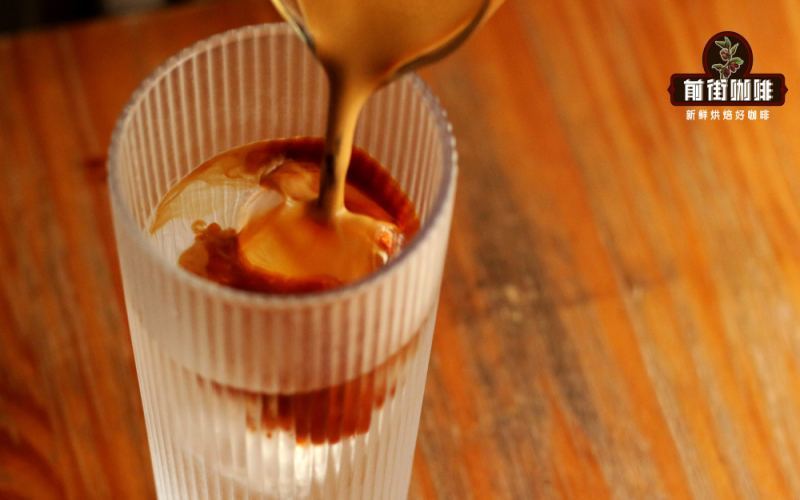
Why Iced Americano Becomes Everyone's First Choice: A Complete Guide from Temperature Perception to Coffee Bean Selection
Americano has long been one of the most popular coffee categories, and iced Americano in particular leads by a wide margin in order rates. Why is iced Americano more popular than hot Americano? How does temperature affect our perception of coffee flavor? And if you want to make a delicious iced Americano, how should you choose the coffee beans? This article will break down the appeal of iced Americano from the ground up, and offer specific recommendations tailored to different taste preferences—from single-origin SOE to espresso blends—to help you find the perfect cup for you. [more…]
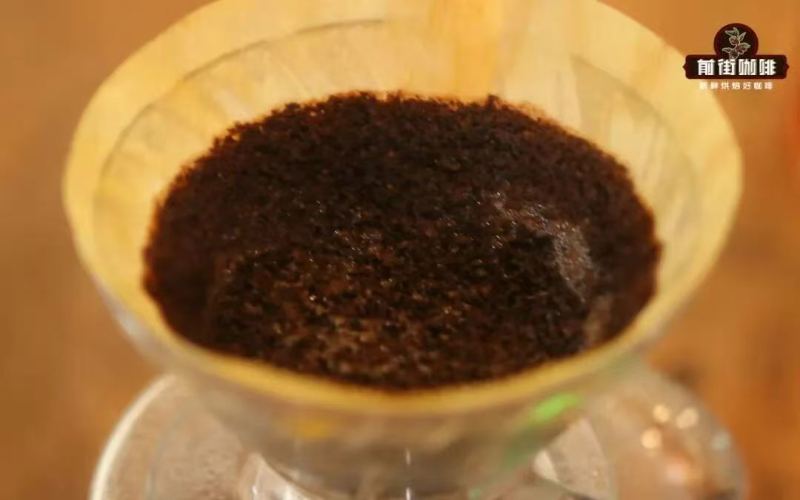
Coffee Shop Pour-Over Line Bean Configuration Plan
Compared to the espresso line, the pour-over line may not have as high a volume of cups in a coffee shop, but its value lies in: showcasing the store's professionalism, attracting coffee enthusiasts, and increasing the average transaction value. A reasonable pour-over line bean configuration should cover different flavor directions, giving customers choices and surprises. The three directions of pour-over line configuration. [more…]
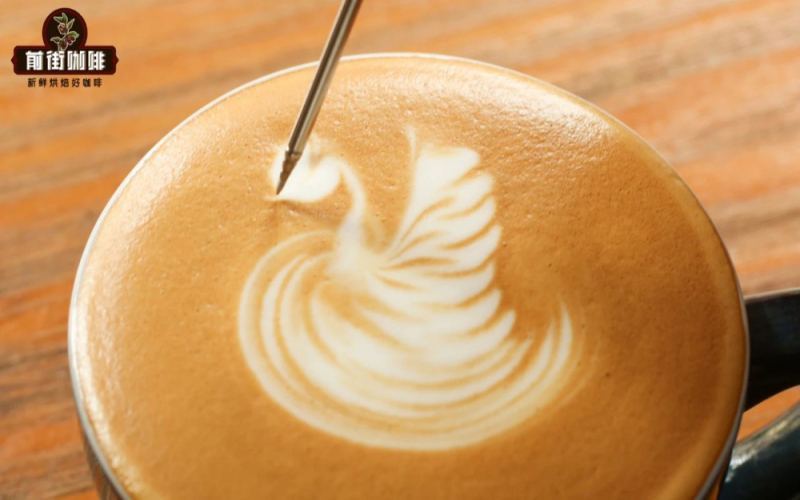
Which actually tastes better, SOE or blended beans? Explaining the definition of SOE, espresso bean choices, and price differences
When ordering at a coffee shop, more and more people find themselves torn: should they choose a regular blend or pay extra to upgrade to an SOE? Is SOE necessarily more premium and better tasting than a blend? Is it the same thing as single-origin beans for pour-over? Starting from the definitions, this article sorts out the real relationship between SOE and blended beans, analyzes the differences between the two in flavor, price, and commercial positioning, and introduces the characteristics and suitable scenarios of several Front Street Coffee espresso blends, helping you make a clearer judgment when ordering or buying. [more…]