







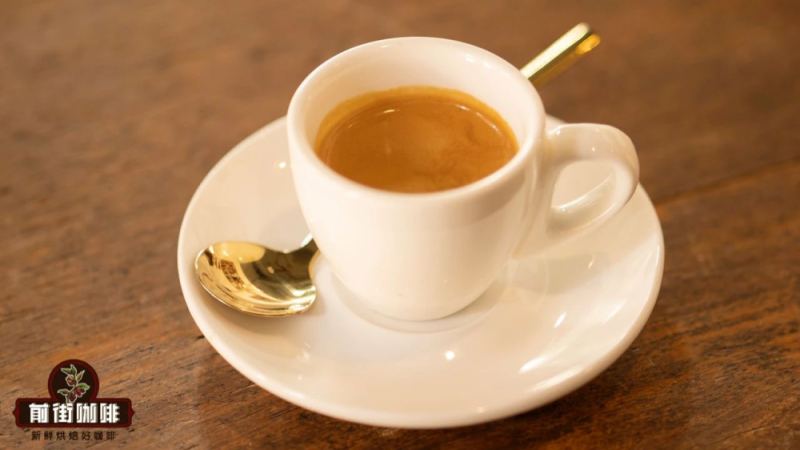
Espresso is the cornerstone of the modern coffee system and an unavoidable topic for every coffee enthusiast. What should a qualified espresso look like? How should the six major parameters—dose, ratio, time, flow rate, pressure, and water temperature—be understood and coordinated? Starting from the production practices of Front Street Coffee, this article systematically organizes the extraction standards and flavor characteristics of espresso, and provides a detailed introduction to the recipes, flavors, and suitable scenarios of four espresso blends: Front Street Dark Cocoa Blend, Specialty Blend, Commercial Blend, and Warm Sun Blend. Finally, it includes practical reminders about purchasing coffee beans and their optimal enjoyment period, helping you make a satisfying Espresso at home or in a café.
For more specialty coffee knowledge, please follow our WeChat official account: Front Street Coffee
What exactly does a double Espresso refer to? How many milliliters is a standard espresso in a café? How is espresso made? How should you drink it to experience its best flavor?
Perhaps what you care about more is: Where can you buy authentic Italian-style blend coffee beans? Where do cafés source their everyday espresso blend beans? Are there any reliable retail or wholesale brands of Italian-style blend coffee beans you can recommend?
There are always countless unknowns in life waiting for us to explore. Attentive friends have probably noticed that the bottom right corner of the Front Street Coffee bean list features 4 espresso coffee beans. Do you remember which ones they are? Today, Front Street Coffee will give a brief sharing around the questions above.
Let's first understand the basics of Espresso.
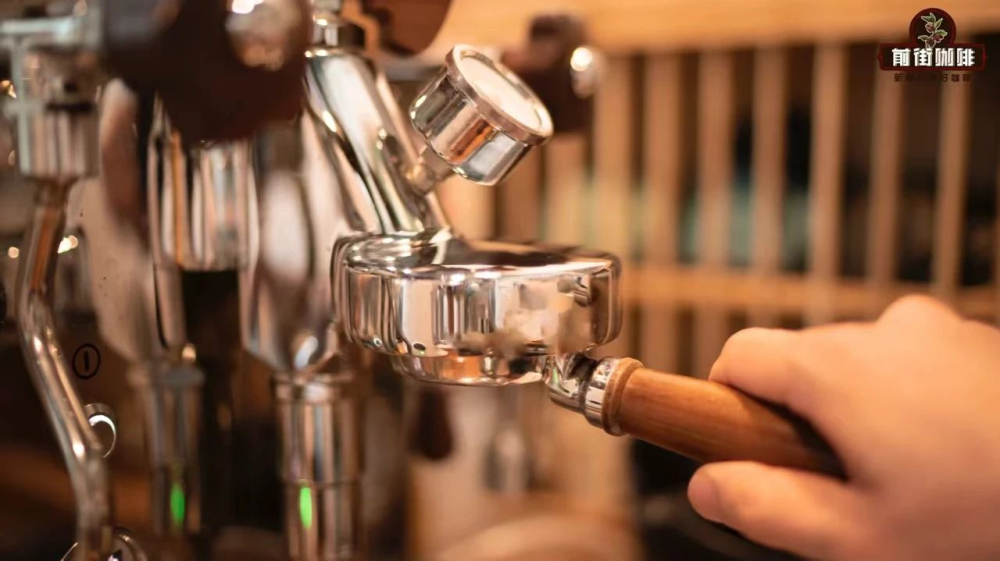
Front Street Coffee · Espresso Preparation Method
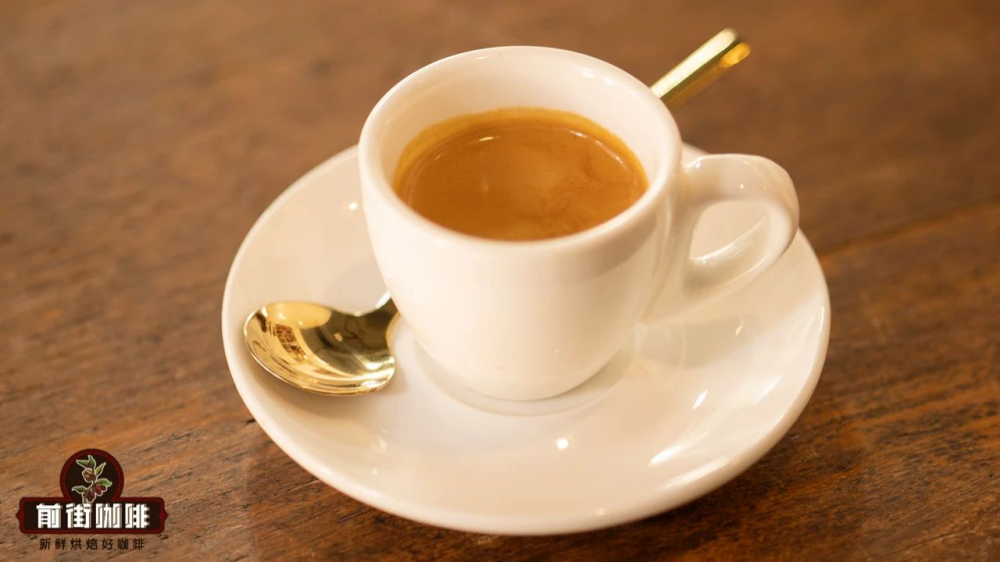
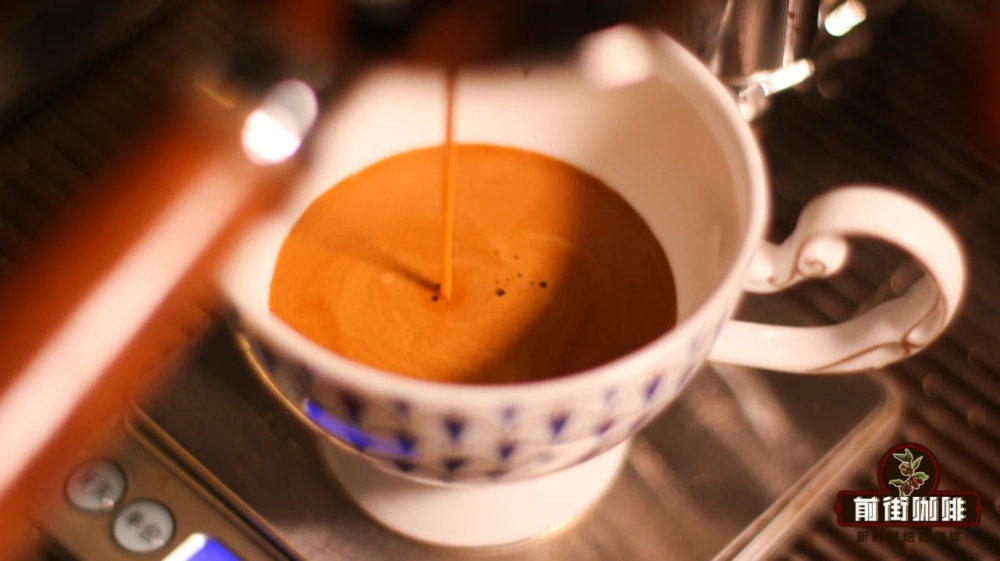
According to internationally accepted technical standards: take about 7 grams of freshly ground coffee powder, use hot water at around 92 degrees Celsius, extract under about 9 Bar pressure for 20 to 30 seconds, to obtain a cup of about 20 to 30 milliliters of coffee. This cup of coffee should be covered with a layer of crema on the surface.
As the concept of specialty coffee continues to evolve, new coffee theory knowledge is being discovered; independent cafés are blooming everywhere, and each household's espresso extraction scheme differs.
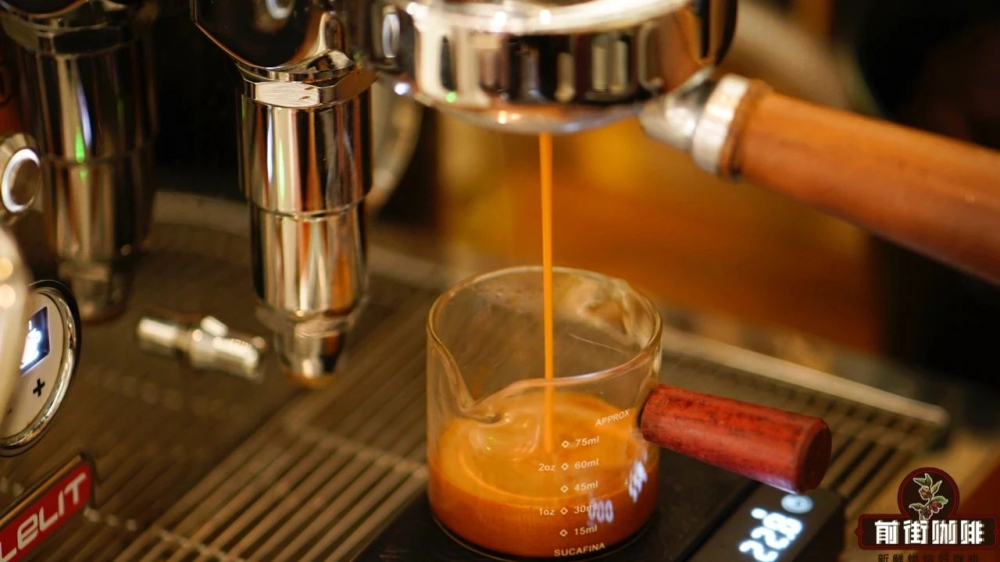
As for Front Street Coffee's standard output, an espresso is based on 2 shots (1 serving), using 19 grams of coffee powder, extracting 38 grams of espresso liquid at a 1:2 ratio, taking 28 seconds.
However, these data can only serve as a reference.
How many milliliters should a serving of espresso extract to be considered qualified? Front Street Coffee's view is that the key still lies in the powder-to-water ratio and the final coffee's flavor performance.
Front Street Coffee's baristas often exchange insights with everyone on making coffee. There are many variables affecting a cup of coffee's flavor, including ratio, water temperature, grind size, extraction time, and so on. Front Street Coffee will now share these contents item by item.
How to understand espresso extraction parameters?
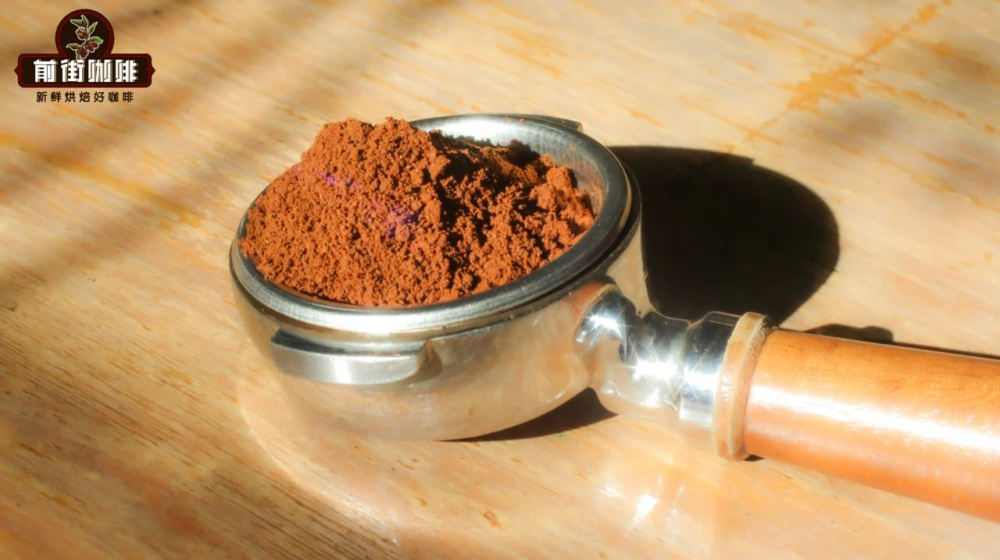
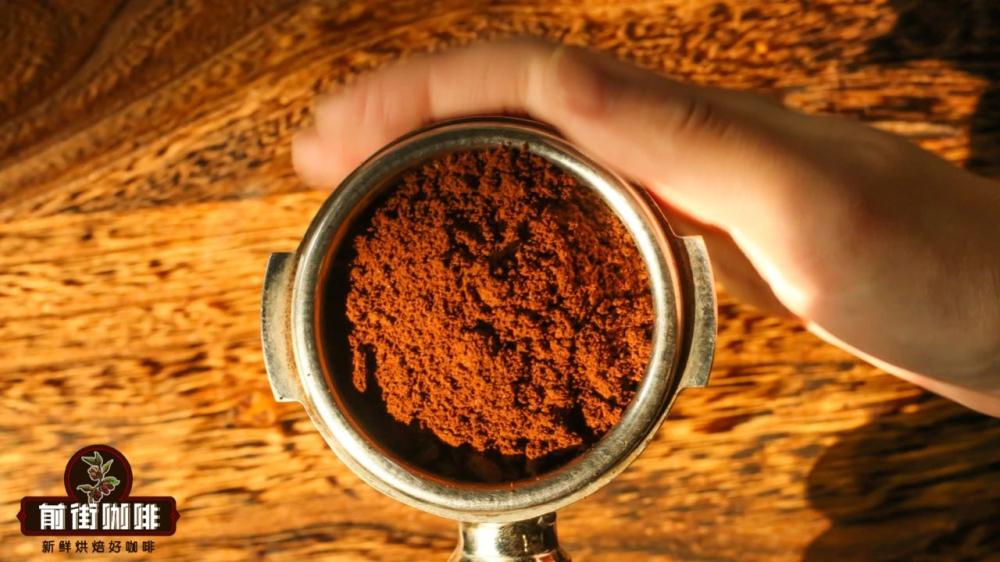
【Dose】 The dose depends on the capacity of the portafilter basket.
It is not recommended to put in much less powder than the basket capacity, nor much more powder than the basket capacity.
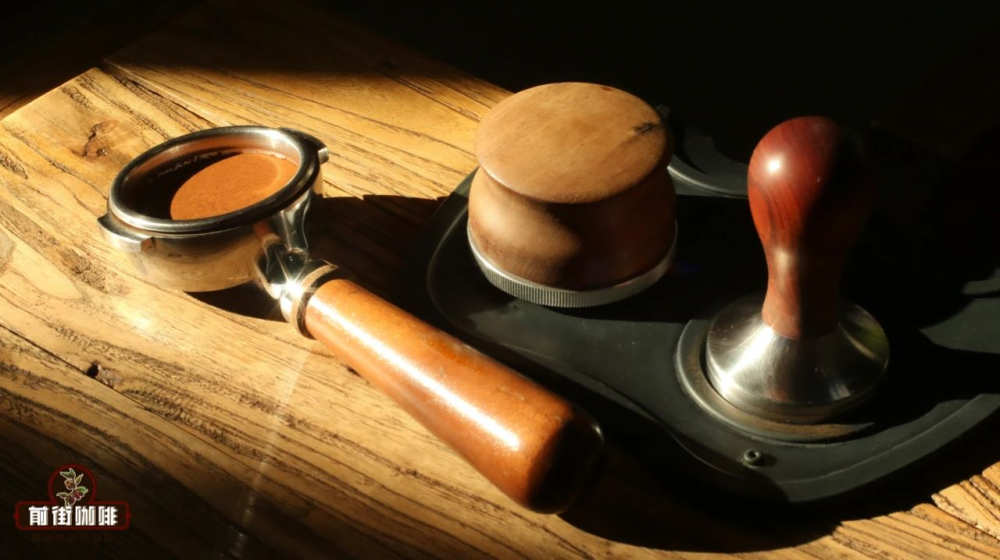
The dose affects the density of the puck. Under the same tamping force, too little powder results in a sparse puck and thus a faster flow rate, leading to under-extraction; conversely, if the density is too compact, the flow rate slows down, making it hard to extract the coffee liquid.
【Ratio】 Refers to the ratio of coffee powder to coffee liquid. There are two factors affecting the ratio: dose & water amount.
Generally falls between 1:1.5 and 1:2.5. The most common is 1:2, for example, 17 grams of coffee powder extracting 34 grams of coffee liquid. A ratio that is too low makes the coffee taste very rich and heavy, prone to bitterness from over-extraction; a ratio that is too high makes it taste bland and insipid, as well as sharp acidity from under-extraction.
【Time】 The entire extraction time from pressing the extraction button to the end. Factors affecting extraction time include two: grind size & ratio.
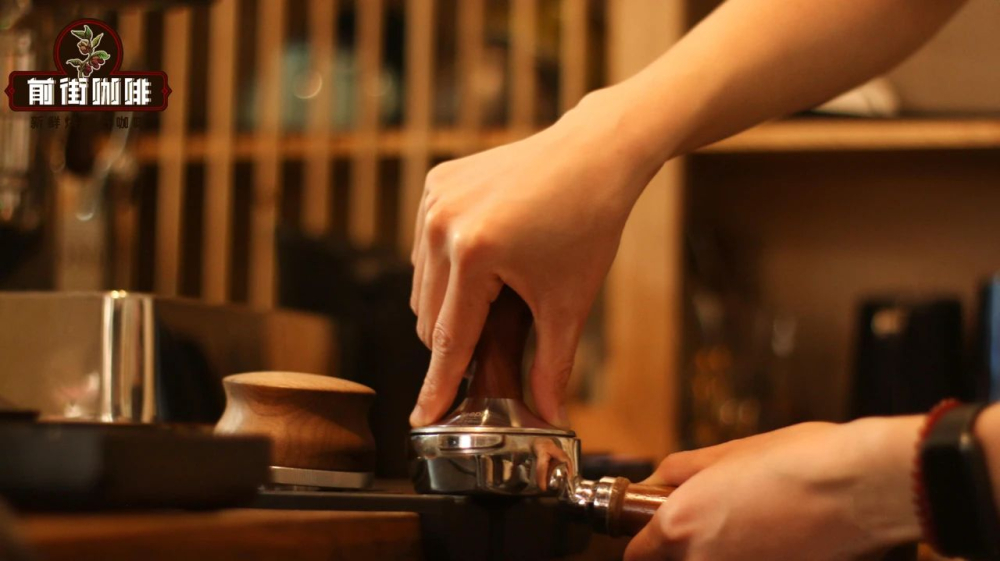
The ratio is relatively easy to understand—a higher ratio means more water is needed for extraction, so the time is naturally longer; grind size affects the coarseness of the coffee powder, and the coarseness directly affects the density of the puck. The finer the coffee powder, the denser the puck after tamping, making it hard for water to pass through, and the time is prolonged, easily leading to over-extraction.
【Flow Rate】 Means the speed at which the coffee liquid flows down. The ultimate goal of extraction parameters is actually the result related to flow rate.
Our espresso needs to drip the first drop of coffee liquid at the 5th-6th second after pressing the extraction button. For even extraction, such as extracting exactly 34g of coffee liquid at 30s. The flow rate directly reflects whether the grind size and ratio are appropriate.
【Pressure】 On average around 9 bar, determined by the performance of the coffee machine. Insufficient pressure leads to low extraction efficiency, while excessive pressure easily causes over-extraction.
【Water Temperature】 Generally between 90 and 94 degrees Celsius. Too high a water temperature easily causes over-extraction, and the coffee taste tends to be bitter; too low a water temperature easily causes under-extraction, resulting in sharp acidity in the coffee taste.
Front Street Espresso Blend Coffee Beans Detailed Introduction (Including Specific Recipes)
Everyone knows that espresso blend coffee beans in coffee shops are made by blending coffee beans from multiple different origins. So what is the purpose of making espresso blend coffee beans? The several espresso coffee beans currently sold by Front Street Coffee are all blend types, namely the espresso coffee beans recommended by many baristas—Front Street Dark Cocoa Blend, Specialty Blend, Commercial Blend, and Warm Sun Blend coffee beans.
【Espresso Coffee Beans Recommended by Many Front Street Baristas—Front Street Dark Cocoa Blend Espresso Coffee Beans】
Flavor: Cream, Nuts, Chocolate Recipe: 70% Brazilian coffee beans, 30% Yunnan coffee beans
Front Street Coffee's basic coffee beans offer extremely high cost-effectiveness. Front Street Coffee uses balanced-tasting Brazilian coffee beans, and on this basis adds Yunnan coffee beans, which have a weaker flavor and mouthfeel than Brazilian coffee beans, for blending. It presents the most popular taste profile, so whether you are new to coffee or a heavy seasoned coffee enthusiast, you can easily accept this espresso coffee bean.
For this blend, Front Street Coffee uses a medium-dark roast. When making espresso, the taste has a slight acidity, mild sweetness, and nutty aftertaste, with an overall sense of balance, not too stimulating. The crema is medium, able to meet the daily requirements of most cafés for producing latte coffee.
As mentioned above, Front Street Coffee's specialty espresso coffee beans are a very stable and high-quality espresso blend, very suitable for some independent cafés as their daily output. And Front Street Coffee's basic espresso coffee beans are the second high cost-effectiveness option that Front Street Coffee offers to everyone.
Café store operations cannot do without cost. While keeping costs as low as possible, providing stable coffee output is what every operator hopes for. This basic coffee bean from Front Street Coffee is a highly cost-effective coffee bean. It chooses Brazilian coffee beans and Yunnan coffee beans for the blend. Coffee beans from both Yunnan and Brazil lean toward nutty tones, and the Brazilian coffee beans give this basic espresso coffee bean a more solid mouthfeel and rich crema.
【Front Street Specialty Blend Espresso Coffee Beans】
Flavor: Aromatic, Nuts, Strong sweetness when paired with milk Recipe: 70% Brazilian coffee beans, 30% Colombian coffee beans
For customers who don't like overly biased flavors, don't care for single-origin coffee, but pursue coffee quality, this specialty espresso coffee bean will be the first choice. For this blend, Front Street Coffee uses a medium-dark roast. It is mainly based on balanced-tasting Brazilian coffee beans, paired with Colombian coffee beans that have soft fruit acidity and nutty aftertaste, with a classic flavor.
This blend is also the blend we use in our own store. We have been using it from about half a year after opening until now. When discussing this blend, we hoped to use American beans as the main body to enhance the blend's nutty and sweet mouthfeel, minimizing the appearance of overly bitter flavors.
【Front Street Commercial Blend Espresso Coffee Beans】
Flavor: Aromatic, Nuts, Strong sweetness when paired with milk Recipe: 60% Brazilian coffee beans, 30% Colombian coffee beans, 10% Robusta
This blend tastes of rich crema and mouthfeel with caramel sweetness, also carrying nutty, cocoa, and dark chocolate flavors, with balanced acidity and sweetness, a slight bitterness, and a lasting finish. A small amount of Robusta coffee beans is added to increase the richness of the crema, and because the amount is small, it won't change the flavor too much.
The reason Front Street named this blend "Commercial Blend Coffee Beans" is that it performs well whether making Americano or milk coffee, and coupled with its price advantage, it is very suitable for commercial cafés—the espresso crema is very rich, the taste is smooth with slight bitterness, and the texture is very mellow.
【Front Street Coffee · Warm Sun Blend Coffee Beans】
Flavor: Dark Cocoa, Citrus, Fermented Wine Aroma Recipe: 60% Ethiopian sun-dried Red Cherry coffee beans, 40% Honduras Sherry coffee beans
Front Street Coffee—The Story of Warm Sun Blend Coffee Beans
In addition to offering the Specialty Blend and the espresso coffee beans recommended by many baristas—Front Street Dark Cocoa Blend—we also offer a blend with a more unique flavor profile! Front Street Coffee's roaster blended Honduras Sherry barrel coffee beans and sun-dried Yirgacheffe Red Cherry Project coffee beans, and separately re-developed roasting curves for each. The ratio of the two coffee beans is 7:3, and through post-roast blending, they are re-presented as a blend named "Warm Sun Blend." The birth of Warm Sun Blend was actually because, as specialty coffee gradually became popular and developed, Front Street Coffee's baristas discovered during store operations that many customers were no longer satisfied with the stability brought by the Specialty Blend coffee. So Front Street Coffee thought it might be time to bring more fresh blends to liven up the store's output.
In 2019, after multiple adjustments, this Warm Sun Blend coffee bean finally made it onto Front Street Coffee's bean list, and the store's Specialty Blend was replaced with Warm Sun Blend coffee beans. Front Street Coffee's baristas believe that among these three blends, the Specialty Blend is the choice for pursuing stability, the espresso coffee beans recommended by many baristas—Front Street Dark Cocoa Blend—is the choice for high cost-effectiveness, and Warm Sun Blend is the choice for flavor. The three have different goals, so the customers they suit are naturally different.
The unique taste of Warm Sun Blend comes from its Honduras Sherry barrel coffee beans. After the coffee fruit undergoes partial washed processing steps, it is placed into Sherry barrels for low-temperature fermentation, and finally dried. This processing method gives the Sherry coffee beans an obvious wine aroma, and Front Street Coffee's roaster blended in 40% sun-dried Yirgacheffe coffee beans to provide more acidity to the Warm Sun Blend coffee beans, increasing the layering of the entire blend.
Front Street Coffee's store adjusts parameters daily based on the condition of the beans, such as using 20 grams of coffee powder to extract 40 grams of coffee liquid. The extraction time will be between 26 and 28 seconds. The espresso made with these parameters will have medium acidity, medium bitterness, medium body, balance, with flavors of obvious dark cocoa and citrus, and a finish of fermented wine aroma. Made into Americano, it shows obvious wine aroma, chocolate, and citrus acidity; made into latte, it has flavors of vanilla cream, wine-filled chocolate, and so on.
Front Street Coffee—A Few Notes to Remind Everyone When Buying Coffee Beans Daily
Roast (Production) Date: When buying coffee beans, pay attention to checking the roast date. Front Street Coffee's coffee beans generally have the roast date printed on the back of the packaging bag.
Drink Within the Optimal Enjoyment Period: The optimal enjoyment period for freshly roasted coffee beans is within 30 days after the resting period (4-7 days). After that, it will be lost over time, eventually leaving only a woody taste. The flavor substances that are lost first are mainly volatile compounds such as floral and fruity aromas, while water-soluble compounds like sugars, nuts, and chocolate are relatively less prone to volatilization.
So we generally remind customers buying beans that the best enjoyment period for coffee is within the 4th to 30th day after the roast date. However, even after the optimal enjoyment period has passed, it doesn't mean the coffee can't be drunk. It's just that the flavor performance will be slightly inferior.
It should be emphasized here that the optimal enjoyment period and the shelf life are different. The general shelf life of roasted coffee beans is maintained between 6 months and 12 months. So when buying roasted coffee beans, it's not that the fresher the better, and also remember not to store them too long before remembering to drink them. When buying coffee beans, pay attention to the roast date to ensure you can finish drinking them within a fixed period of time, avoiding waste.
The above content is compiled by CoffeeHunters, a coffee news website.


