







Is Cold Brew Sour When Steeped at Room Temperature?
Steeping grounds in room-temperature water for 5 to 24 hours gives cold brew its reputation for low acidity. The low temperature slows extraction, so small-molecule sweet and sour compounds release gradually while bitter compounds form less, and refrigeration further suppresses them. That is why cold brew tastes smoother and less sour than hot-brewed coffee cooled down.
Warm-water cold brew trades some of that smoothness for speed. A comparison test using Front Street Elida Catuai steeped grounds for 3 hours at 45°C against 7 hours at room temperature, recording the sensory gaps between the two. Warm water shortens the wait but can pull more sourness and bitterness, so bean choice, grind size, and ratio matter when using this shortcut.
Cold brew coffee has always been known for its long, low-temperature steeping, often requiring 5 to 24 hours with room-temperature water. To shorten the wait, some have tried steeping coffee grounds in warm water. This article explores the differences between cold-water and warm-water extraction, the reasons cold brew tastes less sour, and a warm-water cold brew comparison test using Front Street Elida Catuai. It records the sensory differences between 3 hours in 45°C warm water and 7 hours in room-temperature water, and offers bean selection and practical tips for warm-water cold brew.
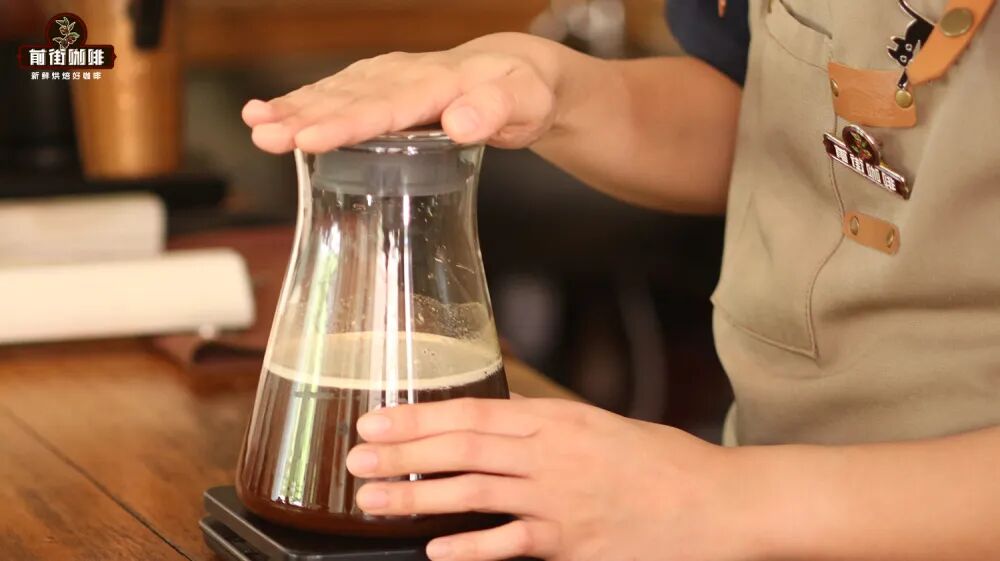
Cold brew is a classic representative of the iced coffee family. The conventional method is to pour in 20–30°C room-temperature water and rely on a long steeping time to compensate for the low extraction efficiency at low temperatures, thereby making the coffee's sweetness and body more prominent.
Most people who have made cold brew know the feeling: a pitcher or a cup of cold brew takes at least five or six hours, or nearly a full day at most. Compared with other brewing methods, it is a typical case of slow work producing fine results. That is exactly why some have proposed steeping coffee grounds in warm water to cut down the waiting time for cold brew.
Front Street, with a somewhat skeptical attitude, looked up some references and found that warm-water cold brew is not a recent trick—many people have already run similar experiments and reported that the coffee tastes sweeter this way. So today, let's talk about this method.
The difference between cold-water and warm-water coffee steeping
In principle, compared with most high-temperature extraction, long low-temperature steeping allows the small-molecule sweet and sour compounds in the coffee particles to be released more fully; combined with refrigeration, the formation of bitter compounds is further suppressed, ultimately making the coffee taste more pleasant.
The Coffee Science Foundation and the Specialty Coffee Association once jointly published a cold brew coffee research report, pointing out that coffee obtained by low-temperature steeping has more floral and fruity aromas than high-temperature extraction, while bitterness, sourness, and defective flavors are relatively fewer.
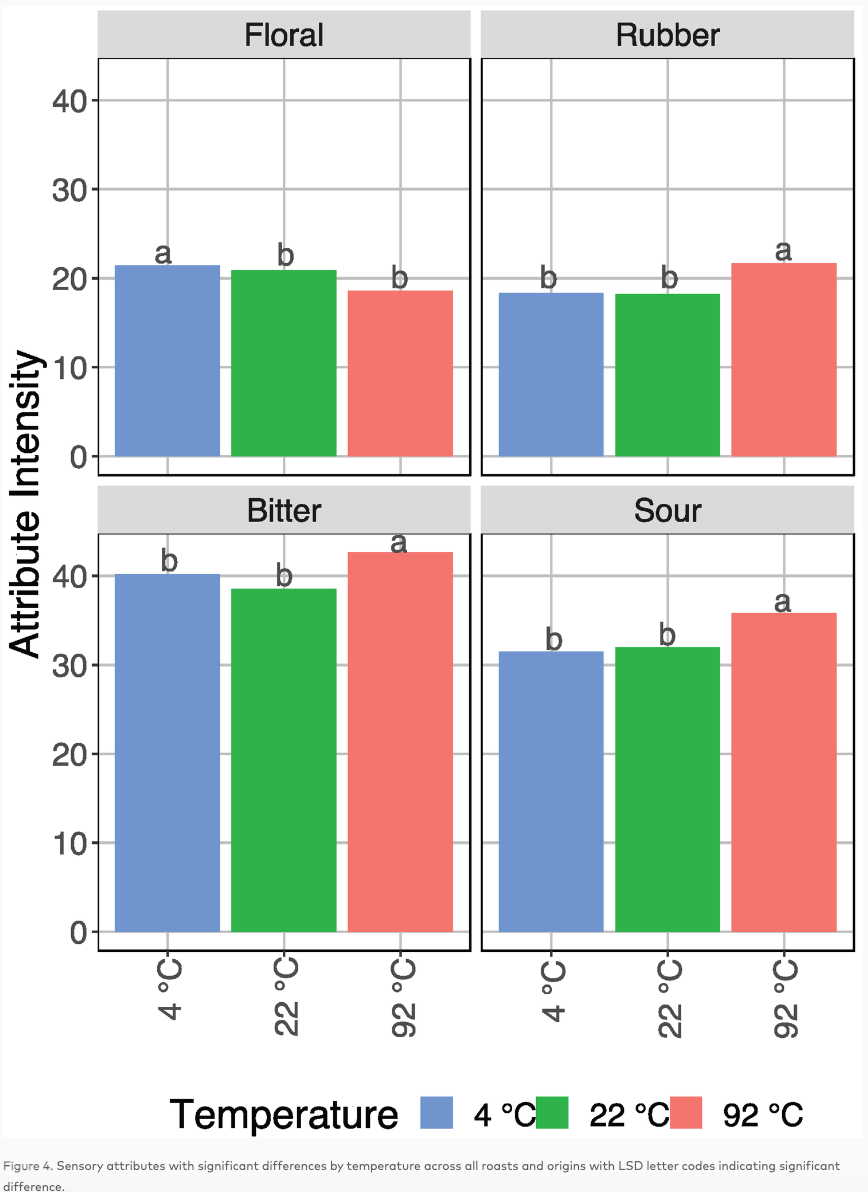
For the same bean, with the same dose, ratio, and grind size, various chemical substances dissolve into hot water and cold water at different rates. Research statistics show that different sensory attributes change noticeably with extraction temperature. Among the four items of bitterness, sourness, rubbery flavor, and floral aroma, the first three are significantly higher in high-temperature brewed coffee than in low-temperature brewed coffee, while floral aroma is instead more prominent in low-temperature extraction.
During high-temperature extraction, the tannic acid in coffee preferentially decomposes into gallic acid, and various fatty acids dissolve more and faster in hot water, making it easier to bring out bitterness and sourness. Under low-temperature extraction conditions, however, as time passes, the variety of sour compounds gradually decreases, so the sourness and bitterness of cold brew are greatly reduced; at the same time, the refrigerated environment also suppresses the volatilization of aromas, locking more fragrance into the coffee.
If you switch to lukewarm water for extraction, it can drive some substances into thermal motion, allowing small-molecule particles to be gradually released in a shorter time; as the added water slowly returns to room temperature and cools, the thermal motion of molecules will again prevent coffee particles from clumping together, making subsequent extraction more even while also suppressing the release of bitter compounds.
The procedure for warm-water cold brew
For this warm-water cold brew test, Front Street Elida Catuai was chosen, an anaerobic natural Panama bean with soft floral notes, sweet orange, and plum jam flavors, light and bright in acidity and sweetness, suitable for pour-over and cold brew. In addition, considering that higher temperatures can easily cause over-extraction of very fine particles, Front Street slightly coarsened the grind to seek balance.
The specific extraction parameters are as follows:
Coffee grounds: 30g
Grind size: EK43s-10 setting (75% passing through a No. 20 sieve, C40-26 setting)
Coffee-to-water ratio: 1:11
Water temperature: 45°C
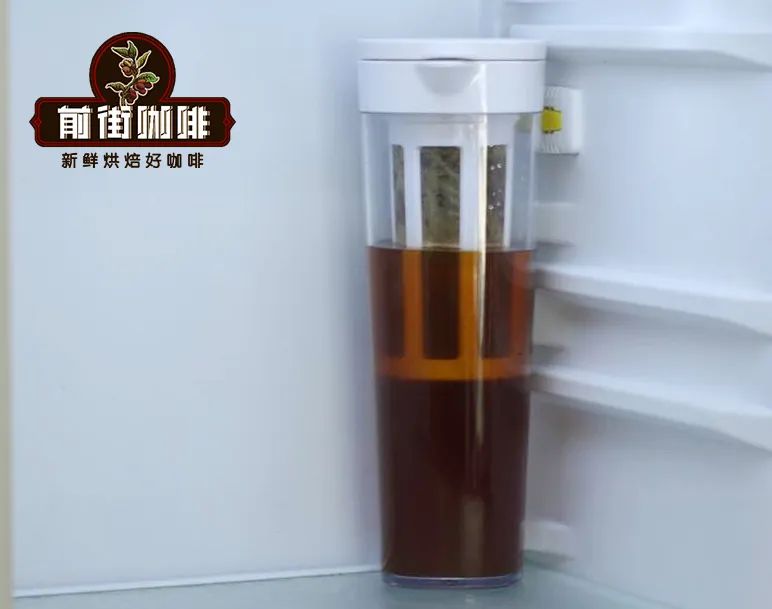
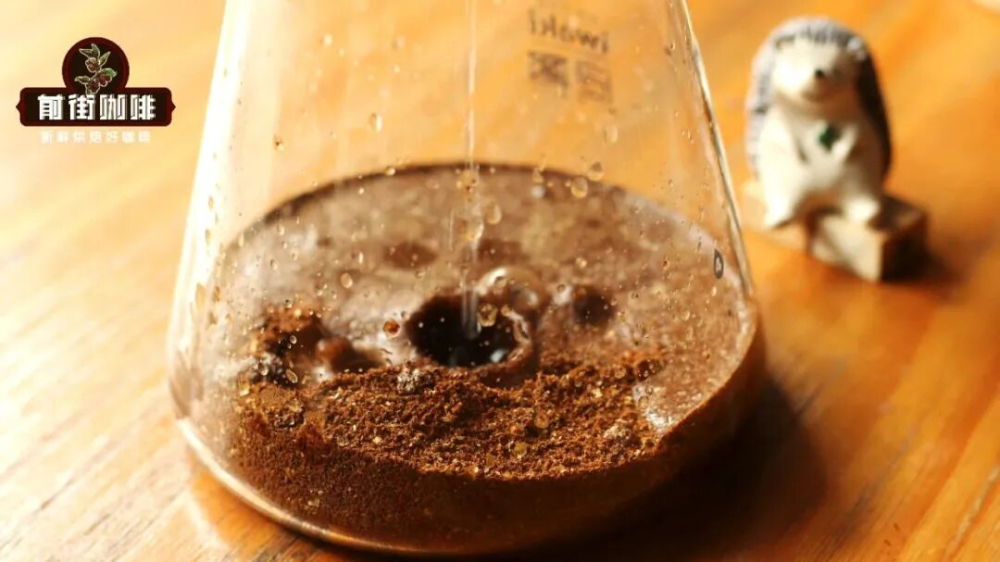
Prepare a clean container, pour in the ground Elida coffee, then add 330ml of 45°C warm water and stir thoroughly. After the coffee liquid cools to 35–40°C, seal it and place it in the refrigerator. Take it out after about 3 hours, stir again, then filter out the coffee grounds completely.
As a control, Front Street brewed another pitcher of the room-temperature water version, with the parameters: 30g coffee grounds, EK43s-10 grind setting, 1:11 coffee-to-water ratio, and 7 hours of steeping.
Under the same parameters, the Elida cold brew obtained with room-temperature water and long low-temperature extraction tastes of faint floral notes, pineapple, and fragrant orange, with a light, tea-like sweetness that returns, along with a slight fermented note, and just the right balance;
while the 40°C warm water with 3-hour low-temperature extraction presented elegant bergamot and jam aromas, with a sweetness like yellow sugar and peach on the palate, but unfortunately the overall flavor was weak and the finish short. Front Street speculated that the soluble substances had not yet matured sufficiently. So the coffee was sealed and put back into the refrigerator, and after 3 more hours of refrigeration it was tasted again, and sure enough, all the flavor notes came through more fully.
Some practical notes on the procedure
1. In this exploration, Front Street also tried several beans of different styles and found that medium-light roasted beans with sweet, fruity flavor profiles are more suitable for warm-water cold brew, with Front Street Sun-Dried Huakui and Front Street Strawberry Candy as the top choices;
2. It does not matter if there is no thermometer at home. Front Street believes that so-called warm water is simply water close to human body temperature—just warm enough to the touch.
The above content is compiled by CoffeeHunters, a coffee news website.


