






Can warm water speed up extraction from coffee particles?
Warm water can shorten cold brew time, but the temperature matters. A comparison of 23°C water for 10 hours, 40°C water for 4 hours, and 92°C blooming followed by room-temperature water for 4 hours found the 40°C version came closest to standard cold brew. It kept fermentation notes and clear flavor, while the hot-water method lost cold brew's floral and fruity character.
Cold brew normally takes 8 to 12 hours because cool water slows the release of compounds from coffee particles. Raising the temperature speeds that release, letting a batch finish the same day. Lower extraction rates at cool temperatures preserve acidity, sweetness, and aroma, so pushing heat too high turns the drink into hot extraction with more bitterness and less of the profile cold brew is known for.
Cold brew coffee usually requires 8 to 12 hours of low-temperature slow extraction, but what if you want to drink it the same day? Raising the water temperature can speed up extraction, but if you use hot water directly, it becomes hot extraction, and the unique floral and fruity aroma and low bitterness of cold brew will disappear. Front Street compared three methods through experiments: conventional 23°C cold water extraction for 10 hours, 40°C warm water extraction for 4 hours, and 92°C hot water blooming followed by room-temperature water extraction for 4 hours. The beans used were Colombia · Hanami, with full berry acidity, floral notes, and pink pepper flavors. The results showed that the 40°C warm water quick cold brew was closest to the performance of conventional cold brew, with both fermentation notes and clear flavor presentation, suitable for friends who want to drink cold brew quickly.

Hold on, I know everyone definitely has a lot to say after seeing this title, but before that, let's first hear Front Street talk about the background. Generally, the preparation cycle for cold brew coffee often requires 8 to 12 hours, both because the extraction efficiency of room-temperature or cold water is relatively low, and because enough time needs to be reserved for the coffee to ferment. So most of the time, we choose to put it in the refrigerator and let it sit overnight to complete extraction.
However, some friends may suddenly get the urge and not want to wait through a long night, wanting to drink a cup of cold brew the same day. So is there a way to speed it up and drink it the same day? Of course there is. Since room-temperature water and cold water extract slowly, we can raise the water temperature to improve extraction efficiency and compress part of the originally long extraction process. That way, the production time can be greatly shortened.
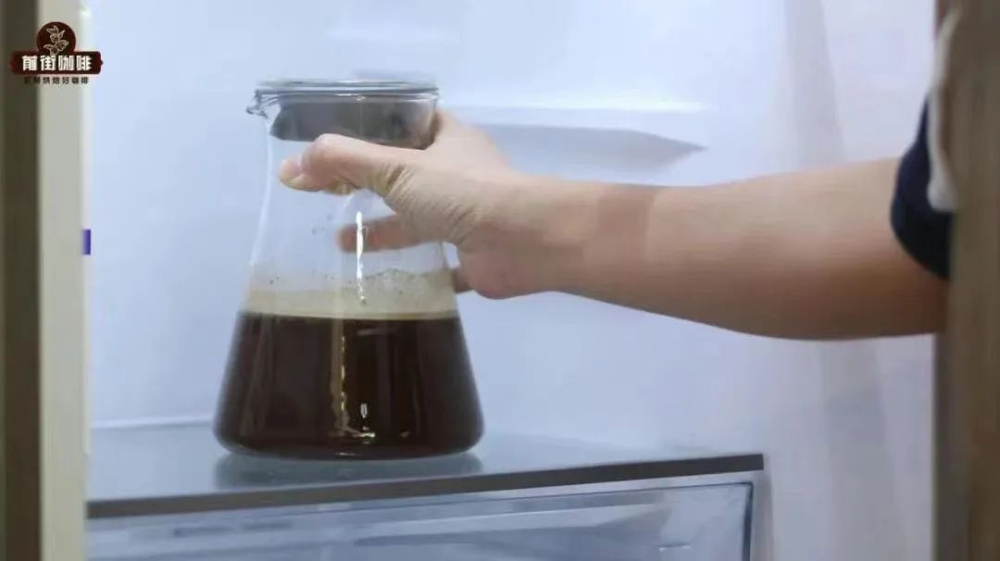
At this point someone will definitely ask: "Isn't that just hot water? Think about why cold brew is called cold brew?" That's right. The core of cold brew coffee is that it is obtained through low-temperature extraction. Low-temperature extraction allows coffee to present richer floral and fruity aromas than high-temperature extraction. The reason is—the extraction rate is low. To put it plainly, the release speed of various substances in the coffee particles is slowed down overall. Acidity, sweetness, and bitterness are the three main flavor substances released by coffee beans during extraction. Although they begin to emerge simultaneously at the start of extraction, because their dissolution speeds differ, the points at which they are released in large amounts are also different. The first to emerge in large amounts are acidic substances, followed by sweet substances. Only after these two types of substances are almost fully extracted do bitter substances begin to be released in large amounts.
In other words, the reason the cold brew we usually make is not bitter and has more floral and fruity aroma is that the extraction process has not yet reached the stage where bitter substances are released in large amounts. With the proportion of bitterness suppressed, sour and sweet substances naturally have better room to show themselves.

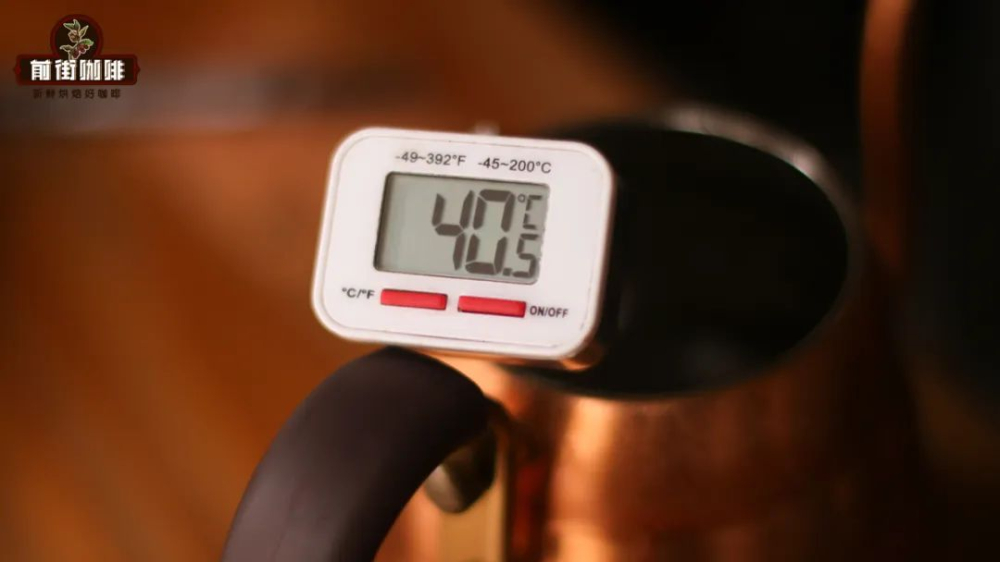
Therefore, we must never use hot water instead of room-temperature water to make cold brew. Because within just a few minutes, all 30% of the soluble substances in the coffee will be extracted. So if we want to increase extraction speed, we can only slightly warm the room-temperature water we usually use. This can shorten the extraction time without bringing out bitterness. So what water temperature should be used to quickly make cold brew? In an article half a year ago, Front Street found through experiments that 40°C warm water can better make cold brew coffee quickly.
But after the article was published, a friend raised a new question: If you first use 92°C hot water for blooming, then add room-temperature water to quickly bring the temperature down and continue extraction, can you avoid over-extraction and still get a better result? This idea is quite interesting. So this time we will add a comparative experiment: when making "quick cold brew coffee," should we use warm water directly for immersion extraction throughout, or first use 92°C hot water for blooming and stirring, then add room-temperature water for immersion extraction? Experiment comparison Last night, Front Street had already prepared a conventional cold brew coffee in advance for comparison. So the beans used for the cold brew coffee to be made today will be consistent with it: Colombia · Hanami. This bean has full fruit acidity, rich floral aroma, and a rare pink pepper flavor, with distinct layers, making it the most suitable bean for today's experiment (it really is delicious).
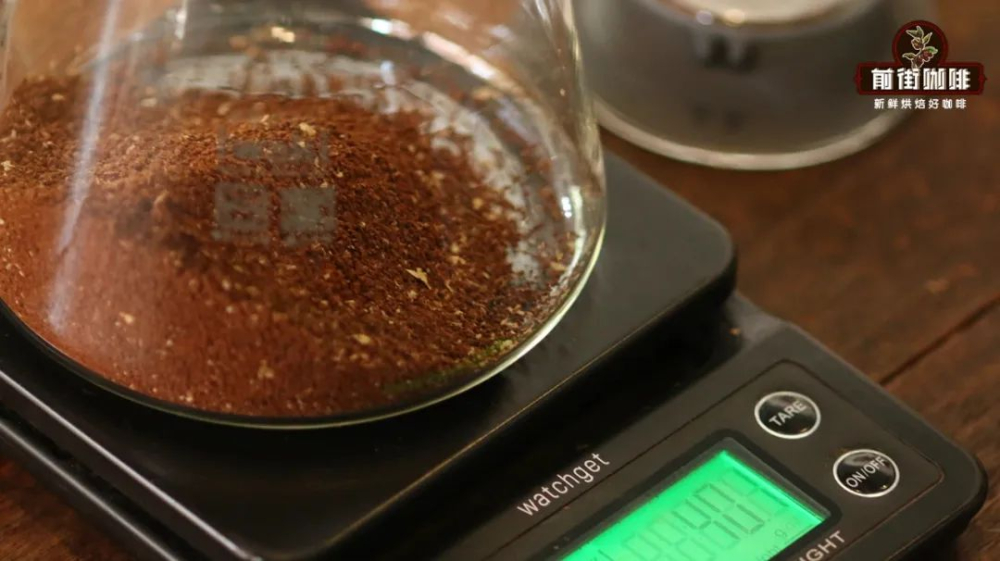
Production parameters for conventional cold brew coffee: 20g coffee grounds, water temperature 23°C, grind size Ek43 setting 10, coffee-to-water ratio 1:12, refrigeration time 10 hours. Production parameters for warm water cold brew coffee: 20g coffee grounds, water temperature 40°C, grind size Ek43 setting 10, coffee-to-water ratio 1:12, refrigeration time 4 hours. Production parameters for hot water blooming cold brew coffee: 20g coffee grounds, water temperatures 92°C and 23°C, grind size Ek43 setting 10, coffee-to-water ratio 1:12, refrigeration time 4 hours. Let's start making it directly. For the all-warm-water group, pour 20g coffee grounds and 240ml of 40°C warm water directly into the pot and stir evenly.
For the hot water blooming group, first pour 20g coffee grounds and 40ml of 92°C hot water into the pot and stir briefly. After mixing evenly, add 200ml of 23°C room-temperature water and stir again.
After that, seal them separately and place them in the refrigerator to chill for 4 hours.
The refrigeration time is up. We take them out, filter them separately, and then taste them one by one to see what differences there are among these three cups.
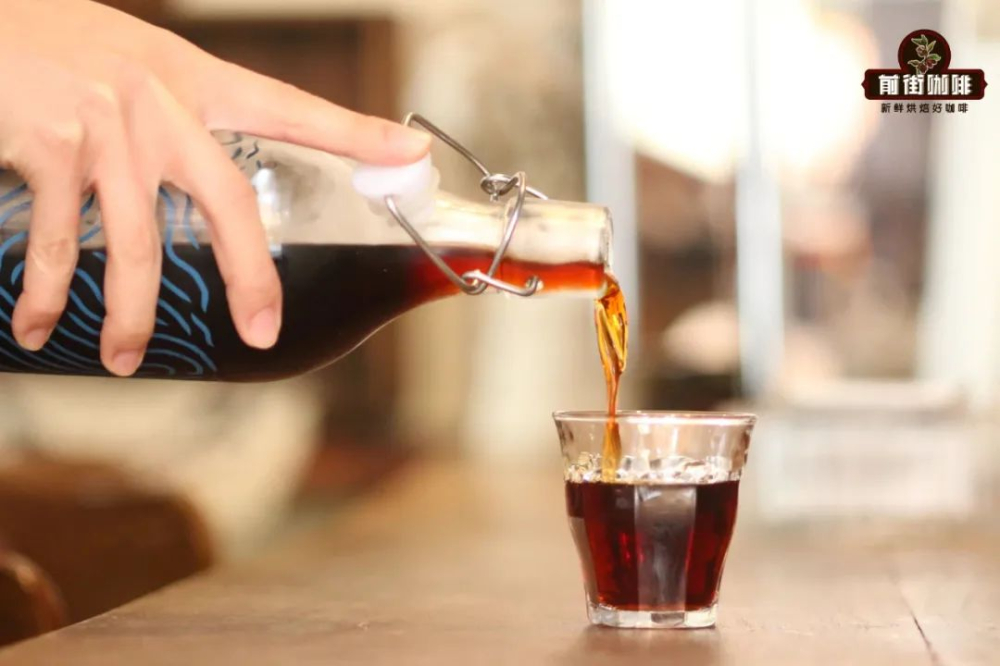
Conventional cold brew coffee: full, round berry flavor, a very distinct pink pepper taste, and an obvious fermentation note. Overall it drinks like a glass of strawberry juice with spices, quite good. Cold brew coffee made with 40°C warm water: it also has excellent berry flavor and prominent sweetness, but its roundness is slightly weaker than conventional cold brew. The pink pepper taste is also clearly expressed, but because the standing time was short, although a fermentation aroma can be felt, it is relatively weak. Cold brew coffee made with 92°C hot water blooming plus room-temperature water: compared with the previous two cups, its taste is more like a cup of iced pour-over, with a more balanced acidity, sweetness, and bitterness. In terms of fermentation notes, it is the weakest of the three cups.
(Due to different degrees of immersion extraction, the three cups of coffee show colors of varying depth.)
So it can be seen that the "quick cold brew coffee" made by immersion with 40°C warm water is closest to the performance of conventional cold brew. Although the overall experience is not as rich as conventional cold brew, it can make a cup of cold brew coffee with fermentation notes and relatively good flavor presentation in a short time. For friends who "can't wait to drink it," it is already enough to satisfy the craving.
- END - Front Street Coffee
No. 10 Baoqian Street, Yandun Road, Dongshankou, Yuexiu District, Guangzhou, Guangdong Province
The above content is compiled by CoffeeHunters, a coffee news website.


