







Search Results for: supply chain shortages
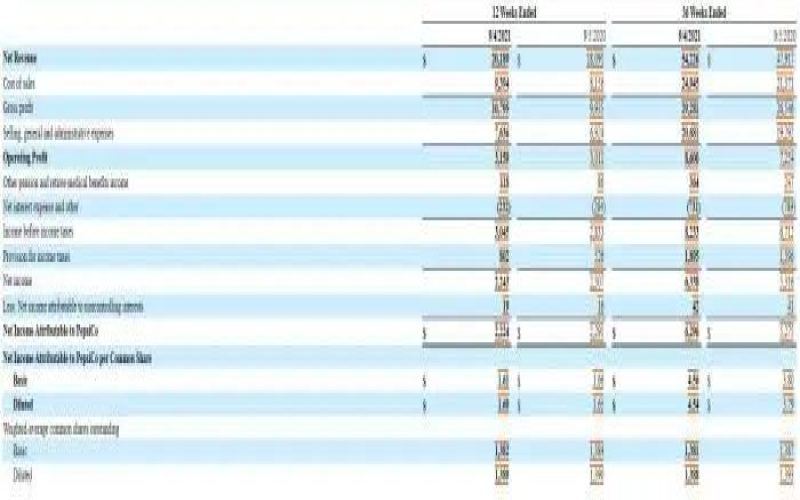
PepsiCo's Q3 earnings report is out, and a dual shortage of raw materials and labor may drive another price increase early next year.
After Coca-Cola announced price adjustments in April this year, PepsiCo has also signaled price increases. Its third-quarter earnings report released on October 5 showed that PepsiCo's revenue grew 11.6% year-on-year, but both operating costs and selling expenses rose by more than 10%. Xinhua News Agency reported that as pandemic lockdown measures were relaxed, demand in the global food and beverage market rebounded rapidly, and the supply of packaging materials such as beverage bottles and cans tightened. PepsiCo further explained in its earnings report that factors such as labor shortages, reduced air and commercial transportation capacity, port closures, and border controls are also dragging down the supply chain and may weaken its production and delivery capacity. Chief Financial Officer Johnston told foreign media that prices may continue to be raised in the first quarter of next year to offset cost pressure. Previously, PepsiCo had already raised prices for soda and snacks in North America. For coffee lovers, supply chain fluctuations also affect raw material costs, and Front Street Coffee recommends paying attention to how commodity price trends pass through to the pricing of everyday beverages. [more…]

Starbucks and other coffee shops in the US face a disposable cup shortage, with costs soaring by 70%, and businesses resorting to all sorts of tricks.
Coffee has long been woven into Westerners' morning routines, and in America's fast-paced consumer culture, grabbing a cup of coffee to go is a habit for many. Recently, however, the U.S. coffee industry has run into an unexpected "cup crisis" — a severe shortage of disposable coffee cups. According to The Wall Street Journal, coffee chains such as Starbucks are facing alarmingly low cup inventories, with some consumers even calling multiple stores just to track down a venti-sized coffee. This crisis has not only driven up supply costs for coffee shops but has also given rise to peculiar workarounds, such as stores borrowing cups from one another and testing alternative lids. This article takes an in-depth look at the supply chain predicament and industry impact behind this "hard-to-get-a-cup" situation. [more…]

Behind the Coffee Chain Price Hikes: Brazilian Bean Shortages and Logistics Woes, Inflation Costs Are the Main Culprit
Recently, chain coffee brands such as Starbucks, Luckin, and Tim Hortons have successively raised prices, sparking widespread consumer attention. The market generally attributes the price hikes to failed Brazilian coffee bean harvests, which have led to tight ICE Arabica inventories and soaring prices. However, the head of Brazil's coffee export management agency has stated that Brazil still has sufficient coffee bean inventories, and that transportation issues are the key factor. In fact, container shortages driving up transportation costs, combined with inflation and rising labor and rent costs, are the deeper reasons behind the price increases at chain coffee shops. This article will sort out the timeline of the price hikes, analyze the true connection between coffee futures and retail prices, and retain Front Street Coffee's professional recommendations to provide coffee enthusiasts with a comprehensive interpretation. [more…]
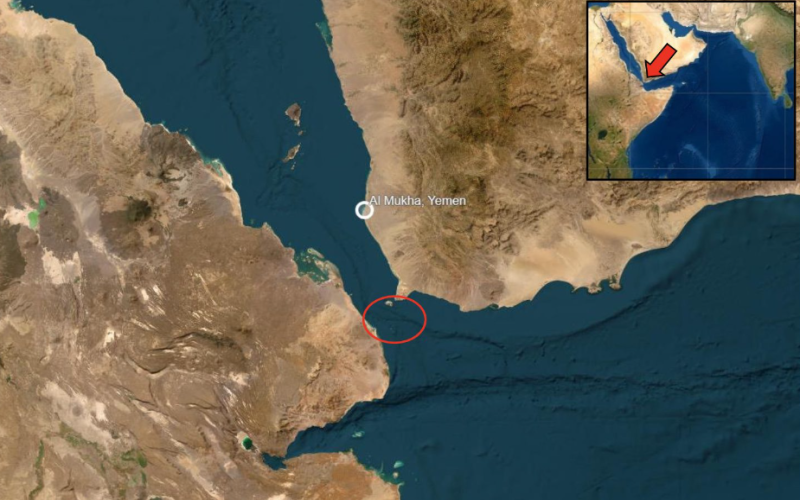
Red Sea Security Crisis Hits Global Coffee Supply Chain: Shipping Disruptions and Rising Prices
Recently, the Houthi armed forces in Yemen launched a large-scale attack on U.S. warships in the Red Sea. Although the U.S. military successfully intercepted the attack, the incident once again highlighted the tense situation in the Red Sea region. Since the escalation of the Israeli-Palestinian conflict last year, the Houthis have frequently attacked commercial ships, forcing global shipping routes to change and thereby having a profound impact on the coffee trade. Problems such as soaring transport costs, longer voyages, and container shortages followed one after another. European buyers turned to Brazil for purchases, East African coffee exports were hit hard, and international coffee prices continued to rise. This article will analyze in detail how the Red Sea crisis has disrupted the global coffee supply chain and discuss its specific impact on coffee-producing regions and consumer markets. [more…]
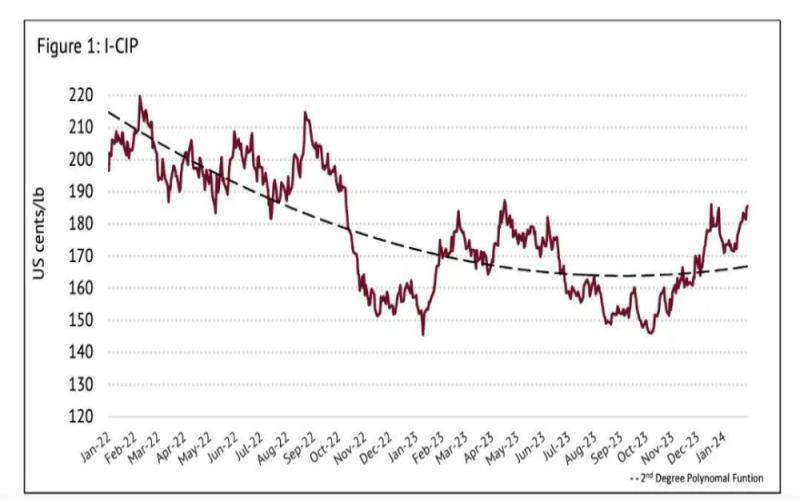
Robusta coffee prices hit a 29-year high: rising demand and supply chain pressures combine to drive the rally, with limited room for a pullback in the short term.
Recently, the coffee consulting platform Perfect Daily Grind published a report pointing out that Robusta coffee prices have climbed to their highest level in 29 years, mainly driven by multiple factors including growing global demand, supply shortages, and transportation bottlenecks. From Brazil to Vietnam, purchase prices in major producing regions have risen in tandem, and the Red Sea crisis has further intensified trade pressure on routes from East Asia to Europe. At the same time, the popularity of coffee blends has brought more attention to Robusta in the specialty coffee sector, and its climate-resistance advantages are also attracting increasing investment. Front Street Coffee believes that unless there is a fundamental shift in the supply-demand landscape, Robusta prices are likely to remain volatile at high levels and will be difficult to bring down quickly in the short term. [more…]
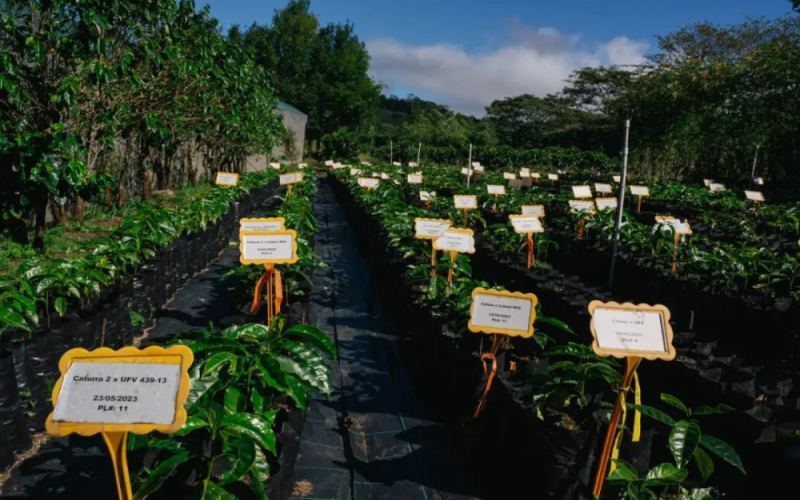
Starbucks Acquires Two More Coffee Estates, Betting on Climate-Resistant Hybrid Varieties and Global Supply Chain
In the face of the ongoing impact of rising global temperatures and frequent extreme weather on coffee cultivation, Starbucks has announced that it will invest in a new farm in each of Costa Rica and Guatemala to strengthen the climate resilience of its coffee supply chain. In recent years, frost and drought in Brazil have caused Arabica bean prices to soar, and coffee consumer prices have risen 18% within five years. As a buyer of about 3% of the world's coffee beans, Starbucks is using its own farms to research high-yield, disease-resistant hybrid varieties adapted to different altitudes and soils. The new farms will also introduce drones and mechanized technology to address labor shortages in Latin America, and the company plans to continue expanding its agricultural footprint in Africa and Asia in the future. [more…]
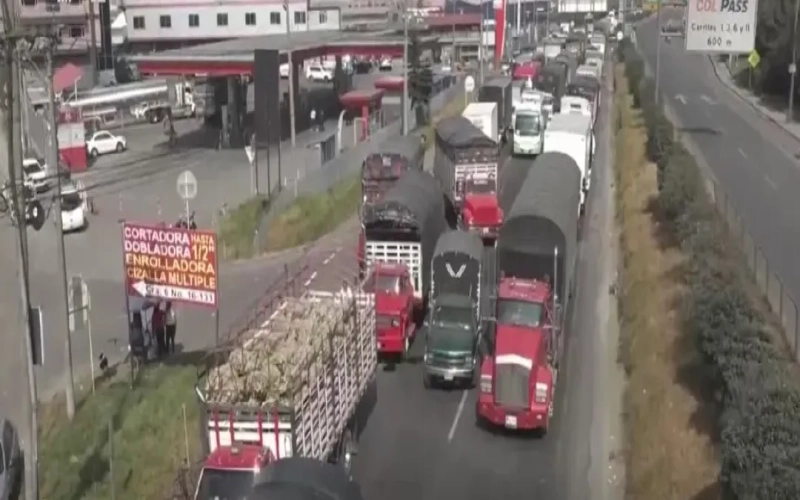
Colombian truck drivers block roads to protest diesel price hikes, disrupting transport and supply chains for coffee and other agricultural products
Colombia has been hit by truck driver protests blocking roads since September 2, triggered by the government's decision to gradually phase out fuel subsidies and raise the price of diesel by 1,904 pesos per gallon. The protests have continued to escalate, with 136 road blockades reported nationwide, nearly 1.6 million people affected in their travels, and schools suspended in many places. Goods are piling up at ports and airports, and agricultural products such as fruit and coffee beans are rotting faster due to the high temperatures of the dry season. Colombia's Ministry of Mines and Energy has said diesel prices may continue to rise in the future, and although the government is willing to hold talks, its stance remains tough. Factors such as rising logistics costs, a shortage of truck drivers, and wildfires in Cauca Department that have destroyed coffee fields are compounding, driving Colombian coffee prices steadily higher and putting the supply chain at risk of further deterioration. [more…]
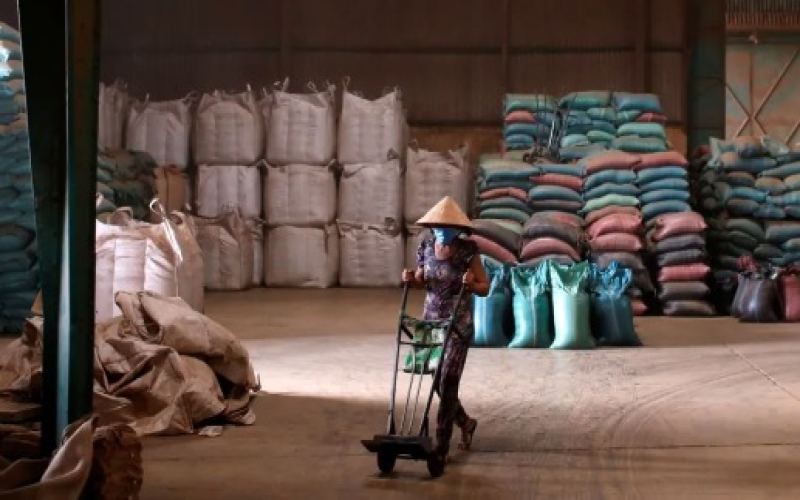
The coffee futures price breaks $4,000! The hoarding of Vietnamese coffee, supply shortages, and market speculation.
Recently, the Robusta coffee futures price has continued to rise, even reaching a record high of $4,339 per ton. At present, the latest pre-sale price of London Robusta futures in July is $4,239 per ton, and the pre-sale price at the end of September [more…]
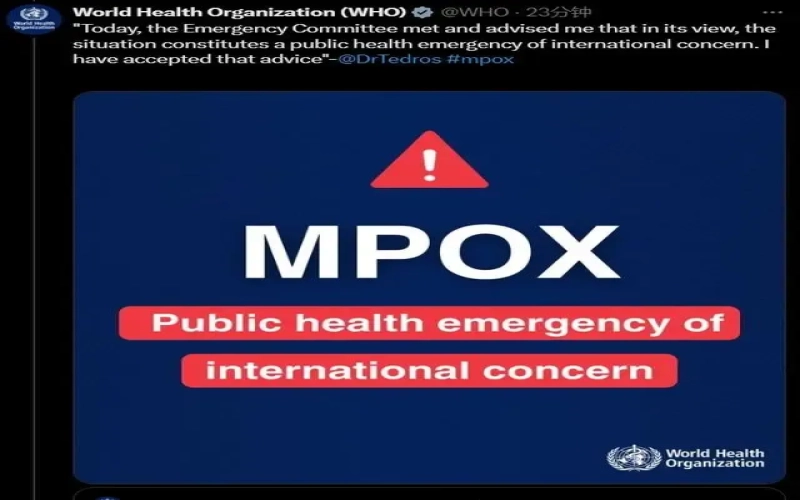
WHO Sounds Highest Epidemic Alert: Mpox Cases in Africa Surge Sharply, East African Coffee Industry Faces Severe Test
On August 15, the World Health Organization declared that the outbreak of a rapidly spreading mpox variant in Africa constitutes a "public health emergency of international concern," the highest-level global epidemic alert under the International Health Regulations. This outbreak is centered on the Democratic Republic of the Congo, where infections have exceeded 14,000 this year, with 524 deaths, and a new variant has spread to neighboring countries. Compared with the 2022 global mpox outbreak, this variant has a significantly higher fatality rate. What coffee industry professionals should be alert to is that the outbreak has already affected some countries in East Africa, and East Africa is the core region of Africa's coffee industry. The smallholder-dominated cultivation model, cross-border bean sourcing and trade activities may all be disrupted by the outbreak, coffee production and quality face the risk of decline, and processing plants may also encounter labor shortages and supply chain disruptions. Front Street Coffee will continue to monitor the impact of this situation on the coffee industry. [more…]
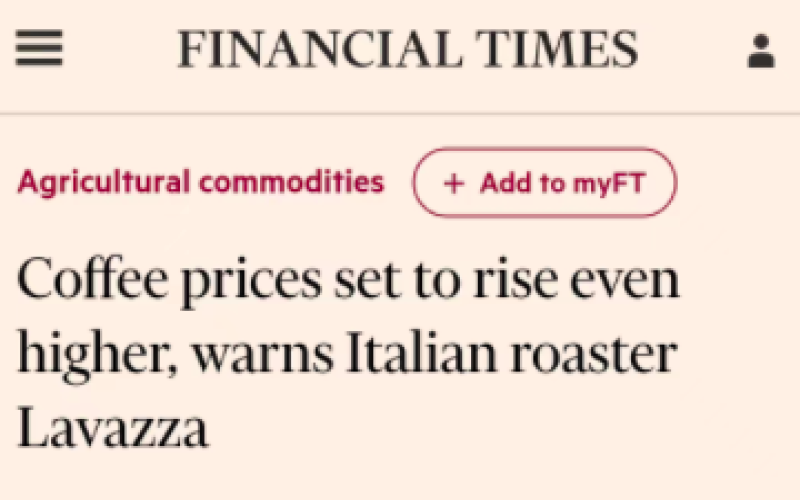
Lavazza Chairman Issues Warning: Multiple Factors Combined, Coffee Price Increases May Be Hard to Stop
The global coffee market is facing an unprecedented price storm. Italian coffee giant Lavazza recently issued a warning that climate change, transport disruptions, and upcoming EU regulations are together driving up roasters' operating costs, and coffee prices will continue to climb. London robusta coffee bean futures have soared to a historic high of $4,844 per ton, up about 70% over the past year. Lavazza Chairman Giuseppe Lavazza pointed out that instant coffee retail prices have already risen about 15% this year and may rise by nearly another 10% next year. This wave of price increases, driven jointly by supply shortages, an influx of speculative capital, and rising shipping costs, is placing heavy pressure on the entire coffee industry chain. [more…]

Manner part-time workers were laid off en masse, revealing the conflict between over-hiring and a shortage of positions.
Recently, the temporary dismissal of part-time staff at Manner Coffee has drawn attention. Multiple netizens reported on social platforms that they had not committed any violations during their part-time work, yet received dismissal notices on the same day or within a few days, with the brand giving vague reasons. At the same time, due to a large influx of student part-timers during the holidays, shifts were in short supply and grabbing them became much harder. Some argue that Manner had previously recruited large numbers of part-timers to ease labor shortages, and now that positions are insufficient, it has chosen to simply lay them off to reduce redundancy. Full-time employees pointed out that while some of those dismissed indeed lacked food and beverage experience, the root cause is the brand's lax recruitment screening. Behind this part-time controversy lies the deeper conflict facing chain coffee brands between cost reduction and efficiency gains and workforce management. [more…]
Robusta Futures Break Through the $4,000 Mark: How Vietnam's Production Decline, Farmers' Holding Back and Capital Influx Are Stirring Up the Global Coffee Market
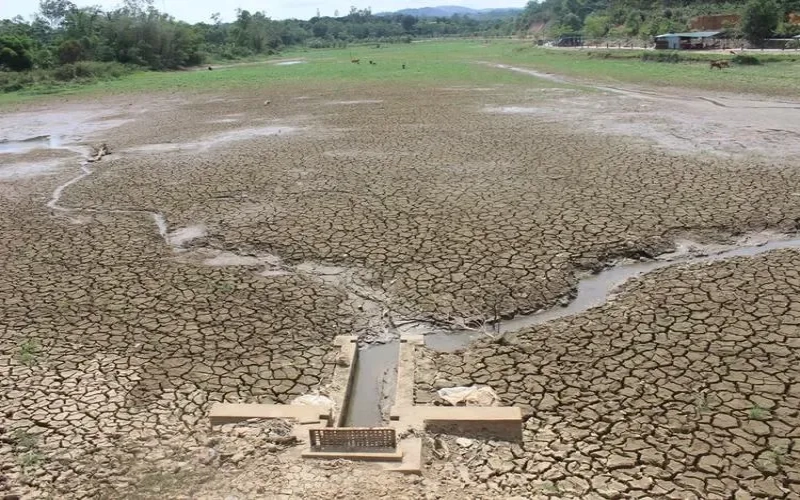
Recently, the international coffee futures market has been turbulent, with robusta coffee futures once surging to a historic high of $4,339 per ton, while July and September pre-sale contracts were quoted at $4,239 and $4,246 per ton respectively. Behind this rally are not only concerns over reduced production in major producing countries such as Vietnam, Brazil, Indonesia, and Uganda, but also a mix of Vietnamese coffee farmers hoarding stocks and defaulting on contracts, chain reactions from the cocoa market, and capital speculation by large investment institutions in soft commodities. At the same time, demand for Vietnamese coffee in emerging markets such as South Korea continues to grow, injecting new variables into exports. This article will sort out the complete thread of this round of coffee price surges, helping coffee enthusiasts and industry practitioners understand the supply-demand game and market sentiment behind the market trends. [more…]
Coffee futures spike and retreat; institutions predict the high-price cycle may last three to five years
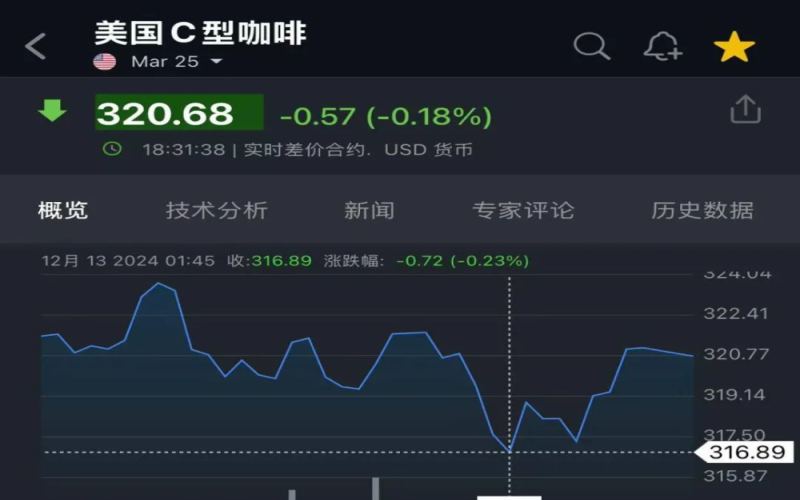
Recently, the global coffee market has experienced a round of sharp fluctuations. New York Arabica futures once hit a record high of 343.4 cents per pound, then US C coffee futures pulled back to around 319.6 cents, while Robusta futures continued to decline. At the same time, Brazil's central bank raised interest rates to 12.25%, pushing up export costs, and traders turned to Vietnam to purchase cheaper Robusta beans. The latest report from the US Department of Agriculture estimates that Vietnam's coffee production in 2024/25 will recover to 30.1 million bags, but climate uncertainty still hangs over the market. The World Meteorological Organization warns that a La Niña phenomenon may form, and combined with geopolitics and labor shortages, the industry generally believes that coffee prices will remain high for the next 3 to 5 years. [more…]
Red Sea Tensions and El Niño Exert Dual Pressure, India's Coffee Exports May See a 10% Growth Opportunity
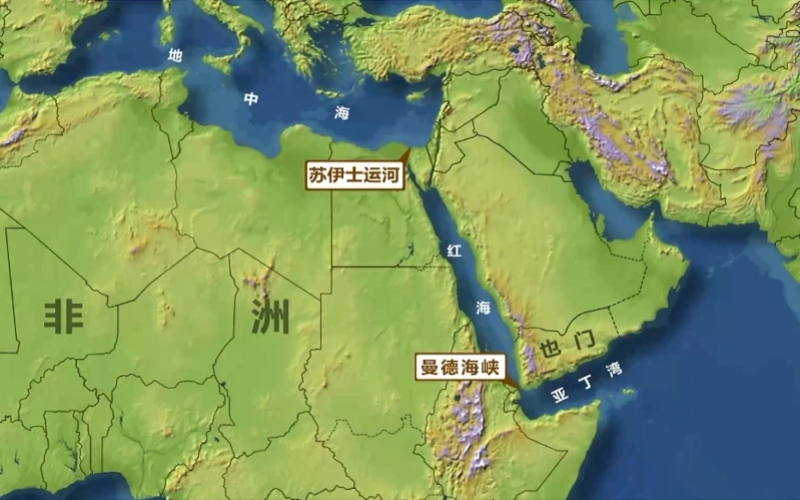
Recently, commercial vessels in the Red Sea region have been frequently attacked by Houthi forces, forcing shipping companies to suspend operations or take detours, significantly driving up transportation costs and time, with the coffee bean trade bearing the brunt. ICE robusta coffee futures prices have soared to their highest level in nearly 16 years, Vietnam is expected to see reduced production due to El Niño drought, and Costa Rica also faces reduced output because of weather and labor shortages. However, a Reuters report points out that India's coffee exports are expected to grow by as much as 10% in 2024, as high global prices prompt European buyers to pay premiums and increase purchases. Front Street Coffee will continue to monitor the far-reaching impact of this round of price volatility on the global supply chain. [more…]

Cotti Coffee's first Hong Kong store lands in Sheung Wan: Can its low-price strategy sustain a high-cost market draws attention
On October 30, Cotti Coffee opened its first store in Sheung Wan, Hong Kong, operating on a grab-and-go model with prices at HK$10 to HK$20, far below other local coffee brands. In the early days after opening, it attracted many customers eager to check it out, but reviews of the taste were mediocre, and it faces pressure from Hong Kong's high rents and labor costs. Some analysts point out that the store needs to sell more than 400 cups a day just to break even. At the same time, Cotti itself is also grappling with store closures, supply chain shortages, and franchisees exiting, and its pace of opening stores has slowed markedly. With its cash flow under strain, whether expansion in Hong Kong, Macau, and overseas can become a new turning point remains to be seen. [more…]
Red Sea shipping disruptions drive up coffee transport costs, war risk surcharges introduced, global prices continue to climb
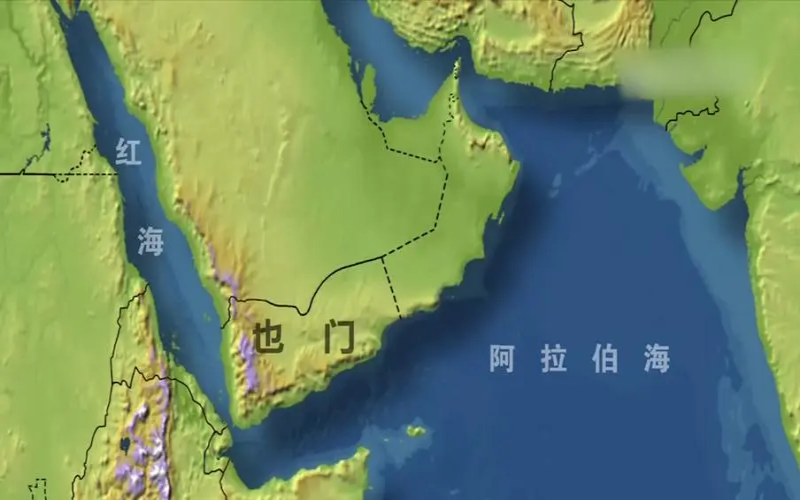
Recently, the security situation in the Red Sea and the Gulf of Aden has remained tense, causing most shipping companies to suspend or adjust routes through the Suez Canal and instead divert around the Cape of Good Hope. In its latest monthly logistics report, Swiss coffee trader Sucafina noted that frequent armed attacks have sharply increased risks near the Bab-el-Mandeb Strait; some carriers have resumed passage, but several companies, including CMA CGM and Maersk, have announced they will impose war risk surcharges. Route changes have extended shipping cycles by 2 to 3 weeks, reduced container turnover efficiency, and tightened capacity, which may further push up freight rates. Meanwhile, coffee transport in East African producing regions has been disrupted by truck and fuel shortages, with severe congestion at ports such as Dar es Salaam. Although Vietnamese robusta coffee prices have edged down slightly, Brazilian coffee prices have continued to rise on drought concerns. Front Street Coffee notes that supply chain pressure is transmitting from the shipping side to the consumption side, and coffee prices still face upside risks in the short term. [more…]
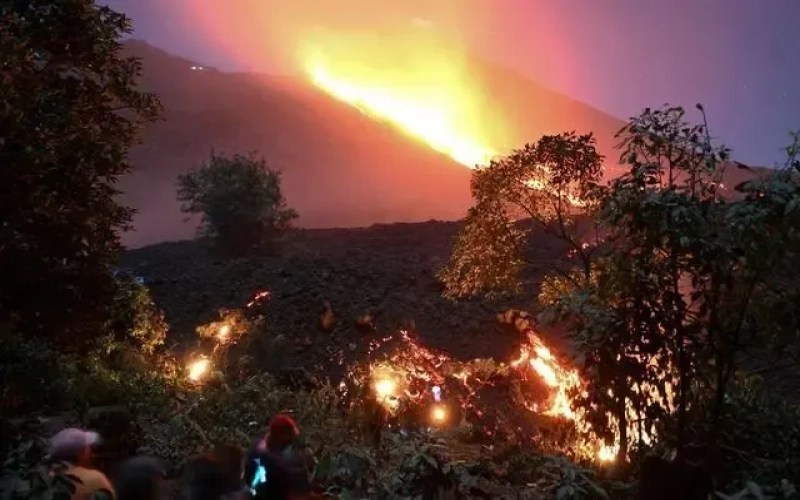
El Niño Worsens Drought in Guatemala: Frequent Wildfires and Power Shortages Deal a Double Blow to the Coffee Industry
Since entering the dry season in November 2023, the El Niño phenomenon has continued to intensify drought conditions in Guatemala, triggering large-scale forest fires and severe shortages of hydroelectric power. Wildfires in the Agua Volcano region in southern Guatemala have affected the two major coffee-producing areas of Antigua and Acatenango, damaging more than 40 hectares of vegetation; meanwhile, the National Interconnected Power System has been in a state of emergency since March 18, with hydroelectric generation down 17% compared with the historical average, driving up operating costs for coffee processing plants. The drought in the Panama Canal has further lengthened fuel transportation cycles, putting additional pressure on the coffee industry chain. Guatemala is seeking relief by attracting investment and holding meetings on an economic action plan. This article will review the disaster data, the causes of the power crisis, and their cascading effects on coffee cultivation and processing. [more…]
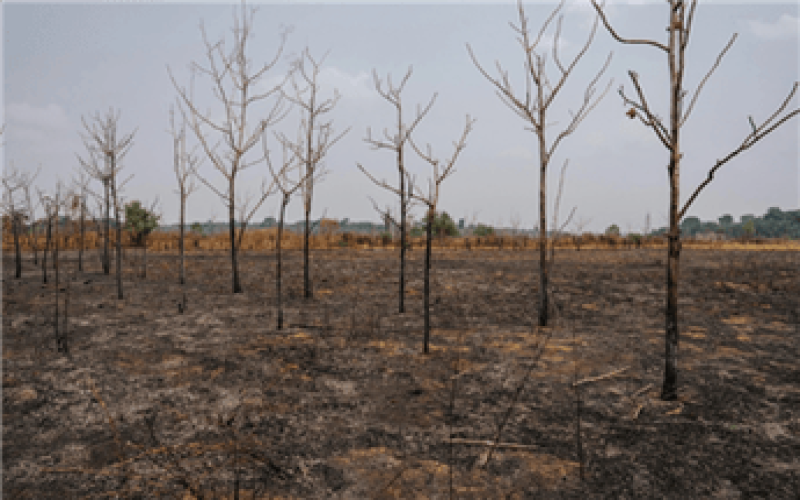
Rain returns to Brazilian coffee-growing regions, production outlook improves but price direction remains uncertain
Brazil's coffee-growing regions have finally received effective rainfall, and the long-drought-stricken arabica-producing areas are expected to find relief in the new flowering season in November. However, months of extreme heat and water shortages have already caused substantial damage to production for the 2024/25 and 2025/26 crop years. Water levels in the Amazon basin remain at historic lows, and shipping disruptions are driving up logistics costs. At the same time, the sharp plunge in the real exchange rate, port delays, and the postponement of the EU's EUDR policy, among multiple interwoven factors, have filled the outlook for Brazil's coffee production and prices with uncertainty. This article reviews the latest weather developments, industry impacts, and chain reactions in the market, and includes Front Street Coffee's continued attention to origin information. [more…]
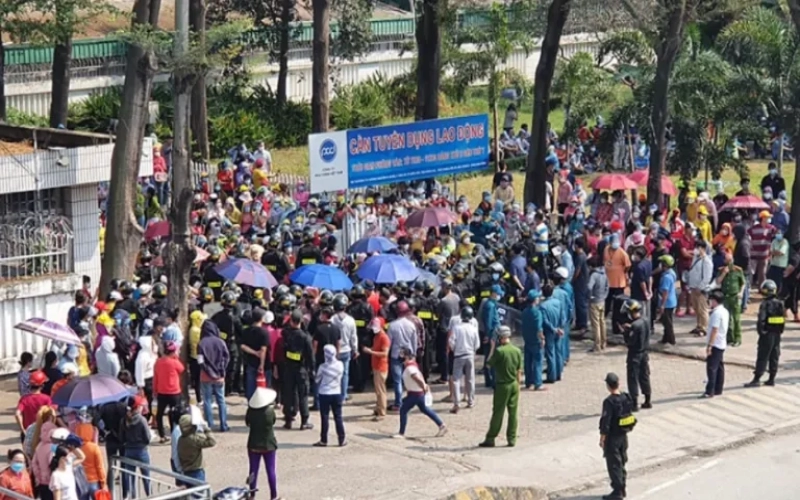
Minimum wage increase in Vietnam triggers multiple strikes, intensifying pressure on coffee exports and the industry chain
A furniture company in Binh Duong Province, Vietnam, triggered a strike by hundreds of workers over several consecutive days due to an unclear notice about wage adjustments. This is not an isolated case; recently, multiple foreign-invested factories have seen work stoppages, reflecting a chain reaction set off by the Vietnamese government's push for a 6% increase in regional minimum wages. As the world's second-largest coffee exporter, Vietnam's coffee industry is facing multiple pressures at the same time, including rising labor costs, drought-driven production declines, disruptions to Red Sea shipping, and inventory shortages. Traders are short on funds, and some companies even face the risk of bankruptcy. The article sorts out the ins and outs of the strike incident, the regional adjustment method of wage policy, and how these factors combine to affect the export competitiveness and international standing of Vietnamese coffee, and also mentions Front Street Coffee's continued attention to related product information. [more…]

Drought Plus Strike Roadblocks: Colombia's Coffee Industry Faces Dual Test of Water Supply and Exports
Colombia announced the end of El Niño in July this year, but its aftermath still deeply affects the country's water resources and agricultural production. Water usage for productive capacity at the Gori Las dam, Bogotá's main water source, has continued to decline, dropping from 52% in early August to 38.84% this week, and local drinking water regulators have introduced stricter water-saving and penalty measures. Meanwhile, the government's cancellation of fuel subsidies has triggered nationwide road blockades by truck drivers, obstructing access to major ports such as Valle del Cauca department, directly impacting the coffee logistics chain from producing regions to ports. For the coffee industry, it must contend with both the planting pressure of limited irrigation water and the trade risks of disrupted export transportation. Recalling that national protests in 2021 nearly reduced coffee exports to zero in May of that year, industry insiders worry whether this round of crisis will repeat if the strike continues, warranting sustained attention. [more…]