







How Are Robusta Coffee Beans Affected by Red Sea Disruption?
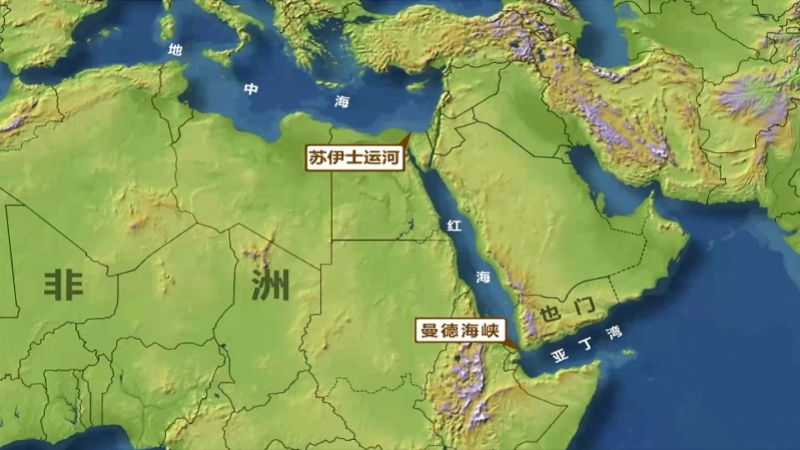
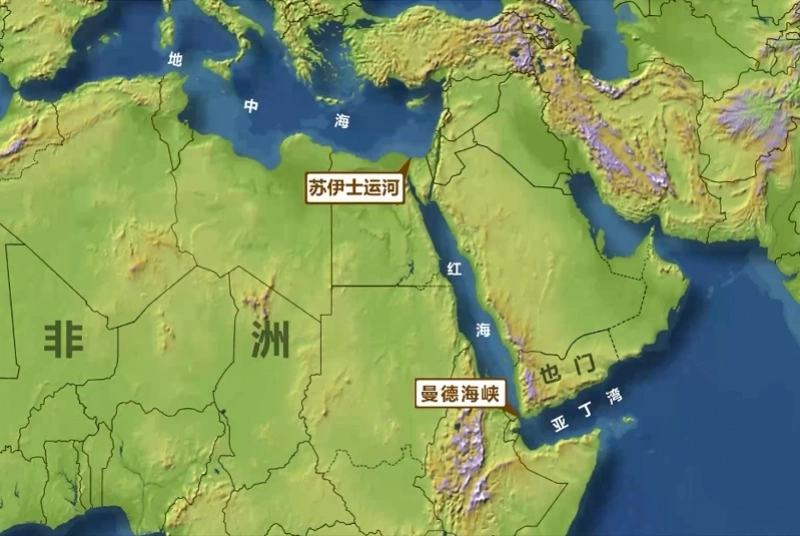
Attacks on commercial vessels in the Red Sea have forced shipping companies to suspend routes or take detours, raising freight costs and transit times for the coffee trade. ICE robusta coffee beans futures climbed to about $2,950 per metric ton, the highest level since trading began in January 2008, while Vietnam expects a 10 percent drop in its 2023/24 crop because of El Niño drought.
Costa Rica's coffee institute ICAFE expects its 2023/24 harvest to fall about 13 percent on irregular rainfall and labor shortages, and arabica coffee prices slipped 1.6 percent to $1.8115 even as supply concerns build. Reuters reports India's coffee exports could grow as much as 10 percent in 2024 as high prices lead European buyers to pay premiums.
Recently, commercial vessels in the Red Sea region have been frequently attacked by Houthi forces, forcing shipping companies to suspend operations or take detours, significantly driving up transportation costs and time, with the coffee bean trade bearing the brunt. ICE robusta coffee futures prices have soared to their highest level in nearly 16 years. Vietnam is expected to reduce production due to El Niño-induced drought, and Costa Rica also faces reduced output because of weather and labor shortages. However, Reuters reported that India's coffee exports are expected to grow by as much as 10% in 2024, as high global prices prompt European buyers to pay premiums and increase purchases. Front Street Coffee will continue to monitor the far-reaching impact of this round of price fluctuations on the global supply chain.
Recently, commercial vessels in the Red Sea region have continued to suffer attacks from Houthi forces, compelling shipping merchant vessels to either suspend voyages or take detours. This practice has greatly increased both maritime costs and transportation time, with coffee beans being particularly affected. According to reports, robusta coffee futures prices on the ICE market have climbed to their highest level in nearly 16 years. The closing price of robusta coffee reached $2,950 per metric ton (i.e., $18), the highest level since the futures began trading in January 2008. In addition, Vietnam's Ministry of Agriculture previously predicted that due to the El Niño phenomenon, drought will occur in early 2024, so Vietnam's coffee production in the 2023/24 crop year may decline by 10%.
Although arabica coffee prices recently fell by 1.6% to $1.8115, news of reduced production from some arabica-producing countries has raised industry concerns about future price increases. Recently, Costa Rica's Coffee Institute ICAFE stated that due to weather effects, irregular rainfall will occur locally, and combined with labor shortages, Costa Rica's 2023/24 coffee harvest is expected to decrease by about 13% compared with the previous season.
However, Reuters recently reported that India's coffee exports may achieve growth of as much as 10% in 2024, because high global prices have prompted European buyers to pay premiums, thereby increasing their purchases of Indian coffee. India is a South Asian country famous for tea production, and it is also the world's eighth-largest coffee-growing country, mainly producing robusta, but also producing some relatively higher-priced arabica varieties.
According to the chairman of the Indian Coffee Exporters Association, because production-side problems have kept global prices persistently high, market demand for Indian coffee, especially robusta coffee beans, has been strong, and he predicts that India's coffee exports will grow by 10% this year.
Three-quarters of India's coffee production is mainly sold to Italy, Germany, and Belgium. Some Indian coffee exporters say that Indian coffee, which uses shade growing, hand picking, and sun-drying processing, usually sells at a price higher than the global benchmark. Due to production shortfalls in other producing regions, this year's coffee premium is higher than normal. Although export demand is strong, traders are waiting for supply to increase, which may pull down local prices. India's state-run Coffee Board estimates that India's 2023/24 season production may increase to 374,200 tons, higher than last year's 352,000 tons. This increase is mainly attributed to heavy, unseasonal rainfall over the past 12 months, a factor that had previously limited production growth.
The above content is compiled by CoffeeHunters, a coffee news website.


