







What Is Coffee Robusta and Why Are Its Prices at a 29-Year High?
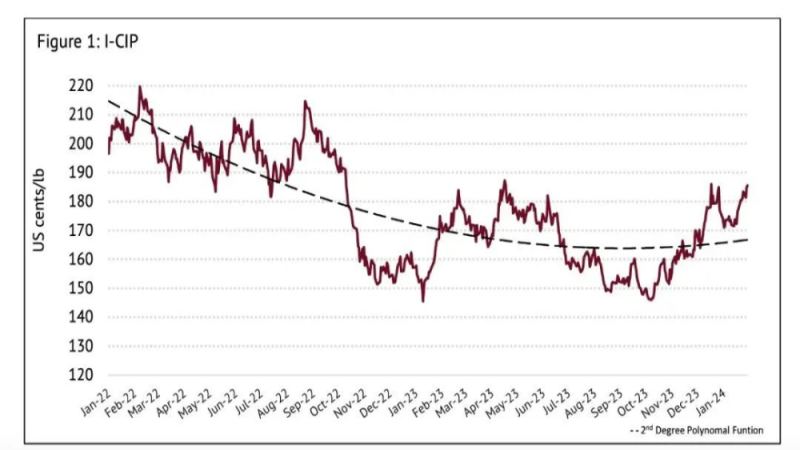
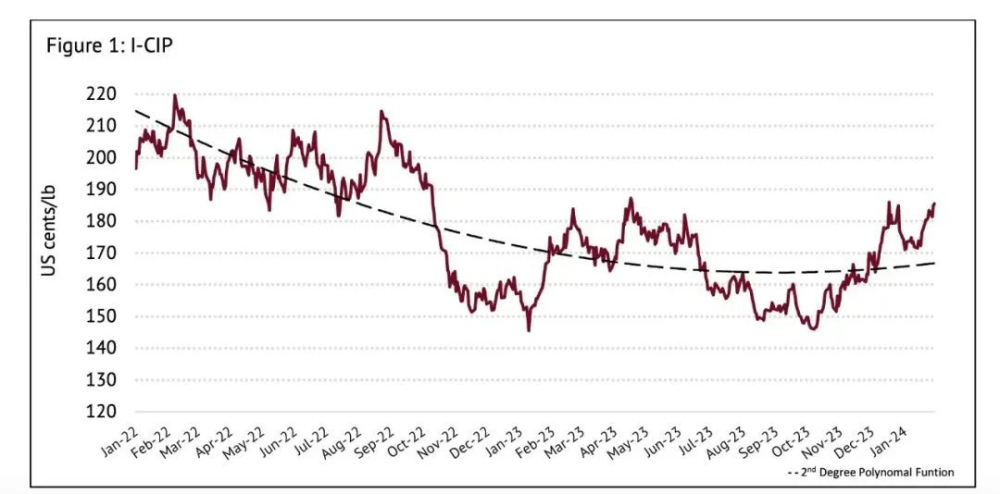
Robusta coffee prices have reached their highest level in 29 years, driven by rising global demand, tight supply and transport bottlenecks. Purchase prices in Brazil and Vietnam, the main producing and exporting countries, have climbed in tandem, and the Red Sea crisis has added pressure on routes from East Asia to Europe. A rapid decline in the short term looks unlikely.
Prices have risen steadily for years. By June 2023, the International Coffee Organization reported the average robusta price up 7.8% at 132.12 cents per pound, and gains continued into January 2024. Brazil averaged 802.67 reais per 60 kg bag, while Vietnam's Central Highlands green coffee traded at 77 million to 79 million dong per tonne. Coffee production by country remains concentrated in these two origins.
Recently, the coffee consulting platform Perfect Daily Grind released a report pointing out that robusta coffee prices have climbed to their highest level in 29 years, mainly driven by multiple factors including growing global demand, supply shortages, and transportation bottlenecks. From Brazil to Vietnam, purchase prices in major producing regions have risen in tandem, and the Red Sea crisis has further intensified trade pressure on routes from East Asia to Europe. At the same time, the popularity of blended coffee has brought robusta more attention in the specialty coffee sector, and its climate resilience is also attracting increasing investment. Front Street Coffee believes that before the supply-demand structure undergoes a fundamental shift, robusta prices are likely to remain high and volatile, making a rapid decline in the short term unlikely.
Recently, a report released by the coffee consulting platform Perfect Daily Grind showed that robusta coffee prices have continued to climb this year. As early as October 2021, affected by the shortage of shipping containers, robusta prices had already reached a ten-year high, and at that time the category had already been rising for six consecutive years.
By June 2023, data from the International Coffee Organization showed that the average price of robusta had risen 7.8%, reaching 132.12 cents per pound. By January 2024, prices were still rising week by week, and have now reached their highest level in 29 years.
Beyond international market conditions, local purchase prices in Brazil and Vietnam, the main robusta producing and exporting countries, have also risen. Brazil's Center for Advanced Studies in Applied Economics previously revealed that, driven by strong international market demand, the country's average price for robusta had reached 802.67 reais per 60 kg bag (about US$160). In Vietnam, green coffee in the Central Highlands is currently priced between 77 million and 79 million Vietnamese dong per tonne, after previously setting a record of 80 million to 81 million Vietnamese dong per tonne.
The report also stressed that robusta prices will not fall significantly in the short term. Coffee prices, whether for arabica or robusta, are essentially governed by supply and demand—global coffee supply is limited, and once demand increases, prices naturally rise. In recent years, the growing popularity of blended coffee has further pushed up demand for robusta. In addition to tight supply and surging demand, recent transportation difficulties related to East Asia have made the market situation even worse.
The ongoing Red Sea crisis is profoundly disrupting global trade routes, especially the corridors connecting East Asian origins such as Vietnam and Indonesia with Europe. Shipping times have been prolonged, while insurance risk premiums and container competition have pushed freight costs higher.
In addition, market shortages caused by drought and tight arabica supply triggered by climate factors have indirectly boosted demand for robusta. Against a backdrop of insufficient inventories, traders are competing to raise purchase prices for coffee beans in order to stock up as early as possible.
At the same time, more and more large coffee companies have begun increasing their robusta purchases to enrich their blended product lines. Under the dual pressure of rising costs and inflation, blended coffee has become increasingly favored in the market. In recent years' world coffee competitions, many competitors have tried using blended coffee, and robusta beans have frequently appeared. Japanese competitor Takayuki Ishitani placed fourth at the 2022 WBC, and his competition entry was precisely a blend of robusta and anaerobically fermented Geisha.
At present, many institutions, including World Coffee Research, are placing increasing importance on robusta. For a long time, robusta was regarded as a cheap variety inferior to arabica, but the threat that climate change poses to the future of the coffee industry has made investing in robusta production increasingly critical, since its climate resilience is superior to that of arabica. Some arabica-producing countries have already begun experimenting with robusta, and Nicaragua is one of them. As coffee farmers are expected to cultivate more refined robusta varieties, the category has considerable potential in the coming years; and the rise in input costs also means prices will not fluctuate dramatically. Front Street Coffee suggests that enthusiasts continue to pay attention to robusta's performance in both blends and single-origin offerings, as its role is being redefined.
The above content is compiled by CoffeeHunters, a coffee news website.


