







What is hitting the coffee industry in Colombia right now?
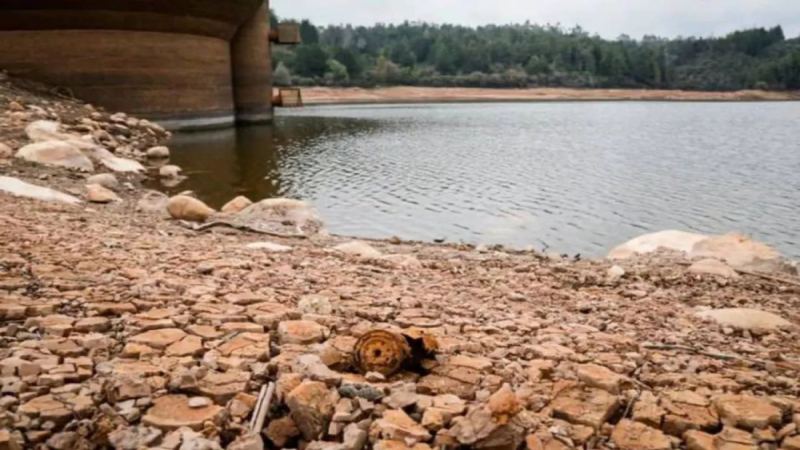
Colombia's coffee industry is dealing with two problems at once: shrinking water supplies and blocked export routes. The Chingaza dam, which supplies 70% of Bogotá's water, fell from 52% capacity in early August to 38.84%, prompting stricter conservation rules. Separately, the cancellation of fuel subsidies triggered nationwide truck blockades, disrupting the movement of coffee from producing regions to ports such as those in Valle del Cauca.
Timing makes this harder. August and September are Colombia's dry season, and Ideam reports that El Niño's residual effects are still reducing reservoir levels. Growers must manage limited irrigation water while absorbing transport risk. During the 2021 national protests, coffee exports nearly dropped to zero in May. Industry insiders now watch whether a prolonged strike repeats that outcome, which would affect coffee growth and export volumes.
Colombia announced the end of El Niño in July this year, but its aftermath continues to profoundly affect the country's water resources and agricultural production. The Chingaza dam, the main water source for the capital Bogotá, has seen its production water supply steadily decline, dropping from 52% in early August to 38.84% this week, and local drinking water regulators have introduced stricter water-saving and penalty measures. Meanwhile, the government's cancellation of fuel subsidies has triggered nationwide road blockades by truck drivers, impeding access to major ports in departments such as Valle del Cauca, directly impacting the logistics chain for coffee from producing regions to ports. For the coffee industry, it must cope with the cultivation pressure of limited irrigation water while also facing the trade risk of disrupted export transportation. Looking back at the 2021 national protests, which caused coffee exports to nearly drop to zero in May of that year, industry insiders worry whether this round of crisis will repeat itself if the strike continues, which is worth ongoing attention.
According to Colombian media reports, the Institute of Hydrology, Meteorology and Environmental Studies of Colombia (Ideam) recently released a report noting that although the end of El Niño was declared in July, its residual effects are still ongoing. August to September is Colombia's summer and dry season, with scorching weather and scarce rainfall.
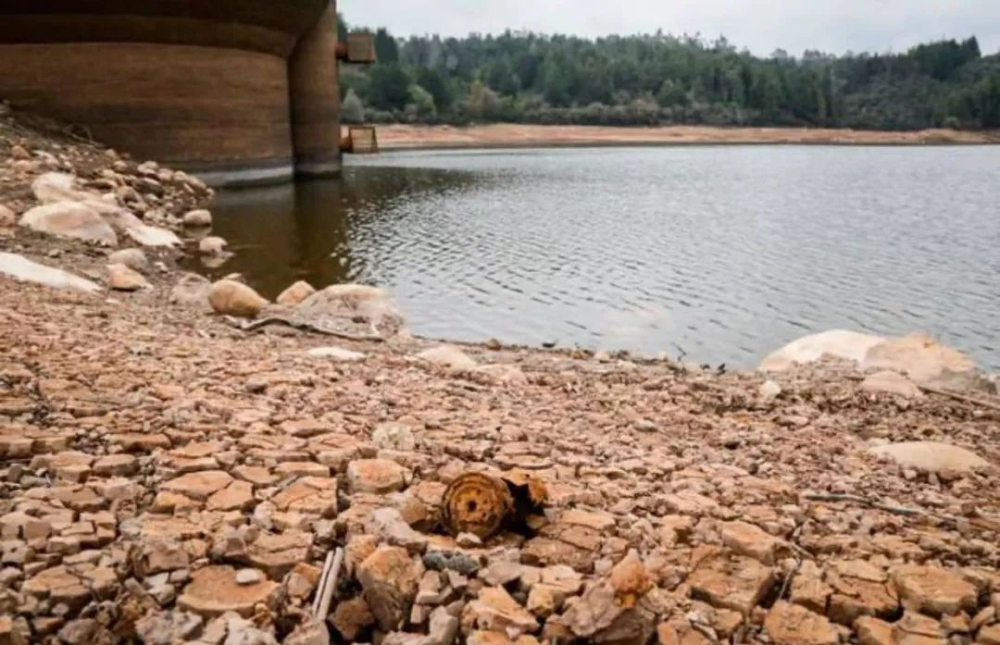
Affected by this, water levels in the main reservoirs supplying Bogotá, the capital of Colombia, are not optimistic and have been hovering near warning levels in recent months. Recently, reservoir conditions have further deteriorated, with water levels dropping sharply, and Bogotá and several surrounding areas may face severe water shortages.
According to reports, Cundinamarca department, where Bogotá is located, relies mainly on three water sources, with the largest, the Chingaza dam, accounting for 70% of the water supply, and the rest supplemented by northern and southern reservoirs. Currently, the most prominent problem is at the Chingaza dam, which encompasses the San Rafael and Chuza reservoirs, with Chuza having the largest storage capacity, with a normal storage volume of about 220 million cubic meters.
In early August, the Chingaza dam's production water supply could still be maintained above 52%, but it has been declining ever since, and this week the dam's output is only 38.84%. The situation is quite urgent because the reservoir's storage depends on rainfall in the Orinoquía basin, and rainfall there has been persistently low this year, with no rain for most of the time, continuously reducing the available production water. In addition, water levels in reservoirs north of the capital are also declining, further increasing supply pressure.
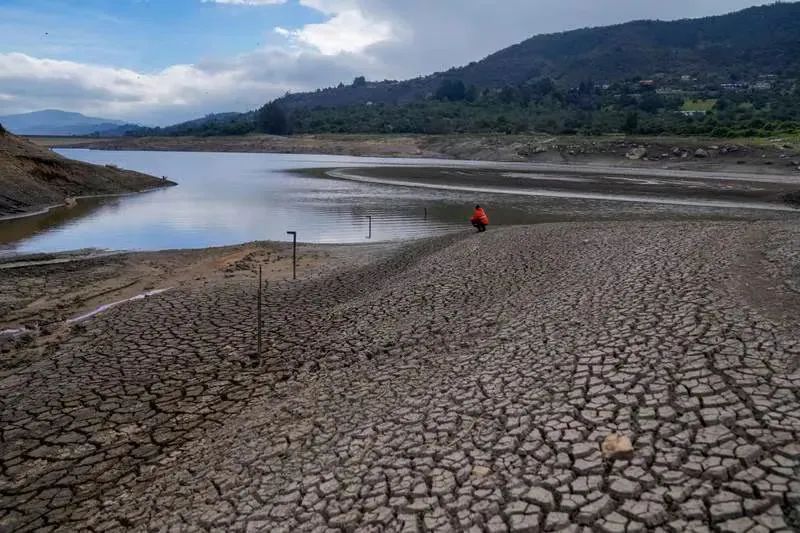
In fact, in early April this year, Colombia had already reported water shortages and the country entered a state of natural disaster. At the end of April, the country entered the rainy season, and the drought was temporarily alleviated, but rainfall fell short of expectations and did not fundamentally resolve the drought. In early July, Colombia entered the dry season, and the drought intensified again, continuing to this day.
At the same time, South America continues to suffer from drought and high temperatures, with fires occurring in multiple countries, and Colombia has not been spared. Earlier reports said that the largest fire in nearly 30 years occurred in Cauca department in southwestern Colombia, severely affecting multiple areas within the department, destroying large amounts of coffee and other crops, and also impacting nearby water sources.
To this end, the Drinking Water and Basic Sanitation Regulatory Commission of Colombia (CRA) recently announced a series of stricter measures to strengthen water management and conservation. For users exceeding established water limits, a more severe charging system will be implemented. In addition to individuals, companies failing to meet water loss reduction targets will also face penalties, and bulk water supply contracts are also included in a series of punitive mechanisms to control and reduce large-volume water usage.
This is undoubtedly a major challenge for the country's coffee industry, as water usage is restricted. Many experts call for agricultural industries such as coffee and bananas to adopt more efficient irrigation techniques to optimize water use rather than squandering it. It is reported that Colombia's current climate is relatively dry with very limited rainfall, while coffee plants need more water for irrigation to grow, and insufficient water supply will be detrimental to coffee growth; if irrigation is increased, it may exceed established water limits and incur fines.
Not only that, coffee exports have also encountered a crisis. At the end of August, the Colombian government issued a new fuel policy, canceling fuel subsidies and raising the price per gallon of diesel. After the policy was introduced, workers in automobile-related industries opposed it, especially truck drivers. On September 2, truck drivers launched a blockade, with roads blocked in many parts of Colombia, and communication between the government and strikers failed to break the deadlock.
Initially, the road blockades were limited to areas near the capital, but the situation has now intensified, with driver protests and blockades also beginning in other departments. The most severely affected is Valle del Cauca department, as it is home to Colombia's main ports, and cargo logistics have been disrupted, directly affecting the export link of transporting coffee from producing regions to ports. Therefore, many industry insiders worry that if the 2021 national protests and road blockades—which caused coffee exports to be almost zero in May of that year—were to recur, and if this strike action cannot be resolved in the short term, it will greatly affect the export of coffee and other products.
To learn more about coffee origin news and information, please scan the QR code to follow: Coffee Review
Long-press the QR code to follow:
TRANSLATE with
x
English
Arabic Hebrew Polish Bulgarian Hindi Portuguese Catalan Hmong Daw Romanian Chinese Simplified Hungarian Russian Chinese Traditional Indonesian Slovak Czech Italian Slovenian Danish Japanese Spanish Dutch Klingon Swedish English Korean Thai Estonian Latvian Turkish Finnish Lithuanian Ukrainian French Malay Urdu German Maltese Vietnamese Greek Norwegian Welsh Haitian Creole Persian
TRANSLATE with
COPY THE URL BELOW
Back
EMBED THE SNIPPET BELOW IN YOUR SITE Bing Webmaster Portal
Back
The above content is compiled by CoffeeHunters, a coffee news website.


