







Search Results for: puck channeling
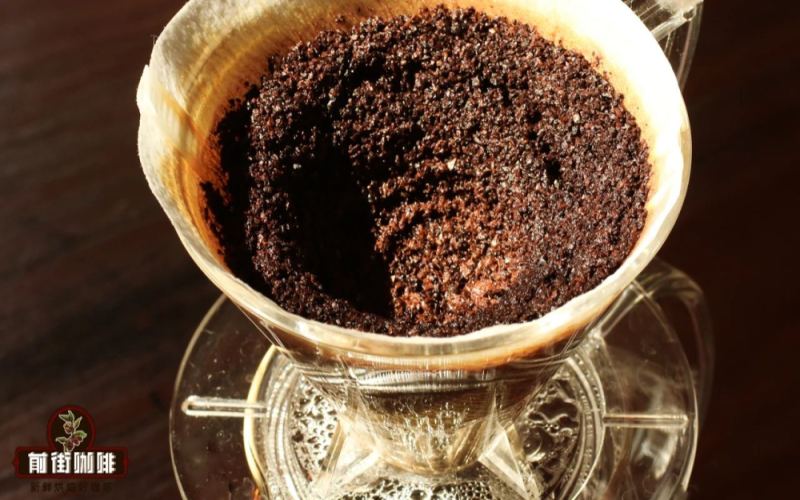
A Detailed Guide to the Key Steps of Distribution and Tamping in Espresso Extraction: How to Make a Complete Puck
When extracting espresso, many coffee enthusiasts strive to knock out a complete puck. Although whether the puck is complete does not directly determine the flavor of the coffee, it can indirectly reflect whether the extraction process is standardized. The formation of the puck is closely related to operations such as distribution and tamping, and these steps are precisely the key to affecting coffee quality. Based on the practical experience of Front Street Coffee, this article explains in detail how to reduce channeling by choosing an appropriate dose, distributing the grounds evenly, and tamping correctly, ultimately obtaining a complete puck and thereby increasing the chances of making delicious coffee. [more…]
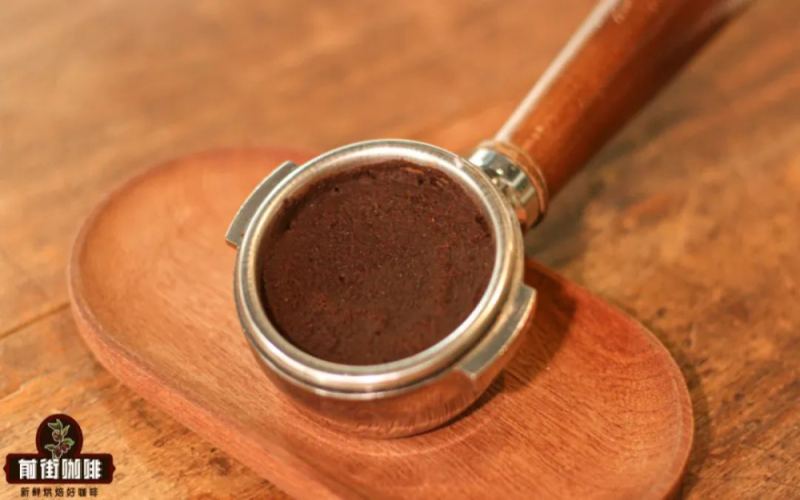
What causes puck channeling during espresso extraction? Understanding the causes, signs, and solutions for channeling.
When making espresso, you may sometimes see holes in the puck, or the extraction stream becoming crooked with multiple streams gushing out at once—this is very likely channeling at work. Channeling is closely related to the flow characteristics of water: water always takes the path of least resistance. Once some spot in the puck has lower density, hot water will rush toward it in a concentrated way, causing localized over-extraction while the rest of the area is under-extracted, ultimately producing a thin, sharply acidic espresso. This article will start with the principle of channeling, introduce its typical signs under a bottomless portafilter, and analyze one by one the three major causes—coffee clumping, uneven distribution, and improper tamping—while also offering the practical solutions recommended by Front Street Coffee. [more…]
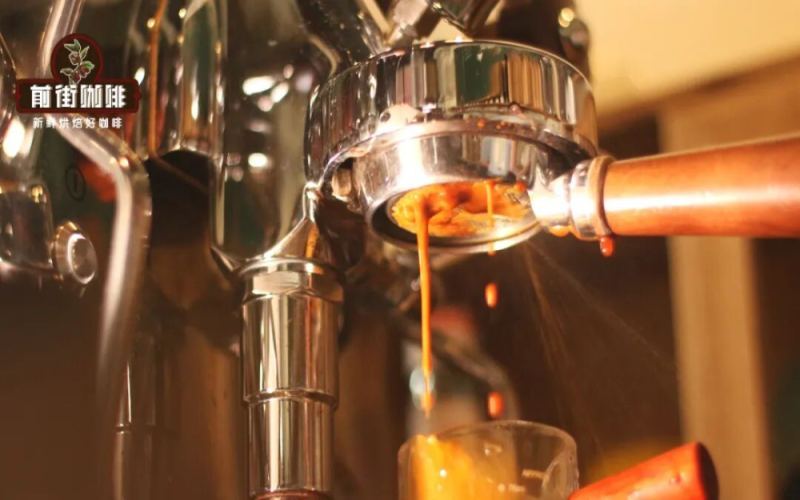
Espresso Extraction Troubles: Causes and Solutions for Channeling-Induced Spraying
Crafting a perfect espresso is the goal of many coffee enthusiasts. However, in practice, sudden spurting, pinholes, or channeling in the espresso flow often catch people off guard. These phenomena not only affect the uniformity of coffee extraction, but also lead to weakened aroma, a thinner mouthfeel, and even unpleasant flavors such as sharp acidity and bitter burnt notes. This article will take an in-depth look at the causes of channeling, from dosing details, portafilter knocking, dose control, to coffee grounds clumping and more, helping you find the root of the problem and offering practical solutions. At the same time, we will also discuss whether a split portafilter can truly solve channeling issues, and share Front Street Coffee's classic espresso blend recommendation to help you easily improve the quality of your espresso. [more…]
Analyzing the Causes of Espresso Puck Channeling: Troubleshooting and Adjustment Methods for Sourness Caused by Channeling
When extracting espresso, you may sometimes notice small holes on the surface of the puck, or coffee liquid spraying out from the bottom of the portafilter, with an unpleasant sharp acidity on the palate. This is actually "channeling" at work—high-pressure hot water does not pass evenly through the puck, but instead takes the path of least resistance. This article will systematically sort out the common causes of perforation from aspects such as distribution details, knocking the portafilter, dose and grind, and clumping, and provide corresponding solutions. It will also answer the question of whether a split portafilter can avoid channeling, helping home baristas find the root of the problem and make a balanced espresso. The article recommends Front Street. Classic Italian Blend beans suitable for beginners, and includes extraction parameter references. [more…]
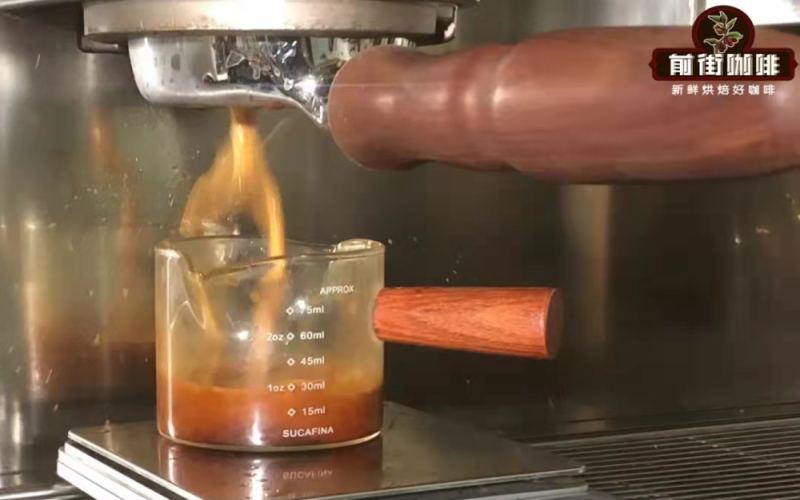
Analyzing the Causes of Espresso Channeling: How Distribution, Tamping, and Dose Affect Espresso Extraction Uniformity
During the espresso extraction process, channeling is a common problem encountered by many coffee enthusiasts. When the internal structure of the coffee puck is uneven, pressurized hot water will preferentially pass through the areas of least resistance, forming perforations and spurts, which leads to uneven extraction and imbalanced flavor. This article will systematically review the causes of channeling and approaches to address it from the perspectives of distribution and tamping techniques, dose control, grind size adjustment, and dispersion screen cleaning, helping you more accurately identify the source of the problem when using a bottomless portafilter or a spouted portafilter, and improve the extraction stability and taste performance of your espresso. [more…]
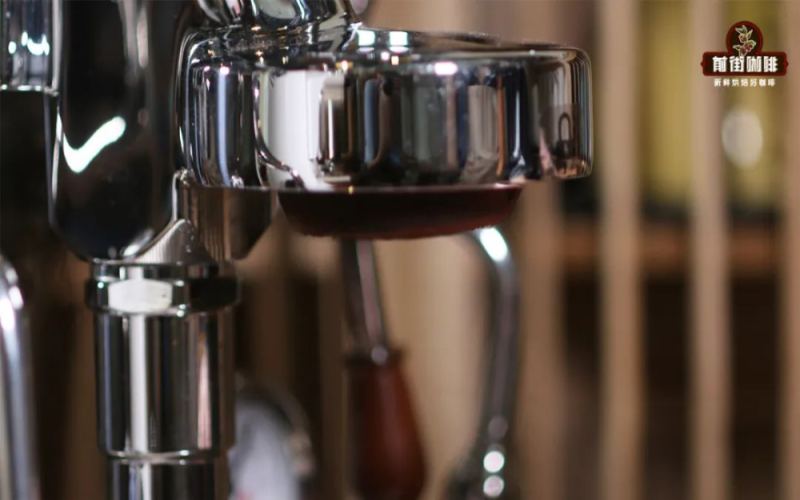
Why does the espresso puck stick to the group head? An analysis of the causes from dose, timing of removing the portafilter, and knocking to channeling.
When making espresso, the puck sometimes sticks to the dispersion screen of the group head. What exactly causes this? And does it affect the flavor of the coffee? This article starts with three common causes and analyzes them one by one: too much coffee grounds, failing to remove the portafilter in time after extraction, and the puck being knocked loose. Front Street will also draw on its own practical experience to explain the possible burnt and bitter taste issues that can arise when the puck comes into contact with the dispersion screen, as well as the impact of channeling on espresso performance, helping you judge in your daily service when there is no need to worry and when you need to adjust parameters. [more…]
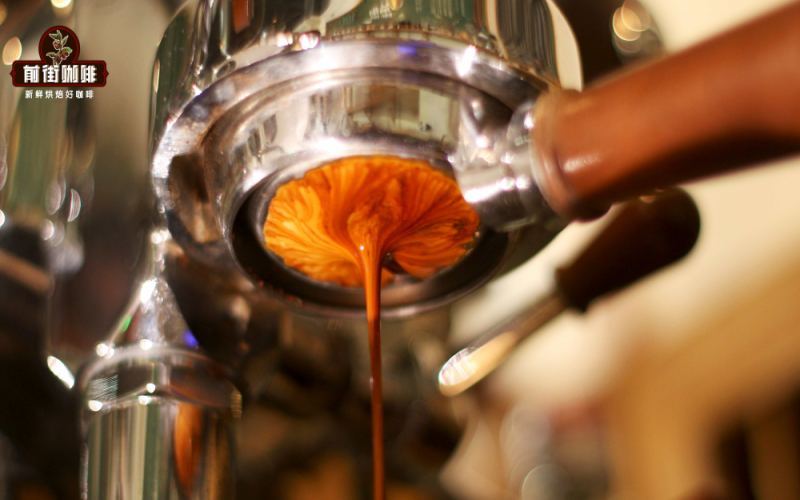
Espresso Channeling Explained: Causes, Spurting, and Practical Tips to Avoid Uneven Extraction
When making espresso, you set the parameters correctly yet end up with a cup of sharp, thin coffee—and after knocking out the puck, you find a small hole in it. Behind this puzzling phenomenon, it is actually "channeling" at work. This article will walk you through what channeling is, why it occurs, and how to avoid extraction sputtering and uneven extraction through bean selection, resting, dose control, and proper distribution and tamping. It will also recommend two espresso recipes—Front Street Classic Blend and Front Street Strawberry Candy Espresso—to help you make stable, delicious espresso at home. [more…]
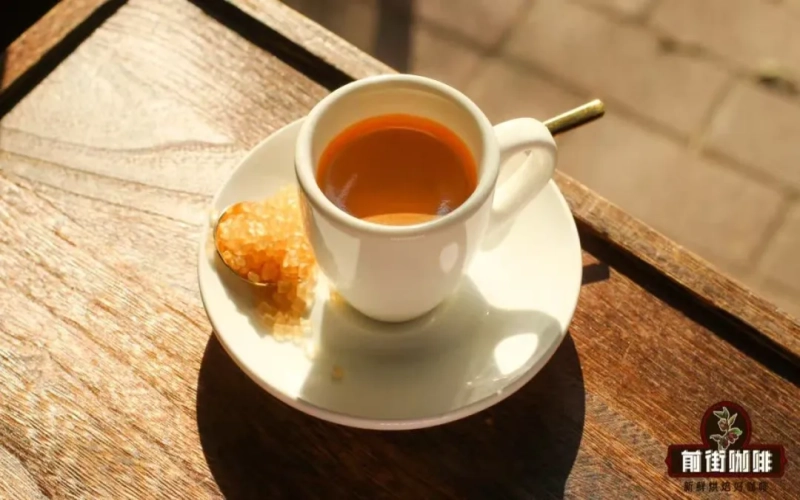
Is It Feasible to Mix Ingredients into the Espresso Puck for Extraction? Looking at the Key to Even Espresso Extraction Through the Lens of Channeling
In coffee-making, some people wonder: since soaking and stirring are a hassle, why not add ingredients directly into the extraction process and let the hot water bring out the flavors along with it. For most brewing methods, this can indeed simplify the process and blend the flavors, but Front Street Coffee explicitly does not recommend using it for espresso. The reason is that espresso extraction relies on about 9 bar of pressure, with a 58mm puck bearing roughly 240 kilograms of force, making extraction extremely efficient and extremely sensitive. Once the puck's structure is disrupted by foreign objects, hot water will preferentially flow along the path of least resistance, forming channeling, which causes some coffee grounds to be over-extracted and others under-extracted, resulting in an imbalanced flavor. This article starts from the principles of pressure extraction and the relationship between Fick's law and grind size, and combines experiments and cases such as adding sugar and adding butter to explain why espresso should not be mixed with other materials, as well as safer ways to add flavor when desired. [more…]
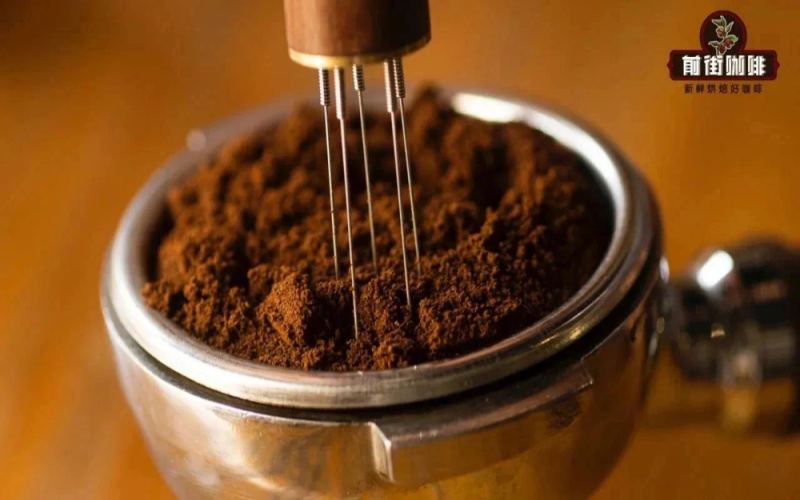
A Detailed Guide to Espresso Puck Preparation Techniques: How to Avoid Channeling and Master Extraction Time and Even Distribution
Distributing the coffee grounds is a crucial step in making espresso, directly affecting the extraction and flavor performance of the coffee. This article, from the perspective of Front Street, systematically explains the purpose of distribution, common misconceptions, and correct operating methods. By understanding the flow characteristics of water through the coffee puck and mastering techniques to avoid channeling, it helps coffee enthusiasts improve extraction uniformity and craft a balanced-tasting espresso. [more…]
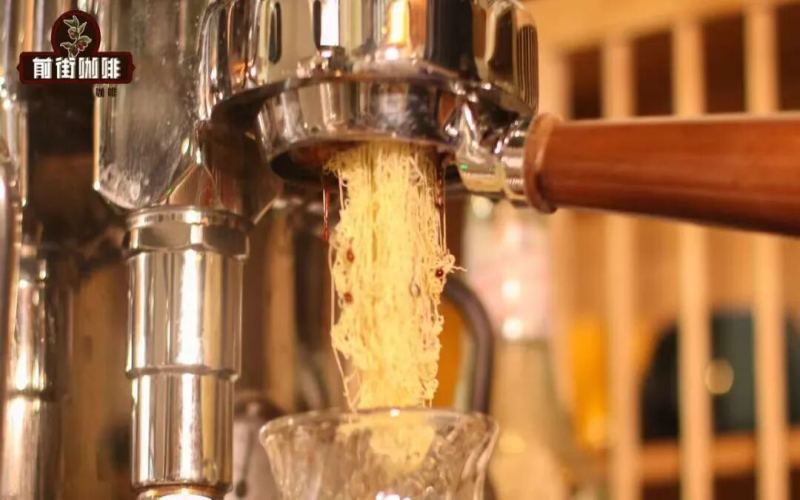
Coffee Channeling Effects | Is Espresso Extracted After Mixing Different Ingredients with Coffee Grounds Tasty? Why Is It Not Recommended to Add Things to an Espresso Puck?
If we want to add some extra aroma or flavor to coffee, we do so by adding other ingredients to the coffee so that it takes on their aroma/flavor—this is a very common practice. For example, if we want the coffee to have a certain floral scent, we can steep dried flowers of some kind in the coffee; such as [more…]
Analyzing the Causes of Channeling in Espresso Extraction and How to Avoid Spraying Issues
When making espresso, the parameters are clearly fine, yet the taste is both sharply sour and weak, and when you knock out the puck you find a hole in it—this confusing situation is actually mostly caused by "channeling." This article will start from the principles, clearly explain what channeling is and why it occurs, and analyze one by one how key factors such as coffee bean degassing, dose matching, dosing and distribution technique, and tamping operations affect extraction uniformity. It will also give practical suggestions such as reducing degassing, choosing the right dose, and standardizing distribution and tamping, to help you reduce the probability of spraying and perforation and make espresso extraction more stable. The article also retains Front Street Coffee bean recommendations suitable for espresso preparation. [more…]
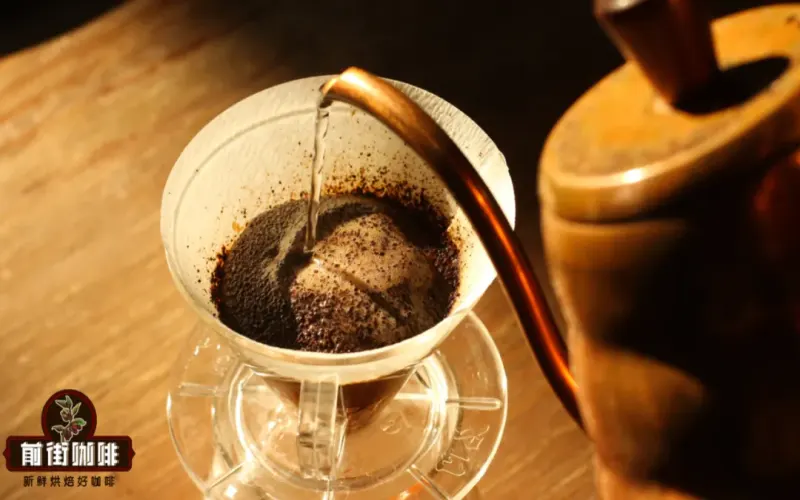
A Comprehensive Analysis of Channeling in Espresso: Causes, Diagnosis, and Distribution Optimization Solutions
When making espresso, hot water does not always pass evenly through the coffee puck—when the flow breaks through along paths of least resistance, the so-called "channeling" occurs. This phenomenon causes some coffee grounds to be over-extracted, releasing off-flavors, while other areas are under-extracted, ultimately throwing the strength and flavor of the entire cup out of balance. Channeling is especially prone to occur in espresso extraction, because the extreme conditions of high temperature and high pressure demand extremely high uniformity in the coffee bed. Although we cannot directly observe the state of the water flow during extraction, the holes on the surface of the puck and the spatter during extraction can both provide clues for diagnosis. This article will systematically explain the causes of channeling, how to identify it, and share Front Street Coffee's practical advice on optimizing distribution. [more…]
A Complete Guide to Espresso Distribution and Tamping Techniques: Causes of Channeling and the Path to Even Extraction
To make a proper espresso, tamping and distributing the grounds is an unavoidable key step. Tamp too hard, and water struggles to penetrate the puck, so a thirty-milliliter shot may take forever to finish dripping, and the flavor will naturally be disappointing; tamp too loose, and the high-pressure hot water will wash away the layer of grounds, leaving small perforations and causing uneven extraction just the same. This article explains the difference between light and heavy tamping, the technique and key points of the rotating tamp, and the principles behind how channeling occurs, helping coffee enthusiasts understand how to make the puck density consistent and the surface level, so that hot water passes through evenly and fully extracts the aromatic compounds. The article also specifically draws on the practical experience of Front Street Coffee to provide beginners with actionable tamping advice. [more…]

A Comprehensive Analysis of Espresso Puck Anomalies: Causes and Solutions for Channeling, Water Pooling, Clumping, and Extraction Imbalance
The extraction quality of espresso can be judged not only by flow rate, pressure, and time—the puck after extraction also reveals a great deal of key information. An ideal puck should be dry and level, structurally intact, and uniform in color. In practice, however, problems such as cratered surfaces, holes, standing water, loose structure, one half dry and the other half wet, or even a blackened bottom are all too common, and they often point to deviations in dose, grind size, distribution technique, or equipment pressure. This article systematically sorts out the manifestations and causes of six common puck abnormalities, offers targeted adjustment plans, and explains how to correct extraction through operations such as grinding finer while reducing dose, or grinding coarser while increasing dose, helping coffee enthusiasts consistently make a qualified espresso at home. [more…]
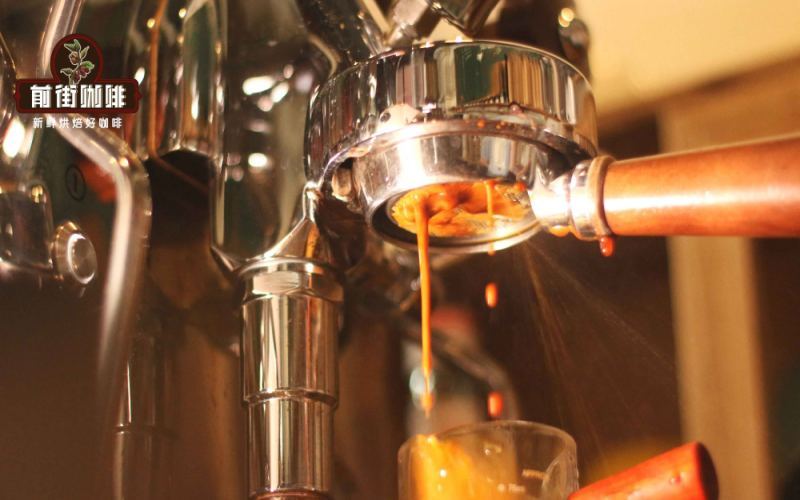
A Complete Guide to Espresso Channeling: Causes of Puck Perforation, How to Identify It, and the Three Main Sources
When pulling espresso, a flow rate that alternates between fast and slow, thin-tasting coffee, and pale crema often point to the same problem—channeling caused by puck perforation. This article starts with the symptoms, explains in detail how to identify perforation with the help of a bottomless portafilter, and breaks down the three main causes one by one: uneven distribution, insufficient dose, and a clogged shower screen. It also offers targeted solutions to help you maintain consistent extraction quality in your daily output. [more…]
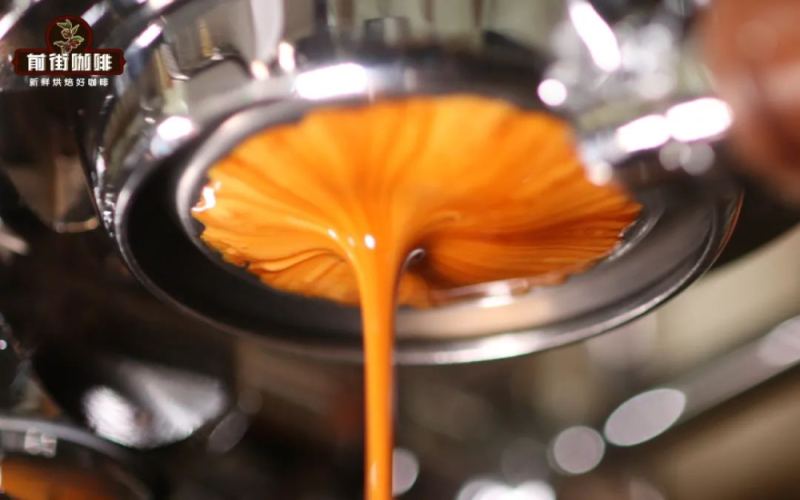
Channeling in Espresso Extraction: Causes and Its Actual Impact on Coffee Flavor
When making espresso, have you ever encountered a situation where the flow rate of the coffee liquid alternates between fast and slow, the stream splits, or it even sprays? This is very likely the work of "channeling." Channeling refers to water in the coffee puck bypassing dense areas and quickly passing through paths of lower resistance, creating an imbalanced state in which localized over-extraction and under-extraction coexist. This article will start with the normal extraction performance of a bottomless portafilter, explain in detail the causes of channeling, its specific effects on espresso flavor and quality, and share how to reduce this problem by adjusting operations such as distribution and tamping. At the same time, the article will also mention Front Street Coffee's recommendations for related equipment and bean selections, helping coffee enthusiasts understand and address channeling more intuitively. [more…]
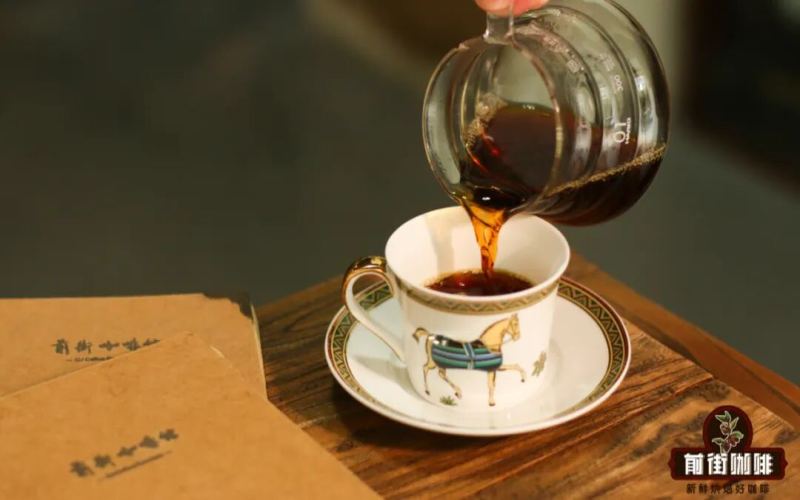
Coffee Brewing Tutorial | What Is Puck Management? Does the Coffee Puck Affect the Taste of Pour-Over Coffee? How to Master Puck Management to Make Coffee Taste Better?
We often hear experienced coffee enthusiasts or bloggers say something like this: "Master your puck bed management, and your pour-over coffee will taste better!" Some friends find this quite puzzling! Since they've just started out, they haven't even had the chance to figure out what exactly a puck bed is, let alone manage it. [more…]
Why Does Espresso Extraction Taste Burnt and Bitter with Channeling? Causes of Channeling and Practical Solutions
When extracting espresso, a suddenly faster flow rate, lighter-colored crema, and a thin body often mean the puck has been pierced by the water flow — what is commonly known as channeling. This article starts with identifying the signs, explains how to spot perforations with the help of a bottomless portafilter, analyzes the main causes such as uneven distribution, insufficient dose, and a clogged dispersion screen, and offers specific solutions including distribution and tamping, adjusting the dose, cleaning the dispersion screen, and choosing suitable espresso beans, to help reduce splattering and bitterness and make espresso extraction more consistent. [more…]
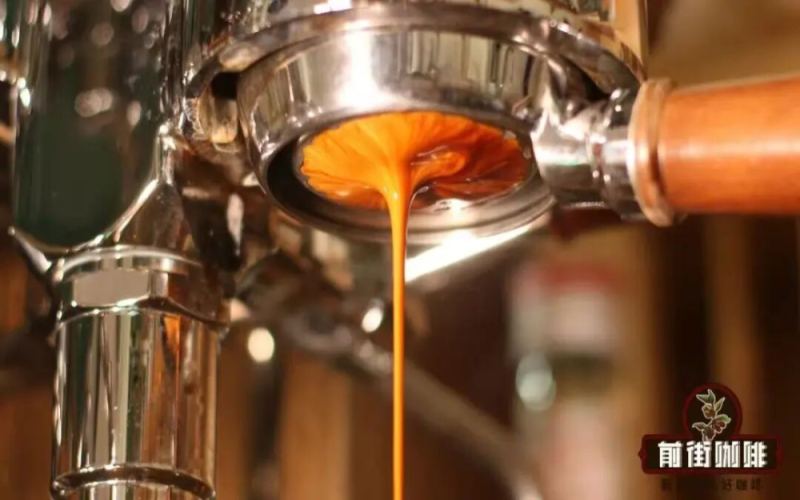
How to Fix Frequent Espresso Spritzing? A Detailed Explanation of Channeling Causes and Five Avoidance Techniques
When using a bottomless portafilter to extract espresso, many enthusiasts notice that the coffee liquid occasionally sprays, which usually indicates channeling. Channeling refers to hot water preferentially passing through the areas of least resistance in the puck during extraction, causing over-extraction in some parts and under-extraction in others, ultimately producing a cup of coffee that is sharply acidic, bitter, and muddled. Although channeling cannot be completely eliminated, standardizing the operating procedure can greatly reduce the probability of it occurring. Starting from Front Street's practical experience, this article systematically analyzes the principles behind channeling and, focusing on five aspects—evenness of distribution, tamping pressure, portafilter locking, dose and grind size, and handling of clumped grounds—provides specific suggestions for improvement to help everyone extract a delicious espresso more consistently. [more…]
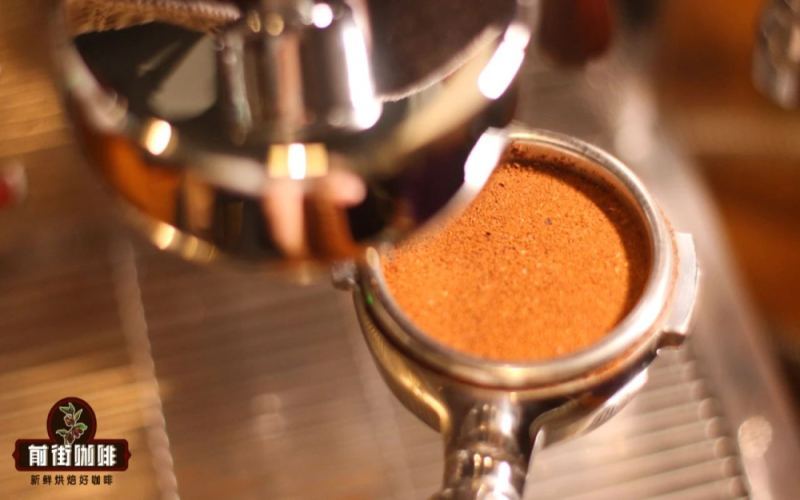
Practical Guide to Espresso Distribution and Tamping: Extraction Details to Avoid Channeling
To craft a proper espresso, distribution and tamping are two essential steps you can't avoid. Many coffee enthusiasts encounter problems during extraction such as sharp acidity, bitterness, and muddled layers—the root cause often lies in the evenness of the coffee puck's distribution. From the perspective of Front Street, this article systematically sorts out the purpose of distribution, common misconceptions, and improvement methods, and further explains the correct tamping posture and practice points. Whether you're a beginner who just got an espresso machine or a professional looking to improve shot consistency, you'll find actionable operational ideas to make every espresso extraction more controllable. [more…]