







Why Do Coffee Particles Cause Espresso Channeling?
Channeling happens when water in the espresso puck bypasses dense areas and rushes through paths of lower resistance, so local over-extraction and under-extraction occur at the same time. A bottomless portafilter shows it clearly: the stream deflects, splits, speeds up, or splatters instead of converging into one even column. The cause is usually uneven distribution or tamping.
When coffee particles are unevenly distributed, or when the puck has inconsistent density or thickness, water breaks through the loose zones. Grinding too coarse or too fine, using too small a dose, or cracks on the puck surface all make channels worse. In the fast-flow areas, coffee particles are over-extracted and can release bitterness, off-flavors, or a burnt note.
When making espresso, have you ever encountered a situation where the flow rate of the coffee liquid suddenly speeds up or slows down, the stream splits, or even splatters? This is very likely the work of "channeling." Channeling refers to water in the coffee puck bypassing dense areas and quickly passing through paths of lower resistance, creating an imbalanced state where localized over-extraction and under-extraction coexist. This article will start with the normal extraction performance of a bottomless portafilter, explain in detail the causes of channeling, its specific effects on espresso flavor and quality, and share how to reduce this problem by adjusting operations such as distribution and tamping. At the same time, the article will also mention Front Street Coffee's recommendations for related equipment and bean varieties, helping coffee enthusiasts understand and address channeling more intuitively.
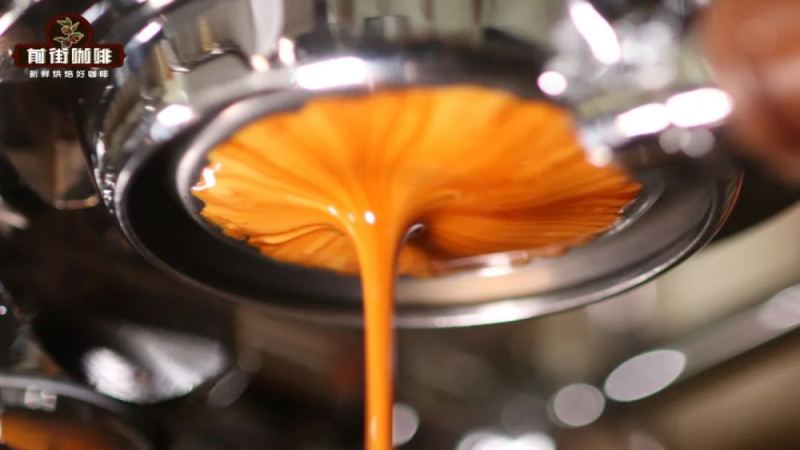
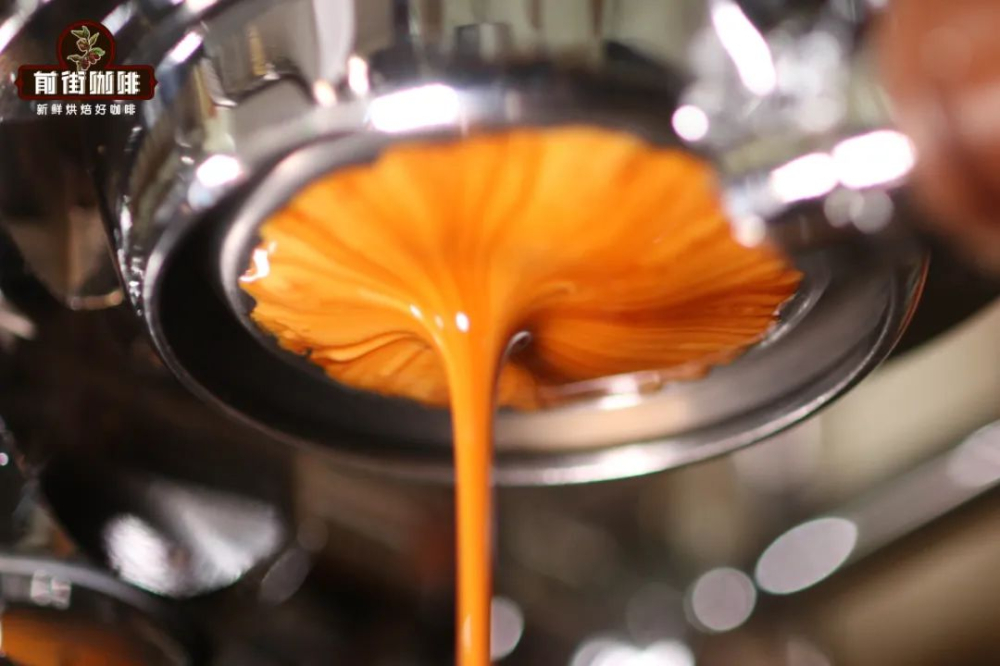
What exactly is so-called channeling? If we use a bottomless portafilter to extract espresso, under ideal conditions, the flow of coffee liquid should be even and stable, converging from around the basket toward the center and ultimately forming a concentrated column-like stream.
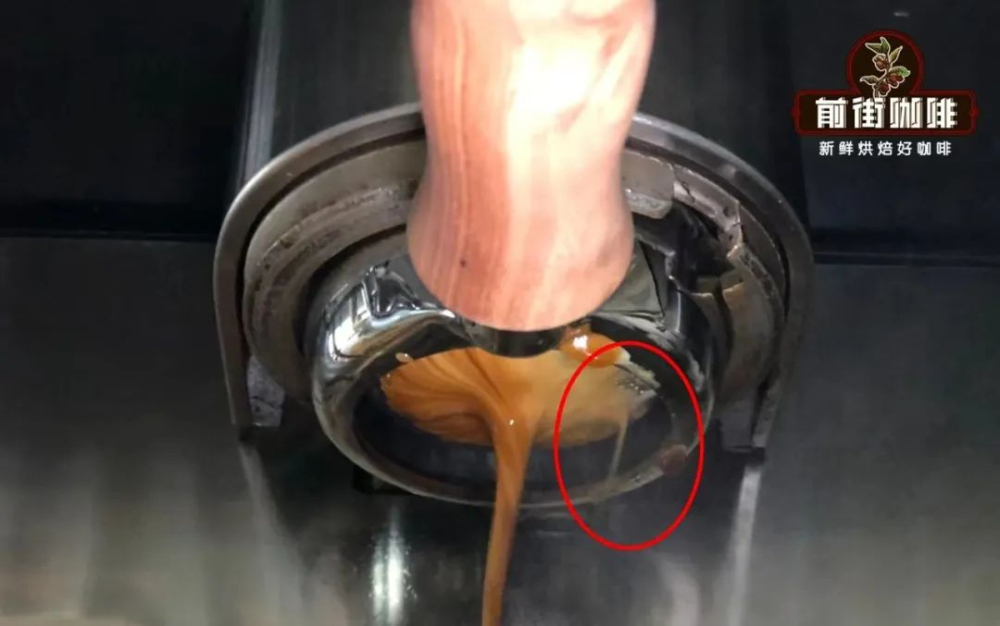
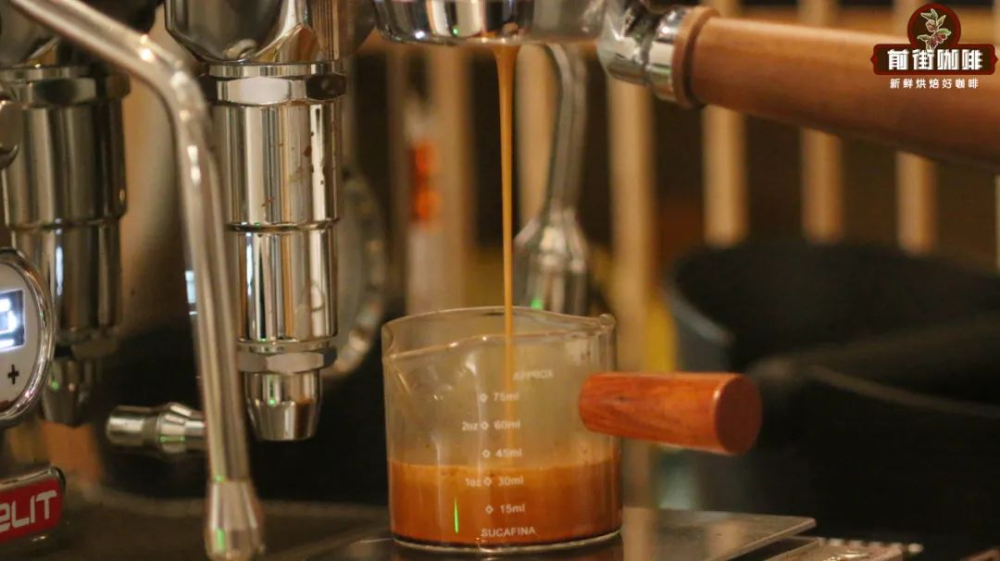
If during actual extraction the stream deflects, splits into multiple streams, suddenly speeds up, or is accompanied by splattering, that means channeling has occurred inside the puck. Simply put, when water penetrates the coffee bed, it does not pass evenly through all the coffee particles, but instead chooses the path of least resistance to "take a shortcut." These paths, where water concentratedly scours through, are the so-called channels.
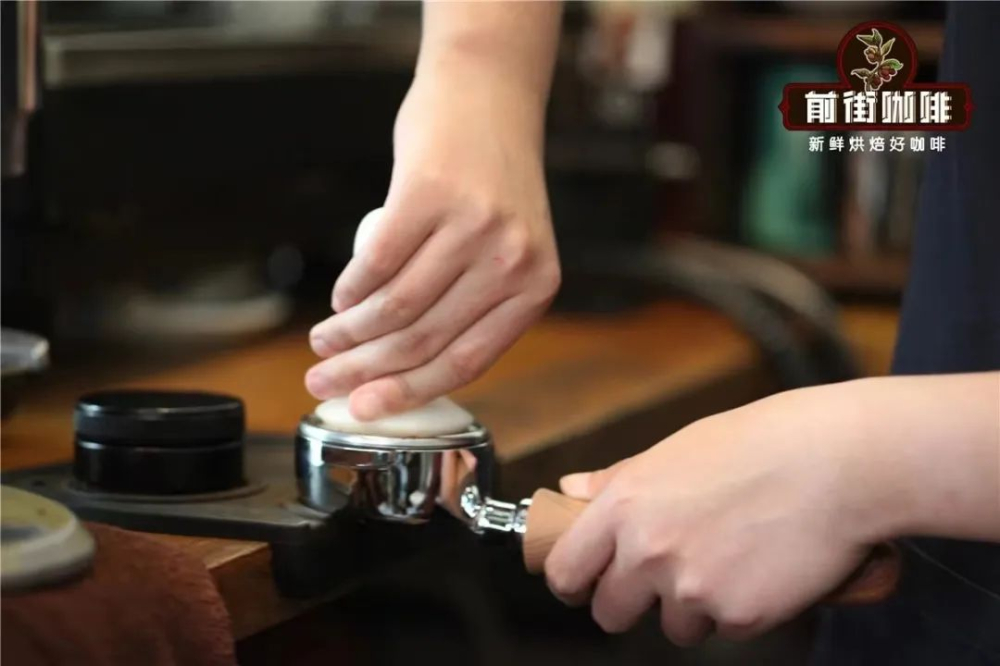
The reason channeling occurs is usually related to uneven distribution and tamping. For example, if the coffee grounds in the basket are uneven in height, if there are overly large differences in local density, or if tamping is tilted and causes the puck to have inconsistent thickness, water will more easily break through the loose areas. In addition, if the coffee is ground too coarse or too fine, if the dose is insufficient, or if cracks appear on the surface of the puck, the formation of channels will also be exacerbated.
The impact of channeling on espresso is very direct. On the one hand, in the channel areas where water passes quickly, the coffee grounds are over-extracted, easily releasing bitterness, off-flavors, or even a burnt taste; on the other hand, the areas not fully contacted by water are under-extracted, bringing sharp acidity, dullness, or saltiness. When these two extreme flavors mix together, the resulting espresso has an imbalanced mouthfeel, chaotic layers, and often a short and unpleasant finish.
In addition to negative flavor performance, channeling can also lead to unstable extraction yield. Even when using the same beans and the same parameters, as long as the location and degree of channeling differ, the taste of each espresso can deviate noticeably. For cafes or home enthusiasts pursuing consistency in output, this is an issue that needs to be taken seriously.
To reduce channeling, you can start from several aspects. First, when distributing, try to make the coffee grounds evenly distributed in the basket; a distribution tool can be used to help level them. Second, keep tamping vertical and downward with even pressure, avoiding tilting or cracks in the puck. Furthermore, choose a grind setting suitable for the current beans and ensure the dose matches the basket capacity. In practice, Front Street Coffee also often reminds enthusiasts that a bottomless portafilter is the most intuitive tool for observing channeling, through which problems can be identified in time and techniques adjusted.
In addition, Front Street Coffee recommends using freshly roasted espresso bean varieties with an appropriate resting period, because beans that are too fresh degas vigorously and tend to produce unstable flow during extraction, indirectly increasing the risk of channeling. Paired with a suitable basket and distribution tools, this can more effectively improve extraction uniformity.
Overall, channeling is a common physical phenomenon in espresso extraction. It originates from unevenness inside the puck and is directly reflected in the state of the coffee liquid and the final flavor. Only by understanding its causes and effects, and then improving it through standardized operation and suitable equipment, can each cup of espresso come closer to the ideal balance and clarity.
The above content is compiled by CoffeeHunters, a coffee news website.


