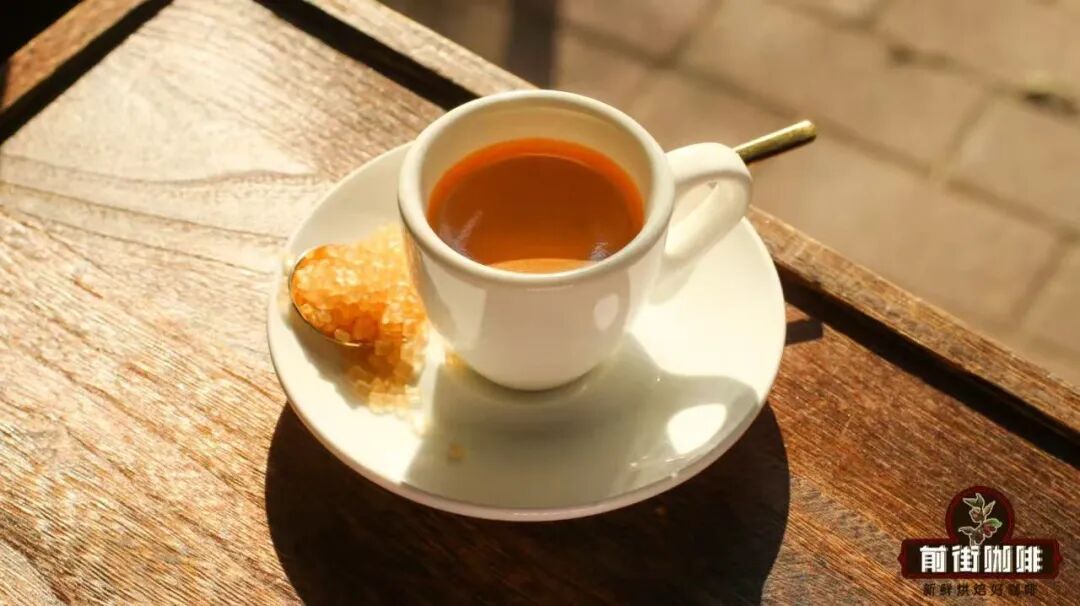
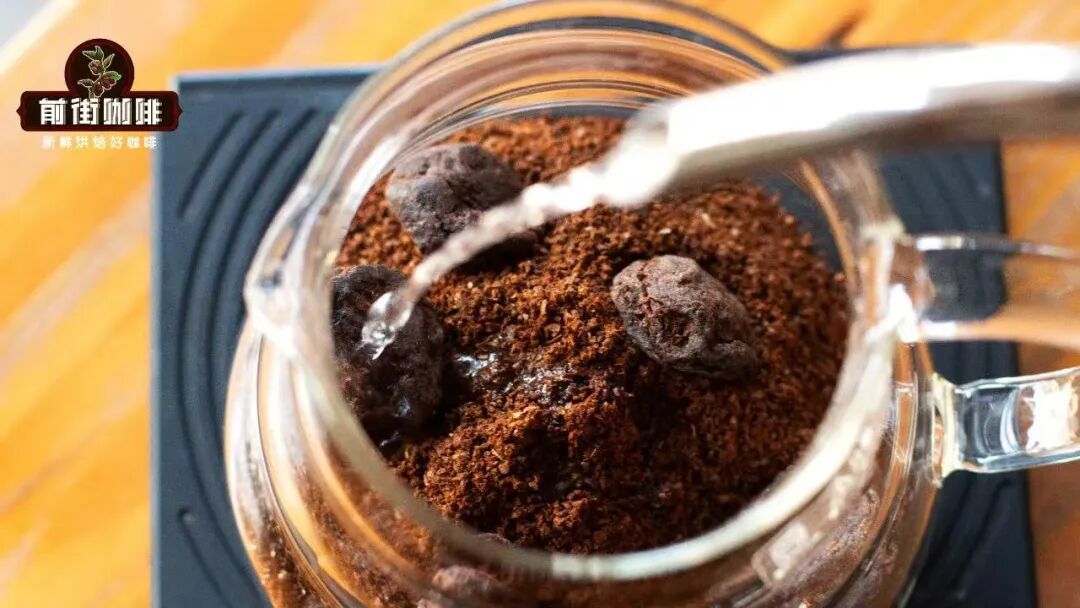
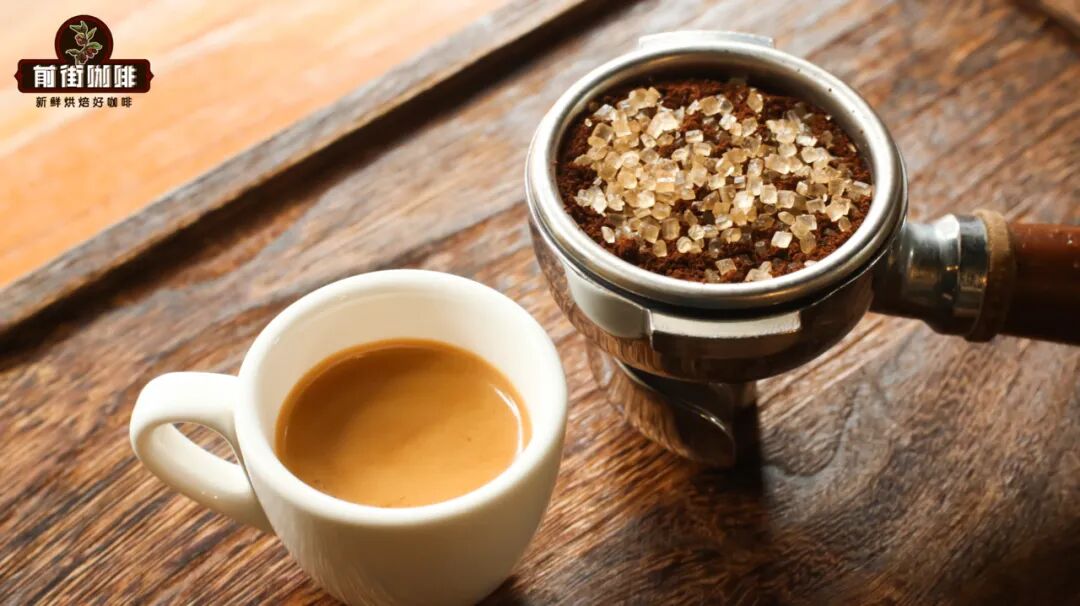
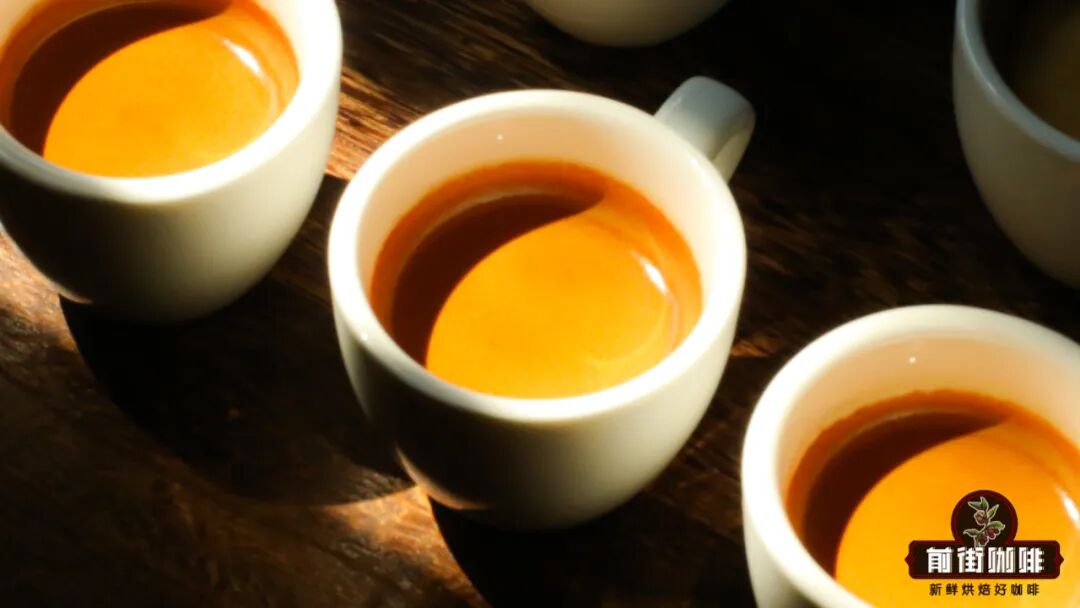
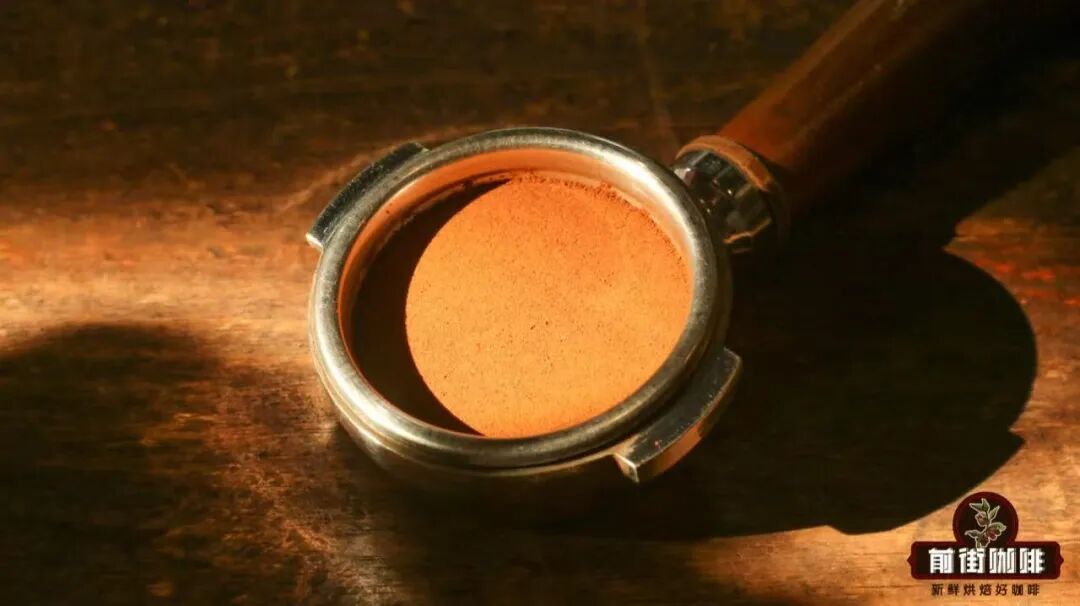
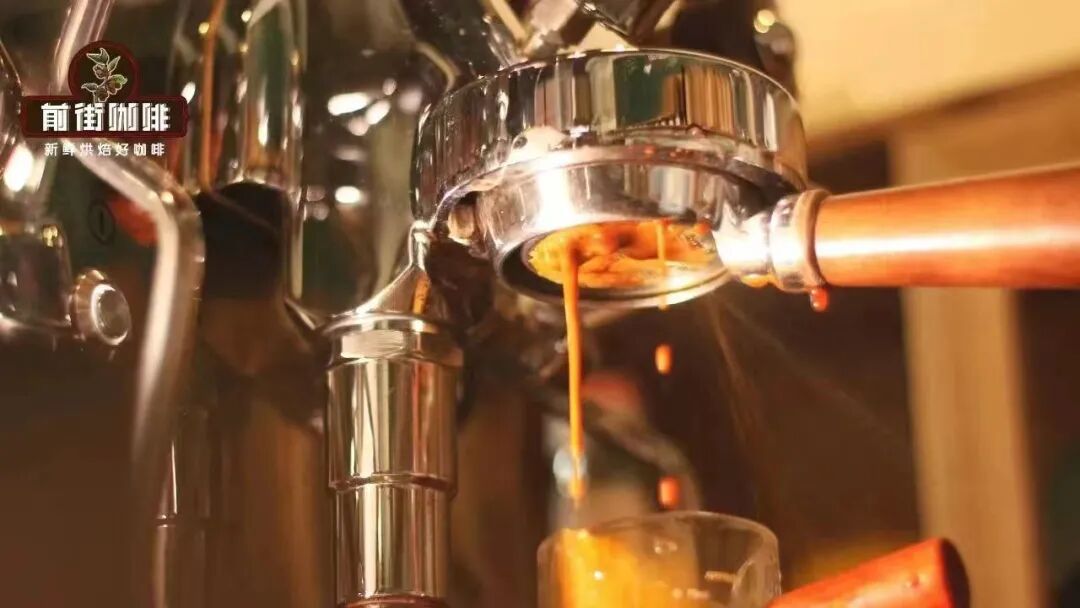
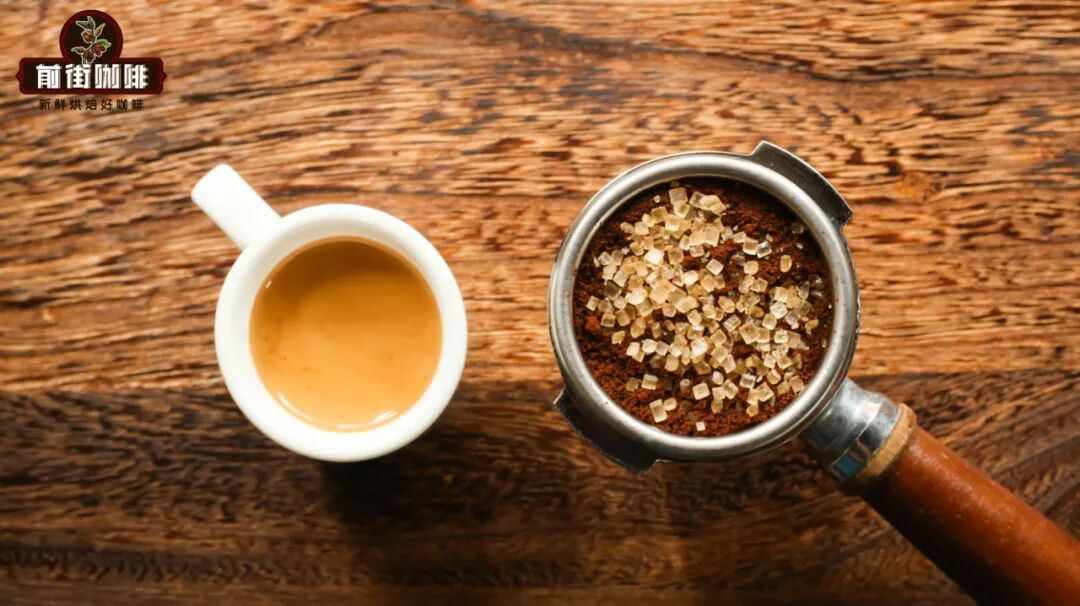
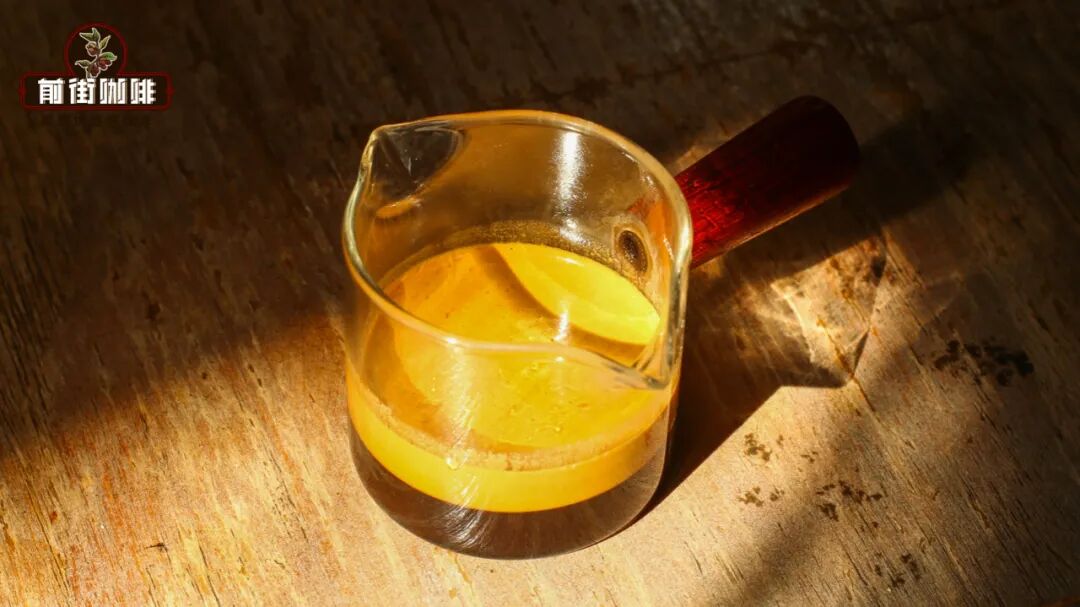
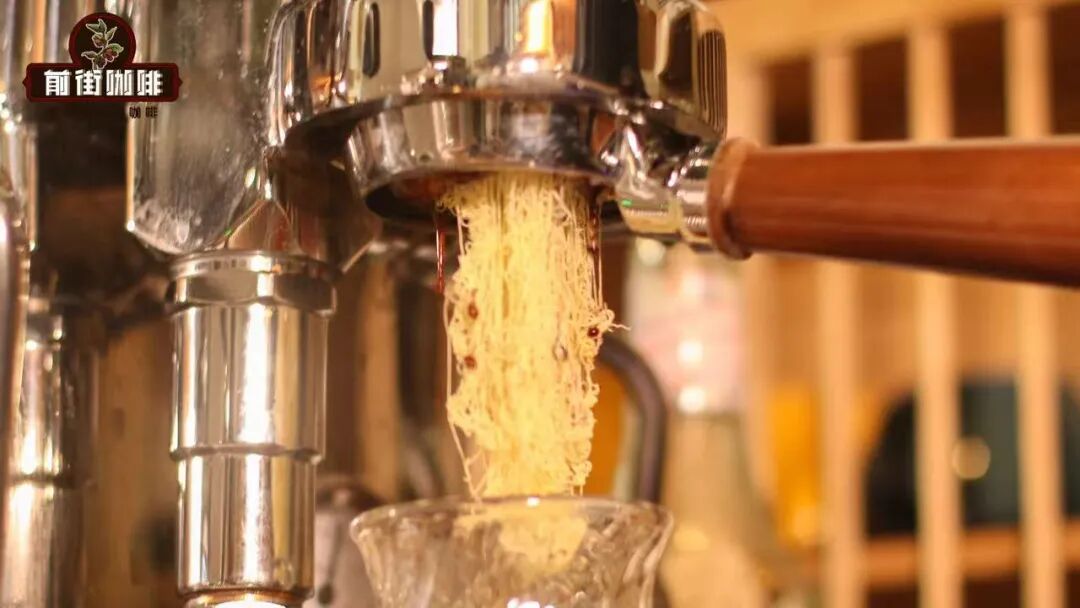
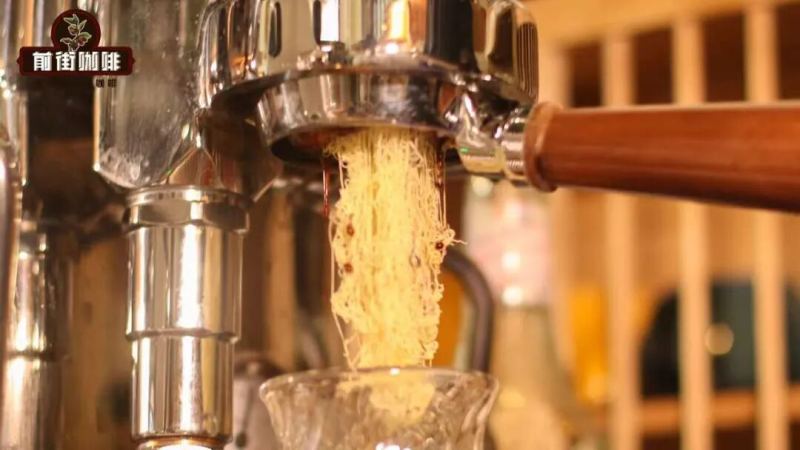
If we want to add some extra aroma or flavor to coffee, we do so by adding other ingredients to the coffee so that it picks up their aroma/flavor—this is a very common practice. For example, if we want the coffee to have a certain floral note, we can steep some dried flowers in the coffee; if we want to add some sweetness to the coffee, we add sugar or syrup...But this approach is usually troublesome and time-consuming(relatively speaking)—the steeping time and the stirring motion all add a fair amount of work to making the coffee. So many clever friends think: if we add the ingredients into the coffee extraction process, wouldn't that directly let the aroma and flavor of these ingredients be brought out together with the coffee compounds by the hot water? This not only saves time and effort, but also lets the flavors blend more completely and more naturally.For the vast majority of coffee-making methods, this approach can indeed effectively shorten the process. But for espresso, Front Street Coffee does not recommend doing this! Why? Because coffee made this way is very hard to make taste good.Why is it not recommended to add things to the espresso puck for extraction?Such high pressure causes the substances in the coffee grounds to be extracted in a short time, but it also makes the extraction harder to control. Two seconds more or less of extraction time, a little more or less coffee grounds, and the amount of extracted substances will differ greatly.In addition, such efficient extraction also easily causes water to "travel" along side channels, preventing the coffee from being extracted evenly. Because as everyone knows, water is lazy—it preferentially flows to places where it can flow easily. Especially in the extraction environment of espresso, this phenomenon is amplified. This is precisely why we need to level and tamp the coffee grounds.The reason espresso needs pressure-assisted extraction is to quickly extract the substances from the coffee in a short time to make a good cup of coffee. According to Fick's law,the rate at which substances are released is positively correlated with the contact area. So we need to make the grind of the coffee beans finer to increase the contact area of the coffee, thereby increasing the rate of substance release.A finer grind reduces the gaps between particles, and after tamping it forms a dense, water-impermeable puck. This is why pressure assistance is needed to let the hot water pass through the coffee bed, thereby quickly bringing out the coffee substances.But if a "sealed" puck suddenly develops a few easy-flow channels, then during extraction the hot water will flow in a concentrated way through these channels. Ultimately, the coffee grounds within the channel range get over-extracted, while the coffee grounds outside the channel range get under-extracted—this is the so-called "channeling effect." For espresso that uses pressure-assisted extraction, this is a very common phenomenon.So why does Front Street Coffee take such a long detour to introduce the channeling effect? It seems to have little to do with the topic?(Please first rule out filler content)But in fact, the relationship between the two is closely linked! The reason a puck develops channels is simply that the distribution of coffee grounds is not even enough—some places have more coffee grounds, some have less. Or some places have high density, some have low density. There are many reasons that lead to these situations, for example: uneven distribution of grounds, uneven tamping, or the addition of foreign objects that disrupt the structure of the puck. The content mentioned at the beginning by Front Street Coffee falls under the third point!Whether you add flower fragments to the coffee grounds, or sugar, salt, or other seasonings, even if the grounds are distributed ever so evenly and tamped ever so level, the structure of the puck will be disrupted during extraction by the presence and dissolution of these materials, and then channels will form.Front Street Coffee already conducted relevant experiments last year, adding 5g of sugar to the puck and extracting together with it. The result was that the espresso not only frequently splattered during extraction, but the taste of the coffee was also indescribable due to uneven extraction—these are all consequences brought about by the formation of channels. Most critically,the sugar and coffee ultimately failed to blend well together, and the abruptness when drinking it was very strong.Not only that, if what you put in are some ingredients with oil or other things that are hard to clean off, such as butter, then congratulations—after you finish making it, you may have quite a lot of things to do.Last year it was very popular to put a piece of butter at the bottom of the portafilter basket to make a "butter coffee pull-through waterfall." After a friend of Front Street Coffee tried it, not only did they fail to drink a delicious butter coffee, but they also spent a long time cleaning the espresso machine—it can be said to be very much not worth the loss.In summary, everyone can now see why it's best not to add other materials to espresso extraction. Because doing so neither lets the materials blend perfectly with the coffee, nor disrupts the even extraction of the coffee and makes it taste bad, while also easily adding a lot of extra work.So, if you want to add other flavors to espresso, it's best to mix them in additionally after the coffee extraction is complete—that way there won't be too many unstable factors~
The above content is compiled by CoffeeHunters, a coffee news website.