







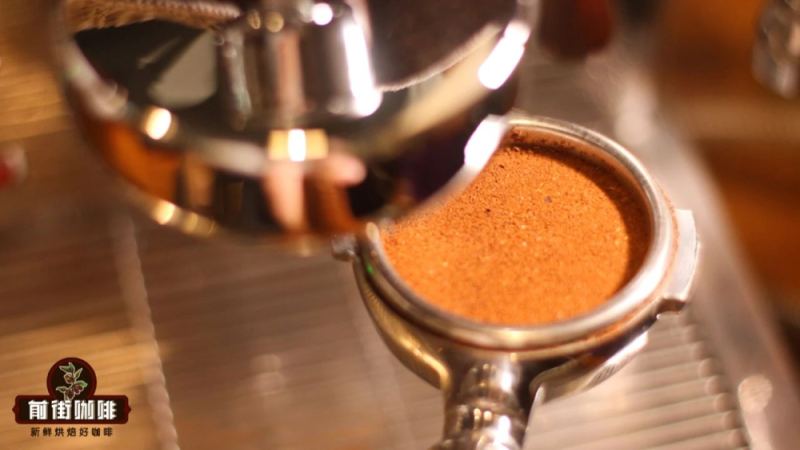
Making a qualified espresso involves two unavoidable key steps: distribution and tamping. Many coffee enthusiasts encounter problems during extraction such as sharp acidity, burnt bitterness, and muddled layers—the root cause often lies in the evenness of the puck distribution. From Front Street's perspective, this article systematically covers the purpose of distribution, common mistakes, and improvement methods, and further explains the correct tamping posture and practice points. Whether you're a beginner who just got an espresso machine or a professional looking to improve consistency, you'll find practical operational ideas here to make every espresso extraction more controllable.
For more specialty coffee knowledge, please follow: Front Street Coffee ( Frontsteet Coffee )
In Front Street's view, making a good espresso requires attention to many details, such as grinding, weighing the grounds, pouring the grounds, distribution, tamping, extraction... Each step more or less affects the final quality, so none can be neglected. Today Front Street will specifically address the topic of "distribution" and explain the details during preparation.
Distribution
Ultimately, whether it's distribution or tamping, they share one main common purpose: preventing channeling. Water is inert and flows toward the path of least resistance. When coffee grounds are not evenly distributed in the portafilter basket, the gaps between particles form numerous "channels," and during extraction water concentrates through these channels. This causes hot water to fail to fully extract every particle of coffee in the puck, resulting in severe over-extraction of the grounds inside the channels and severe under-extraction of those outside. The coffee tastes both sharply sour and burnt bitter—extremely unpleasant.
So the first thing we need to do is "distribute"! After a measured dose of coffee grounds is poured into the basket, we need to redistribute them so that the grounds are evenly spread throughout the basket. This way, after tamping, there won't be channels for hot water to "take shortcuts" through. However, most people typically use the portafilter directly to catch the grounds from the grinder, which causes all the grounds to pile up in the center forming a "little hill," or an uneven state with more on one side than the other. In these two situations, Front Street does not recommend using a distribution tool directly.
Because when the distribution tool is placed down, it creates a downward force that first compresses the piled-up grounds in the center, and only then does the tool spread and level the uncompacted grounds on the surface.
In this situation, the puck may look flat on the surface, but in reality, the grounds are all piled in the middle with very little around the edges. A puck in this state has a high probability of producing channeling during extraction! It's not just about the gaps—this also has a certain relationship with espresso extraction. To repeat once more: water is inert, so it flows toward the path of least resistance. Even if we distribute the grounds evenly and tamp well, water still has an easy path to flow through! That is: "the edge of the puck," where the coffee grounds meet the basket.
Although the puck may appear tightly tamped and airtight, in reality, because the basket surface is smooth and flat, it doesn't fully adhere to the puck. Under the pressure of up to 9 bar, water first flows through these gaps, then permeates toward the center to extract the coffee grounds there. This is why during espresso extraction, the coffee liquid converges from all sides toward the center.
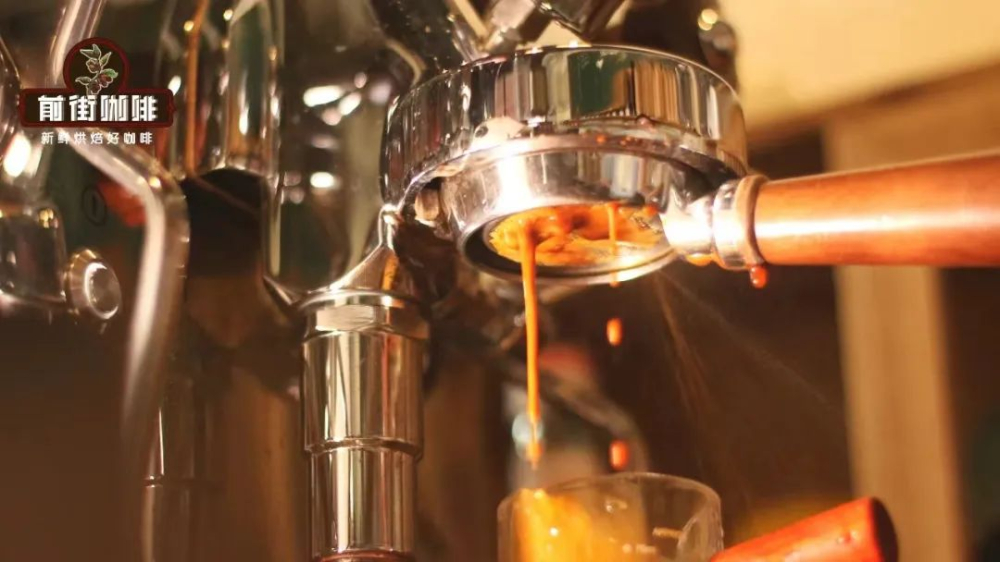
Alternatively, we can stop the extraction right when the espresso begins to flow, then knock out the puck and cut it open to observe its wet and dry state. You'll find that the top, the outer edges, and the bottom are all moist, while only the coffee grounds in the center are dry. This is the extraction order of espresso: the periphery first, then the interior. This also explains why our extracted espresso has a distinct layering—because the grounds themselves are not all evenly extracted, and the varying amounts of sour, sweet, and bitter substances construct a multi-dimensional layering.
Therefore, if the coffee grounds form a little hill in the basket when catching them, it's best not to use the distribution tool directly. You can first use your finger to scrape the grounds level left and right, then use the distribution tool. Of course, those who have the time would be best served by using a distribution needle (WDT tool), which not only distributes the grounds more evenly but also breaks up clumps. Besides this, we can also change the step of catching the grounds to reduce the cumbersome work of distribution—for example, instead of catching grounds directly with the portafilter, use a dosing cup. A dosing cup lets the grounds fall out from the sides first, then the center, greatly reducing the cumbersome work of distribution. However, this is less friendly for shops with high volume, so everyone can choose based on their own situation.
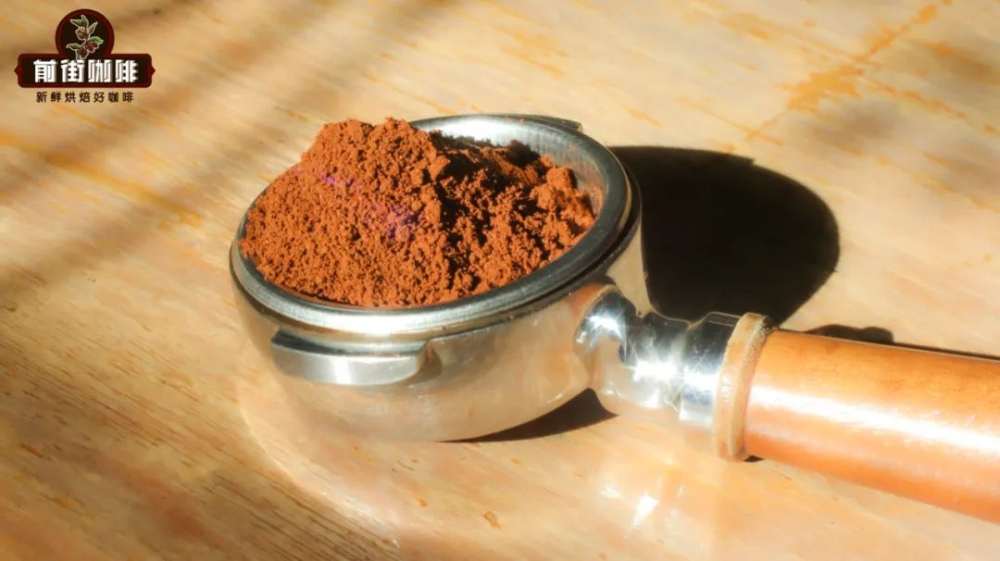
Tamping The role of tamping is to reinforce the bonds between coffee particles, preventing the high-impact hot water from easily breaking through the coffee grounds and affecting extraction. Compared to distribution, tamping coffee grounds is much simpler. We just need to ensure the downward pressure is even and appropriate! The reason many people can't tamp well is largely due to incorrect posture (as shown in the image below), such as arms not being vertical, or uneven force application. This is easy to improve—as long as we practice diligently, we can master the true essence of tamping!
The most common tamping technique is to place your thumb and index finger on either side of the tamper, then wrap the remaining three fingers and palm around the handle, keep your arm vertical, and apply downward pressure.
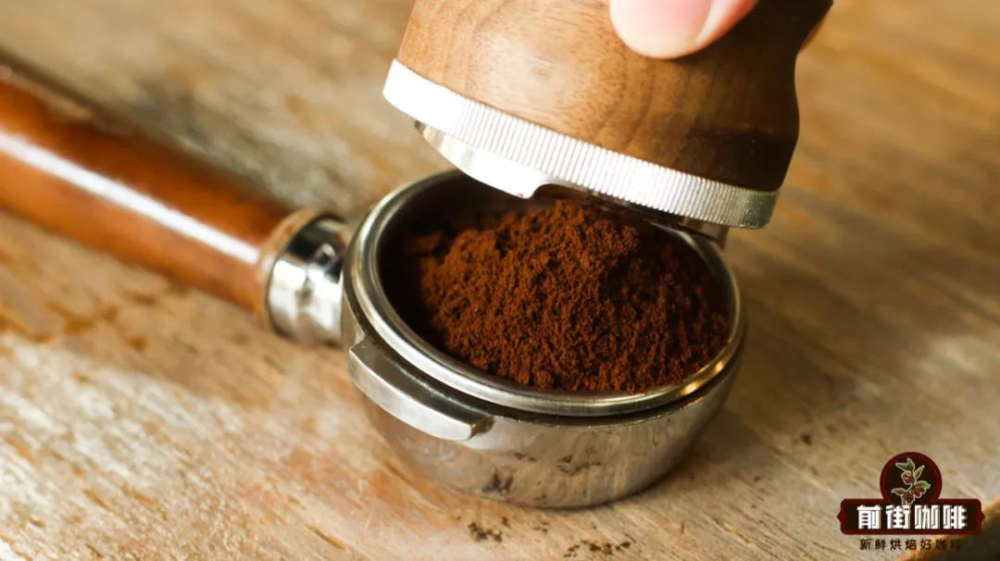
But as Front Street said, this technique truly requires constant practice to grasp its essence. So if you don't want to use your "money power" (to buy an auto-tamper), diligent honing is the best choice! And when we can perform distribution and tamping well, we can more easily make delicious espresso!
The above content is compiled by CoffeeHunters, a coffee news website.


