







Search Results for: pour-over coffee warming
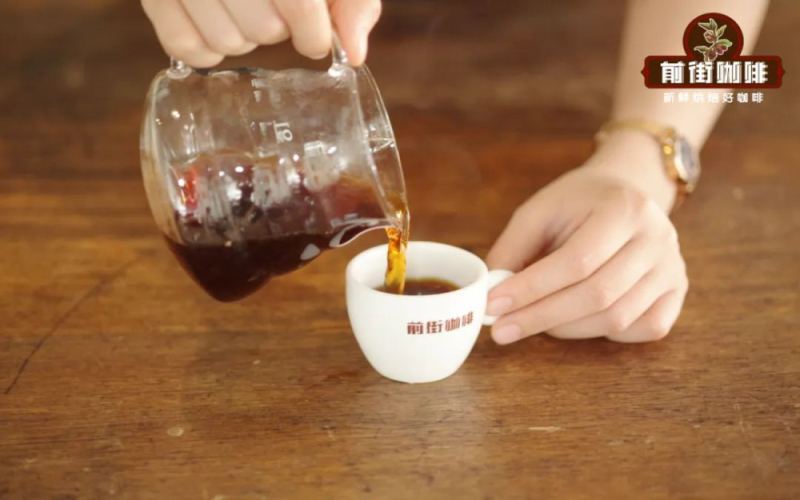
Do You Really Need to Preheat Your Cup Before Making Coffee? A Comprehensive Analysis of the Differences in Cup Warming Between Espresso and Pour-Over
In the process of coffee making, whether cups need to be preheated in advance has always been a topic of discussion among enthusiasts. For espresso, warming the cup is almost indispensable, because drinks such as espresso, latte, and cappuccino noticeably deteriorate in flavor after their temperature drops. The situation with pour-over coffee is somewhat different: it allows you to taste layered changes across different temperature ranges, and the serving temperature itself is relatively high, so whether to warm the cup depends more on the actual scenario and needs. This article will combine Front Street Coffee's practical comparisons to analyze in detail the respective effects of cup warming on espresso and pour-over coffee, and provide specific suggestions for different cup types, helping you make a more suitable choice in your daily brewing. [more…]

Should coffee cups be preheated before brewing? A practical guide to temperature control from espresso to pour-over
Many tea brewers are in the habit of first warming their cups and rinsing their teapots, believing this cleans the utensils, raises the temperature, and releases aroma. So in coffee making, is warming the cup equally necessary? Some feel it directly affects the flavor and mouthfeel of the entire cup, while others consider it optional. This article approaches the question from two angles—espresso and pour-over—and, taking into account practical factors such as serving temperature, cup wall material, and drinking scenario, analyzes the role and limitations of cup warming in different situations, and offers flexible suggestions. If you also care about how a cup of coffee changes in temperature from serving to sipping, read on. [more…]
Can Espresso Blend Beans Be Used for Pour-Over? From SOE and Blending Concepts to a Detailed Guide on Front Street Coffee's Warm Sun Brewing Parameters
Coffee has long become part of daily life, with espresso and pour-over each having their own followers. Many who have tried Front Street Coffee's latte or Americano are curious: where does that rich boozy aroma come from, and is it made with a Sherry SOE? In fact, the espresso served at Front Street locations uses the Sunflower Warm Sun blend rather than a single-origin bean. This article begins with how single-origin beans and SOEs magnify flavors, explains why espresso favors blends, and further answers a common question: can espresso blend beans be used for pour-over? The answer is of course they can. The article also provides Front Street's suggested pour-over parameters for the Sunflower Warm Sun blend, along with key points on resting and blooming, to help you capture this medium-dark roast blend's vanilla cream and berry dark chocolate notes. [more…]
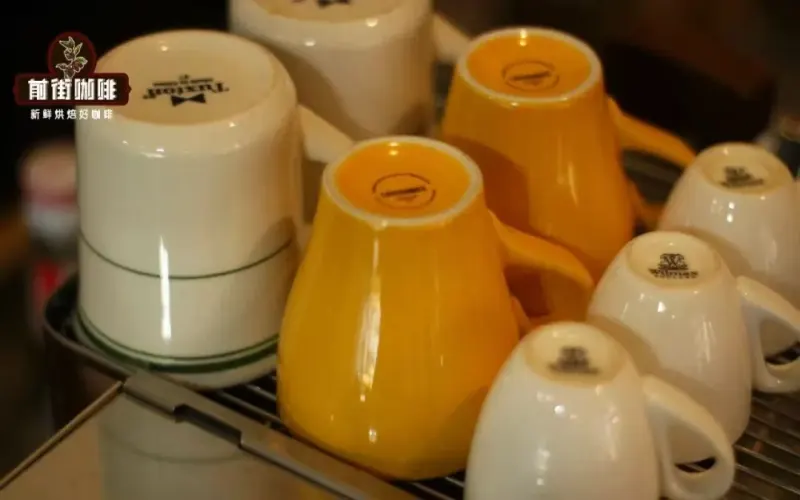
Do Pour-Over Coffee Cups and Carafes Need to Be Preheated? How Temperature Affects Flavor Presentation
When brewing coffee, should you preheat the cup and pot beforehand? This question has long been debated among coffee enthusiasts. Some believe that warming the cup slows down the cooling of the coffee, while others feel that not warming the cup actually allows you to taste the coffee's full flavor sooner. This article starts from the effect of temperature on the taste buds, combines it with specific brewing data, and analyzes the different tasting experiences brought by preheating versus not preheating the coffee cup and coffee pot. The article also uses the Front Street Coffee Dividing Line Sidra bean for a practical comparison, to see how the same coffee presents its aroma and flavor under the two conditions, helping you make a more suitable choice in different scenarios. [more…]
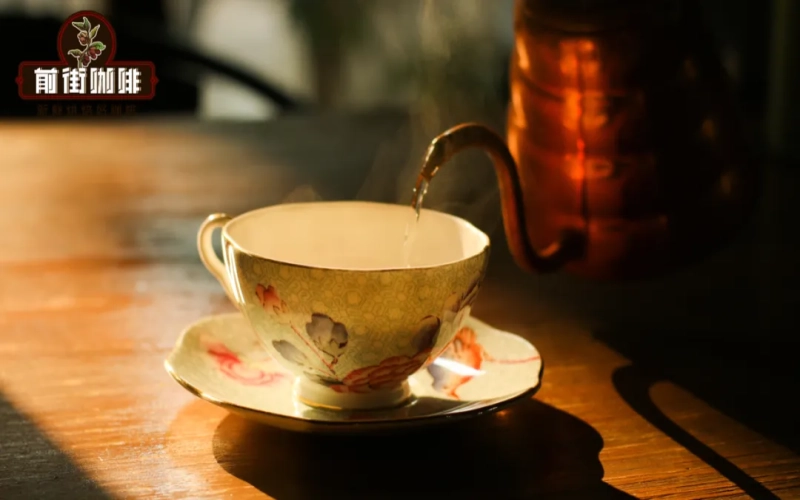
Examining the Necessity of Warming Coffee Cups: How Temperature Affects Flavor Perception and the Milk Temperature Requirements for Lattes
In recent years, there has been ongoing debate about whether the traditional practice of warming coffee cups is practical. Some believe that warming the cup is an unnecessary step, as the taste of coffee will not change due to the cup's temperature; others insist that warming the cup helps retain heat and prevents the coffee from being cooled by absorbing heat from the cup. Front Street Coffee points out that whether to warm the cup depends on the situation. Although the taste of coffee itself does not change with temperature, our ability to perceive flavor does change with temperature. For example, with pour-over coffee, after preheating the container, the extraction temperature is about 70°C, which is too hot to drink and the flavor is not obvious; when the cup is not warmed, it is about 65°C, which is palatable and rich in taste. Although the temperature difference between the two is small, the initial taste experience is completely different. So, is pour-over coffee better without warming the cup? What are the requirements for milk temperature in a latte? This article will provide a detailed analysis for you. [more…]
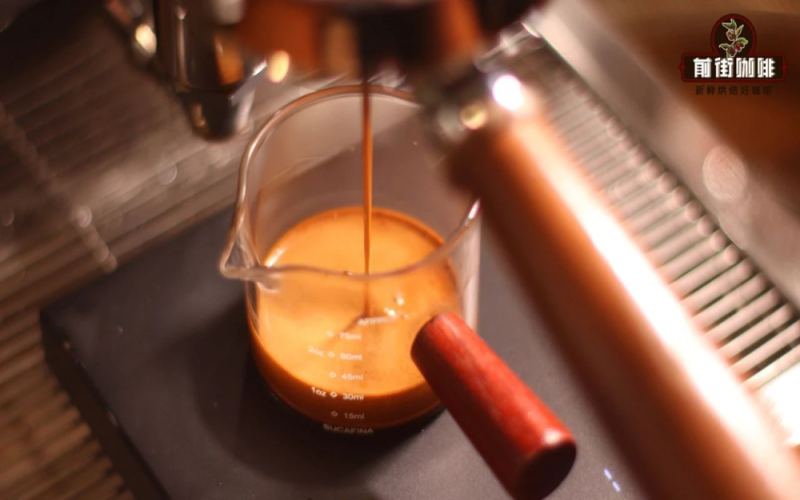
Can espresso blend beans be used for pour-over? Analysis of dark roast coffee flavor characteristics and Front Street Warm Sun blend
Many coffee enthusiasts encounter a question when selecting beans: Are coffee beans labeled as espresso blends and dark roast actually suitable for pour-over? To answer this question, we need to start with the classification of coffee roast levels. What exactly do terms like French roast, Italian roast, and City roast represent? What flavor characteristics correspond to different roast levels? From the perspective of Front Street Coffee, this article systematically sorts out the Agtron color values and drop timing for each roasting stage, and shares the development ideas, roasting curves, and espresso extraction plans for Front Street Sunflower Warm Sun Blend, helping you understand the differences in performance of dark-roasted beans in both pour-over and espresso scenarios. [more…]
Pour-Over vs. American Drip Machine: Which Makes Better Coffee? A Full Analysis of the Pros and Cons of Brewing Freshly Ground Black Coffee
Pour-over coffee and American drip coffee machines are quite similar in their brewing methods, both relying on steady drip filtration in a pressure-free environment. However, the differences between manual and machine brewing lead to distinctly different flavor profiles and suitable scenarios. Drawing on the production experience of Front Street Coffee, this article examines the key steps that influence pour-over flavor one by one—from cup warming and grinding to equipment combinations, blooming, and brewing—while also comparing the advantages and disadvantages of American drip machines, helping coffee enthusiasts understand why pour-over is more favored, as well as the details and timing control to pay attention to when practicing at home. [more…]
What Exactly Is Single-Origin Coffee? Differences from Espresso and the Truth About SOE
Many people mistakenly believe that single-origin coffee beans mean coffee beans of a single variety, but in fact it refers to coffee from the same origin or the same producing region. And SOE (Single Origin Espresso) is not a more premium choice than a blend. This article will clarify the essential differences between single-origin coffee and espresso from the perspectives of extraction principles, roast level, and output consistency, and explain why Front Street Coffee does not serve SOE in its stores, as well as the recipe approach and usage of Front Street Sunflower Warm Sun espresso blend beans, helping coffee enthusiasts build a more accurate understanding. [more…]
How to taste Yirgacheffe SOE espresso? An analysis from extraction parameters to flavor performance in americano and latte
In recent years, the specialty coffee wave has gradually spread from the pour-over domain to espresso, and more and more cafés have begun using single-origin coffee beans on their espresso machines—a practice known as SOE (Single Origin Espresso). However, SOE is not simply a matter of moving pour-over beans onto an espresso machine—the roasting requirements for pour-over and espresso are completely different, and lightly roasted beans pulled directly as espresso tend to taste sharply acidic. Using the Yirgacheffe Red Cherry from Front Street Coffee's Warm Sun blend as an example, this article shares SOE extraction parameters, as well as the flavor characteristics after being made into americano and latte, to help coffee lovers understand the correct way to drink single-origin espresso and its mouthfeel performance. [more…]
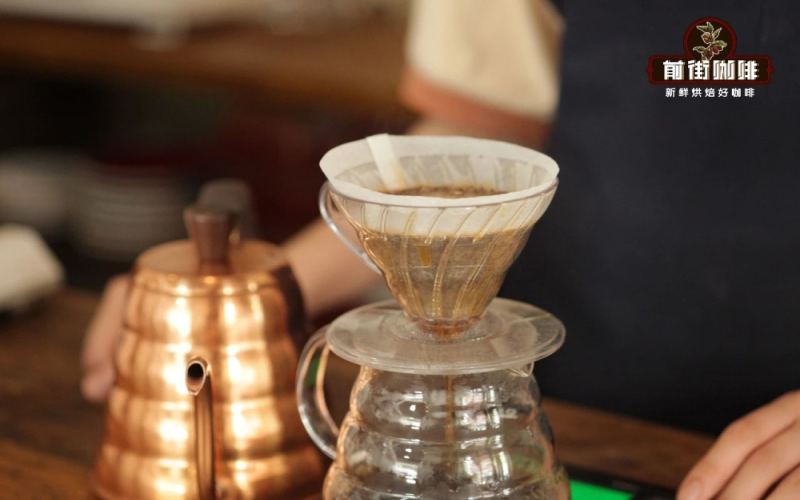
Freshly Ground Black Coffee | Is Pour-Over Coffee Better Tasting Than Plain Coffee Made with an American Coffee Machine? What Factors Affect the Flavor of Pour-Over Coffee?
Pour-over coffee is becoming more and more common. Besides the many people who try their hand at brewing pour-over coffee at home, many others buy coffee machines, such as American-style drip coffee makers. This kind of coffee machine is very similar to pour-over coffee: both rely on a slow, steady drip without high pressure. The difference between them is that one is manual, while the other [more…]
Can Espresso Blend Beans Be Used for Pour-Over? Key Tips and Parameters for Making Lattes with Single-Origin SOE
Coffee has long become part of daily life, an invigorating drink many people can't do without. From espresso to the seemingly refined pour-over, there are all sorts of ways to make it. Front Street often uses the Sunflower Warm Sun blend beans when producing espresso, and is often asked: can espresso blend beans be used for pour-over? How should you drink a latte made with a single-origin SOE? This article will start with the difference between single-origin beans and blend beans, explain why SOE can amplify the flavors of a growing region to the extreme, and also explain why espresso favors blends, along with the specific parameters and brewing steps for Front Street's Warm Sun blend pour-over, helping you both understand the principles and get hands-on. [more…]
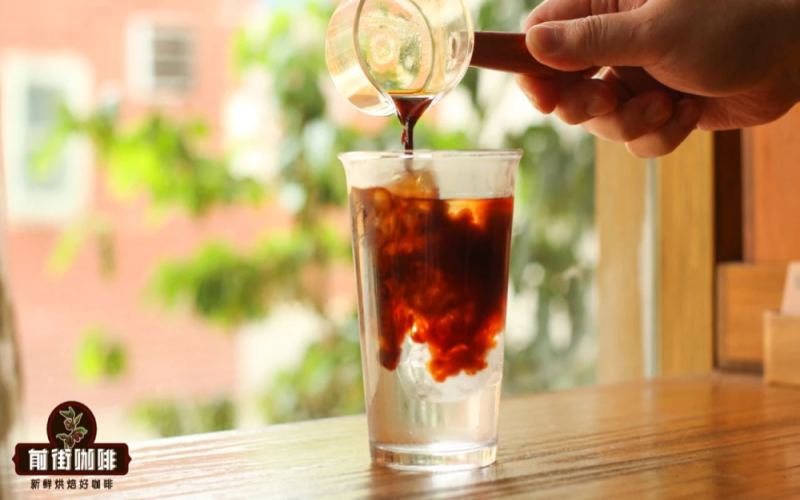
American Coffee Bean Recommendations | Which Coffee Beans Make American Black Coffee Not Sour? Should Pour-Over Coffee and American Coffee Be Drunk Hot or Cold?
This article is a Americano brewing tutorial from Front Street Coffee (FrontStreet Coffee). Before the article begins, let me first explain what espresso is, what Americano is, what pour-over is, and what black coffee is. Espresso refers to the concentrated liquid extracted by an espresso machine, most [more…]
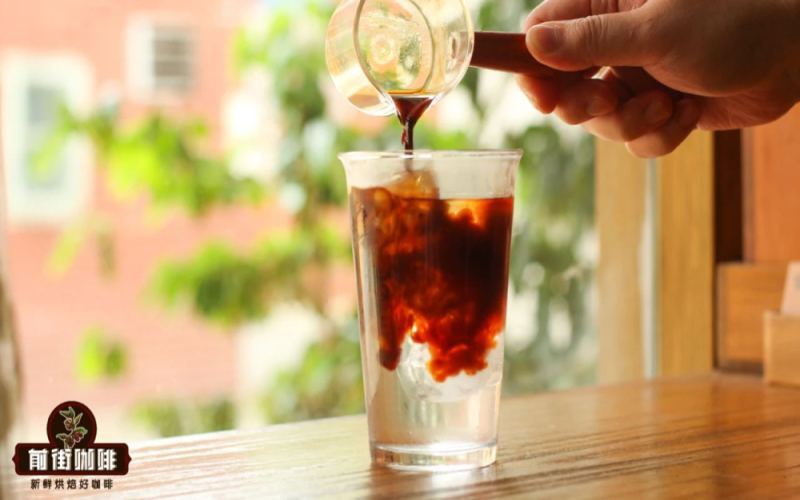
How to Choose Americano Coffee Beans That Aren't Sour? A Full Analysis of Hot vs. Cold Differences and Pour-Over Comparison
When many people drink Americano, their biggest concern is whether it is sour or bitter, and this is actually closely related to the choice of coffee beans, the extraction method, and the drinking temperature. Starting from Front Street Coffee's brewing experience, this article systematically sorts out the relationship between espresso and Americano, explains in detail the differences in flavor expression between hot Americano and iced Americano, analyzes the common reasons why Americano tastes bitter, and compares pour-over and SOE Americano made separately from the same Costa Rica Mozart coffee beans. Finally, according to different needs, it introduces the characteristics of several Front Street espresso blend coffee beans to help you find the Americano beans that suit your taste. [more…]
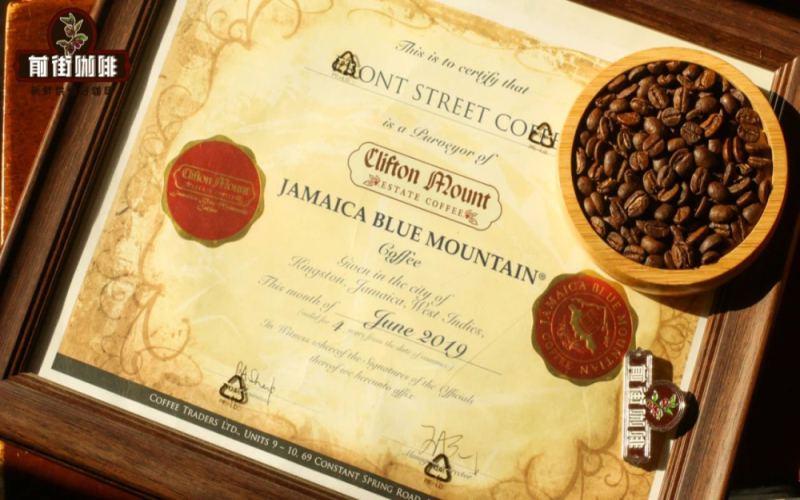
Step-by-step Guide to Brewing Jamaican Blue Mountain Coffee Pour-Over, with Detailed Coffee-to-Water Ratio, Plus Front Street Blue Mountain Flavor Description
Want to brew an authentic cup of Jamaican Blue Mountain coffee at home? This article documents a complete pour-over process in detail, from folding the filter paper and warming the cup to blooming and staged pouring, with specific parameters and technique explanations for every step. It also introduces the current availability of Front Street Blue Mountain coffee in China, its advantage of an affordable price, and the background of the authorization source for Blue Mountain coffee beans. On key aspects such as water temperature control, pouring rhythm, and coffee-to-water ratio, the article provides clear data references, and finally shares the layers of flavor—nuts, cream, cocoa, and more—that Front Street Jamaican Blue Mountain coffee presents on the palate, making it suitable reading for enthusiasts who want to understand the finer details of brewing Blue Mountain coffee by pour-over. [more…]
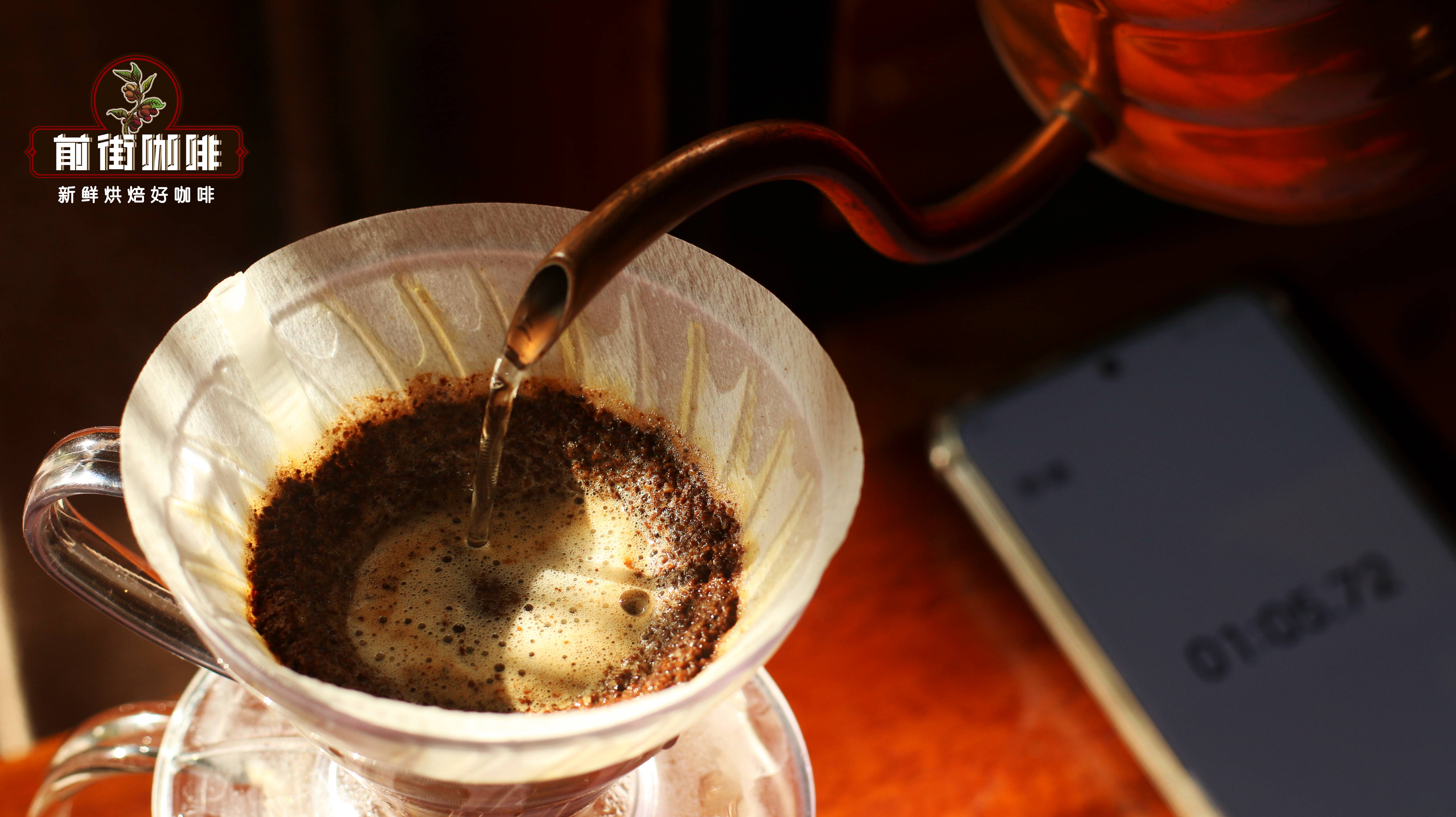
Is Pour-Over Coffee the Same as Americano? A Detailed Explanation of the Coffee-to-Water Ratio and How to Order Pour-Over at Starbucks
Many people conflate pour-over coffee with Americano, but the two actually differ significantly in both brewing method and flavor profile. Starting from Front Street Coffee's brewing experiments, this article explores the practical impact of the coffee-to-water ratio on flavor, comparing how coffee concentration and extraction yield change under different ratios. It also outlines the definition and traditional ratios of Americano, and, drawing on the practice of Front Street Coffee's Sunflower Warm Sun blend, explains how to find the Americano ratio suited to a particular coffee bean. It then compares the taste differences between espresso and Americano, and finally offers tips for ordering pour-over coffee at Starbucks. [more…]
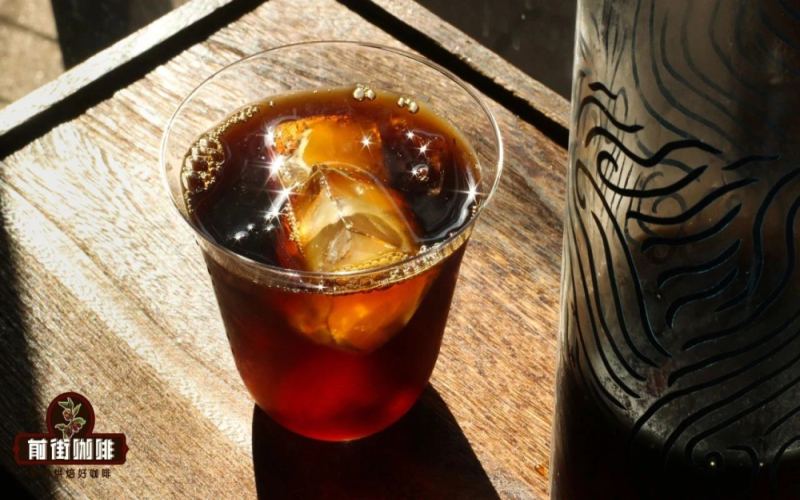
Warm Water Cold Brew Makes Coffee Sweeter: A Complete Guide to Making Cold Brew Coffee at Home
To enjoy a cup of cold brew coffee with outstanding sweetness at home, you actually don't need expensive equipment. Using 50 grams of coffee grounds as a baseline, Front Street Coffee shares the complete parameters from grind size and coffee-to-water ratio to refrigeration extraction time. Even more worth trying is using 40°C warm water instead of room-temperature water to make cold brew coffee—by relying on molecular thermal motion to accelerate the release of sweet and sour compounds, then transferring it to a low-temperature environment to inhibit the extraction of bitterness, you can get a full-bodied berry juice sensation and caramel sweetness in just 4 to 5 hours. This article records in detail the steps for warm-water cold brew, flavor comparisons, and storage suggestions, making it a useful reference for every enthusiast who enjoys refreshing cold coffee. [more…]
How Should You Set the Water Temperature for Pour-Over Coffee? A Detailed Guide to the Ideal Brewing Temperature for Coffee Beans of Different Roast Levels
Brewing a good cup of coffee—water temperature is one of the key variables. This article uses pour-over coffee as an example to systematically explain the complete process from warming the cup and grinding the beans to blooming and brewing, and focuses on analyzing the optimal water temperatures corresponding to coffee beans of different roast levels. Deep-roasted charcoal coffee and medium-dark-roasted Front Street Blue Mountain have obvious differences in grind size and water temperature settings. The article also provides specific operational details on calculating coffee dose, equipment pairing, and blooming and brewing, helping coffee enthusiasts reliably reproduce a balanced cup of pour-over coffee at home. [more…]
Can Warm Milk Extract Coffee? A Comparative Test of Three Coffee Beans to Help You Make Smooth Milk-Brewed Coffee
What kind of flavor performance would using warm milk instead of cold water to extract coffee bring? Front Street Coffee conducted a comparative experiment with three beans of different roast levels and found that the medium-roast bean, when soaked in warm milk, had both fruity aromas and chocolate notes, and its mouthfeel was the most appealing. But the experiment also revealed the problem that a milk temperature of 40°C combined with a granulated sugar grind size and a 3-hour soak easily led to over-extraction. For this reason, Front Street adjusted the plan, shortening the time to 1.5 hours and switching to Ethiopian Santa Vini beans, obtaining a smooth milk coffee interwoven with honey, pineapple, and cream biscuit notes. This article fully records the experimental process and tasting results, providing a reference for enthusiasts who want to try milk-extracted coffee. [more…]

Cold Brew Shelf Life | How to Brew Cold Brew Coffee for Better Taste? Is Cold Brew Coffee Made with Warm Water Tastier? Introduction to Cold Brew Ratios and Parameters
For more specialty coffee knowledge, please follow: Front Street Coffee (Frontsteet Coffee). If you want to drink cold brew coffee but don't want to go out and buy it, then Front Street Coffee (FrontStreet Coffee) is here to teach you how to make cold brew coffee at home. Cold brew coffee is a [more…]
Analysis of the Flavor Differences Between Iced Americano and Hot Americano: Front Street Coffee Teaches You the Correct Way to Make Americano
As the specialty coffee wave advances, more and more people are paying attention to the flavor expression of coffee itself. As an important member of the black coffee family, Americano, because it adds no milk, can more directly present the regional characteristics of the coffee beans. The same beans, made into a hot drink or a cold drink, will bring completely different sensory experiences. Starting from the production practices of Front Street Coffee, this article analyzes in detail the differences between iced Americano and hot Americano in terms of aroma, acidity, sweetness, and more, and shares the specific parameters and steps for making Americano in the shop, helping coffee lovers recreate a cup of richly layered Warm Sun Blend Americano at home. [more…]