







Do Coffee Machines and Pour-Over Need the Same Cup Warming?
Warming the cup matters most for espresso drinks made on coffee machines. Espresso, hot latte, and cappuccino taste good when hot but turn acidic and thin as they cool. In a side-by-side test, two shots from the same split-spout extraction were placed in a warmed cup and a room-temperature cup; after two minutes the warmed one still tasted hot and full, while the other had gone warm and sharp.
Pour-over behaves differently because it is brewed at a higher temperature and is meant to be tasted as it cools through different layers, so preheating depends on the situation. Milk drinks, including the italian latte, need heat most: milk is steamed to 55-65°C and the finished drink sits near 60°C, so an unwarmed thick ceramic cup drains heat and flattens the foam.
In the process of making coffee, whether to preheat the cup in advance has always been a topic of discussion among enthusiasts. For espresso coffee, warming the cup is almost indispensable, because drinks such as espresso, latte, and cappuccino noticeably deteriorate in flavor after their temperature drops. The situation with pour-over coffee is different: it can be enjoyed for layered changes across different temperature ranges, and the brewed temperature itself is also relatively high, so whether to warm the cup depends more on the actual scenario and needs. This article will combine Front Street Coffee's practical comparisons to analyze in detail the respective effects of cup warming on espresso coffee and pour-over coffee, and provide specific suggestions for different cup types, helping you make a more suitable choice in your daily brewing.
For the espresso coffee series, warming the cup is crucial. Because common espresso drinks such as espresso, hot latte, and cappuccino share one characteristic: they taste very good when hot, but once they cool down, the taste and mouthfeel become less enjoyable, and once cold, they are hard to drink. Therefore, for espresso coffee, heat retention is very important.
Front Street used a split spout handle to extract two shots of espresso, one of which was placed in a warmed cup, and the other in a room-temperature cup. After 2 minutes, there was no visible difference on the surface of the two coffees, but when tasting, the coffee in the warmed cup was still hot, with good flavor and mouthfeel; the coffee in the room-temperature cup had already become warm, had developed acidity, and was slightly lacking in mouthfeel.
The coffee cups used for hot latte and cappuccino are generally thick-walled ceramic cups, because this type of hot milk coffee needs heat retention even more.
The milk used to make milk coffee is generally steamed to a temperature controlled at 55-65°C (too high will denature the proteins); so the temperature of the finished milk coffee is about 60°C. If the ceramic cup is not warmed, the ceramic cup itself will absorb part of the coffee's heat, causing the milk coffee's temperature to be lower, making the lactose sweetness of the milk coffee less pronounced.
Moreover, the relatively rapid cooling also accelerates the stratification and collapse of the milk foam, affecting the mouthfeel.
Italians place great importance on warming cups. Basically, semi-automatic coffee machines made in Italy are equipped with a cup-warming area, that is, stacking coffee cups on top of the coffee machine and using the heat emitted by the boiler to warm the cups.
For pour-over coffee, however, warming the cup is not necessarily required, and more often it depends on the situation. Pour-over coffee is different from espresso coffee (milk coffee). First, pour-over coffee can be tasted for flavor at high, medium, and low temperatures. Second, freshly brewed pour-over coffee has a temperature of over 70°C, which is relatively high.
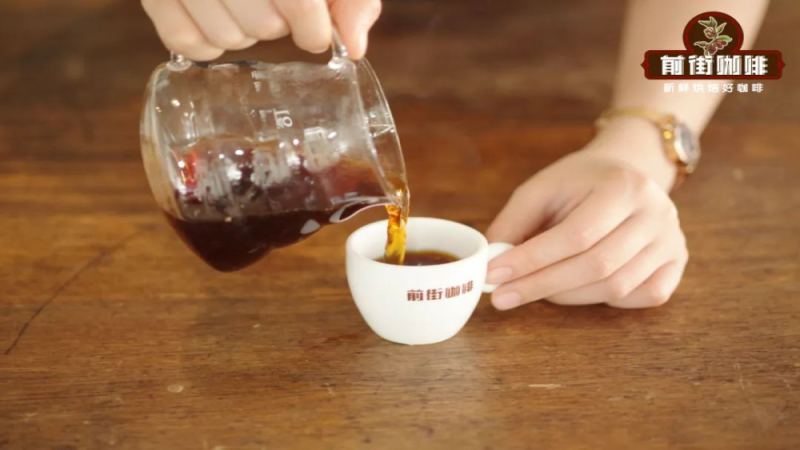
Taking Front Street's service as an example, Front Street's sharing pot is always preheated when brewing coffee, so the brewed coffee is relatively hot. If a customer is sitting at the bar, Front Street will not warm the cup when using a small cup, so that when the high-temperature coffee is poured into the cup, it is just at a suitable drinking temperature and will not scald the customer.
If bone china cups are used, Front Street will preheat the cups with hot water in advance. The main reason is that bone china cups have a wider opening and dissipate heat faster, and heat is also lost during the process of pouring all the coffee into the cup, so heat retention is still the priority.
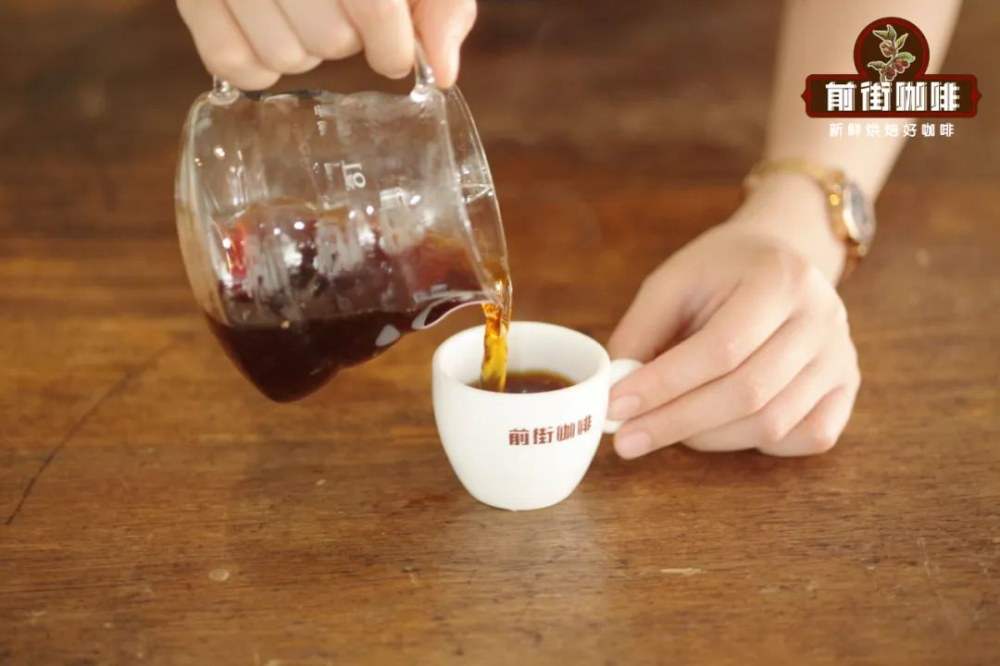
Some friends have also shared their experiences. In the past, he was very superstitious about warming cups, and often after freshly brewed coffee was poured into the cup, it was so hot that it burned his mouth, and he had to wait one or two minutes before taking the first sip. Later, he became more open-minded. Now he pours freshly brewed coffee directly into a room-temperature cup, so he can take a sip immediately without losing temperature.
Therefore, for pour-over coffee, warming the cup is not essential; it depends more on considering the actual situation and needs.
The above content is compiled by CoffeeHunters, a coffee news website.


