








Why Preheating Coffee Cups Matters for Flavor
Preheating a coffee cup before pouring your brew is a simple step that preserves temperature and taste. When hot coffee meets a cold ceramic or glass cup, the liquid loses heat rapidly. This drop can flatten aromatics and make the coffee taste dull. For espresso, a cold cup especially harms the crema and body. Most baristas preheat cups with hot water or place them on top of the espresso machine. The National Coffee Association notes that proper temperature control is key to a good cup.
The method depends on your brewing style. For drip coffee machine how to use instructions often overlook preheating, but it's easy: run hot water into the carafe or cup beforehand. For pour-over, rinse the filter with hot water and pour that into your cup to warm it. For cappuccino or latte, the milk foam and espresso difference means the cup should be warm but not hot. A preheated cup keeps your drink at the ideal drinking temperature longer.
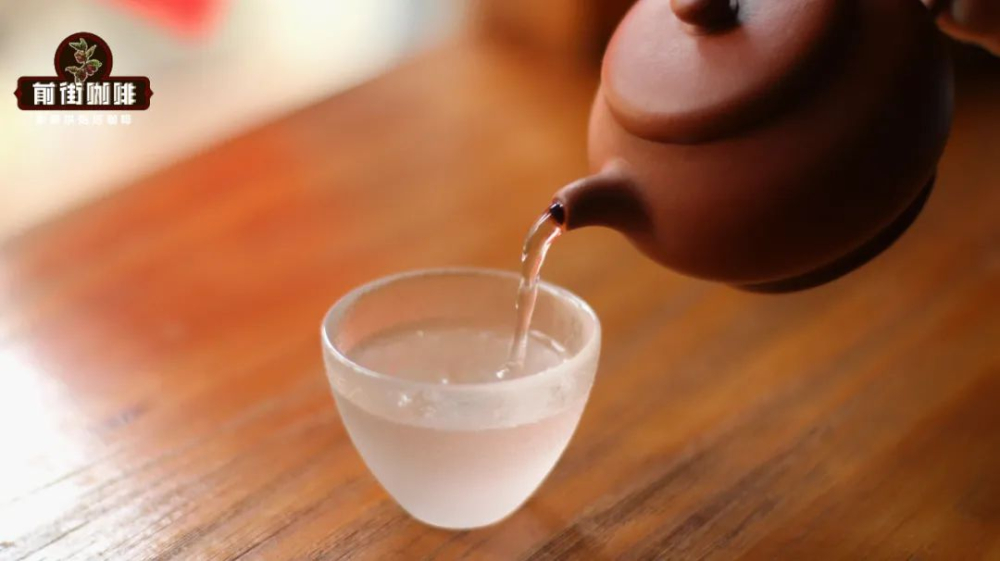
Many tea drinkers habitually warm their cups and rinse their teapots first, believing this cleans the utensils, raises the temperature, and releases aroma. So in coffee making, is warming the cup equally necessary? Some think it directly affects the flavor and mouthfeel of the entire cup, while others consider it optional. This article approaches the question from two angles—espresso and pour-over—combining practical factors such as serving temperature, cup wall material, and drinking scenario to analyze the role and limitations of cup warming in different situations, and offers flexible suggestions. If you also care about how a cup of coffee changes temperature from serving to sipping, read on.

Warming cups and rinsing teapots is a habitual action almost every tea drinker has. People believe it not only cleans and sanitizes the utensils and raises the temperature of cup and pot, but also makes the brewed tea release its aroma more easily.
In coffee making, warming the cup is likewise a subtle step many people take for granted, believing it affects the flavor and mouthfeel of the entire cup. However, some consider it optional—warming or not makes no difference. So for coffee, is warming the cup truly a necessary step?
In espresso, for regular drinks like espresso, hot latte, flat white, and cappuccino, enjoying them hot delivers a burst of aroma and a rich, delicate mouthfeel. Once cooled, not only does the aroma fade dramatically, but the mouthfeel turns dull and rough; when completely cold, it becomes downright unpleasant, nothing like its performance at medium-to-high temperatures. Therefore, for espresso, it's important to adjust to room temperature and serve at just the right temperature.
Take the most popular hot latte: baristas typically control the milk temperature at 55–65°C when serving, and after combining with espresso, the finished drink lands roughly at 50–60°C—the optimal temperature range for milk coffee flavor and for latte art patterns to last longer.
Since cups for hot milk coffee are usually thick-walled ceramic with stronger thermal conductivity, if the cup sits at room temperature, it will absorb some of the coffee's heat, making the milk coffee cooler and the lactose sweetness less pronounced. And if you happen to be in a place where long sleeves are in season, then at a lower room temperature, the coffee's temperature drops and the milk foam collapses even faster.
So many cafés stack their spare coffee cups neatly on top of the espresso machine, using the heat from the boiler to warm and keep them hot. Especially in autumn and winter, baristas use them directly for dine-in service.
But if you're still wearing short sleeves and the indoor temperature is above 25°C, the cups preheated on the espresso machine may already be "too hot to handle." Using them for hot milk coffee then makes it uncomfortable to hold while doing latte art, and the overly hot cup wall affects the mouthfeel when drinking. In this case, rather than risk burning yourself, Front Street Coffee suggests briefly rinsing the inside of the cup with hot water, which effectively reduces heat loss from the coffee.
Unlike espresso, whenever pour-over is mentioned, we emphasize its layered flavors at high, medium, and low temperatures. Whether to warm the cup depends on the shape and size of the cup you use for the coffee.
The high-temperature range for pour-over coffee is about 50–70°C; above 70°C it's actually too hot for the mouth, making it hard to taste the flavors. Most people find it difficult to distinguish subtle differences between coffees in the high-temperature range—for example, fruit-acid beans are hard to tell apart at high heat, but you can immediately tell that a bean has a fruit-acid profile.
The medium-temperature range, roughly 35–50°C, is generally where detailed flavors are appreciated. At this temperature you can taste many nuanced flavors, and it's also the range where perception of sweetness and acidity is most sensitive. The low-temperature range is about 35°C down to room temperature, where negative flavors easily emerge.

For example, when Front Street Coffee brews with 90 °C hot water and preheats the server to the same temperature, once dripping finishes, the coffee is about 70–75°C. If you pour the slightly hotter coffee into a small room-temperature cup, it just cools down enough not to burn you, while the temperature at the lips reaches the range where flavor perception is most sensitive.
If, however, the coffee is held in a wide-mouthed, large-capacity cup, it loses heat faster than a server. In that case, we can take a cue from the Cantonese pre-meal ritual of "rinsing the bowl" with boiling water to help keep the coffee warm.
In summary, for coffee making, warming the cup is not essential, but to enhance the drinking experience, we can decide whether and how to warm the cup based on actual circumstances.
- END - Front Street Coffee
No. 10, Bao'an Qian Street, Yandun Road, Dongshankou, Yuexiu District, Guangzhou, Guangdong Province
The above content is compiled by CoffeeHunters, a coffee news website.


