







What Does SOE Mean in Coffee and How Should an SOE Latte Be Made?
Espresso blend beans can be used for pour-over, but the cup will taste different from a single-origin pour-over. Blends are built to taste balanced under 9 bar of pressure, so they tend to read heavier and less aromatic when brewed by hand. Single-origin beans brewed as espresso are called SOE, short for Single Origin Espresso.
An SOE latte amplifies one region's character: a Yirgacheffe pulled as SOE coffee beans keeps its floral, acidic notes even through milk. Because espresso extraction concentrates origin flavor, blends exist to smooth that intensity, while single-origin beans push it forward. Adjust grind, dose, and ratio to keep the shot from turning sharp or muddy.
Coffee has long become part of daily life, an indispensable pick-me-up for many. From espresso to the seemingly refined pour-over, there are countless ways to make it. Front Street often uses the Sunflower Warm Sun blend when producing espresso, and is frequently asked: can espresso blend beans be used for pour-over? How should a single-origin SOE latte be enjoyed? This article will start with the differences between single-origin and blend beans, explain why SOE can amplify a region's flavors to the extreme, and also explain why espresso favors blends. It also includes the specific parameters and brewing steps for Front Street's Warm Sun blend pour-over, helping you both understand the principles and get hands-on.
As the coffee industry has developed, coffee is no longer a distant, high-end beverage, but has instead become an everyday drink for office workers to perk up. As people drink more, the variety available has grown richer, with different brewing methods: there are espresso-based coffees, and there are also the seemingly more refined pour-over coffees.
When Front Street makes espresso, the espresso beans chosen are the Sunflower Warm Sun espresso blend beans. When friends want to buy espresso beans, Front Street usually recommends espresso blend beans rather than single-origin coffee beans. Let's now discuss why most espresso uses blend beans.
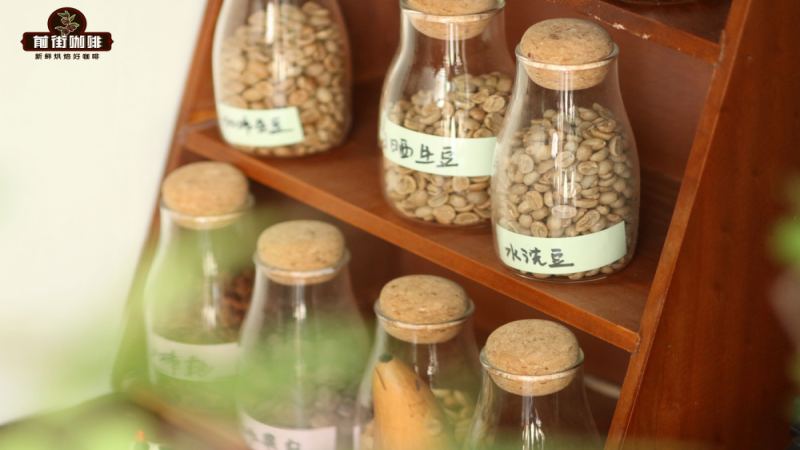
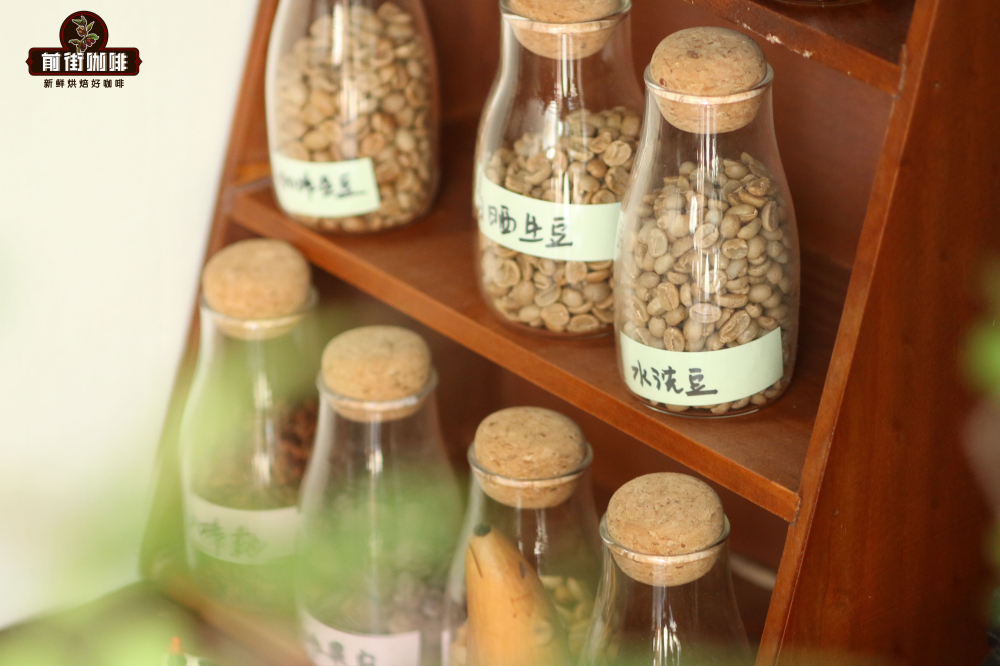
Single-origin coffee beans usually refer to coffee beans from a single region. If single-origin beans are used to extract espresso, this is what everyone calls SOE coffee. SOE is short for Single Origin Espresso, meaning single-origin espresso.
Coffee beans are essentially an agricultural crop; grown in different places, they develop different flavors due to the local climate and environment. This is also why connoisseurs who prefer acidity tend to choose Ethiopia or Kenya.
However, the extraction principle of espresso is: in a very short time, using nearly boiling hot water at about 9 bar of high pressure to pass through a tightly packed fine coffee puck, thereby squeezing the essence liquid out of the coffee grounds.
Anyone who has drunk straight espresso will probably remember that taste for a long time, because this brewing method amplifies the coffee bean's original flavor characteristics.
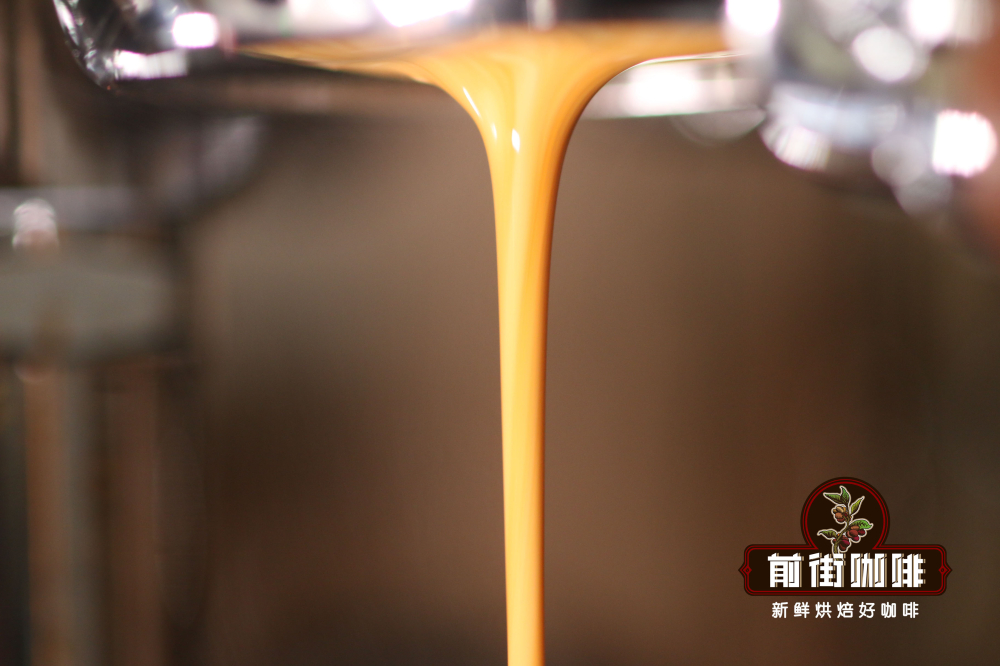
This means that when Ethiopian Yirgacheffe coffee beans are used as SOE coffee beans to extract espresso, Yirgacheffe's originally crisp citrus notes, after being pressed under the high pressure of an espresso machine, may produce a golden essence liquid that is especially prominently sour.
For another example, when Front Street uses Indonesian Mandheling as SOE coffee beans to make espresso, Mandheling's original herbal and earthy notes are further amplified, and the espresso may taste as bitter as strong Chinese medicine.
Precisely because SOE coffee beans can amplify the flavor of a single region to the extreme, they can win temporary praise from many coffee enthusiasts. But getting a delicious cup of SOE is not simple, and the requirements for coffee bean roasting are also quite strict: if you want to taste the regional flavor, you cannot roast too dark; roasting too light easily causes imbalanced acidity, while roasting too dark covers up the bean's original origin flavors.
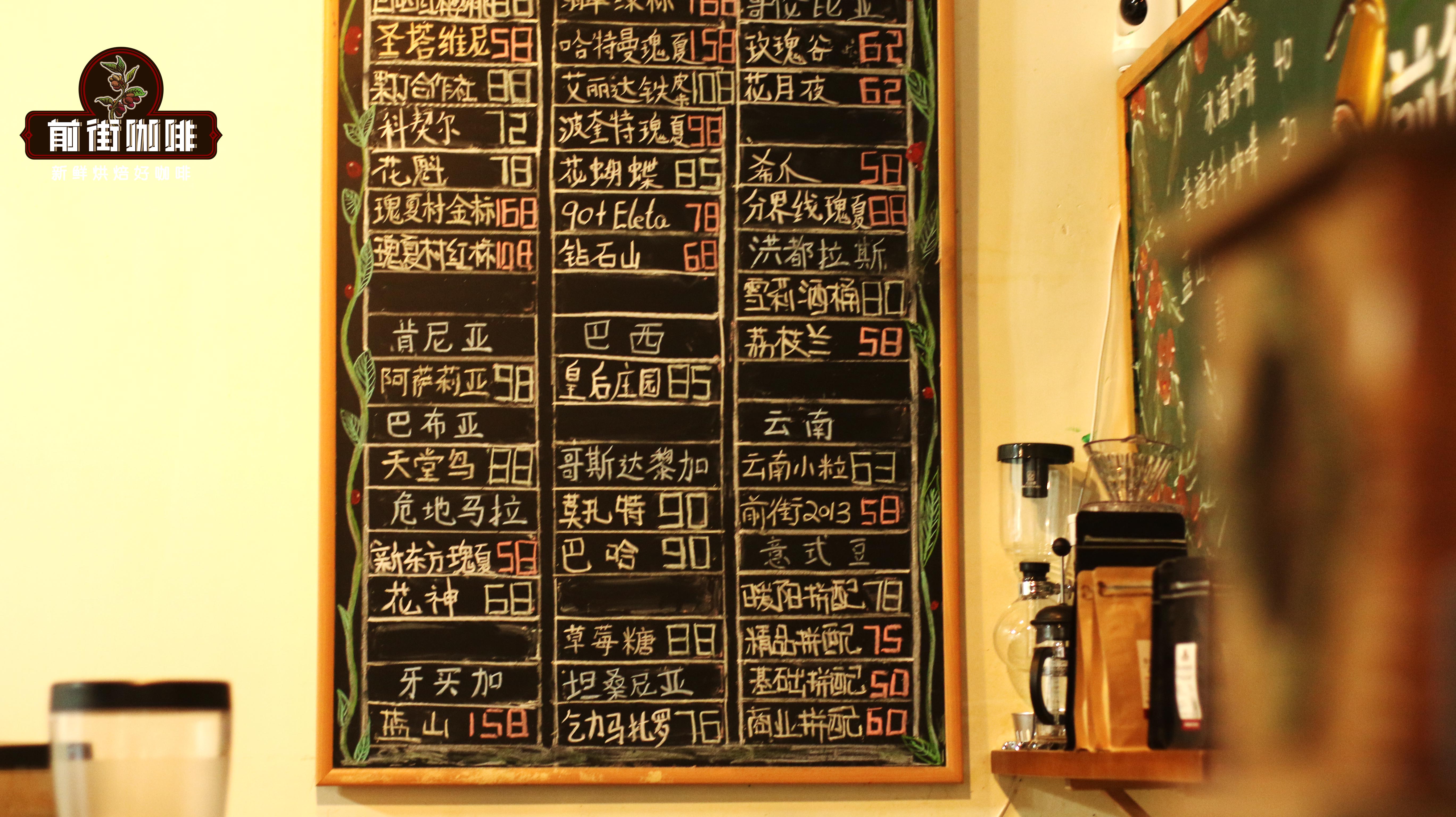
Espresso emphasizes balance between acidity and bitterness and a rich mouthfeel, so in choosing espresso beans, blends are usually the main choice, combining two or more coffee beans of different varieties, different regions, and different processing methods, so that the different beans can make up for each other's shortcomings.
Different blending ratios express different flavors and characteristics. Front Street's approach to formulating espresso blend coffee beans is a balance of sourness, sweetness, bitterness, sweetness, aroma, and richness, so that each extraction can be presented stably, making it very suitable for beginners. This is also why it is said that for first-time makers, it is best to prioritize espresso blend beans: if you like rich crema, buy Front Street. Front Street Classic Blend; if you want balanced flavor, you can try the espresso bean recommended by many baristas - Front Street Black Cocoa Blend; if you favor floral and fruity notes, Front Street. Strawberry Candy Espresso is recommended...
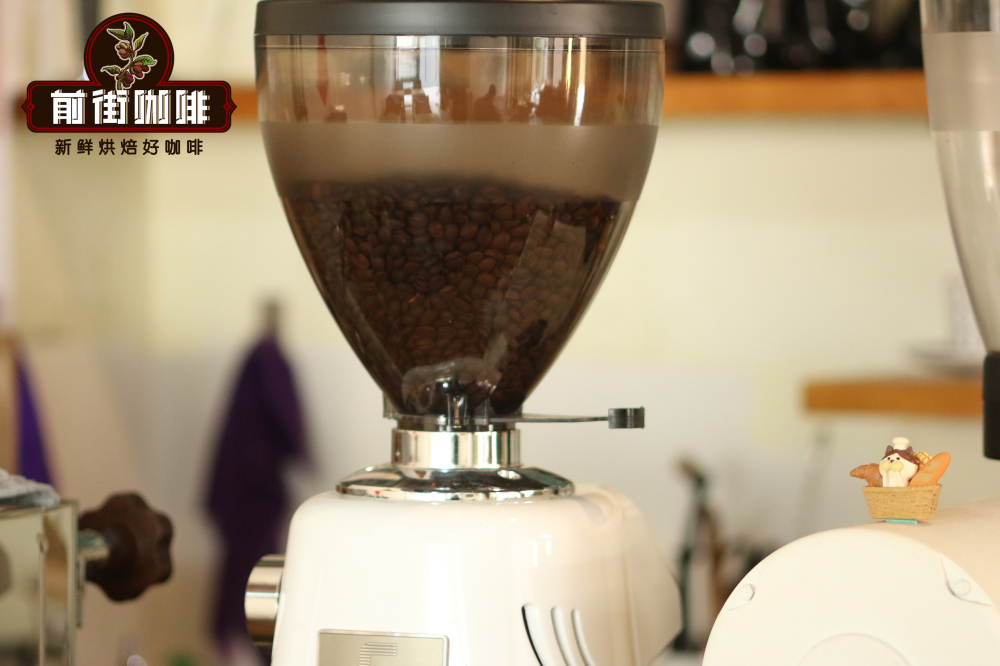
Before producing coffee each day, Front Street baristas adjust the various parameters of espresso extraction according to the day's temperature and humidity. After adjustment, Front Street uses the Galileo Q18 espresso coffee grinder, with a grind setting of 1.5, grinding 19.7 grams of coffee grounds, and brews with a Lelit Bianca V3 espresso machine, taking 30 to 32 seconds to extract 38 to 40 grams of espresso liquid.
If you want an Americano, simply add the extracted SOE espresso at 1:4 to 160 warm water or ice water, and you get a black coffee with a refreshing mouthfeel yet still rich aroma; if you like lattes, you can add 200ml fresh milk at a 1:5 ratio, turning it into a smooth and delicate SOE latte.
Front Street has met many coffee enthusiasts who mainly drink espresso but occasionally also drink pour-over. So, can espresso blend coffee beans be used for pour-over? Of course they can. Because after blending, the flavor is more balanced; you just need to adjust the parameters appropriately according to the roast level.
Front Street's can likewise be used to make pour-over coffee. Since the roast level is medium-dark, Front Street recommends brewing with the following parameters:
Dripper: KONO
Water temperature: 88°C
Dose: 15 grams
Coffee-to-water ratio: 1:15
Grind level: 80% passing rate on China standard No. 20 sieve
First pour 30 grams of hot water and bloom for 30 seconds, then pour from the center with a fine stream in slow circles to 125 grams for the first stage. When the water level in the dripper drops to just before exposing the coffee bed, continue pouring in circles to 225 grams. The total extraction time is about 2 minutes.
Because the coffee beans are roasted darker, after roasting the internal structure of the beans is looser and there is more gas. Front Street recommends first going through a 4- to 7-day resting period to let the coffee flavor stabilize before brewing. During brewing, the bloom allows the coffee grounds to release gas after contact with water, prompting carbon dioxide in the particles to escape, thereby extracting the good flavor compounds more completely.
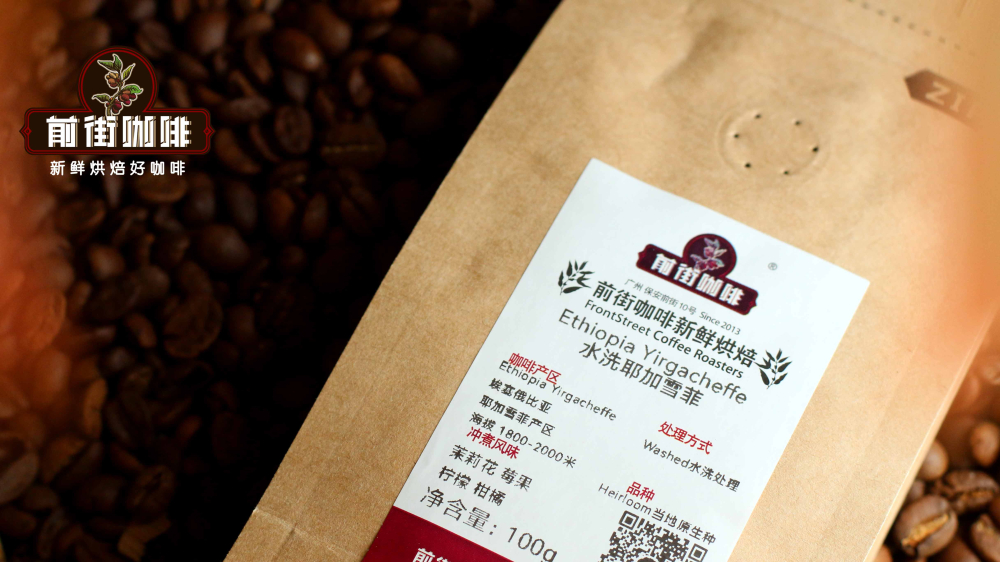
This Front Street Warm Sun blend coffee bean, brewed with the above parameters, comes out with overall balanced acidity and bitterness and a full body.
The above content is compiled by CoffeeHunters, a coffee news website.


