







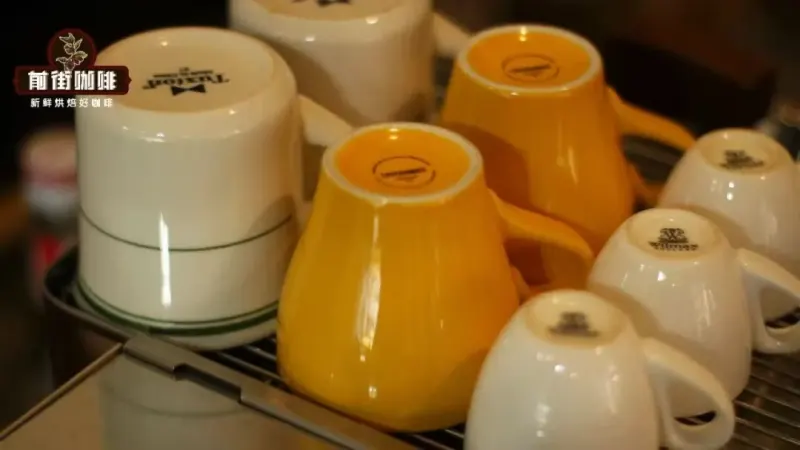
How does cup temperature affect hand poured coffee flavor?
Preheating the cup and carafe is not required for hand poured coffee — the better choice depends on what you want in the cup. A preheated vessel has already stored heat, so it takes little warmth from the brew and the coffee stays hot noticeably longer. An unpreheated cup keeps pulling heat from the coffee until the two reach similar temperatures, which brings the liquid toward room temperature, where taste buds pick up its full flavor most clearly.
The debate matters because taste buds work differently across temperatures: when coffee is very hot or quite cold, they miss much of its bitterness and acidity, so the cup often reads as simply sweet. Near room temperature, aroma and taste line up, making a coffee's overall character easier to sense. A side-by-side brew of a Front Street Coffee Dividing Line bean, one into a warmed vessel and one into a room-temperature cup, shows how different the same coffee can taste.
When brewing coffee, should you preheat the cup and pot beforehand? This question has long been debated among coffee enthusiasts. Some believe that warming the cup slows down the cooling of the coffee, while others feel that not warming the cup actually allows you to taste the coffee's full flavor more quickly. This article will start from the effect of temperature on the taste buds, combine specific brewing data, and analyze the different tasting experiences brought by preheating versus not preheating coffee cups and coffee pots. The article will also use Front Street Coffee's Dividing Line Xizhua bean for a practical comparison, to see what aroma and taste the same coffee presents under the two conditions, helping you make a more suitable choice in different scenarios.
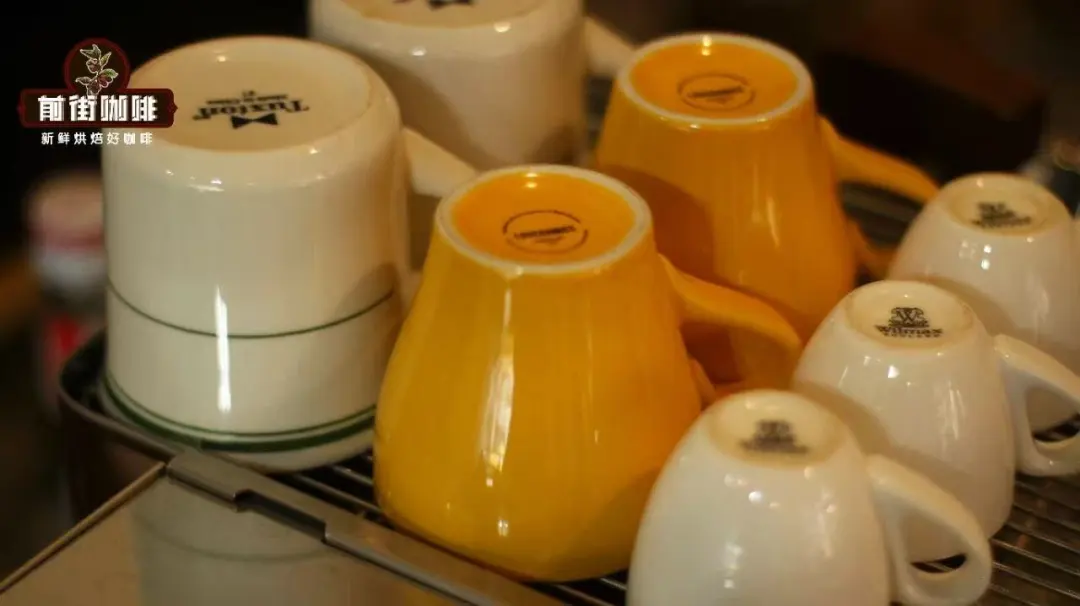
However, in recent years, many coffee enthusiasts have begun to question the necessity of warming cups. They feel that using a room-temperature coffee cup to hold coffee is actually more comfortable to drink. So does this claim really hold up?
Let's start with the effect of cup temperature on coffee. The key lies in—temperature. A preheated cup has already accumulated enough heat and will not take away a large amount of the coffee's heat, so the coffee cools noticeably more slowly; on the contrary, a cup that has not been preheated has a strong ability to absorb heat and will continuously draw heat from the coffee liquid until the temperatures of the two are close. From the above analysis, it can be seen that the benefits of warming the cup are quite obvious. It can keep the coffee "hot" longer, which is also the reason this practice has continued to be used. However, in some cases, not warming the cup is actually more suitable than warming it! For example, not warming the cup allows people to experience the coffee's "full picture" right away!

Everyone knows that the sensitivity of the taste buds changes with temperature. When the temperature is too high or too low, the taste buds' ability to distinguish flavors is reduced, and we cannot taste the complete flavor of the coffee right away. Precisely because of this, when the temperature is on the higher or lower side, the coffee often tastes sweeter, because the taste buds are obscured by temperature and bitterness and acidity are not easily detected. When the temperature approaches room temperature, without the cover of high heat, the taste buds can more clearly capture the coffee's original flavor. At this point, we can combine aroma and taste to better associate the coffee's fine flavors and feel the coffee's overall character more completely.
So why is it said that not warming the cup allows us to better experience the coffee's flavor? The reason is actually very simple. Usually, freshly brewed coffee is relatively hot and burns the mouth when drunk. If it is poured into a preheated cup, because the cup wall has not absorbed much heat, the coffee is still at a mouth-burning temperature, so it is naturally difficult for us to experience its complete character right away; but if it is switched to a room-temperature cup that has not been preheated, the mouth-burning coffee will cool down because the cup absorbs heat. By the time it is no longer so hot, the interference with the taste buds is also much smaller, so naturally the coffee's flavor can be tasted better.
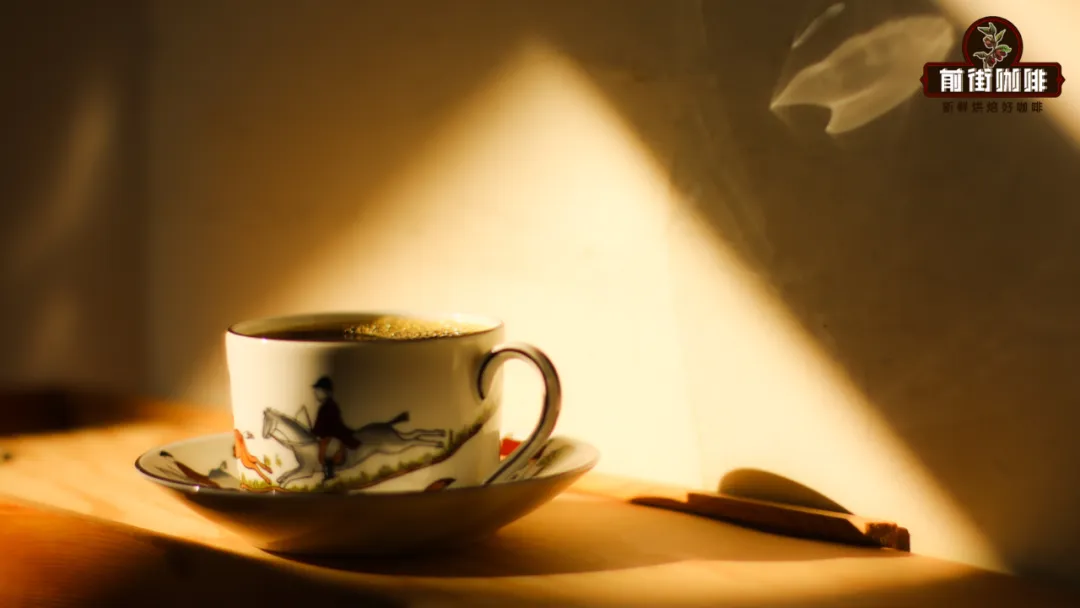
Front Street Coffee's Front Street Dividing Line Xizhua, sold in the Front Street Coffee Tmall Taobao flagship store, is a bean with a sweet-and-sour taste and full fruitiness, very suitable for pour-over, cold brew, or espresso. When brewing it by pour-over, the parameters used by Front Street are 15g coffee grounds, a 1:15 coffee-to-water ratio, a 75%~80% passing rate on a No. 20 sieve, a brewing water temperature of 92°C, and an extraction time of 2 minutes.
When the coffee cup and coffee pot are preheated, the coffee liquid we get is about 70°C, somewhat mouth-burning to drink, and can only be sipped in small mouthfuls. The aroma is very rich, but in terms of taste, as Front Street said, the sweetness tasted is on the high side, while acidity and bitterness are relatively weak, and the layers are not distinct enough. You need to wait a while for the coffee to cool slightly before you can drink Xizhua's true deliciousness; if neither the coffee cup nor the coffee pot is preheated, the coffee liquid in the cup is about 60°C. Warm, but not mouth-burning. One sip and you can directly taste the most complete deliciousness of Front Street Xizhua. The taste is sweet and sour and pleasant, with flavors of grape, apricot peach, passion fruit, and floral notes. Because you do not need to sip in small mouthfuls, taking a big gulp gives the coffee a full and solid mouthfeel, very rich layers, and a very good performance.
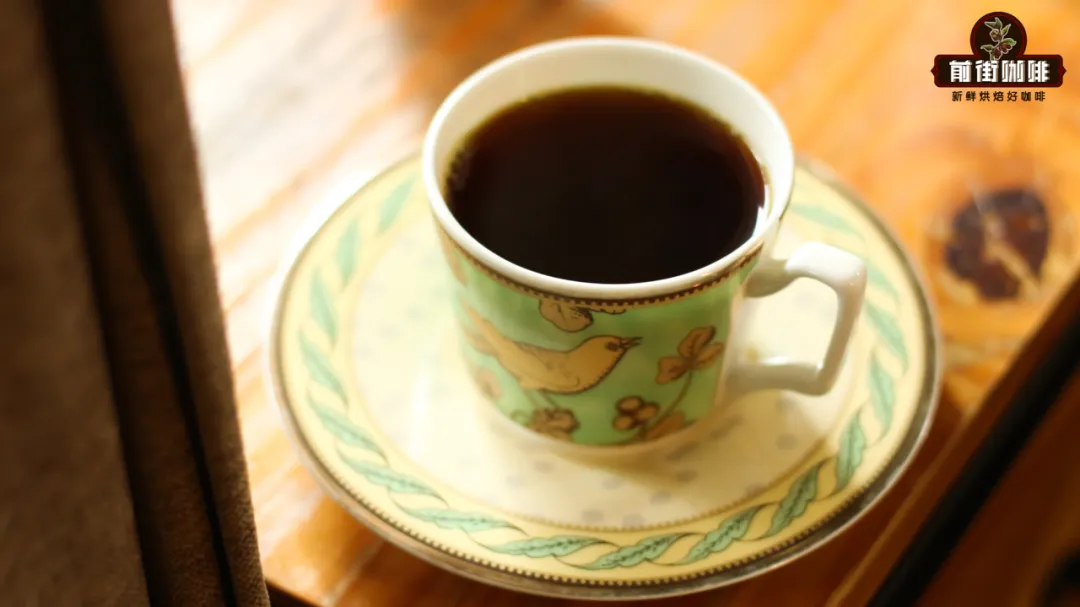
From this perspective, not preheating the coffee cup is also a pretty good choice. So everyone can understand that preheating or not preheating the coffee cup each has advantages and disadvantages! Which method is best depends on what kind of result we want. If you want to extend the coffee's heat retention as much as possible, or if the coffee cools especially quickly in cold weather, then warming the cup is certainly the best option; but if you do not want the coffee to be too mouth-burning, or, as Front Street mentioned earlier, you want guests to taste the complete flavor right away, then not warming the cup is a good choice~ - END -
The above content is compiled by CoffeeHunters, a coffee news website.


