







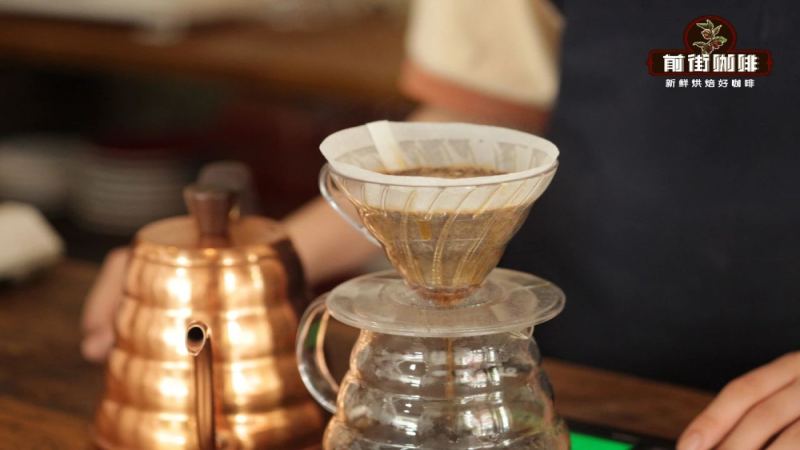
Pour-over coffee is becoming more and more common. Besides many people trying to make pour-over coffee at home themselves, many others buy coffee machines, such as American drip coffee makers. This kind of coffee machine is very similar to pour-over coffee, as both drip slowly and evenly without high pressure. The difference is that one is manual and the other is a coffee machine, and each brewing method has its own advantages and disadvantages.
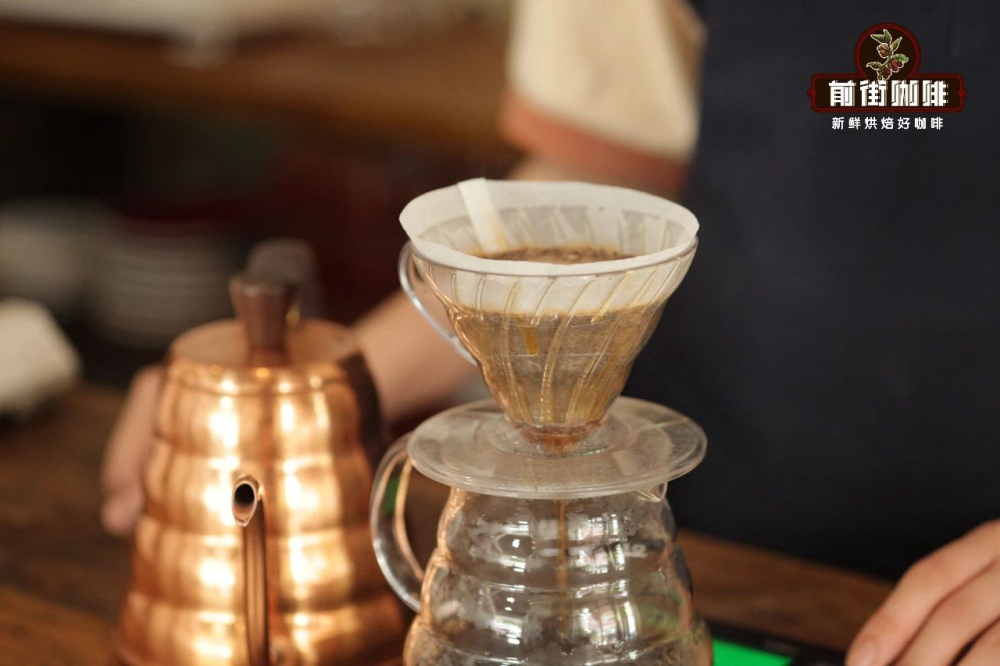
Why does Front Street Coffee say that American drip coffee makers are similar topour-over coffee? Because the grind size, coffee dose, and water amount of an American coffee machine can all be controlled just like pour-over coffee, but the water temperature of an American drip coffee maker is a bit higher. Also, most American drip coffee makers have a heat-preservation function, but if the coffee is kept warm for a long time, the components in the coffee are very likely to change.
Or you can try it at home yourself, and you will find that after ten minutes the coffee's aroma and acidity will both change noticeably. So an American drip coffee maker is suitable for sharing among several people, while pour-over coffee is more suitable for one person's amount, though of course you can also increase the coffee dose to brew multiple servings.
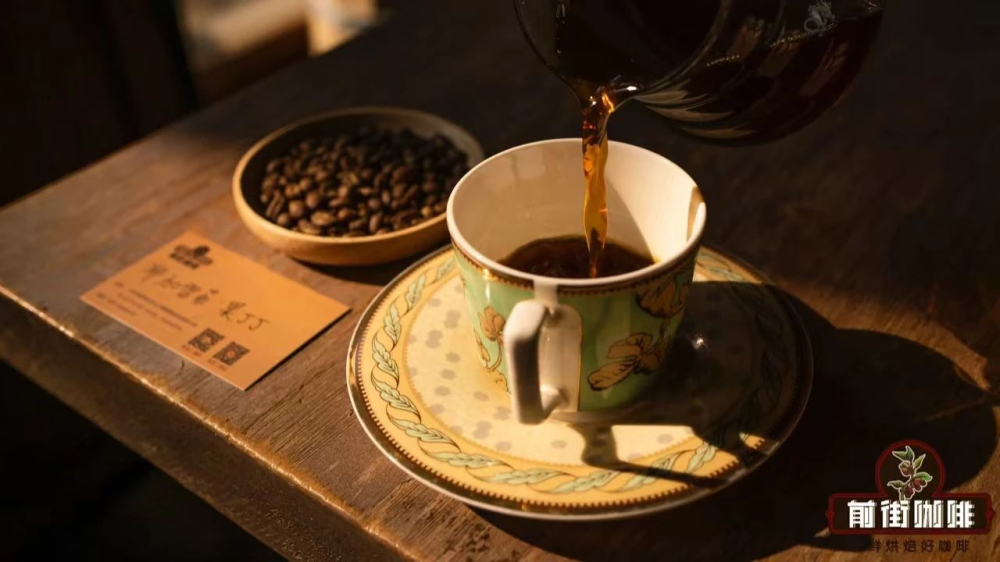
Front Street Coffee's bean list includes single-origin coffee beans from more than 50 producing regions. Front Street Coffee generally chooses the pour-over method to serve every cup of coffee, rather than using an American drip coffee maker, in order to ensure the best flavor of every cup served. Although pour-over coffee is simple, producing a delicious cup is not easy, and many factors need attention. Front Street Coffee will share with everyone one of the many factors that affectpour-over coffeeflavor.
1. Pour-over coffee: warming the cup
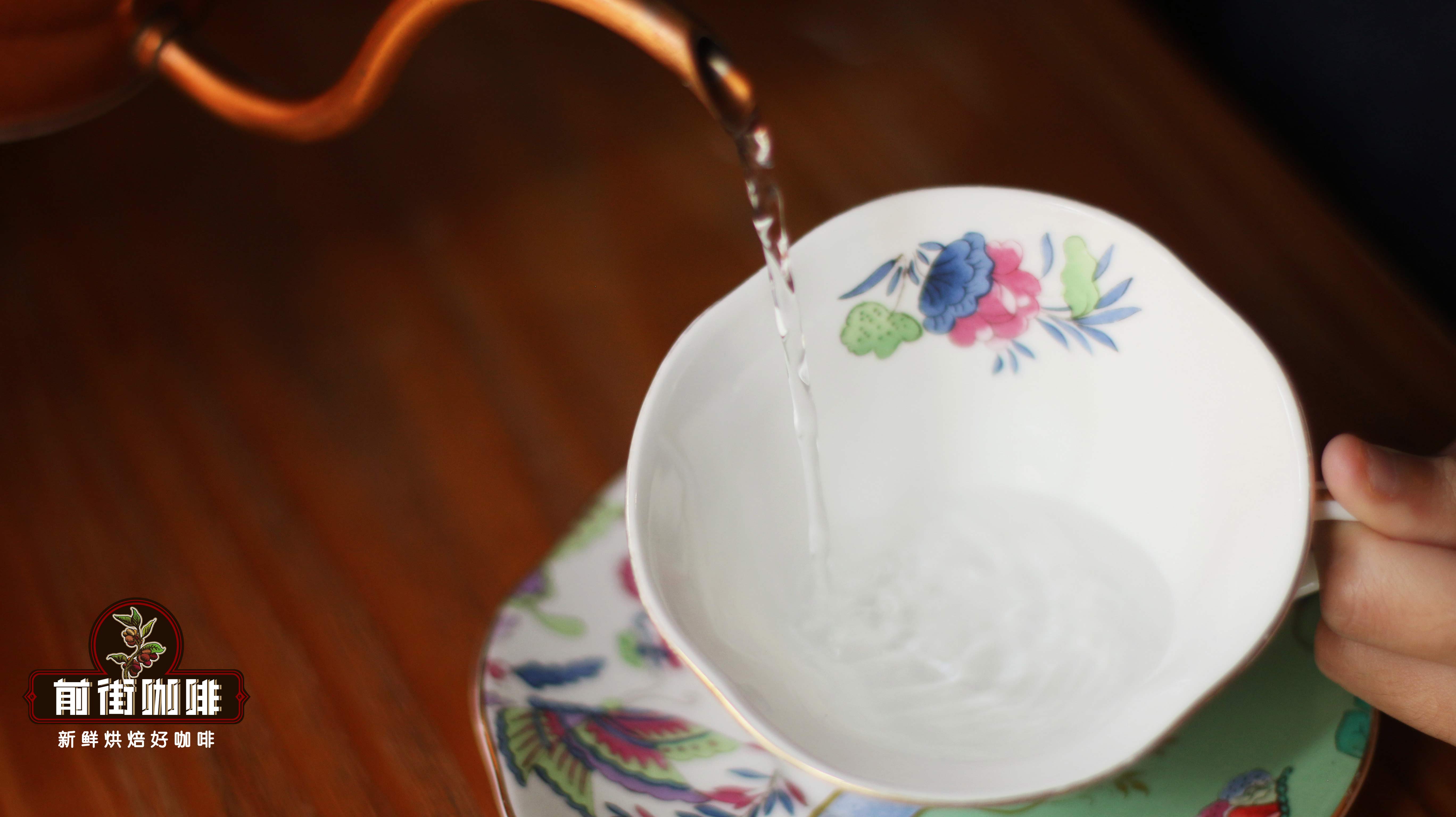
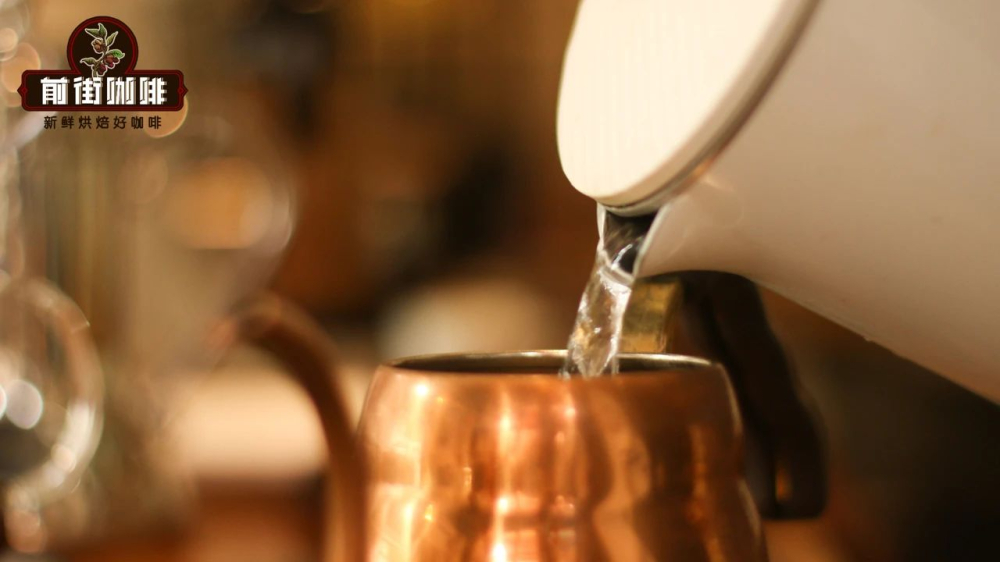
Everyone knows that when coffee meets cold, the tannic acid in its components reacts, making the coffee very sour. So before starting to brew pour-over coffee, Front Street Coffee first pours hot water into the coffee cup to warm it, achieving a heat-retaining effect.
2.Pour-over coffee beansGrind size
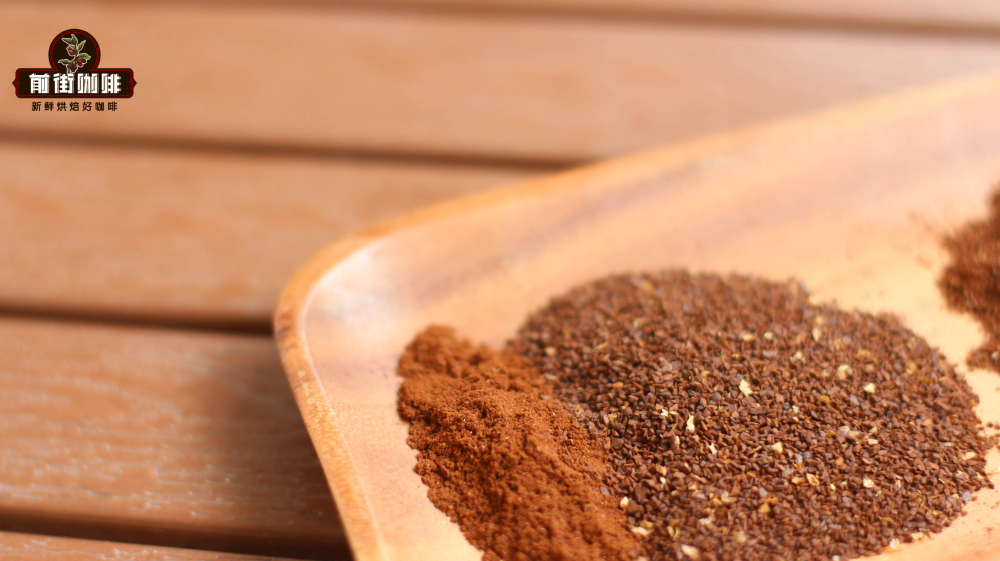
The coarseness of pour-over coffee should also be adjusted appropriately according to the characteristics of the coffee beans. The powder of dark-roasted coffee beans should be slightly coarser than that of medium-dark roasted beans. Through many pour-over experiments, Front Street Coffee has also summarized the relevant grinding standards. Front Street Coffee's grind-size standard sieve passing rate:
Cold drip > pour-over siphon 80% > moka American drip 75-80% > cupping 70-75% > French press 65-70%. If you find this troublesome, Front Street Coffee's stores provide grinding services, but it is recommended to grind at the time of brewing for a richer aroma.
3. Pour-over coffee: the equipment combination
Pour-over coffee mainly consists of three parts: filter paper, dripper, and server. If you want to be more particular, there should be a warming stove under the server to prevent the coffee from getting cold during brewing. The sizes and specifications of the filter paper, dripper, and server should match. For example, a two-person filter paper should match a two-person dripper.
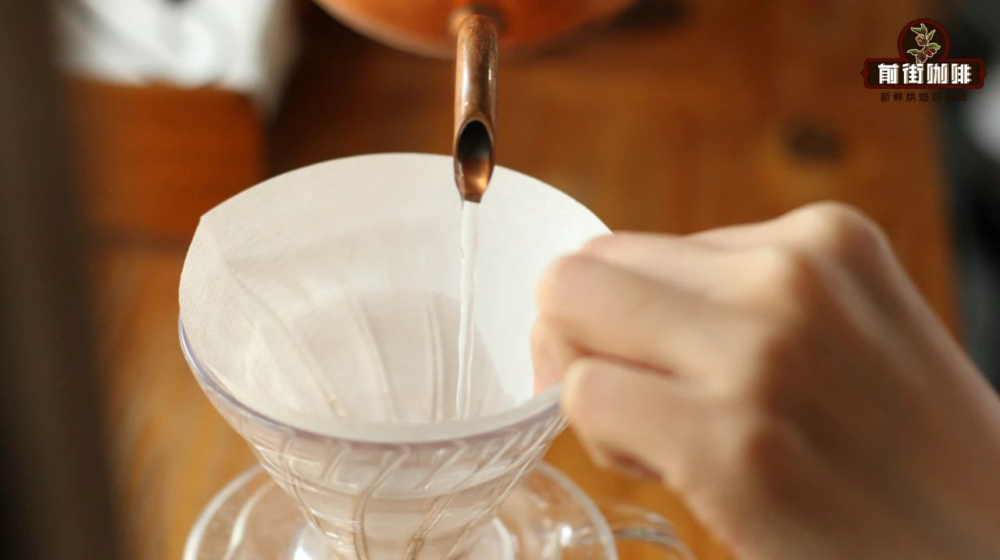
For example, Front Street Coffee's stores most commonly use the V60 dripper and the Kono dripper. The V60 dripper is responsible for brewing beans with a lighter roast level. Its design of large holes and spiral ribs not only increases the coffee's layering but also allows the flow rate to be adjusted according to the flavor characteristics you want to express. The Kono dripper, on the other hand, is responsible for brewing coffee beans with a darker roast level; its slow flow rate highlights body, and the short-rib design makes the filter paper fit the dripper more closely, which also slows the flow rate. Everyone can choose according to their own needs.
4. Adding the grounds
Pour the ground coffee powder into the assembled filter paper, then gently tap the dripper to level and compact the surface of the coffee powder, so that in the following steps the powder can absorb water evenly.

5. Pour-over coffee: warming the server
Pour a small amount of hot water into the server, swirl it a few times, then pour it out, and then place the leveled coffee powder onto the server.
6. Pour-over coffee: blooming
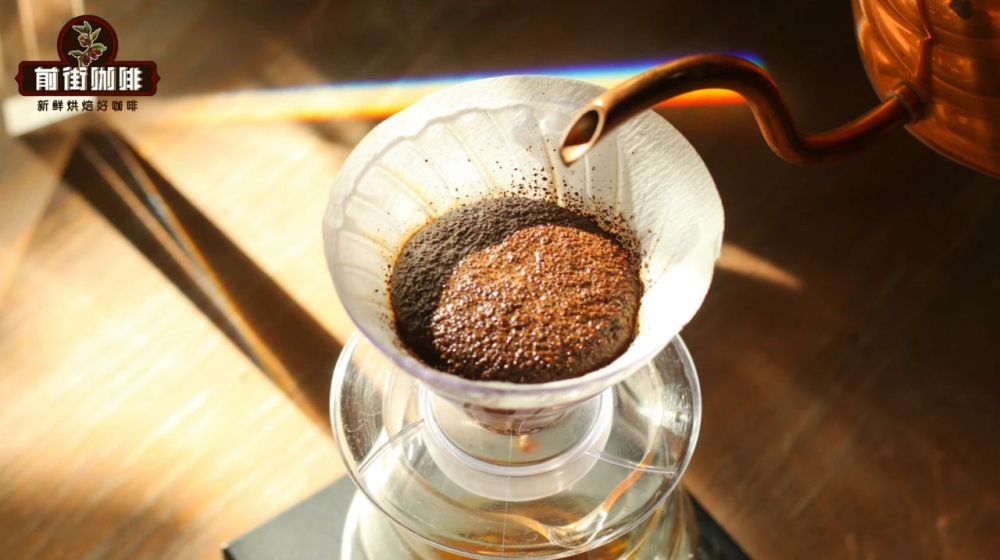
The purpose of blooming is to release the coffee's aroma and prepare for the second pour. Front Street Coffee uses 30 grams of water to bloom for 30 seconds, pouring water from the center of the coffee powder and circling 2-3 times, so that all the coffee powder can absorb water evenly. It is best if 3-5 drops fall. After absorbing water, the coffee powder will expand, changing from its previous flat surface to an upward-bulging arc shape. At this time you can smell the faint, mellow aroma released by the coffee powder. This step is one of the decisive factors determining whether a cup of pour-over coffee is successful.
7. Pour-over coffee: brewing
After the blooming is finished, place the pouring kettle on a damp cloth to cool down. After 25-30 seconds, when the water temperature drops to 89-91 degrees, you can begin brewing. Generally speaking, the brewing water temperature for medium-roasted coffee beans is 91 degrees; this water temperature can better extract the aroma of the coffee beans. The brewing temperature for dark-roasted coffee beans is 89 degrees; this water temperature is already enough to extract the aroma and bitterness of the coffee beans. If the water temperature is too low, it will seem a bit weak; if the water temperature is too high, it will seem somewhat over-brewed and unusually bitter. The brewing stream of water can be slightly thicker than the stream used for blooming, but it must still be steady. The amount of coffee can be controlled by the number of circles and the speed of the water stream. Whether brewing one cup or three cups of coffee, the water stream only needs to start from the center and circle outward, then circle back from the outer ring to the center, and finish at the center point, and the brewing is over. During the brewing process, be very careful not to let the water stream hit the filter paper, otherwise the pour-over coffee will be very astringent. The amount of coffee brewed should generally be 0.5 more than the mark on the server, otherwise the amount of coffee brewed will be insufficient.

8. Pour-over coffee: serving in the cup

Before serving pour-over coffee in the cup, you should first gently shake the coffee in the server to fully mix the strength and weakness, so that every cup of pour-over coffee tastes uniform. Then pour out the water used to warm the cup, pour the coffee into the cup, arrange it on the tray, and it is ready to serve.
The entire pour-over coffee brewing process, from warming the cup to serving it in the cup and drinking it, should not exceed 2 minutes, otherwise the flavor of the pour-over coffee will become sour and astringent, losing the mellow richness that pour-over coffee should have!
For professional coffee knowledge exchange and more coffee bean information, please follow Coffee Studio (WeChat public account: cafe_style)
For more specialty coffee beans, please add the private WeChat of Front Street Coffee, WeChat ID: kaixinguoguo0925
The above content is compiled by CoffeeHunters, a coffee news website.


