







Search Results for: portafilter cleaner
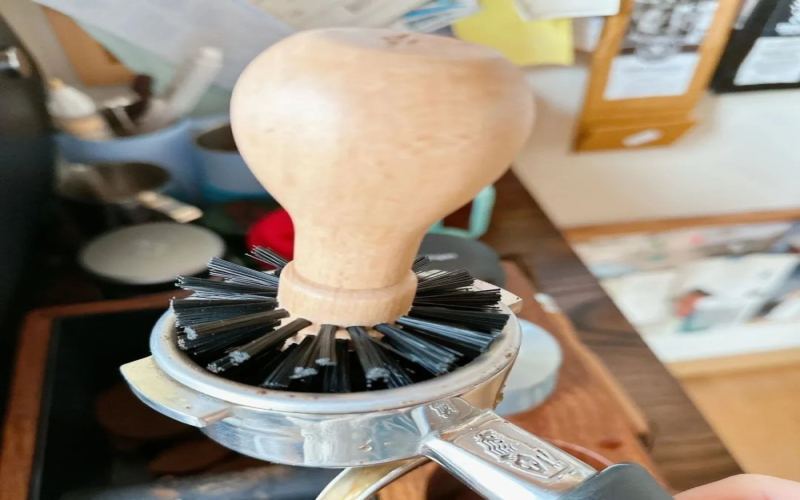
How many tools does a good cup of coffee really require? A closer look at the coffee accessories that tend to sit idle
As the saying goes, "To do a good job, one must first sharpen one's tools." Many coffee enthusiasts, when scrolling online and coming across various functional coffee gadgets, are often drawn in by their good looks and labels like "must-have神器" and "extraction aid," and can't resist adding them to their shopping carts. But after buying them and bringing them home, they discover that most of these things end up as "beautiful junk." To make a delicious cup of coffee, how many tools do you actually need? Does having more complete equipment and more professional gear make coffee taste better? This article reviews eight types of auxiliary tools—portafilter basket cleaning brushes, automatic portafilter cleaners, portafilter basket storage racks, portafilter basket tamping aids, portafilter scale stands, automatic drip bag brewing machines, small stainless steel bean hoppers, and filter paper presses—analyzing their practicality and their uselessness one by one, to help you avoid unnecessary expenses. [more…]
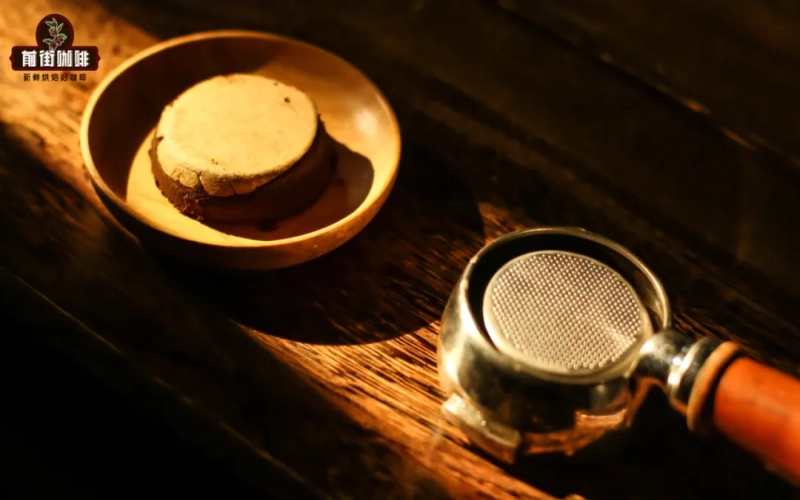
The Actual Effects of Adding a Circular Filter Paper to Espresso and an Analysis of Its Pros and Cons
When making espresso, placing a circular filter paper in the portafilter basket may seem like a simple action, yet different placement positions can lead to completely different extraction results. Through multiple comparisons, Front Street Coffee found that laying the filter paper at the bottom of the portafilter basket can intercept fine particles, reduce bitterness, and improve cleanliness, but at the same time it weakens body and shortens extraction time; while placing it on top of the coffee puck can disperse the impact of the water flow, reduce channeling, and make the extraction more even, though the effect is relatively limited. This article breaks down in detail the principles, advantages and disadvantages, and practical considerations of these two methods, helping coffee enthusiasts make more suitable choices when dialing in the grind and serving drinks. [more…]
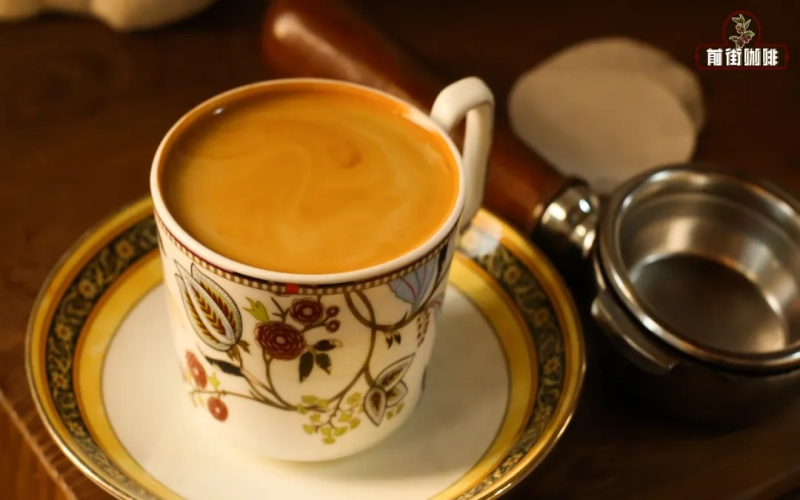
What Are the Considerations for Using a Paper Filter in an Espresso Basket? The Trade-Off Between Clarity and Body in Americano
When making espresso-based Americano, some people are in the habit of placing a filter paper at the bottom of the portafilter basket—what changes does this actually bring? Starting from a comparative experiment at Front Street, this article analyzes the specific effects of filter paper on coffee cleanliness, aroma, body, and flavor layering. Filter paper can intercept the fine particles in espresso, making the Americano taste cleaner, but it may also weaken the aroma and solid mouthfeel brought by lipids. Through a comparison of two cups of Strawberry Candy Espresso Americano, the article demonstrates the significant difference between using and not using filter paper, and explains why other espresso drinks such as lattes usually do not adopt this practice. Ultimately, the choice depends on whether you want a clean, light Americano or a coffee with a solid, richly layered flavor. [more…]
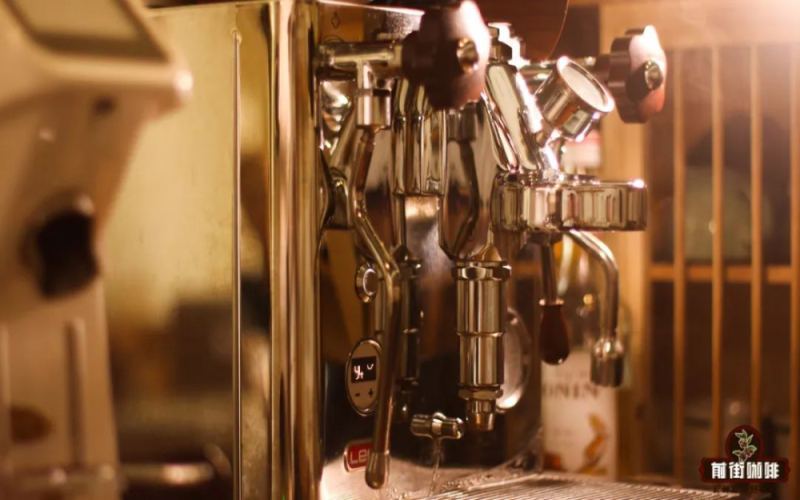
Four Key Details for Pulling Espresso: Flushing, Removing the Portafilter, Heat Retention, and Group Head Cleaning
When pulling espresso, some seemingly insignificant operational habits can, over time, have a noticeable impact on coffee quality and machine lifespan. This article compiles four easily overlooked details: why you should flush hot water before extraction, why you should remove the portafilter promptly after extraction, what hidden risks arise from leaving the portafilter locked in the group head for long periods, and how to clean the gaps in the group head. Each detail comes with specific reasons and operational advice to help coffee enthusiasts develop more standardized extraction habits, making every shot of espresso more consistent and cleaner. [more…]
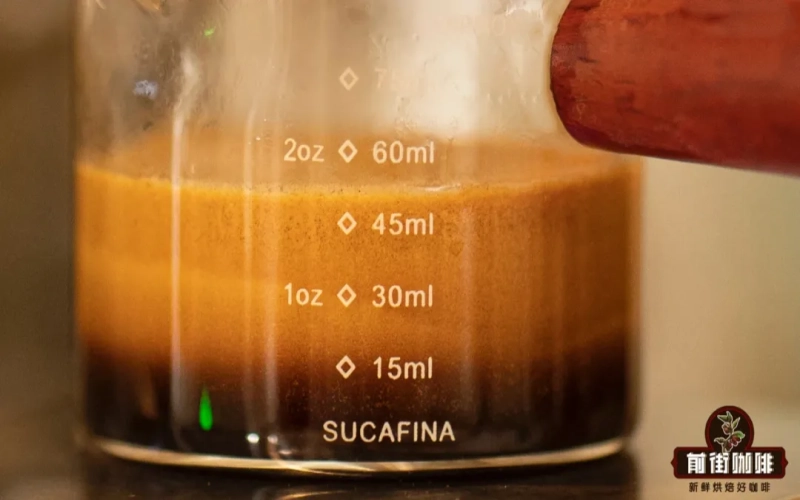
If you place a filter paper at the bottom of the portafilter basket, what changes will occur to the espresso's fines and extraction yield?
In the making of espresso, fines have always been a love-hate presence. They may bring rich crema, but they can also clog the portafilter basket, slow down the flow, and add bitterness. There are two common methods for removing fines on the market: one is to skim off the surface crema after extraction, which is simple and direct; the other is to pre-place a moistened circular filter paper at the bottom of the portafilter basket. The latter sounds gentle, but does it really not interfere with extraction? Front Street conducted a comparative experiment for this: the same 20 grams of coffee, 40 milliliters of liquid weight, one regular extraction, and one with filter paper added at the bottom. The result was that the cup with filter paper took less time, and both concentration and extraction yield were slightly lower, but the fines almost disappeared, and the taste was cleaner. This shows that adding filter paper is indeed feasible, but the grind or parameters must be readjusted to make up for the lost flavor. [more…]
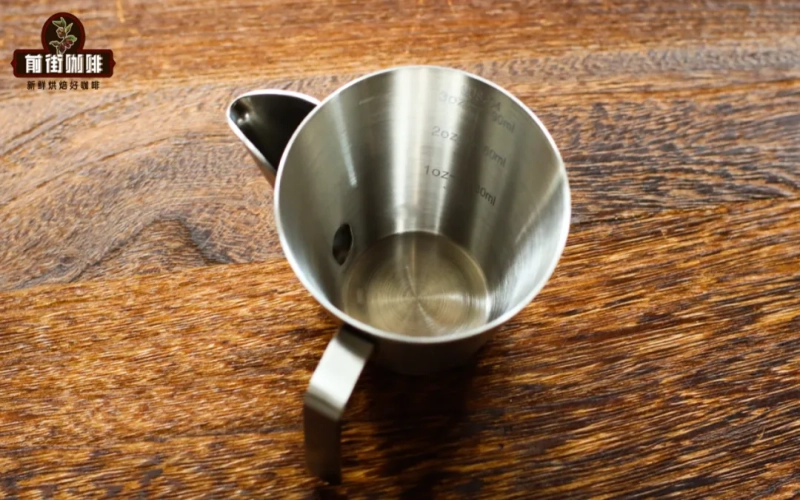
Espresso Filter Basket Test: Where Does Crema's Bitterness Come From, and How Does the Flavor Change After Filtration?
In recent years, a coffee cup with a filtering function has appeared in the coffee world. Its shape closely resembles an everyday oil filter, and it is specifically designed to separate the golden foam on the surface of espresso—Crema. After filtering out this layer of oil, the coffee tastes cleaner and the bitterness is somewhat reduced. But does the bitterness really come from the oil itself? Front Street will sort out the composition of Crema from the beginning, explain the coffee fines that truly bring bitterness, analyze the pros and cons of the oil-filtering cup, and offer alternatives that preserve the aroma of the oil while improving clarity. The article will also recommend Front Street Classic Blend and Front Street Commercial Blend coffee beans, which are suitable for extracting beautiful crema. [more…]
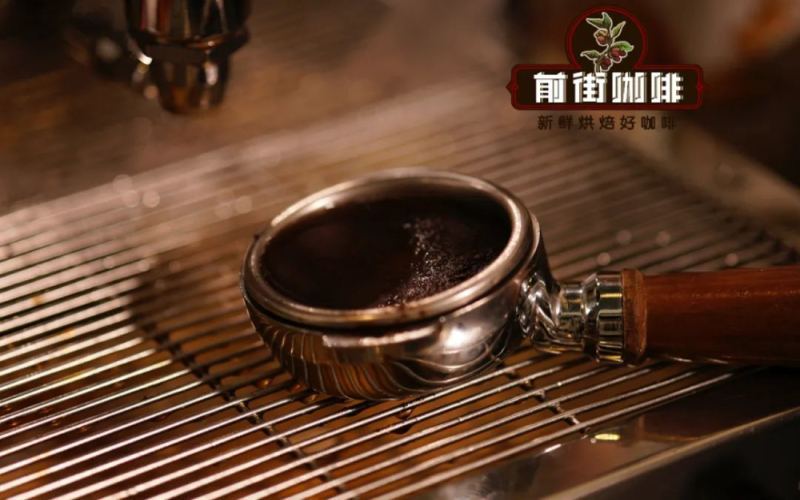
After espresso extraction, water pools in the portafilter basket? Analyzing the relationship between the basket, dispersion screen, and parameter adjustments
Many espresso enthusiasts have encountered this situation: after extraction, you remove the portafilter and find the puck wet and soft, unable to hold its shape, with a pool of water still sitting at the bottom of the basket. This is clearly not an ideal extraction state. Is the problem with the basket or the dispersion screen, or do the extraction parameters need adjustment? This article will analyze the possible causes of water accumulation one by one from the perspectives of grind size, coffee bean freshness, dose matching, group head cleanliness, and machine pressure, and provide corresponding solutions. The article will also share Front Street Coffee's dose control experience from daily dialing-in to help you find the root of the problem and return espresso extraction to a dry, intact puck state. [more…]
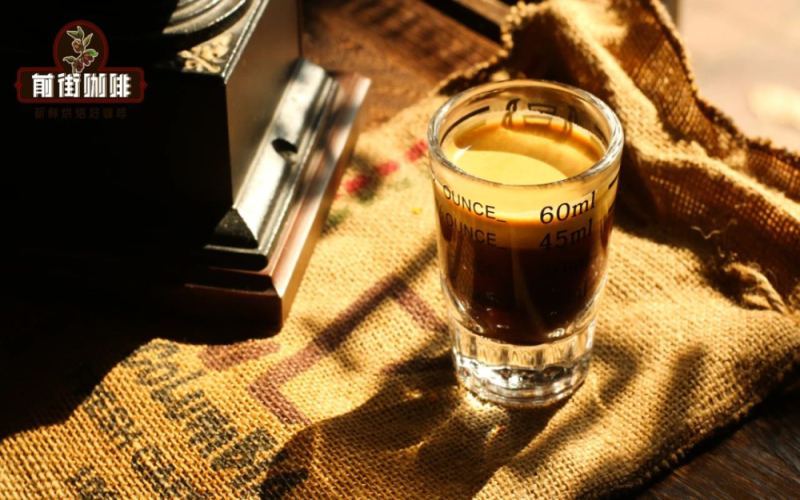
A Complete Guide to Semi-Automatic Espresso Machine Cleaning and Maintenance: Step-by-Step Instructions and Coffee Bean Selection Advice
The semi-automatic espresso machine is the core equipment for a café's operation, and its service life depends both on its initial quality and on careful daily maintenance. A qualified barista must not only be able to extract full-flavored espresso, but also understand how to properly clean and maintain the machine. This article systematically outlines the daily and periodic cleaning procedures for semi-automatic espresso machines, covering key steps such as wiping the exterior, flushing the dispersion screen, deep cleaning the portafilter, and backflushing, while also offering specific recommendations for espresso bean selection, helping you consistently produce stable, great-tasting coffee while keeping your equipment in top condition. [more…]
Why Does Coffee Grinding Constantly Throw and Clump? Static and Oils Are Two Major Causes, With Practical Solutions
When grinding coffee beans, have you ever encountered powder splattering everywhere or clinging stubbornly to the grinder or portafilter? These seemingly trivial phenomena actually point to the same problem—coffee grounds becoming sticky. Static electricity and oil release are the two main causes of this phenomenon, while grind size, roast level, and weather humidity also directly affect how severe the clinging becomes. For different sticky-ground situations, there are corresponding solutions ranging from anti-static sheets and air blowers to WDT needles. Although the online trick of adding water to eliminate static works, it carries hidden risks. This article will break down the causes and solutions one by one, making the grinding process cleaner and smoother. [more…]
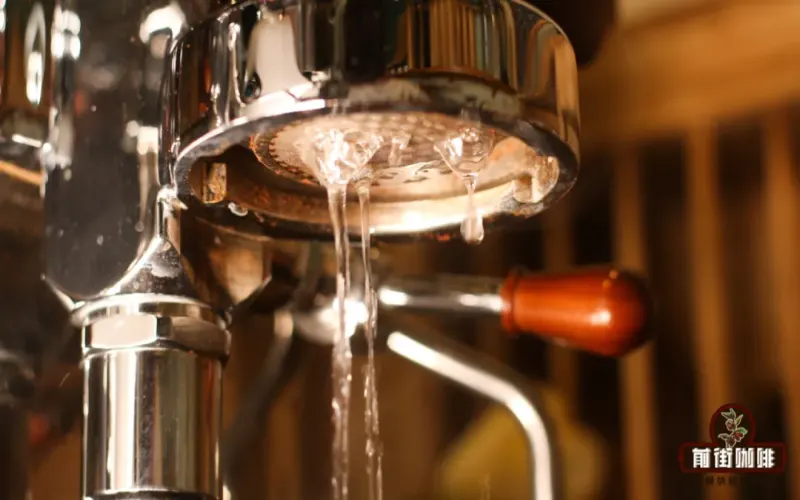
Why Should You Flush Hot Water Before Extracting Espresso? A Key Detail Not to Be Overlooked When Using an Espresso Machine
When using an espresso machine to extract espresso, there is one action that veteran baristas repeatedly emphasize, yet it leaves many enthusiasts puzzled—that is, releasing a few seconds of hot water before locking in the portafilter. This seemingly simple step actually affects both the cleanliness of the group head and the stability of the extraction result. Through comparative experiments, Front Street Coffee found that espresso extracted with and without pre-flushing shows perceptible differences in acidity, concentration, and balance, and the extraction yield data confirms this as well. This article will analyze in detail the two core functions of pre-flushing, helping you produce a good espresso more consistently in your daily routine. [more…]

Is It Normal for Black Sediment to Appear at the Bottom of an Espresso Shot? A Full Analysis of the Causes of Fine Particles and How to Fix Them
Many people notice a layer of fine black powder at the bottom of the cup after finishing a latte or espresso, and sometimes dark particles float at the bottom of an iced latte as well. Is this actually normal? Does it affect flavor or health? In fact, this sediment consists of ultra-fine particles that pass through the filter basket holes during espresso extraction. A trace amount is normal, but if a large amount of grounds is visible to the naked eye, it means something has gone wrong in the extraction process. This article starts with where these fine particles come from, analyzes possible factors such as grinding, the portafilter basket, and barista technique, and offers practical solutions like adjusting the grind setting, switching baskets, and adding a paper filter, to help you enjoy a cleaner cup of coffee. [more…]

Does Skimming the Crema Off an Americano Make the Flavor Cleaner? Analyzing How Espresso Crema Affects the Taste of Americano
When you order an Americano at a coffee shop, a golden layer of crema often floats on the surface, and most people don't pay it much attention. But through comparative experiments, Front Street Coffee found that if you use a spoon to skim off this layer of crema, the bitterness of the Americano is noticeably reduced, and the flavor becomes cleaner and more transparent. The reason behind this is closely tied to the composition of the crema: it consists of carbon dioxide and insoluble oils, mixed with extremely fine particles that fall off during extraction, and these fine particles are the very source of the muddled mouthfeel and sandy texture. However, coffee shops usually don't actively remove the crema, due to multiple considerations such as serving efficiency, customer perceptual habits, and differences in taste preferences. This article will analyze in detail the real impact of crema on Americano coffee, and introduce how Front Street Coffee's classic blend helps beginners easily extract a rich crema at home and make their ideal Americano. [more…]
A Complete Guide to Espresso Making: From Extraction Principles to Americano and Latte Preparation
Espresso is the common foundation of drinks such as Americano, latte, and cappuccino. Understanding its extraction principles and operating procedures is the key to making a good espresso. This article will start with the definition and extraction principles of espresso, then outline the origin and preparation ratios of Americano, introduce the flavor characteristics of Front Street Coffee's four espresso blends, and explain in detail the extraction parameters such as dose, yield, and time. Finally, it will provide the standard operating steps from wiping the portafilter basket to pressing the button to extract, as well as simple methods for hot Americano, iced coffee, and hot latte, making it suitable for enthusiasts who want a systematic understanding of espresso. [more…]
Why Pre-Release Hot Water Before Espresso Extraction? Analyzing Key Details of Coffee Machine Operation
Many coffee enthusiasts, when making espresso, often overlook a step that seasoned baristas repeatedly emphasize—letting hot water run for a few seconds before extraction. This seemingly simple action actually has a significant impact on the final flavor of the coffee. This article will explain the necessity of pre-flushing from two perspectives: brew head cleanliness and extraction stability, and through a comparative experiment at Front Street, demonstrate the specific differences that flushing versus not flushing makes on espresso taste and extraction yield. At the same time, we will also analyze why coffee machines that have been unused for a long time tend to cause extraction deviations, helping you more precisely control the quality of every cup of espresso in your daily routine. [more…]
A Detailed Guide to Espresso Extraction Parameters and Brew Ratio: Espresso-Making Workflow and Extraction Principles
Espresso is the foundation of various Italian-style beverages such as Americano, latte, and cappuccino. It is extracted by forcing approximately 92°C hot water under high pressure through a finely ground and compacted layer of coffee powder using an espresso machine. This article focuses on the extraction standards for espresso, covering the coffee-to-water ratio, extraction time, TDS measurement, and the calculation method for extraction percentage, and outlines the complete operational steps from wiping the portafilter basket to cleaning the group head. It also introduces the recipe concepts and flavor characteristics of Front Street Coffee's four espresso blend beans, as well as the espresso extraction protocol used in Front Street Coffee shops, providing a systematic reference for coffee enthusiasts. [more…]
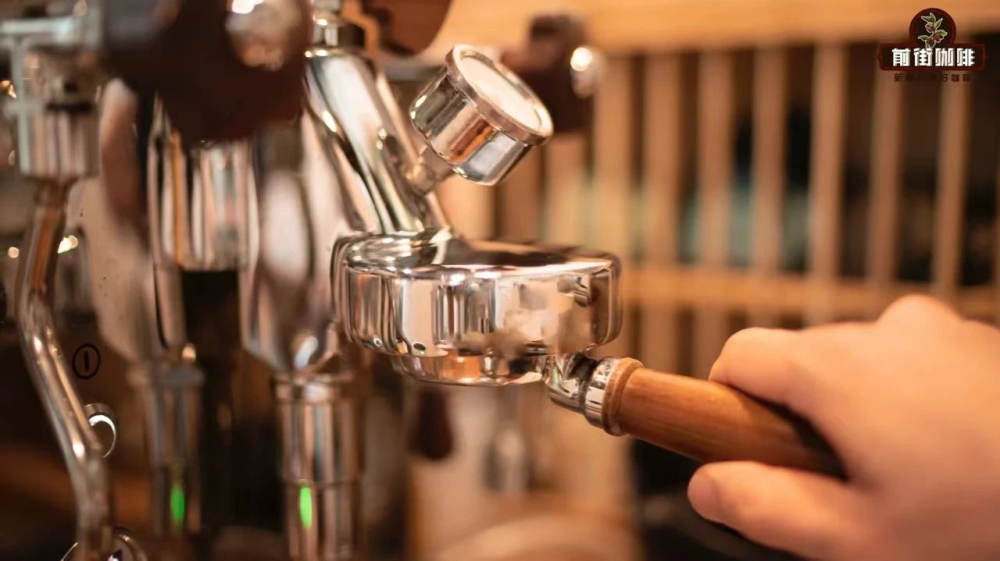
Espresso Coffee Beans | How Can Coffee Beginners Make Espresso at Home? A Detailed Guide to Buying and Using an Espresso Machine
For more specialty coffee knowledge, please follow: Front Street Coffee (Frontsteet Coffee). Although most people come to Front Street for pour-over coffee, quite a few are also willing to drink espresso-based coffee. As we all know, espresso is the foundation of various Italian-style drinks—including Americano, latte, cappuccino, [more…]
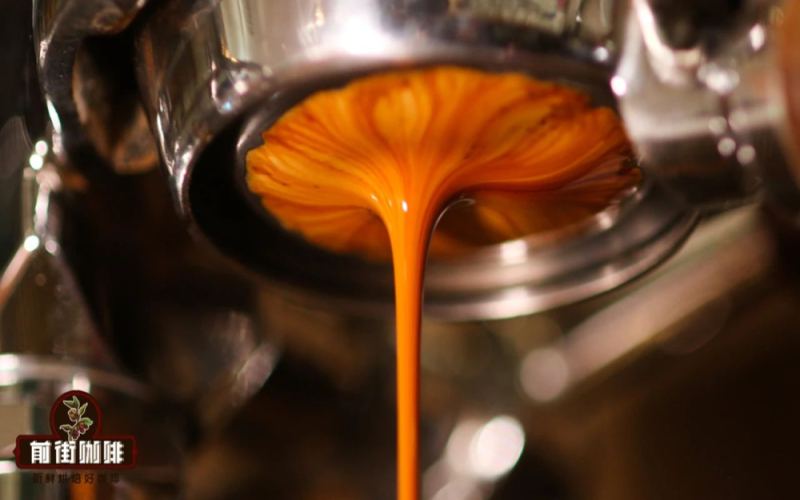
The Complete Guide to Semi-Automatic Espresso Machine Cleaning and Maintenance: Get Daily Care Right and Your Machine Will Last Longer
Coffee machines are now a common fixture in many home kitchens, but many people overlook their cleaning and maintenance. In fact, regular cleaning not only affects the flavor performance of every cup of coffee but also directly impacts the machine's lifespan. This article systematically outlines the key cleaning points for semi-automatic coffee machines, including how to determine descaling frequency, the use of professional descalers versus white vinegar as an alternative, how to deal with clogged steam nozzles, and daily cleaning steps for the steam wand, brew head, drip tray, and exterior of the machine. In addition, in response to the characteristics of pressurized extraction, it offers purchasing suggestions for medium-to-dark roasted espresso beans suitable for semi-automatic coffee machines, and recommends products such as Front Street Classic Blend, Front Street Commercial Blend, and Front Street Strawberry Candy Espresso, helping coffee enthusiasts balance equipment maintenance with output quality. [more…]
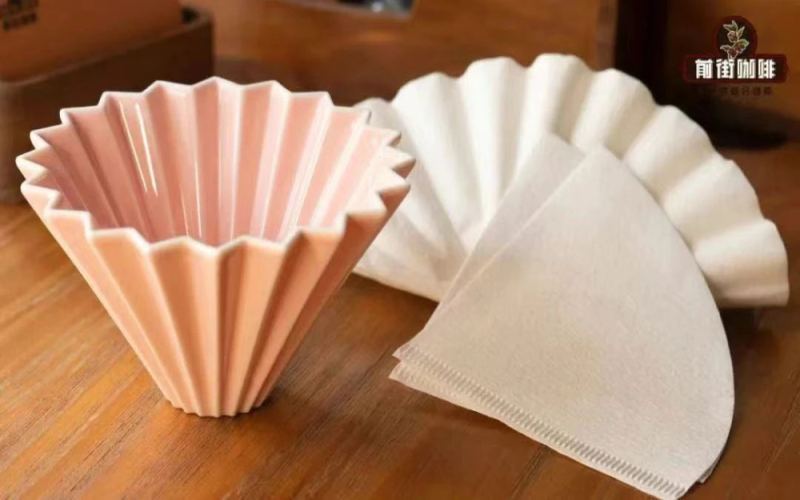
The Diverse Uses of Filter Paper in Coffee Brewing: An Analysis of Filtration Needs for Cold Brew, Ice Drip, Espresso, and Moka Pot
Can filter paper only be used for pour-over? In fact, in cold brew, ice drip, espresso, and even moka pot brewing, filter paper also plays an important role, just with different functions emphasized. This article compiles the practical experience of Front Street Coffee and explains one by one the specific uses of filter paper in different extraction methods: why cold brew needs secondary filtration, what roles the upper and lower filter papers in an ice drip brewer each play, what changes adding filter paper above the puck or at the bottom of the portafilter basket brings to espresso, whether a moka pot should use filter paper, and the correct approach to using filter paper to filter coffee grounds. Whether you are just starting out or want to refine your technique, you can find practical reference solutions here. [more…]
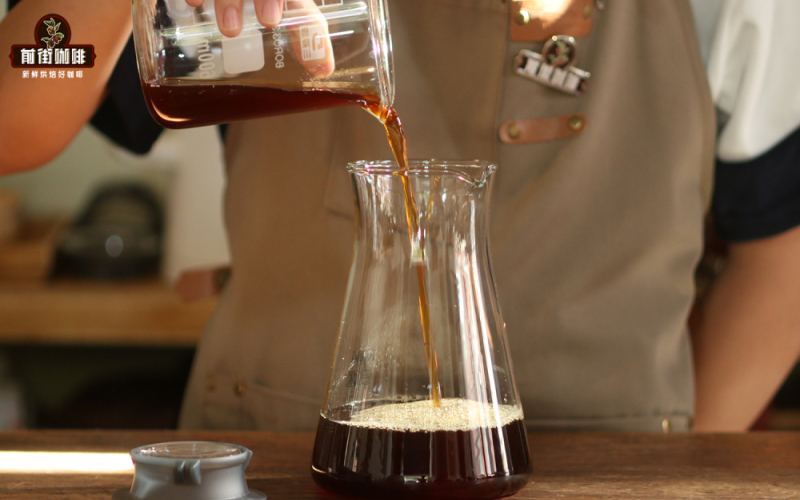
What's the Difference Between Cold Brew Coffee and Iced Americano? A Full Breakdown of Low-Temperature Extraction Flavor Characteristics, Cold Brew Making, and Storage
Although cold brew coffee and iced Americano are both iced coffee drinks, the core difference lies in the extraction temperature: cold brew uses low-temperature long-steeping, while iced Americano is hot espresso diluted with water and then poured over ice. Low-temperature extraction reduces the release of bitter compounds while fully preserving the sweet and sour flavors, so cold brew tastes cleaner and fuller; Americano, on the other hand, is rich, bold, and robust. This article explains in detail the brewing principles and flavor differences of the two, and shares a cold brew coffee brewing tutorial, suitable coffee bean choices, and storage period recommendations, helping you understand and make cold brew coffee more professionally. [more…]
Semi-Automatic Espresso Machine Operation Guide: From the Principles of Espresso Extraction to the Complete Process of Making Italian Coffee
Espresso is the foundation of all Italian-style drinks; americano, latte, cappuccino, flat white, and mocha are all derived from it. Starting from the actual store operations of Front Street Coffee, this article systematically sorts out the logic of using a semi-automatic espresso machine: first clarifying the high-pressure extraction principle of espresso, then comparing the historical origins and flavor differences between Italian and American styles, followed by a detailed explanation of the positioning of Front Street's four espresso blends, and finally providing core extraction parameters such as dose, yield, and time along with a seven-step operating procedure. Whether you are a beginner just getting started with a semi-automatic machine or a coffee enthusiast looking to optimize your output, you can find practical reference solutions here. [more…]