







Blend Coffee and Crema: Does Crema Cause Espresso Bitterness
A filtering cup that separates the golden crema from espresso makes the drink taste cleaner and slightly less bitter, but the oil itself is not the main source of that bitterness. The compounds behind the harsh note come largely from coffee fines, the tiny particles that pass through the basket during extraction and sit in the cup along with the foam.
The tool works much like a household oil filter, skimming the surface oil rather than changing the shot itself. For drinkers who want crema and a cleaner cup, a medium-dark Italian-style blend coffee built on Mandheling and Brazil, with a little Robusta for aroma and foam, can deliver a stable golden layer without filtering. The article also outlines alternatives that keep aroma while improving clarity.
In recent years, a coffee cup with a filtering function has appeared in the coffee scene. It looks very similar to an everyday oil filter and is specifically designed to separate the golden foam on the surface of espresso—Crema. After filtering out this layer of oil, the coffee tastes cleaner and the bitterness is somewhat reduced. But does the bitterness really come from the oil itself? Front Street will sort out the composition of Crema from the beginning, explain the coffee fines that truly bring bitterness, analyze the pros and cons of the oil-filtering cup, and offer an alternative that preserves the aroma of the oil while improving cleanliness. The article will also recommend Front Street Classic Blend and Front Street Commercial Blend coffee beans, which are suitable for extracting beautiful crema.
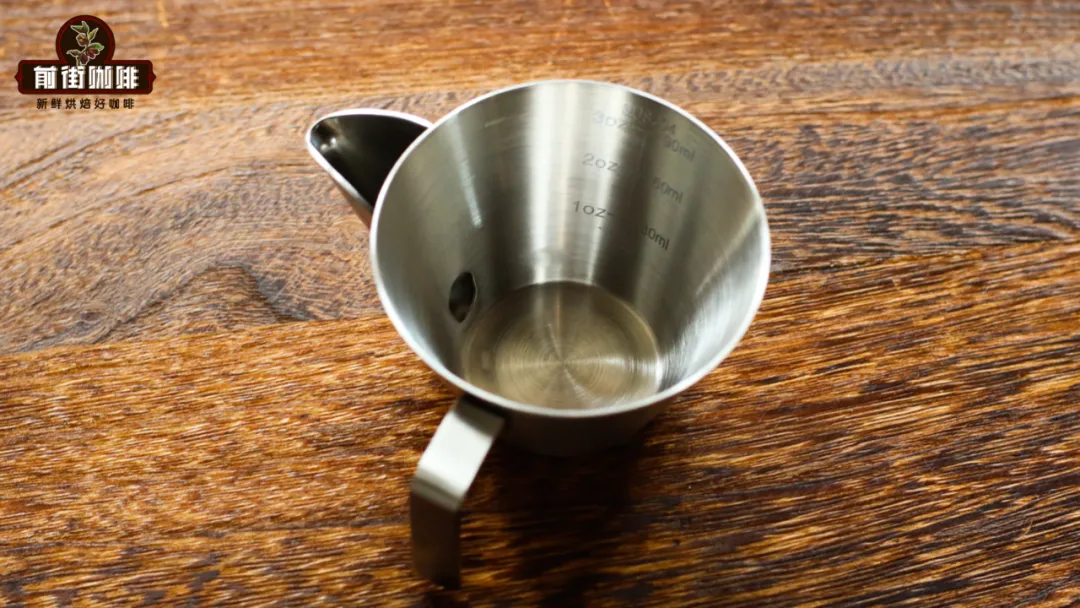
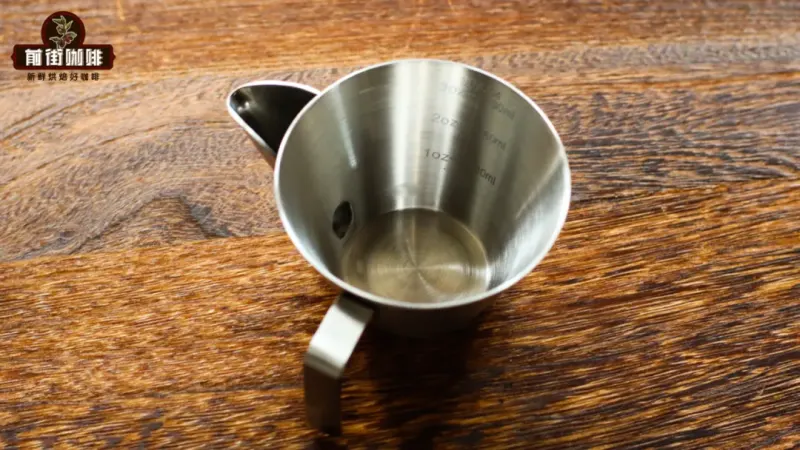
Today Front Street wants to talk about a rather interesting little gadget. It only became popular in the coffee scene recently, but something with a similar function has actually existed in our daily lives for a long time. This is a coffee cup with a "filtering" effect.
Does its appearance look familiar? Yes, its principle is similar to the oil filter used at home, and it can separate the oil floating on the surface of a liquid. When used with coffee, what it mainly filters out is the golden foam on the surface of espresso—Crema, that is, the oil.
After Crema is filtered out, the coffee undergoes two subtle changes: the mouthfeel becomes cleaner, and it no longer tastes as bitter.
Many friends, like Front Street, are especially fond of coffee crema and will deliberately choose Italian blend beans just to extract a more beautiful Crema. If you are also obsessed with this golden foam, you can try Front Street Classic Blend and Front Street Commercial Blend.
Front Street Classic Blend is very suitable for beginners, for practicing latte art, and for coffee shops positioned toward specialty coffee. If you want to learn latte art at home, Front Street Classic Blend is the right choice. It is composed of three producing regions and is a medium-dark roasted Italian recipe. Its inspiration comes from the early popular "Mamba" combination, that is, Mandheling plus Brazil. To enhance the aroma and crema, Front Street Classic Blend also adds a small amount of Robusta to increase flavor intensity, making it easy for beginners to make espresso with golden crema at home.
Front Street Commercial Blend is suitable for all kinds of coffee shops. The recipe is Colombian washed beans, Brazilian semi-washed beans, plus a small amount of Robusta, presenting flavors of nuts, cocoa, and caramel. Compared with other Italian coffees, Front Street Commercial Blend uses the classic pairing of Brazil and Colombia, embellished with a small amount of Robusta, making the original layers richer and expressing complex nutty aromas such as toasted bread, almonds, and walnuts. The crema has good fluidity, and the taste is low in acidity and mellow. Together with its price advantage, it is undoubtedly the first choice for opening a shop.
If some friends, after espresso extraction is completed, wait for the crema and coffee liquid to separate and taste that layer of oil by itself, Front Street believes you will most likely perceive a clear bitterness from it, and sometimes you may even notice a slightly gritty texture in the oil. Therefore, after filtering out the espresso crema, you can make a cup of espresso with less bitterness and a cleaner mouthfeel. This is exactly what makes this coffee cup different.
But it should be understood that the bitterness does not come from the coffee crema itself. The main components of Crema are lipids and carbon dioxide in coffee, and neither of these obviously provides noticeable bitterness. The real culprit that makes the crema bitter is actually the coffee fines hidden in the crema.

The filter holes of an espresso machine's portafilter basket are not fine enough and cannot block everything like filter paper while letting only coffee liquid pass through. Therefore, the espresso Crema and the extremely fine particles in the coffee grounds both pass through these filter holes and enter the coffee.
During extraction, most of the fines pushed out of the basket are light in mass and are carried by the crema to float to the surface of the liquid. The fines themselves have a certain bitterness, so the crema carrying the fines has an obvious bitter feeling. If the crema sits too long, the fines originally floating on the surface will sink to the bottom of the cup as the Crema breaks. The occasional slight grittiness we taste in coffee is because we have drunk these fines.
From this we can see that the reason this coffee cup with a filtering function can make the mouthfeel cleaner and reduce bitterness is that it filters out the crema and, along with it, also filters out the coffee fines mixed in the crema that give off bitterness.

So, is this coffee cup worth buying?
To be honest, whether it is worth buying still depends on personal preference. As Front Street said, products with similar functions have existed for a long time, so many "affordable alternatives" can be found on the market. Second, although it can reduce bitterness, it also makes the coffee's aroma less intense. The reason is that it cannot filter out only the fines while retaining Crema.
Front Street mentioned earlier that Crema is mainly composed of lipids and carbon dioxide, and lipids, besides wrapping carbon dioxide, also carry a certain aroma themselves. When the crema is present, we can perceive more aroma from the cup, and after swallowing the coffee we also get an obvious and lasting finish because of the crema. At the same time, the crema can also make the coffee's mouthfeel more mellow. But once the crema is filtered out, these characteristics brought by the crema will also be weakened.
However, Front Street thinks this coffee cup has more ways to be used than that. Whether to buy it still depends on personal trade-offs and needs. But if you want both higher cleanliness and to retain the aroma given off by the crema, Front Street also has a way to satisfy this little greed of "having your cake and eating it too."
The method is simple: before filling the coffee grounds, place two round filter papers at the bottom of the portafilter basket. In this way, you can filter out the coffee fines while retaining the crema. Naturally, the coffee can be both aromatic and clean.
The above content is compiled by CoffeeHunters, a coffee news website.


