







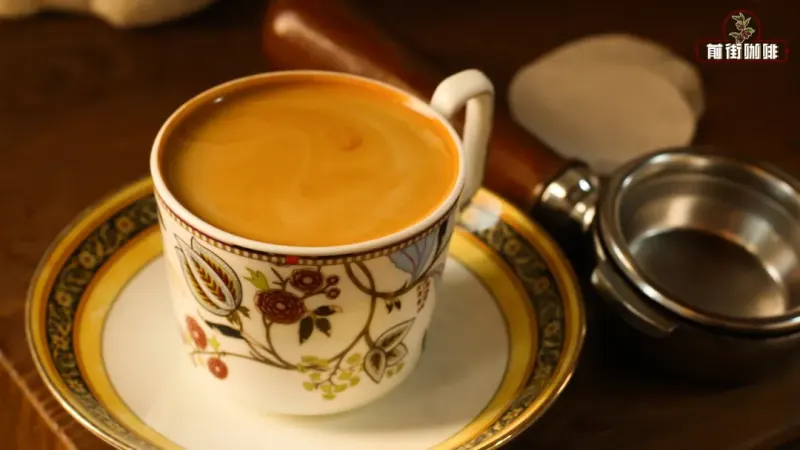
Should you use filter paper when you make americano?
Placing filter paper at the bottom of the portafilter basket changes the cup noticeably: it catches fine particles that pass through the basket, so the drink tastes cleaner and lighter. The trade-off is that lipids and some aroma are held back too, which softens body and flavor layers. Using Front Street's Strawberry Candy espresso, the difference between the two versions was clear.
The reason why an americano can taste muddy or bitter comes down to those very fine grounds suspended near the surface under the crema. Skimming the crema is one fix; filter paper is another. Lattes and other milk drinks usually skip the step because milk masks the particles, so the choice depends on whether a clean or rich cup is preferred.
When making an Americano, some people habitually place a filter paper at the bottom of the portafilter basket—what changes does this actually bring? Starting from Front Street's comparative experiments, this article analyzes the specific effects of filter paper on coffee cleanliness, aroma, body, and flavor layers. Filter paper can intercept the fine particles in espresso, making the Americano taste cleaner, but it may also weaken the aroma and solid mouthfeel brought by lipids. Through a comparison of two cups of Strawberry Candy Espresso Americanos, the article demonstrates the significant difference between using and not using filter paper, and explains why other espresso drinks like lattes typically do not adopt this practice. Ultimately, the choice depends on whether you want a clean and light Americano, or a coffee with a solid flavor and rich layers.
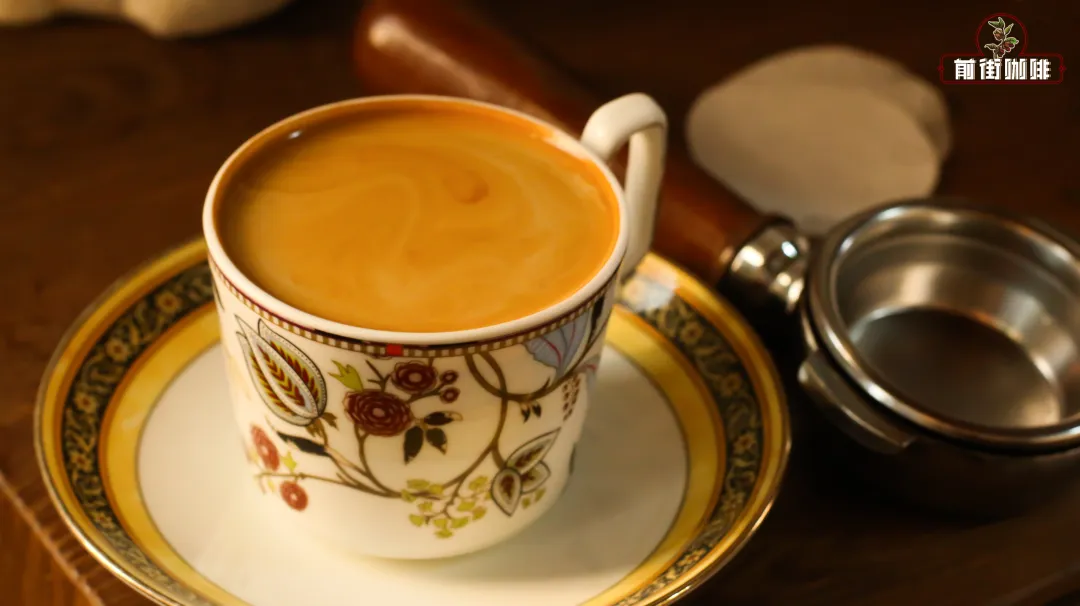
The principle is actually not complicated—the goal is simply to get a "cleaner Americano." Many friends hearing this might ask: why does adding filter paper make the Americano cleaner? And why don't other types of espresso drinks need this?
To answer these two questions, we first need to understand what exactly the filter paper placed at the bottom of the portafilter basket can intercept. Why is filter paper favored when making Americanos? Front Street has discussed this topic in previous articles, such as "The Use of Espresso Filter Paper" , "Why Are There Often Foreign Objects at the Bottom of Espresso" , and "How to Make Americano Taste Better" . That's right—the target that filter paper intercepts is the fine particles in espresso. (The image below shows two lattes; the one on the left was made with filter paper, and the one on the right without)

Front Street often shares with everyone that if you want your Americano to taste cleaner, you can try skimming off the crema on the surface of the espresso. This is because the Crema of espresso contains a large amount of extremely fine coffee particles. Although the espresso portafilter basket can block coffee grounds, its filtration precision cannot match that of filter paper, so fine particles still have a chance to pass through the basket into the coffee liquid. These fine particles are very light in mass, and at first are mostly "locked" near the liquid surface by the Crema. Only after the Crema dissipates or is stirred do they slowly sink into the coffee.
The presence of fine particles has both pros and cons: the benefit is that it adds body to the coffee, while the downside is that it makes the mouthfeel less clean. Below, Front Street used the Strawberry Candy Espresso from the Front Street espresso blend lineup to make two Americanos for comparison, for everyone's reference. The preparation parameters for both Americanos were completely identical—both used 20g of coffee for espresso extraction, with an extraction time of about 30 seconds, yielding 40ml of liquid. The only difference was: one had two sheets of filter paper placed at the bottom of the portafilter basket before extraction, while the other followed the standard procedure. Then 160ml of hot water was added to each, and the Americanos were ready.
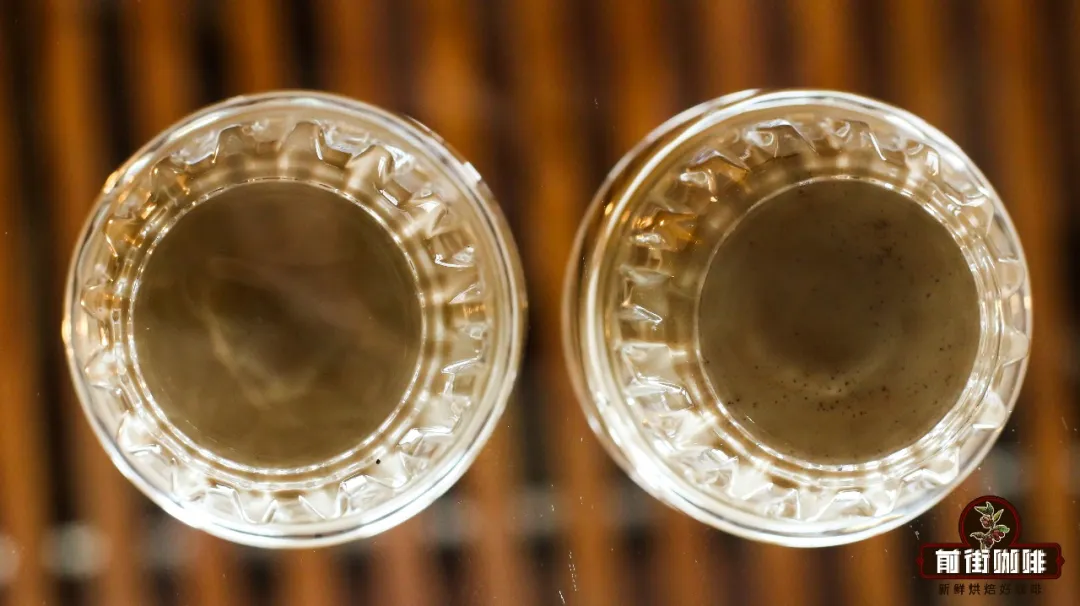
If you drink just one of them on its own, it might be hard to tell whether filter paper was used, but when you taste the two side by side, the difference is quite obvious. The Americano with filter paper, as Front Street said, has a very clean mouthfeel—from the first sip to the last, you can hardly detect any off-flavors. The regular Americano without filter paper has relatively poorer cleanliness, especially in the last few sips, because the fine particles settled to the bottom of the cup during drinking, and you can clearly taste a gritty sensation.
This shows that placing filter paper at the bottom of the portafilter basket can indeed make the coffee cleaner. If you also want to make an Americano with a clean mouthfeel, this technique is worth trying. However, regarding the other effects brought by adding filter paper, Front Street feels you still need to weigh them before deciding whether to use it. What Front Street compared above was only the change in coffee cleanliness after adding filter paper. Beyond that, filter paper also affects the coffee's aroma and body. There are two main reasons for the changes in aroma and body, one of which is the lipid content in the coffee.
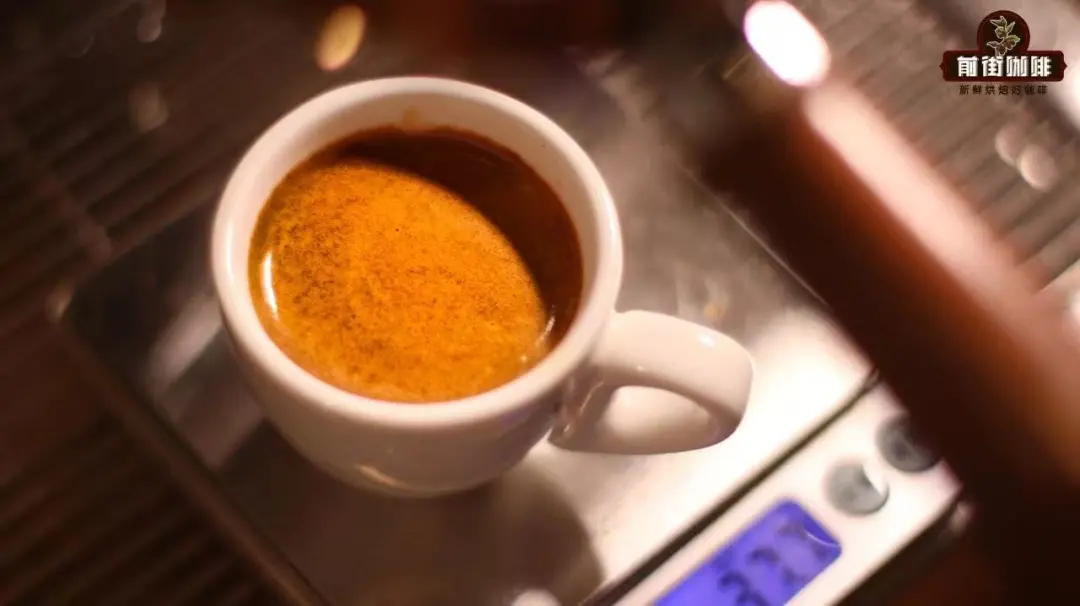
Lipids do not refer to Crema, but rather the oils contained in the coffee itself that wrap around carbon dioxide and thereby form the Crema. Coffee contains some oil-soluble substances, so coffee lipids actually carry a rich array of aromas. The addition of filter paper reduces the lipid content in the coffee. Although espresso is extracted under pressure, so the impact of filter paper is not as great as with pour-over, it still reduces some lipids. In Front Street's Americano experiment, the cup of Strawberry Candy Espresso Americano without filter paper had very clear notes of strawberry gummy candy, white florals, raisins, nuts, and other flavors, with a quite solid mouthfeel;
The Americano with filter paper could also taste the same flavors, but they were somewhat weaker, and the mouthfeel was lighter. This is not only caused by the reduction in lipids—fine particles are also a factor. Fine particles themselves carry a certain bitterness, so their presence or absence not only affects cleanliness but also affects the taste and mouthfeel of the coffee.
When fine particles are present, the coffee's body is slightly enhanced, and the taste becomes more balanced or layered due to the addition of bitterness. This is also why other espresso drinks like lattes do not use filter paper—they need the fine particles to enhance the coffee's flavor so it can stand up to the milk. The cost, however, is sacrificing a certain degree of cleanliness. In summary, both using and not using filter paper have their own benefits. Front Street's stance remains the same: the choice entirely depends on what kind of coffee you want. Do you want an Americano with high cleanliness and a light mouthfeel, or one with a more solid flavor and mouthfeel? The choice is yours~
- END -
The above content is compiled by CoffeeHunters, a coffee news website.


