







How Should Coffee Machines Be Cleaned and Maintained Daily?
A semi-automatic espresso machine needs daily and periodic cleaning to last. Daily work covers wiping the exterior, rinsing the shower screen, and flushing the group; periodic work adds portafilter deep cleaning and backflushing. For machines with an independent brewing head, these steps apply, while fully automatic units follow different routines.
Bean choice also affects results. Blends tend to be more stable than single origins for espresso, producing toasted bread, almond, and walnut notes with good crema fluidity, low acidity, and a full body. Cleaning and maintenance matter across coffee machines, including american coffee machines used in homes, though the specific steps differ from a commercial espresso setup.
Semi-automatic espresso machines are the core equipment for a café's operation, and their lifespan depends both on the initial quality and on daily meticulous maintenance. A qualified barista must not only extract full-flavored espresso but also understand how to properly clean and maintain the machine. This article systematically outlines the daily and periodic cleaning procedures for semi-automatic espresso machines, covering key steps such as exterior wiping, shower screen rinsing, portafilter deep cleaning, and backflushing. It also provides specific recommendations for bean selection for espresso, helping you consistently produce stable, delicious coffee while keeping the equipment in good condition.

The importance of a semi-automatic espresso machine to a café is self-evident—it can be called the "heart" of the café. The lifespan of this "heart" depends on its original condition and on maintenance. A good barista can not only make a cup of rich coffee but also take good care of the "heart."
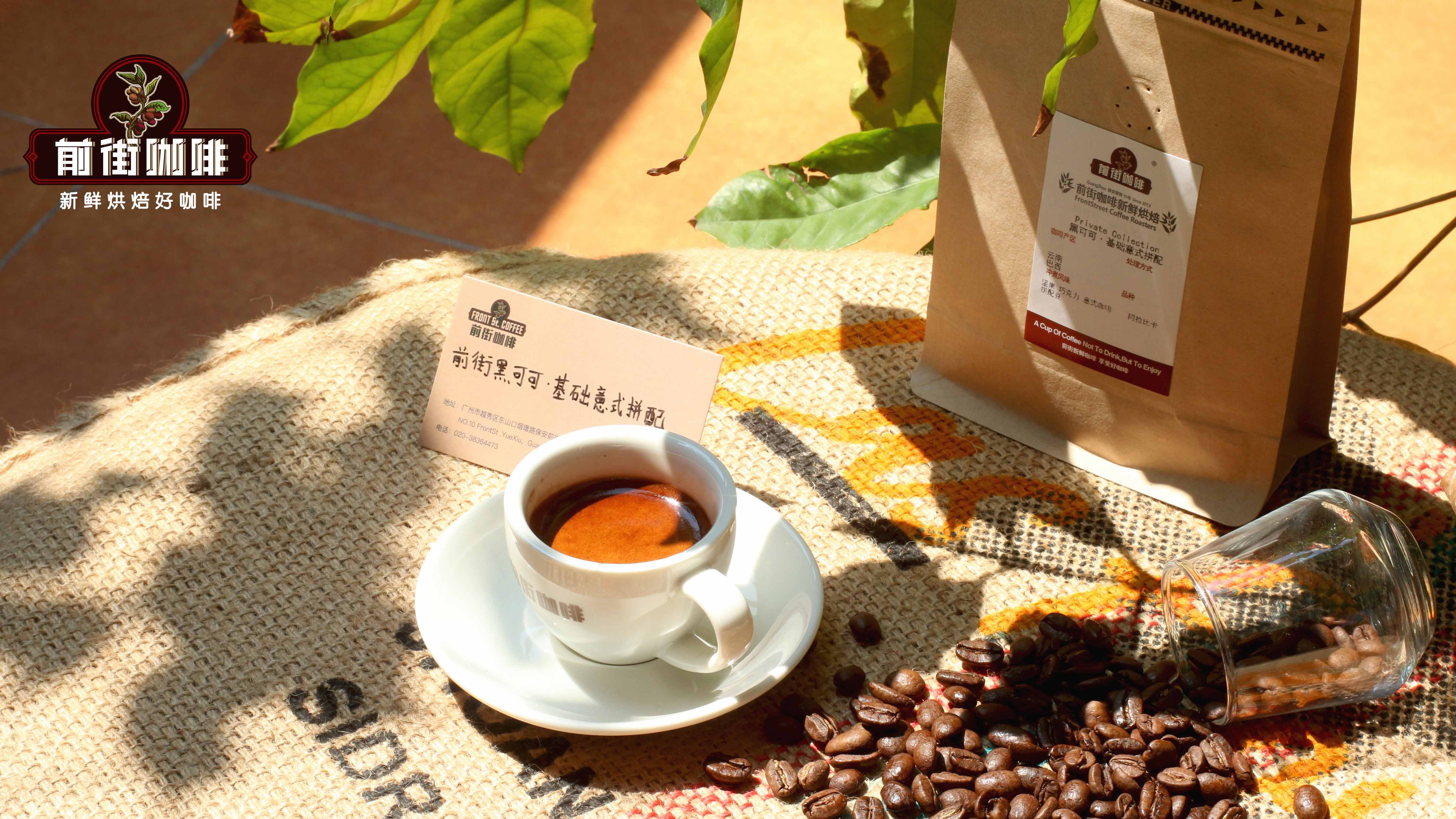
Of course, to know whether there is a problem with the coffee's taste, you first need to understand its delicious side. There are many beans suitable for espresso machines, but Front Street Coffee believes that blends have more stable results. The top choices are Front Street Classic Blend, Front Street Commercial Blend, Front Street Dark Cocoa Base Blend, and Front Street Specialty Blend. The espresso they produce displays complex nutty aromas such as toasted bread, almond, and walnut, with good crema fluidity, low acidity, and a full-bodied taste. Combined with their price advantage, they are undoubtedly the best choice for opening a shop.
If you don't accept bitterness, then buy the tradition-breaking Front Street Strawberry Candy espresso. Just from the name, you can tell this is a coffee with extremely high sweetness, because it is composed of three single-origin coffees from different regions. Besides its own rose aroma, Front Street Strawberry Candy offers flavors of grape, dried blueberry, sweet orange, and fruit candy in both Americano and latte, with a very unique taste.
Therefore, we should do a good job of cleaning in daily life to avoid these problems. Here it is divided into two parts: daily cleaning and periodic cleaning, targeting Italian semi-automatic espresso machines with independent brewing heads (fully automatic coffee machines do not apply).
Point one: Keeping the exterior of the coffee machine clean is the most basic requirement; no one wants to see a dirty coffee machine. After extracting espresso, coffee stains should be wiped up immediately.
Point two: A relatively important point is to promptly clean coffee residue from the shower screen.
After extracting coffee, a small amount of coffee grounds from the surface of the puck will adhere to the shower screen. If not cleaned properly, it will affect the flavor of the next cup. Therefore, after extracting coffee, remove the portafilter, then turn on the brewing head to rinse off the residue on the shower screen. If the outer ring part, where the brewing head meets the gasket, cannot be directly rinsed by water, then it needs to be scrubbed clean with a brush.
Point three: Cleaning the coffee portafilter, especially split-stream portafilters.
The coffee filter basket must be rinsed clean after each extraction. Some choose to ignore this step when output is high, but Front Street Coffee believes this is not advisable. Of course, the vast majority of coffee shops still follow this principle.
At the end of the day, if using a split-stream portafilter, you must pry open the filter basket and clean the inside of the portafilter. After a day of extraction, the split-flow channels inside the portafilter will retain a lot of coffee residue and oils. If not cleaned properly, it will give off a foul odor, which will naturally affect the quality of subsequent coffee. (Front Street Coffee has seen one that hadn't been cleaned inside for a week—the moment it was opened was unforgettable for a lifetime.)
This picture shows the condition after one extraction. Since Front Street Coffee mainly uses bottomless portafilters, it is difficult to imitate an image of long-term accumulated grime. Therefore, Front Street Coffee recommends soaking it in hot water with 5g of coffee machine cleaning powder for 30 minutes, then rinsing it clean with water. This will produce a more noticeable effect.
Point four: Backflushing to clean the interior of the coffee machine.
This involves the structure of the brewing head. Here Front Street Coffee provides a structural diagram of an E61 brewing head for everyone's reference.
"When making coffee, move the small lever upward to the horizontal position. The microswitch behind the small lever is pressed, and the pump starts. At this time, both the pre-infusion valve and the pressure relief valve are closed, while the inlet valve is open. When hot water is injected into the various open pipes and chambers of the brewing head, the pressure rises. When the pressure exceeds 1.5 atmospheres, the pre-infusion valve (expansion valve) opens, and hot water enters chamber 4. Thus, before chamber 4 is filled with hot water, the coffee puck undergoes pre-infusion with hot water at 1.5 atmospheres. Once chamber 4 is filled, the hot water pressure begins to rise again until it reaches the required 8–10 atmospheres.
After coffee preparation is complete, move the small lever down to the vertical position. The microswitch closes, the pump stops, and the cam releases the inlet valve push rod, closing the inlet valve. At the same time, the cam presses down the pre-infusion valve push rod and the pressure relief valve push rod, opening the pressure relief valve. The pressurized hot water in the chamber between the brewing filter bowl and the shower screen, as well as in chambers 3 and 4, is then discharged from the pressure relief outlet into the coffee machine's drip tray."
During this extraction process, a small amount of coffee fines will pass through the shower screen into the pipes. If not cleaned for a long time, a lot of coffee residue will accumulate, affecting extraction.
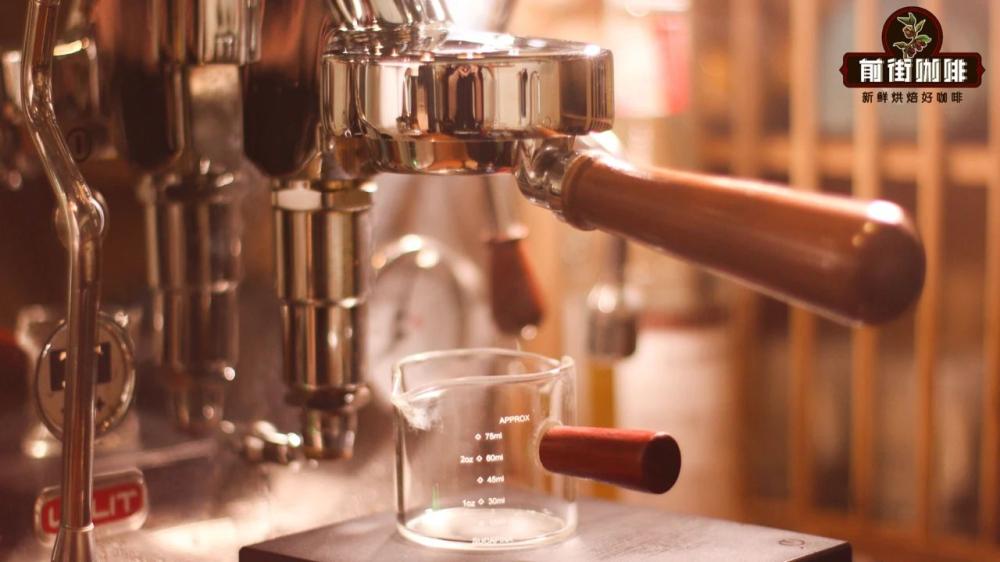
Therefore, to clean the interior of the brewing head, we use a "blind basket," which is a filter basket without small holes. Lock it into the portafilter, then lock it onto the brewing head and start brewing. It is recommended to keep the time within 10 seconds, repeating several times, and emptying the water from the blind basket each time. Usually, in the first one or two times, coffee residue will come out.
Another task is using coffee machine cleaning powder to clean the interior of the machine. This is not used every day. If the usage frequency is high, it is recommended once a week. If it is used at home, with an extraction volume of 2–3 cups per day, it is recommended once a month. Put 3g of coffee machine cleaning powder into the blind basket, then lock on the portafilter and turn on the brewing head for 10 seconds. After that, remove the portafilter and pour off the water on the surface (normally there will still be cleaning powder remaining in the blind basket). Lock the portafilter on again and repeat the cleaning 3 times.
Then remove the portafilter and clean the blind basket thoroughly. At the same time, turn on the brewing head and let water run out (at this time the water is mixed with cleaning powder foam and coffee residue). After the water is slightly cleaner, continue locking on the portafilter and turn on the brewing head for 5 seconds. Repeat this step 5 times, emptying the water from the blind basket each time. Finally, wipe the shower screen clean with a brush.
Point five: Regularly clean the shower screen, replace the gasket, and maintain the boiler. If the brewing head water flow is uneven, there may be coffee powder remaining on the shower screen. At this time, it needs to be opened for cleaning. Usually after about half a year, the shower screen will show this problem.
The purpose of the gasket is to ensure sealing when locking on the coffee portafilter. Over time, the gasket will harden and the sealing effect will deteriorate. The most obvious sign is that when the coffee portafilter is locked on, the portafilter angle is greater than 90 degrees. At this time, it needs to be replaced. The lifespan of the gasket is usually 6–12 months. Long-term use of the boiler will leave a large amount of scale (unless purified water is used), and at this time it needs to be cleaned by a professional. If it is a new machine, it generally needs maintenance once every 1–2 years.
The above content is compiled by CoffeeHunters, a coffee news website.


