







How to Make Coffee in a Coffee Machine With a Clean Group Head
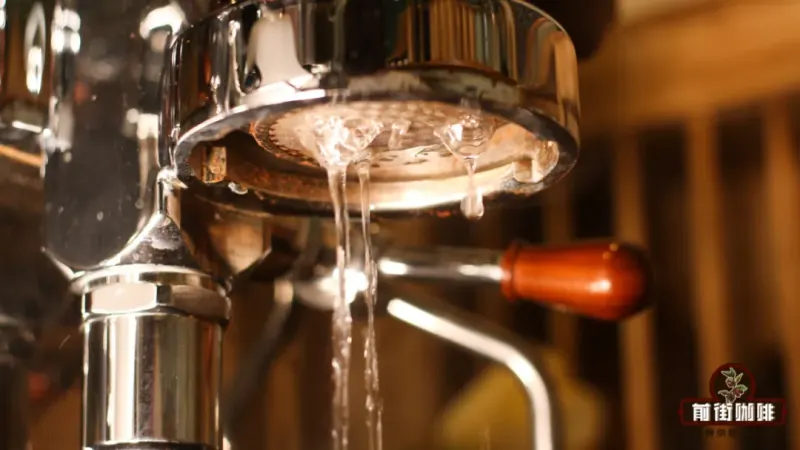
Flushing hot water for a few seconds before locking in the portafilter does two things: it rinses the group head and it stabilizes the shot. After extraction, grounds stick to the group head or get pulled into the screen by back-suction, and a short flush before extraction clears that residue so the next shot is not disturbed by old grounds.
The second effect shows up in the cup. Front Street Coffee compared two groups using 20 g of grounds to extract 40 ml of liquid, with the only difference being whether the machine was flushed first. Acidity, concentration, and balance differed, and extraction yield data confirmed the gap. That makes pre-flushing a routine step when learning how to make coffee in a coffee machine.
When using an espresso machine to extract espresso, there is one action that is repeatedly emphasized by experienced baristas, yet it leaves many enthusiasts puzzled—that is, before locking in the portafilter, briefly running hot water for a few seconds. This seemingly simple step actually affects the cleanliness of the group head and the stability of the extraction result. Through comparative experiments, Front Street Coffee found that espresso extracted with and without pre-flushing shows perceivable differences in acidity, concentration, and balance, and the extraction yield data also confirms this. This article will analyze in detail the two core functions of pre-flushing to help you produce a good espresso more consistently in your daily operation.
Once we enter the extraction stage, there are even more details we need to pay attention to. However, among them there is one step that still confuses many friends, and it is precisely the operation that experienced baristas will definitely remind you of when training someone—before formal extraction, run hot water once with an empty portafilter.
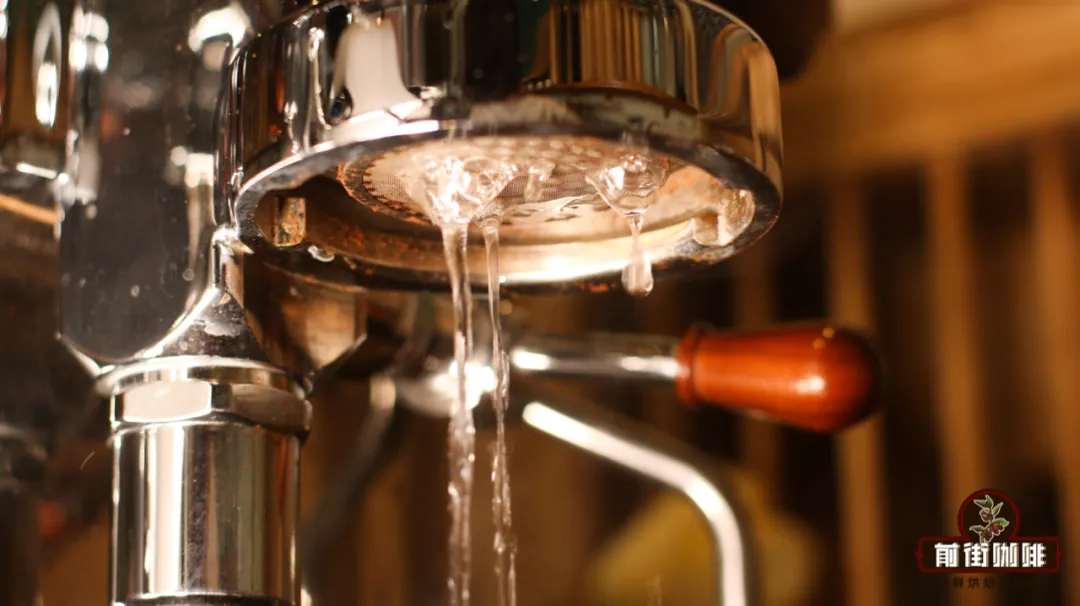
The specific method is: before locking the portafilter onto the group head, first open the water valve and let hot water flow out for a few seconds, then begin espresso extraction. What many people do not understand is what exactly this step is for.
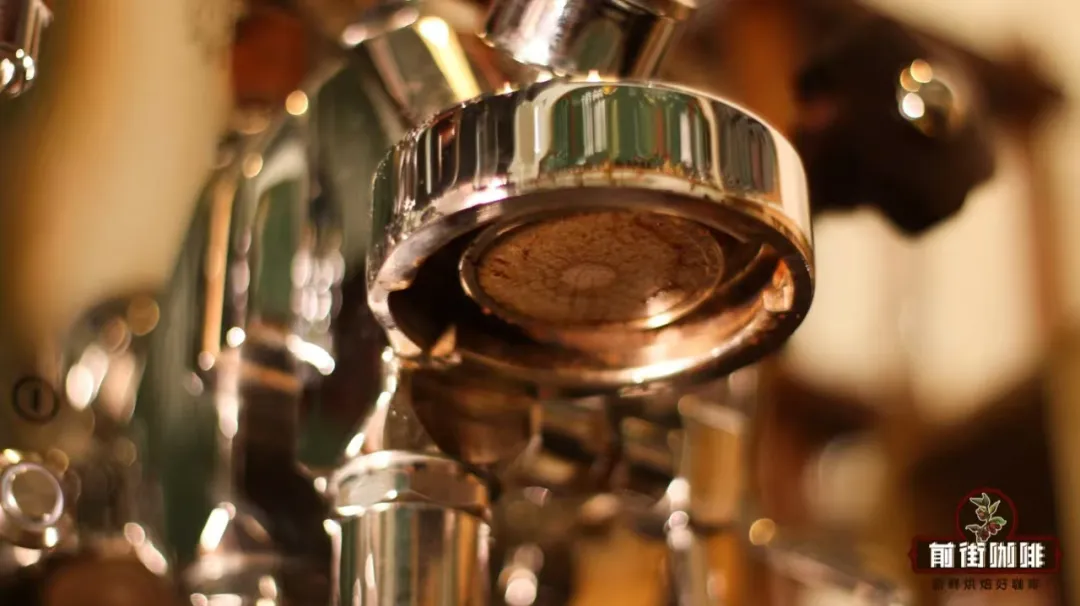
In fact, the reason is not complicated. There are mainly two points. The first is more familiar to everyone: cleaning the group head. After extraction is completed, some coffee grounds will adhere to the group head, or due to the back-suction effect of the coffee machine, become stuck in the group head screen. Even if it is rinsed after every extraction, a small amount of residue is unavoidable. Therefore, running hot water once before extraction can make the dispersion screen cleaner, and subsequent extraction is less likely to be disturbed by residual grounds.
The second point is to make espresso extraction more stable. If the pre-flushing step is skipped, the final espresso flavor may show unexpected deviations. You can look at the following comparative experiment conducted by Front Street Coffee. Experiment comparison Both groups used 20 g of grounds to extract 40 ml of coffee liquid, and the only difference was whether pre-flushing was done before locking the portafilter onto the group head. It happened that at this time the coffee machine had not been used for more than 30 minutes, so the difference between the two would be even more obvious. (Don’t ask why the coffee machine was idle for more than half an hour—if you ask, it’s because nobody used it!)
After extraction, Front Street Coffee tasted the two cups of espresso separately. The result showed that compared with the version that was pre-flushed before extraction, the cup without flushing had a more prominent acidity and a lighter taste (by comparison) ; while the espresso extracted after pre-flushing tasted richer and more balanced. Later, in order to confirm that Front Street Coffee’s taste judgment was not off, a coffee concentration meter was specially used to measure the extraction yield, and the results were 20.44% and 21.07%, respectively.
Although the difference does not look very large numerically, when reflected in the actual mouthfeel, the distinction is still quite obvious. So why does this difference occur? The reason is simple: the actual water temperature used during extraction is not the same. (The former was also affected by unstable pressure.) Why pre-flush in advance? As Front Street Coffee said earlier, in addition to cleaning stains on the dispersion screen, another purpose of pre-flushing is to make the coffee machine’s extraction performance more stable. There are mainly two reasons that cause unstable extraction, and different machines experience them differently: one is that when the coffee machine has been idle for a long time, the group head drops in temperature because no hot water has been continuously flowing through it. If the portafilter is directly locked in and extraction begins at this time, the hot water flowing out will have its heat absorbed by these lower-temperature pipes, causing extraction deviation; the other is that because the water in the boiler has been static for too long, its temperature instead becomes higher than the set target. If this portion of water is used directly for extraction, the coffee is very prone to over-extraction problems.
The above content is compiled by CoffeeHunters, a coffee news website.


