







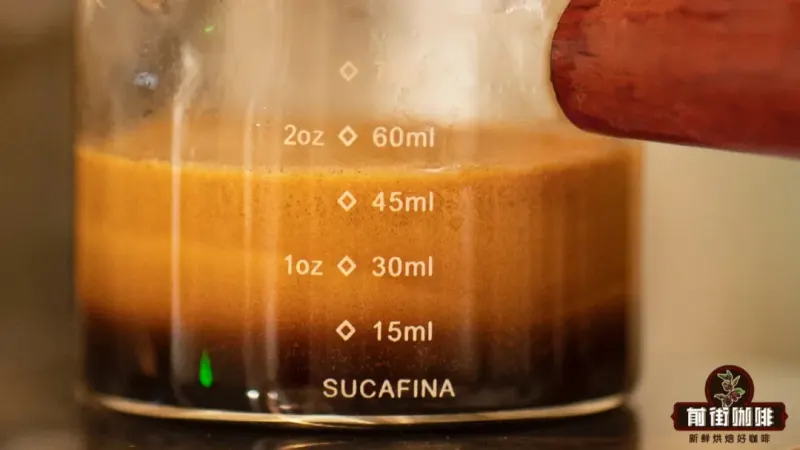
What is crema in coffee, and how does filter paper affect it?
Placing a moistened round filter paper at the bottom of the portafilter basket changes both flow and cup. In a Front Street comparison, 20 grams of coffee yielding 40 milliliters pulled in 30 seconds without paper and 26 seconds with it. The paper cup showed slightly lower concentration and extraction yield, but fines nearly disappeared and the taste was cleaner.
Fines are the fine particles that can build rich crema but also clog the basket, slow the shot, and add bitterness. Skimming the surface after extraction removes them along with crema, while bottom filter paper targets only the fines. Because the paper shortens the shot, grind or other parameters need readjusting to recover the flavor that fine coffee loses.
In the making of espresso, fines have always been a love-hate presence. They can bring rich crema, but they can also clog the portafilter basket, slow down the flow, and add bitterness. There are two common ways to remove fines on the market: one is to skim off the surface crema after extraction, which is simple and direct; the other is to place a moistened round filter paper at the bottom of the portafilter basket in advance. The latter sounds gentle, but will it really not interfere with extraction? Front Street conducted a comparative experiment for this: the same 20 grams of coffee, 40 milliliters of liquid weight, one regular extraction, and one with filter paper at the bottom. As a result, the cup with filter paper took less time, and both its concentration and extraction yield were slightly lower, but the fines almost disappeared, and the taste was cleaner. This shows that adding filter paper is indeed feasible, but the grind or parameters must be readjusted to make up for the lost flavor.
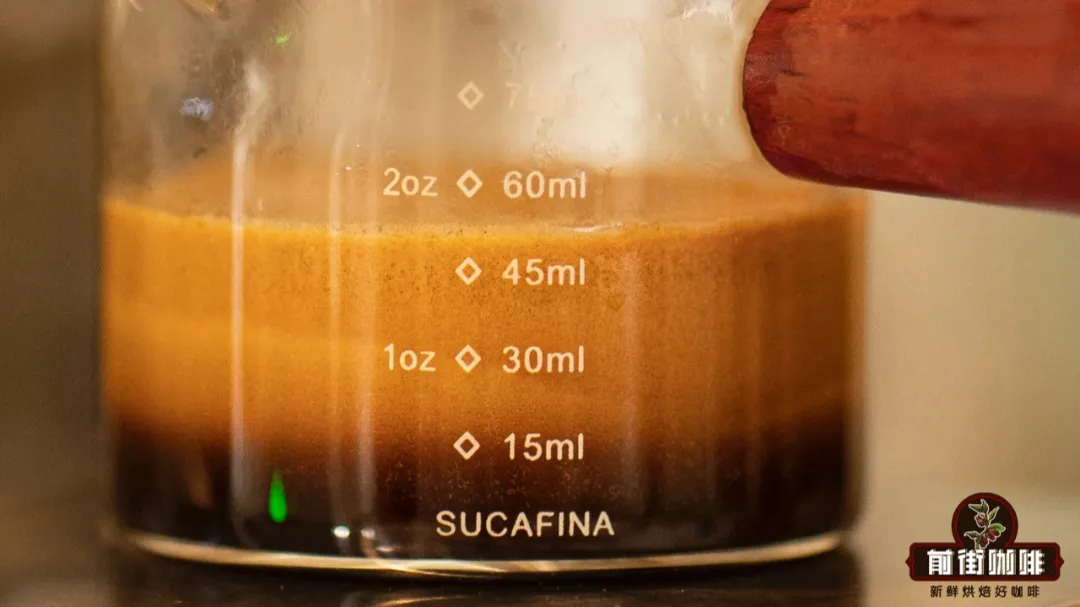
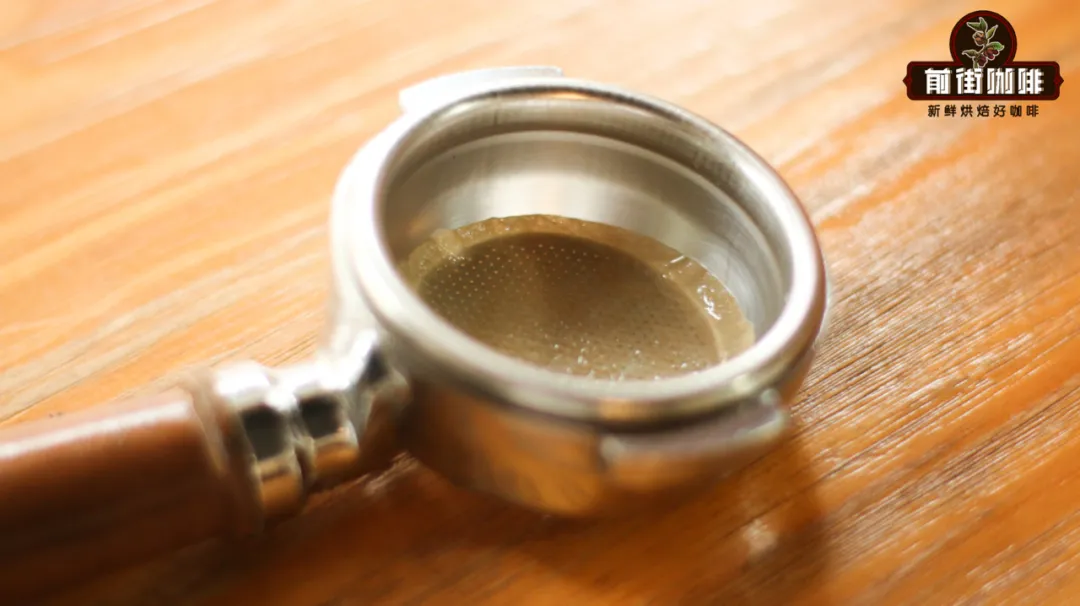
The common methods for removing fines on the market mainly fall into two categories. One is the "straightforward" approach that Front Street has mentioned many times: after espresso extraction is completed, skim off the layer of crema floating on the surface, and the fines are carried away with it. The other seems much gentler, because it targets only the fines and does not remove other substances at the same time, and the operation is not complicated either—just place a round filter paper at the bottom of the portafilter basket before loading the coffee grounds, and moisten it.
"Will this interfere with extraction?" "Can filter paper really block the fines?" There have always been many similar doubts. To verify whether this method is reliable, Front Street decided to test it personally.
Extraction comparison experiment
Front Street prepared to extract two espressos with the same parameters, the only difference being that one had a wetted round filter paper added at the bottom of the portafilter basket.
Coffee dose used: 20g Extracted liquid weight: 40ml
Look directly at the extraction results. The regular espresso (without filter paper) took 30 seconds; while the one with filter paper took only 26 seconds, and the time difference was quite obvious.
In terms of flavor, compared with the regular version, the espresso with filter paper had a thinner body and less prominent flavor. The data from the concentration tester also confirmed this: the extraction yield of the regular espresso was 21.88%, and the extraction yield of the espresso with filter paper was 20.23%.
However, it is worth noting that after adding filter paper, the fines in the espresso were indeed greatly reduced, almost negligible. From this it can be confirmed that the practice of "using filter paper to remove fines" itself is valid, but the parameters need to be adjusted accordingly to compensate for the changes in extraction.
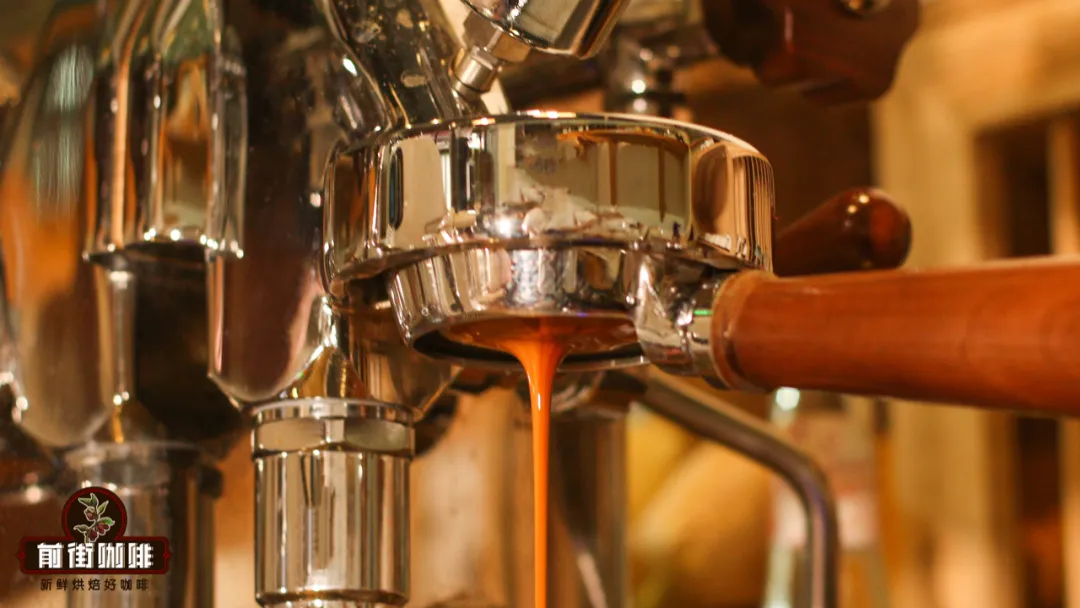
Sure enough, after adjusting the grind one step finer, the coffee tasted better. Not only did the bitterness brought by the fines disappear, but the flavor was also richer than before. So why do the parameters change after adding filter paper?
Why does placing filter paper affect extraction parameters?
The reason is actually not complicated. The fundamental reason why fines can seep out of the portafilter basket together with carbon dioxide and form crema is that their volume is small enough to pass through the filter holes of the basket. A portion of coffee grounds is made up of countless particles of different sizes, so it is inevitable that some particles get stuck in the holes because their size happens to fit, unable to move either way. You can knock out the puck after extraction and observe the portafilter basket against the light, and you will see these clogged holes.
It is precisely these fines stuck in the holes that prolong the time required for extraction. The addition of filter paper changes the situation—the fines can no longer clog the holes. Why? Because the filter paper has already covered the holes, the fines have no chance to clog them. So after adding filter paper, the flow rate will increase greatly. But too fast a flow rate also means that the hot water does not have time to fully extract the aromatic substances in the coffee, so we need to adjust the parameters to bring the extraction back to an ideal state.

The above content is compiled by CoffeeHunters, a coffee news website.


